Wollmatten: Your Complete Guide to Wool Rugs
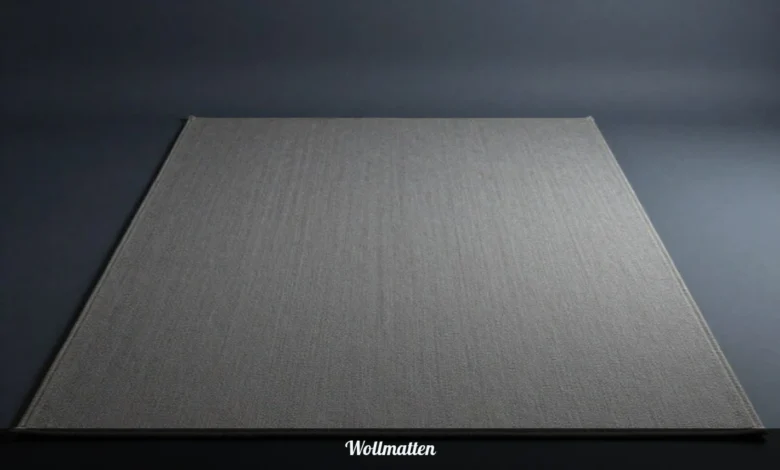
Wollmatten are natural wool mats crafted from sheep fibers, offering warmth, durability, and comfort to homes. These sustainable floor coverings provide natural insulation, resist stains, and last for decades with proper care, making them a smart investment for any living space.
You step onto a cold floor and wish for something warmer. Your synthetic rug shows wear after just two years. You want home decor that lasts, but worry about the cost.
Wollmatten solves these problems. These wool rugs bring centuries of craftsmanship into modern homes. They work for busy families, allergy sufferers, and anyone who values quality that stands the test of time.
What Makes Wollmatten Different
Wollmatten comes from pure sheep wool processed through felting or weaving. The fibers contain keratin, a protein that gives them natural strength and elasticity.
Each fiber has overlapping scales that repel dust and dirt. This microscopic structure helps wool rugs stay cleaner longer than smooth synthetic fibers.
The natural crimp in wool creates tiny air pockets. These pockets trap warmth in winter and absorb moisture in summer. Your home stays comfortable year-round.
Wool contains lanolin, a natural oil coating each fiber. This substance stops liquids from soaking in quickly. Spills bead on the surface, giving you time to clean them before stains set.
Why Wool Rugs Last Decades
Quality wollmatten can last 25 to 100 years. Two factors explain this longevity.
Wool fibers resist breaking better than synthetic threads. They handle heavy foot traffic without snapping or fraying.
The natural crimp makes fibers act like coiled springs. They compress when you walk on them, then bounce back immediately. This spring action prevents permanent crushing and keeps the rug looking fresh.
Hand-knotted wollmatten offer the longest life. Each knot gets tied individually, creating dense weaving that resists unraveling. Even tufted wool rugs outlast machine-made alternatives by years.
Research from 2019 shows wool carpets can last up to 25 years, significantly longer than polymer options. Some high-quality pieces last even longer with proper care.
Health Benefits You Need to Know
Wool naturally repels dust mites and allergens. The lanolin coating creates a barrier that these pests cannot penetrate.
The fibers also absorb allergens from the air and trap them inside the rug structure. This stops them from circulating through your home. Regular vacuuming removes these trapped particles easily.
Wool absorbs moisture without feeling damp. This quality prevents mold and mildew growth, which matters for respiratory health.
Unlike synthetic rugs, wool releases no volatile organic compounds. Your indoor air stays cleaner and safer, especially important for children and sensitive individuals.
Keeping Your Home Comfortable
Wollmatten regulates temperature naturally. The fiber structure insulates your floor, keeping rooms warm when it’s cold outside.
In summer, wool absorbs excess moisture from humid air. This moisture regulation helps your space feel cooler and more comfortable.
Wool rugs also dampen sound. The dense fibers absorb noise, reducing echoes in rooms with hard floors. This creates quieter living spaces perfect for relaxation or conversation.
The soft texture adds comfort underfoot. Walking on wool feels gentle and cushioned compared to bare floors or synthetic materials.
Environmental Advantages
Sheep produce wool annually, making it a renewable resource. The shearing process does not harm the animals.
Wool biodegrades naturally at the end of its life. Your old rug returns to the earth instead of sitting in a landfill for centuries like plastic-based options.
Production requires less electricity and creates fewer pollutants than synthetic rug manufacturing. This lower environmental impact matters for conscious consumers.
Many wool rugs use natural dyes from plants and minerals. These dyes avoid harsh chemicals while creating rich, lasting colors.
Stain Resistance That Works
The lanolin coating gives wool natural stain protection. This coating works better than many synthetic treatments.
Oil-based stains bead up on the surface. Water spills do the same. You can blot up most accidents before they penetrate the fibers.
Wool has a 30% higher stain resistance rate than even premium synthetic fibers. This advantage means fewer permanent marks from daily life.
Coffee, wine, and food spills clean up more easily on wool than on other materials. Quick action with a clean cloth handles most accidents without special products.
Fire Safety Features
Wool has a high ignition temperature. The fibers contain natural moisture that resists flames.
When exposed to fire, wool chars rather than melts like synthetics. This quality makes it safer near fireplaces and heating elements.
The flame resistance is inherent to the material. No chemical treatments are needed to achieve this protection.
This natural safety feature provides peace of mind, especially in homes with open flames or high fire risk.
Choosing the Right Size and Style
Measure your space before shopping. A rug should extend beyond your furniture arrangement to anchor the area properly.
In living rooms, place the rug so all furniture legs rest on it, or just the front legs touch. This creates visual unity.
For dining areas, ensure the rug extends at least 24 inches beyond the table on all sides. This prevents chair legs from catching the edge.
Bedroom rugs work well placed beside the bed or under the foot. Smaller sizes add comfort without overwhelming the space.
Consider your existing decor. Neutral tones blend with bold furniture. Patterned wool rugs become focal points in simpler rooms.
Think about foot traffic levels. High-traffic areas need durable constructions like hand-knotted or tightly woven styles.
Care That Keeps Rugs Looking New
Vacuum weekly with a suction-only attachment. Avoid beater bars that can damage fibers.
Rotate your rug every three to six months. This ensures even wear and prevents fading from sunlight in specific spots.
Address spills immediately. Blot liquids with a clean, dry cloth. Never rub, as this pushes stains deeper into fibers.
For stubborn marks, use mild soap mixed with water. Test this solution on a hidden area first to check for color changes.
Professional cleaning every one to three years maintains the rug’s condition. Specialists understand wool’s needs and use appropriate methods.
Keep Wollmatten away from direct, continuous sunlight. Use curtains or blinds during peak sun hours to prevent color fading.
A rug pad underneath adds cushioning and prevents slipping. This also protects both your rug and floor from wear.
Different Types for Different Needs
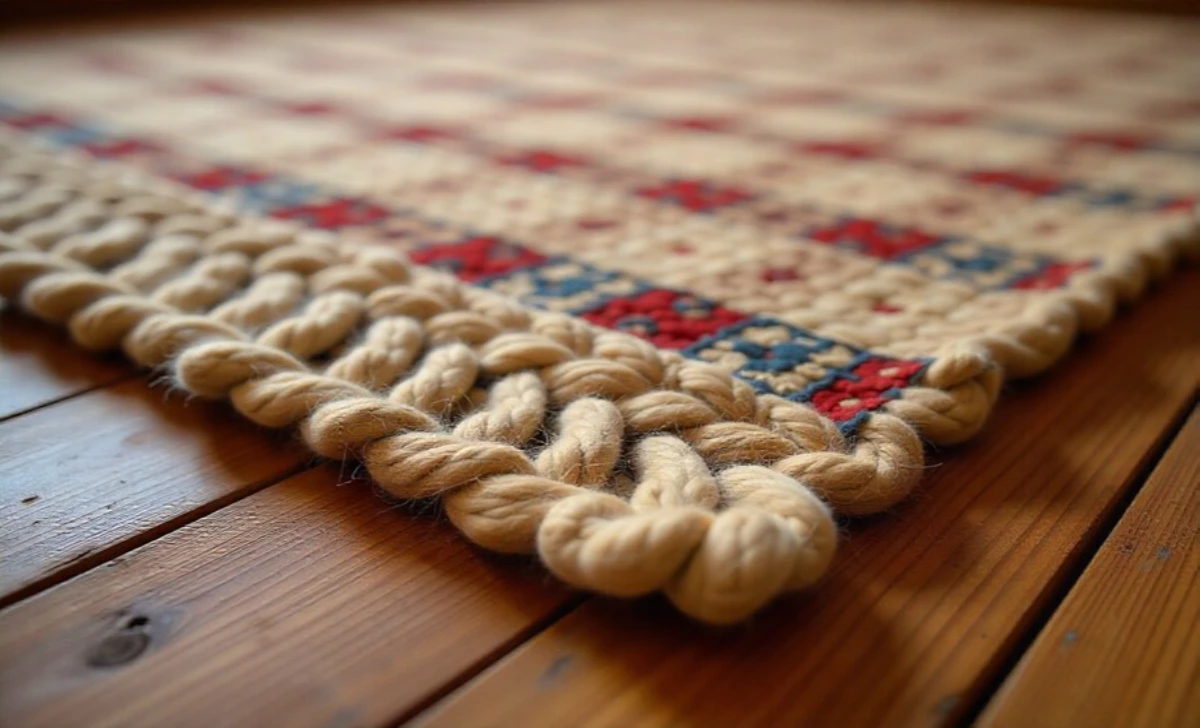
Hand-knotted wollmatten showcase the finest craftsmanship. Artisans tie individual knots to create intricate designs. These pieces last longest and often become family heirlooms.
Tufted wool rugs offer plush comfort at lower prices. A gun pushes yarn through backing fabric, creating soft, thick surfaces perfect for bedrooms.
Flatweave styles work well in high-traffic areas. Their thin profile fits under doors and resists tripping hazards. These rugs are easy to clean and maintain.
Shag wool rugs feature long fibers for maximum coziness. They add warmth to casual spaces but require more careful maintenance.
Some Wollmatten blends wool with other natural fibers like jute or cotton. These combinations balance cost with performance.
Using Wool Rugs Throughout Your Home
Living rooms benefit from large wool rugs that anchor seating areas. The soft surface invites the family to gather and relax.
Bedrooms become cozier with wool rugs beside the bed. Stepping onto warm wool beats cold floors on winter mornings.
Dining areas need durable styles that handle spills and chair movement. Choose tightly woven or felted options for these spaces.
Hallways and entryways see heavy traffic. Flatweave or durable wool blends perform well here while adding style.
Home offices gain comfort and sound dampening with wool underfoot. The noise reduction helps you focus better during work hours.
Children’s playrooms benefit from soft, non-toxic wool surfaces. Kids can sit comfortably for hours without worry.
Beyond Traditional Uses
Gardeners use wool mats as natural ground covers. The material protects plant roots, retains soil moisture, and controls weeds. When the mat breaks down, it enriches the soil naturally.
Builders install Wollmatten in walls and ceilings for insulation. The fibers trap air pockets that regulate indoor temperature. This natural insulation also absorbs sound, making rooms quieter.
A housing project in Freiburg, Germany, replaced standard insulation with Wollmatten. Residents noticed lower energy bills and fresher indoor air. The wool absorbed excess moisture and released it slowly, preventing dampness.
Yoga studios choose wool mats for their grip and cushioning. The natural texture prevents slipping while providing joint support.
Pet owners appreciate wool’s odor resistance. The material does not trap smells like synthetics, keeping homes fresher with animals around.
Cost Versus Value
Wollmatten costs more upfront than synthetic rugs. Quality comes with higher prices because of the natural material and skilled craftsmanship involved.
Consider the lifetime cost. A wool rug lasting 50 years costs less per year than replacing cheap rugs every five years.
The durability means fewer replacements. You spend less money and time shopping for new floor coverings.
Wool rugs maintain their appearance better. Your investment continues looking good decades later, unlike flattened or faded synthetics.
Some wool options fit tighter budgets. Wool blend rugs or smaller sizes offer quality at lower price points.
View Wollmatten as long-term investments rather than disposable items. This perspective changes how you evaluate the cost.
Finding Quality Pieces
Specialized retailers focus on authentic Wollmatten. These stores offer expertise and often carry unique handcrafted pieces.
Online marketplaces provide wide selections with customer reviews. Read feedback carefully to gauge quality before buying.
Artisan markets and craft fairs showcase handmade rugs. You can meet the makers and learn about their techniques.
Established brands known for sustainability often use ethical sourcing. They provide details about wool origins and production methods.
Social media platforms help you discover new designers. Follow hashtags related to Wollmatten for inspiration and shopping leads.
Check for certifications that verify quality standards. Look for labels indicating natural fibers and ethical production.
What to Avoid
Stay away from Wollmatten, priced far below market rates. Extremely cheap wool rugs likely use inferior materials or poor construction.
Avoid rugs labeled as wool but containing mostly synthetic fibers. Check the material composition carefully before purchasing.
Skip styles that shed excessively after the first few weeks. Some initial shedding is normal, but it should decrease quickly.
Do not place wool rugs in constantly damp areas. Basements or rooms with water exposure can lead to mold issues.
Avoid harsh chemical cleaners. These products damage wool fibers and remove the natural lanolin coating.
Do not leave Wollmatten in direct sunlight for extended periods. Continuous exposure fades colors and weakens fibers over time.
Future of Wool Rugs
Sustainable living trends favor natural materials like wool. Growing environmental awareness drives demand for biodegradable products.
Modern designs blend traditional craftsmanship with contemporary styles. Today’s Wollmatten fit minimalist and eclectic interiors equally well.
Technology adds new finishes without harsh chemicals. Water-repellent and stain-resistant treatments now use eco-friendly methods.
Recycled wool gains popularity as a cost-effective option. These products reduce waste while maintaining quality standards.
Smart home integration may include temperature-regulating textiles. Wool’s natural properties position it well for these innovations.
The market expands into new applications beyond flooring. Expect to see wool mats in more architectural and design contexts.
Final Thoughts
Wollmatten represents smart choices for modern homes. These natural wool rugs combine beauty, durability, and environmental responsibility in one product.
The upfront cost pays off through decades of reliable use. You gain comfort, health benefits, and style that synthetic options cannot match.
Quality matters more than price alone. A well-made wool rug serves your family for generations, making it a true investment piece.
Whether you choose hand-knotted craftsmanship or practical flatweave styles, wollmatten enhances any living space. The natural properties of wool provide advantages that no synthetic material can replicate.
Your home deserves flooring that works as hard as you do. Wollmatten delivers on that promise every single day.
FAQs
How long do Wollmatten typically last?
Quality wool rugs last 25 to 100 years with proper care. Hand-knotted versions often last longest, sometimes becoming family heirlooms passed through generations.
Are wool rugs safe for people with allergies?
Yes, wool naturally repels dust mites and traps allergens instead of releasing them into the air. The material is hypoallergenic and releases no harmful chemicals.
Can I use Wollmatten with underfloor heating?
Wool rugs work well with heated floors. The material regulates temperature naturally and will not overheat or degrade from consistent warmth.
Do wool rugs retain odors?
Properly maintained wool does not hold smells. Wool’s natural properties resist mold and mildew. Regular cleaning and ventilation keep rugs fresh.
How often should I professionally clean wool rugs?
Professional cleaning every one to three years maintains quality. High-traffic rugs need more frequent cleaning than those in lower-use areas.