Winter Home Prep: Complete Guide to Protect Your Property
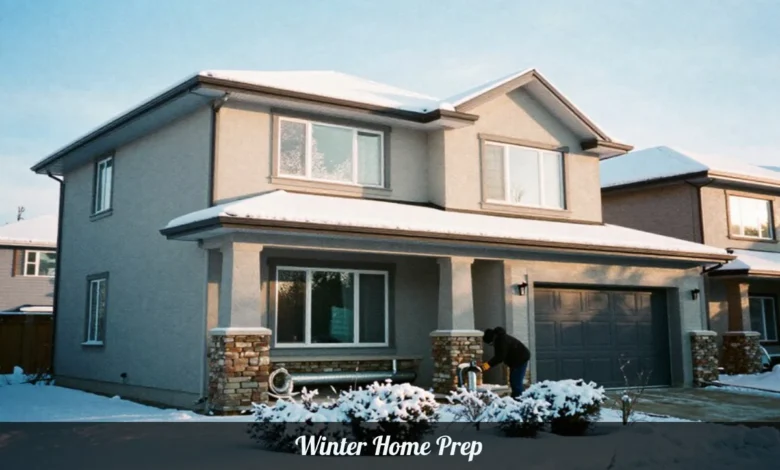
Winter home prep protects your property from costly damage caused by freezing temperatures, burst pipes, and ice buildup. Essential steps include insulating pipes, servicing your heating system, cleaning gutters, sealing air leaks, and stocking emergency supplies. Taking these actions before cold weather arrives can prevent thousands in repair costs.
Cold weather brings more than just snow days and hot cocoa. It threatens your home with frozen pipes, ice dams, and heating failures. Water damage from burst pipes alone costs homeowners an average of $15,400 per claim, according to 2023 insurance data.
You can avoid becoming a statistic. This guide walks you through proven winter home prep strategies that protect your property and your wallet.
Why Winter Prep Matters for Your Home
One in every 67 insured homes files a water damage claim each year. Between 2019 and 2023, roughly 22.6% of all home insurance claims resulted from water damage or freezing.
Most of this damage happens between January and February when pipes freeze and burst. A single burst pipe releases hundreds of gallons of water into your home within hours.
Your insurance might not cover the damage if you failed to take reasonable precautions. Policies require you to maintain your home properly, which includes winterization tasks.
Protect Your Pipes From Freezing
Burst pipes cause more home damage than fires or hurricanes. About 14,000 people in the U.S. experience some form of home water damage daily.
Insulate exposed pipes. Target any pipes in unheated spaces like basements, crawl spaces, attics, and garages. Pipe insulation costs as little as 50 cents per linear foot and can prevent thousands in damage. Use tubular foam sleeves or heat tape on the most vulnerable sections.
Know your shutoff valve location. Find your main water shutoff before an emergency strikes. Test it to confirm it works smoothly. If it sticks or won’t turn, call a plumber now to replace it.
Keep your home heated. Set your thermostat to at least 65 degrees when you leave town. Never drop below 55 degrees, even if you want to save on heating bills. The risk of burst pipes far outweighs any energy savings.
Disconnect outdoor water sources. Drain and store garden hoses before the first frost. Turn off the water to outdoor spigots at the indoor shutoff valve. Open the outdoor faucet to let trapped water drain out.
Service Your Heating System
Your furnace or heat pump works harder in winter than in any other season. Heating equipment causes some of the biggest home fires, according to the U.S. Fire Administration.
Schedule professional maintenance before temperatures drop. A technician will clean components, check for gas leaks, test safety controls, and verify proper airflow.
Replace your furnace filter every three months minimum. A clogged filter forces your system to work harder, wastes energy, and shortens equipment life.
If you have a fireplace, hire a chimney sweep for annual cleaning. Creosote buildup can ignite and cause a devastating fire. The sweep will also check for cracks in the flue liner and ensure the cap and spark arrester are intact.
Seal Air Leaks and Add Insulation
Heat escapes through gaps around windows, doors, and other openings. Sealing these leaks cuts your heating bills significantly.
Apply weatherstripping to doors. Check all exterior doors for gaps. Install door sweeps at the bottom to block cold air. Replace worn weatherstripping around door frames.
Caulk window cracks. Look for gaps between window frames and walls. Use quality caulk to seal small openings. For larger gaps, use expanding foam sealant.
Insulate your attic. Proper attic insulation keeps heat in your living space and prevents ice dams from forming on your roof. Check that your insulation meets recommended R-values for your climate zone.
Cover outlets on exterior walls. Foam outlet protectors are inexpensive and easy to install. They stop drafts from penetrating through electrical boxes.
Maintain Your Roof and Gutters
Your roof is your home’s first defense against winter weather. Problems up top quickly become problems inside.
Inspect roof shingles. Look for loose, damaged, or missing shingles. A cubic foot of snow can weigh 10 or 20 pounds, causing loose shingles to shift further and allowing moisture to enter your roof. Hire a licensed contractor to make repairs before the first snow.
Clean gutters thoroughly. Clogged gutters cause ice dams that force water under your shingles and into your home. They also add weight that can tear gutters from your roof. Clear all leaves and debris in late fall.
Check downspouts. Ensure downspouts direct water at least 6 feet away from your foundation. Standing water near your foundation leads to basement flooding and foundation cracks.
Trim overhanging branches. Ice and snow can snap dead or weak branches. Falling limbs damage roofs, cars, and power lines. Remove any branches that overhang your home or electrical service.
Check Your Windows and Doors
Cold air sneaking through windows and doors wastes energy and makes rooms uncomfortable.
Install storm windows or add plastic film. These barriers create an air pocket that insulates against cold. Window insulation kits cost less than $20 and can cut heat loss by 50%.
Hang thermal curtains. Heavy, insulated curtains block drafts and help retain heat. Keep them open during sunny days to capture solar warmth, then close them at night.
Adjust ceiling fans. Switch your fans to rotate clockwise at low speed. This pushes warm air down from the ceiling into your living space.
Prepare Your Outdoor Equipment
Winter puts lawn equipment out of commission until spring. Proper storage prevents damage and costly repairs.
Drain fuel from gas-powered tools. Gasoline breaks down and gums up engines when left sitting for months. Run lawn mowers, trimmers, and other equipment until they stop to burn off remaining fuel.
Service your snow blower. If you own one, test it before the first storm. Change the oil, check the spark plug, and ensure the chute rotates freely.
Store furniture and grills. Move outdoor furniture inside or cover it with weatherproof covers. Disconnect propane tanks from grills and store tanks outdoors. Clean and cover grills.
Stock Winter Emergency Supplies
Power outages happen more frequently in winter. Downed tree limbs from ice storms can leave you without electricity for days.
Essential supplies to have ready:
- Snow shovel and ice scraper
- Ice melt or sand for walkways
- Flashlights and extra batteries
- Battery-powered or hand-crank radio
- Bottled water (one gallon per person per day for three days)
- Non-perishable food that requires no cooking
- First aid kit
- Blankets and warm clothing
- Pet food and medications
Consider a generator. Portable generators keep essentials running during outages. They power refrigerators, medical equipment, and a few lights. Whole-house standby generators cost more but provide automatic backup power.
Mark Your Property Boundaries
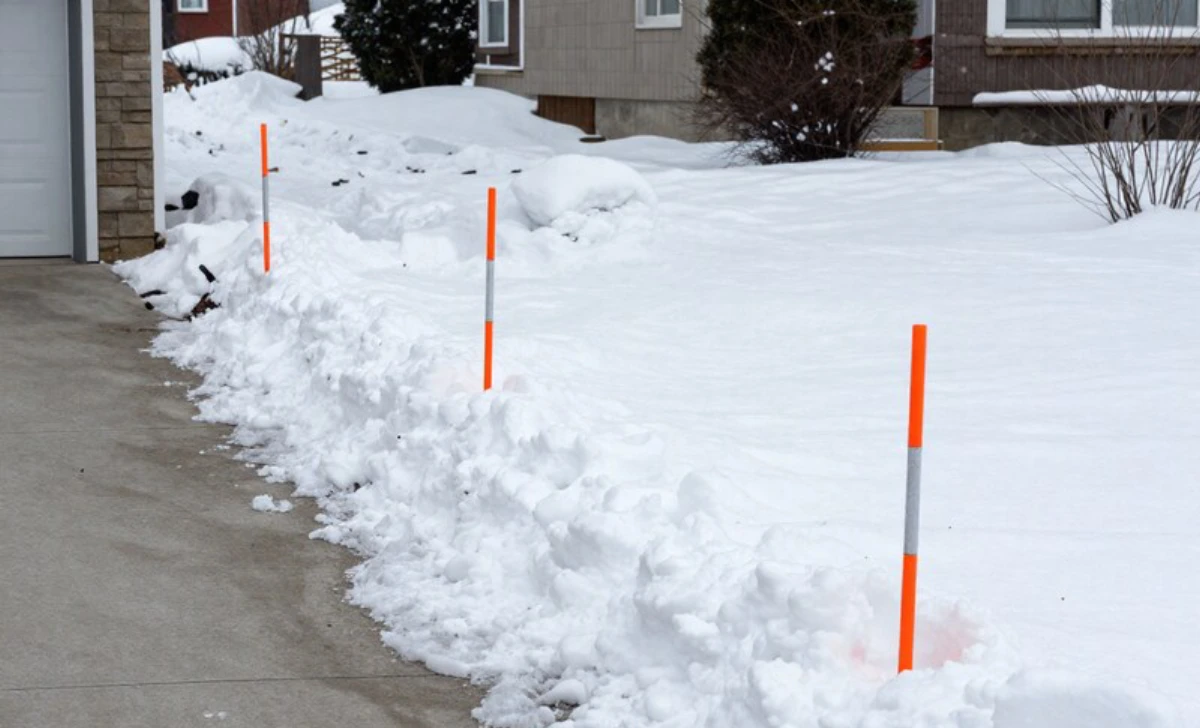
Heavy snow hides driveways, walkways, and garden beds. Without markers, you risk damaging landscaping while plowing or shoveling.
Install fiberglass poles or driveway markers along the edges of your driveway and walkways. Place them 6 to 10 feet apart. Their bright colors remain visible above the snow.
Test Safety Devices
Winter brings increased risks of fire and carbon monoxide poisoning.
Test smoke alarms monthly. Replace batteries twice a year. Replace the entire unit every 10 years.
Check carbon monoxide detectors. Install detectors on every level of your home, especially near sleeping areas. Replace batteries annually and units every 5 to 7 years.
Keep fire extinguishers accessible. Place one in your kitchen and one near your heating system. Check the pressure gauge and replace it if needed.
Prevent Ice Dams
Ice dams form when heat escapes through your roof, melting snow that refreezes at the eaves. The ice blocks proper drainage, forcing water under shingles.
Signs of ice dam problems:
- Icicles hanging from gutters
- Ice buildup at the roof edges
- Water stains on ceilings or walls
- Peeling paint near the roofline
Prevention steps:
- Keep attic temperature below 30 degrees with proper ventilation
- Add insulation to your attic floor
- Seal air leaks around attic hatches and light fixtures
- Install heat cables along the roof edges in problem areas
Protect Your Foundation
Water near your foundation freezes and expands, creating cracks. Fix drainage issues now to avoid expensive foundation repairs later.
Ensure soil around your home slopes away from the foundation. The ground should drop at least 6 inches over the first 10 feet.
Clean window wells and add covers to keep out snow and rain. Check that sump pumps work properly and have battery backup systems.
Winterize Unused Spaces
Vacant homes and unused rooms need special attention in winter.
If you own a vacation home or rental property, consider these steps:
- Drain all water lines completely
- Pour antifreeze in the sink and toilet traps
- Turn off the water at the main valve
- Set the heat to 55 degrees minimum
- Ask a neighbor to check the property weekly
For unused rooms in your primary home, close vents and doors to save on heating costs. Keep the temperature above 50 degrees to prevent pipe freezing.
Create a Winter Maintenance Schedule
Staying on top of winter tasks prevents problems from snowballing.
Weekly checks:
- Test heating system operation
- Check for ice dams
- Clear snow from vents and exhaust pipes
- Inspect visible pipes for leaks
Monthly tasks:
- Replace furnace filters
- Test safety devices
- Check the basement and crawl spaces for moisture
- Remove snow buildup from the roof if excessive
Final Thoughts
Winter home prep requires time and effort, but it pays off. Every hour you spend on prevention saves days dealing with emergency repairs and insurance claims.
Start with the most critical tasks first. Protect your pipes, service your heating system, and seal air leaks. These three steps alone prevent the majority of winter damage.
Work through the remaining tasks as time allows. Mark your calendar for seasonal maintenance and tackle preparation in early fall before the holiday rush begins.
Your home is your biggest investment. Protecting it from winter damage preserves its value and keeps your family safe and comfortable all season long.
FAQs
What temperature should I keep my home at in winter?
Set your thermostat to 68 degrees when you’re home and awake. Lower it to 62 degrees while sleeping. Never go below 55 degrees when away, as pipes can freeze at these temperatures.
How much does pipe insulation cost?
Basic foam pipe insulation costs 50 cents to $2 per linear foot. Professional installation adds $2 to $4 per foot. Insulating 50 feet of exposed pipe typically costs $25 to $300 total.
When should I clean my gutters for winter?
Clean gutters after all leaves have fallen, typically in late October or November. Check them again after the first snow to ensure they’re clear and draining properly.
Do I need to hire professionals for winter prep?
You can handle most tasks yourself. Hire professionals for chimney cleaning, furnace servicing, roof inspections, and major repairs. These require specialized tools and expertise.
How do I know if I have adequate attic insulation?
Check the R-value of your current insulation against recommendations for your climate zone. Most cold climates need R-49 to R-60 in attics. If you can see floor joists through the insulation, you need more.