Winter Flowers: A Complete Guide to Cold-Season Blooms
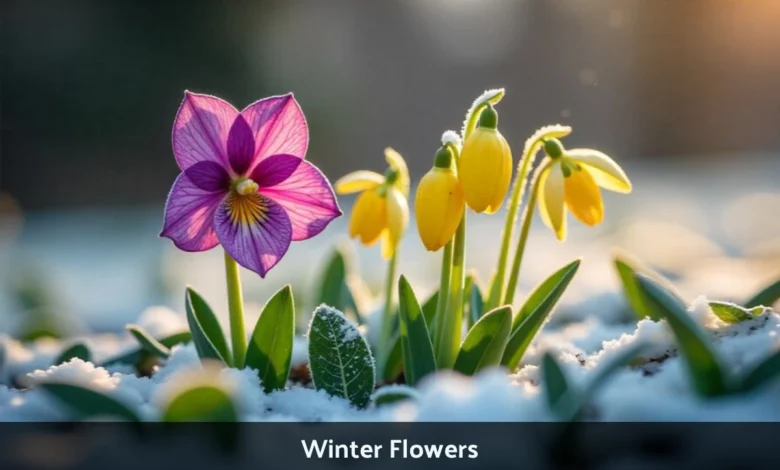
Winter flowers are cold-hardy plants that bloom during the coldest months, including hellebores, pansies, snowdrops, and witch hazel. These resilient blooms thrive in freezing temperatures, often emerging through snow to add color to dormant landscapes from December through March across zones 3-10.
Don’t let freezing temperatures fool you. Your garden can burst with color even when snow covers the ground.
Winter flowers defy the season’s harsh conditions. They bloom when most plants go dormant, creating unexpected pops of purple, yellow, white, and pink across otherwise gray landscapes. These cold-weather champions have adapted to survive frost, short days, and icy winds.
You can plant many of these bloomers in the fall for a late winter or early spring show. Others perform best when established before cold weather hits. The reward? A garden that stays alive with color when you need it most.
Why Some Flowers Bloom in Winter
Plants compete for space and resources. Winter-blooming species carved out a survival niche by flowering when others can’t.
These plants avoid competing with spring bloomers and summer grasses. Forest species access more sunlight before tree canopies fill with leaves. This timing blocks the sun from reaching the forest floor during warmer months.
Cold-weather bloomers also attract early-season pollinators. Bees and other insects emerge on warm winter days, seeking the few available nectar sources.
Top Winter Flowers for Your Garden
Hellebores
Hellebores earn their nicknames as Christmas rose or Lenten rose by blooming from mid-winter through early spring. These perennials push through melting snow with waxy, roselike flowers in pink, purple, yellow, green, and near-black shades.
Their evergreen foliage looks good year-round. The blooms last for weeks and make excellent cut flowers. Plant them in partial to full shade, zones 4-9.
Keep pets and children away from hellebores. All plant parts are toxic when eaten.
Pansies and Violas
Pansies pack serious cold tolerance into small packages. These hardy annuals bloom throughout winter in mild climates (zones 7-10) and perk back up in early spring after going dormant in colder regions.
Plant them in the fall before temperatures drop too low. This timing supports faster growth and more winter blooms. Pansies work well in borders, containers, and mass plantings where you want concentrated color.
Violas offer similar performance with slightly smaller flowers. Both come in solid and multicolor varieties spanning purple, yellow, orange, white, and red.
Snowdrops
Snowdrops live up to their name by emerging directly through snow cover. These dainty perennials display downward-facing white bell blooms in late winter.
Plant bulbs in early fall for a late winter to early spring display. Snowdrops resist common garden pests like rabbits, deer, chipmunks, and mice. They go dormant over the summer but return year after year, spreading gradually through your garden beds.
Best in zones 3-9 with full sun to partial shade.
Winter Jasmine
Bright yellow, funnel-shaped blooms make winter jasmine stand out. This deciduous shrub grows 4 feet tall or can be trained as a vine reaching 10 to 15 feet on trellises or fences.
Unlike traditional jasmine, winter jasmine lacks fragrance. The tradeoff? Blooms last up to two months in late winter. Use it for mass plantings, ground cover, or vertical interest.
Zones 6-10, full sun to partial shade.
Witch Hazel
Witch hazel’s ribbonlike petals unfurl in late winter, offering red, orange, or yellow blooms on bare branches. Flowering can last eight weeks or longer.
These shrubs bloom during warm spells. When temperatures drop again, petals curl up temporarily, unfurling when warmth returns. The citrusy fragrance fills the air and perfumes indoor arrangements.
Plant winter-flowering varieties specifically. Many witch hazel types bloom at different times. Zones 5-8, full sun.
Camellias
Camellias produce huge, rose-reminiscent blooms from late fall through mid-spring. The timing depends on which variety you choose.
These evergreen shrubs need a winter-blooming type hardy in your specific zone. Some varieties handle cold better than others. Check plant tags before buying.
Camellia flowers come in white, pink, red, and bicolor patterns. Zones vary by species, but most winter bloomers suit zones 7-10.
Crocus
Crocuses push cup-shaped blooms skyward with grasslike foliage in late winter to early spring. These low-maintenance perennials come in pink, red, orange, yellow, purple, and blue.
They multiply year after year, creating bigger displays as bulbs divide naturally. Plant them in mixed borders and rock gardens for the best effect. Zones 3-8, partial to full sun.
Winter Aconite
Small buttercup-yellow flowers emerge from late winter snow. Winter aconite works well in rock gardens, flower beds, and woodland settings. It pairs beautifully with hellebores for complementary blooms.
The plant and tuber are toxic to people and pets. Keep them away from areas where children or animals play. Zones 3-7, full sun to partial shade.
Primrose
English primrose starts blooming in late winter with clusters of yellow, white, or pink flowers featuring dark yellow centers. This variety beats other primroses to bloom by several weeks.
Hundreds of primrose types exist. Choose varieties rated for your USDA Hardiness Zone. Zones 4-8, partial shade.
Daffodils
Daffodils rank among the first spring flowers, but they often bloom as early as February in mild climates. These cheerful yellow, white, or bicolor blooms signal winter’s end.
Plant bulbs in the fall. Rodents typically avoid daffodils, making them more reliable than tulips in areas with digging pests. Zones 4-9, full sun to partial shade.
Shrubs That Bloom in Winter
Winter Heath
This evergreen shrub delivers long-lasting pink or white flowers even in cold climates. It creates dense ground cover while blooming, making it both functional and beautiful.
Winter heath tolerates harsh conditions better than many winter bloomers. Zones 5-8.
Mahonia
Leathery, frond-like leaves and dramatic sprays of bright yellow flowers define mahonia. Blooms appear in late fall or early winter on this evergreen shrub.
Check plant tags for cold-hardy varieties suited to your region before purchasing. Some types handle freezing temperatures better than others.
Winterberry
While not a flower, winterberry shrubs produce bright red berries that persist through winter. The berries provide crucial food for birds when other sources disappear.
Female plants need a male pollinator nearby to produce berries. Plant at least one male for every five females.
Planting Tips for Winter Flowers
Plant most winter-blooming bulbs in fall. They need time to establish roots before cold weather arrives. Spring-blooming types planted in fall often flower in late winter in mild climates.
Choose your planting site carefully. Most winter flowers prefer partial shade, though some tolerate full sun. Check specific requirements for each species.
Improve drainage before planting. Many winter bloomers rot in waterlogged soil. Add compost or plant in raised beds if your soil holds too much moisture.
Water new plantings thoroughly. Even cold-season plants need moisture to establish. Water during dry winter spells when temperatures stay above freezing for several days.
Apply mulch after the ground freezes. This insulates roots and prevents frost heaving, which pushes small plants out of the soil during freeze-thaw cycles.
Caring for Winter Bloomers
Water during warm, dry spells. Plants still need moisture in winter, especially during unusual warm periods. Water if three weeks pass without significant rainfall.
Avoid fertilizing in winter. Plants don’t actively grow during cold months. Fertilizer can damage dormant roots or encourage tender new growth that freezes.
Deadhead spent blooms on pansies and violas. This encourages more flowers and keeps plants looking tidy. Leave other winter flowers alone until spring.
Prune spring-blooming shrubs after they finish flowering. Winter-blooming woody plants should be pruned in late winter while the branches are bare.
Design Ideas for Winter Gardens
Layer different bloom times. Combine early, mid, and late winter bloomers for continuous color from December through March.
Plant in clusters. Mass plantings create more visual impact than single specimens scattered across beds. Use groups of at least five to seven plants for the best effect.
Position winter bloomers where you’ll see them. Place containers near entryways, plant beds visible from windows, and line walkways with low-growing varieties.
Mix evergreen foliage with flowers. Holly, boxwood, and other evergreens provide structure and backdrop for winter blooms.
Add texture with ornamental grasses. Dried grasses catch snow and frost, creating architectural interest alongside flowers.
Winter Color Trends for 2024
Rich, opulent colors dominate winter floral designs. Deep reds, purples, and blues replace traditional pastels in arrangements and garden plantings.
Sustainability continues shaping choices. Gardeners increasingly choose locally adapted native winter bloomers that need less water and care.
Mixed textures are gaining popularity. Combine smooth petals with rough seed heads, dried grasses, and evergreen branches for visual interest.
Common Problems and Solutions
Frost damage: Some flowers curl or brown after hard freezes. Most recover when temperatures rise. Avoid pruning damaged growth until spring.
Poor blooming: Insufficient chill hours prevent some winter flowers from blooming. Choose varieties rated for your zone’s typical winter temperatures.
Pest damage: Deer, rabbits, and rodents may eat winter blooms when other food is scarce. Choose pest-resistant varieties like snowdrops and daffodils in problem areas.
Root rot: Waterlogged soil kills more winter plants than cold temperatures. Improve drainage before planting and avoid low-lying areas where water collects.
Final Thoughts
Winter flowers transform cold-season gardens from dormant to dynamic. These tough plants prove that gardens don’t need to sleep when temperatures drop.
Start with easy varieties like pansies, snowdrops, and hellebores. These forgiving plants tolerate beginner mistakes and deliver reliable color. As you gain confidence, add challenging species like camellias and winter jasmine.
Your winter garden can rival any summer display. It just needs the right plants in the right places.
FAQs
What flowers bloom in the dead of winter?
Hellebores, winter aconite, snowdrops, and witch hazel bloom during the coldest months. These plants emerge even when snow covers the ground, typically flowering from December through February.
Can I plant winter flowers in containers?
Yes. Pansies, violas, and primroses work well in pots. Choose containers with drainage holes and use quality potting soil. Water the soil when it thaws during warm spells. Move containers to protected areas during extreme cold in zones 5 and colder.
Do winter flowers need special care?
Most winter bloomers need less maintenance than summer flowers. Water during dry spells, avoid fertilizing in cold months, and protect from harsh winds. Plant them in appropriate zones and proper locations for best results.
How do winter flowers survive freezing temperatures?
Winter flowers have evolved special adaptations. Some produce antifreeze-like compounds in their cells. Others curl their petals during hard freezes and unfurl when temperatures rise. Many bloom during brief warm spells between cold snaps.
When should I plant bulbs for winter flowers?
Plant winter-blooming bulbs in early to mid-fall, at least six to eight weeks before the ground freezes. This gives roots time to establish before cold weather. Spring-blooming bulbs planted in fall often flower in late winter in mild climates.