Why Is My Hot Water Running Out So Fast?
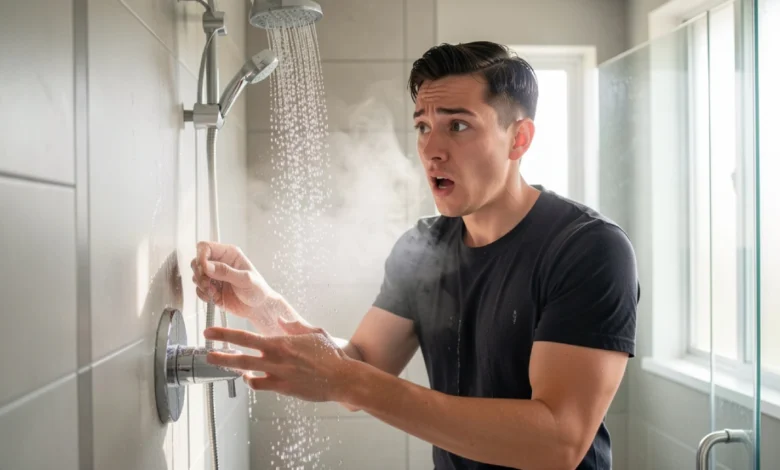
Few things are more frustrating than stepping into a warm shower only to have it turn ice cold within minutes. If your hot water is running out faster than it used to, there’s usually an underlying issue that needs attention. Understanding the common causes can help you determine whether it’s a simple fix or time to call a professional like Grove.
1. Sediment Buildup in the Tank
One of the most common causes of a short hot water supply is sediment buildup. In Maryland, mineral content in water can lead to deposits collecting at the bottom of your water heater tank. Over time, this sediment reduces the amount of space available for hot water and makes your system work harder.
If your tank hasn’t been flushed in a year or more, sediment could be limiting its capacity and efficiency.
2. Failing Heating Element (Electric Water Heaters)
Electric water heaters rely on two heating elements—one at the top and one at the bottom of the tank. If one element fails, your unit will still produce some hot water, but not nearly as much as before. This often results in lukewarm water that runs out quickly.
A professional inspection can determine if an element replacement is needed.
3. Thermostat Issues
Sometimes the problem isn’t the tank itself but the thermostat. If it’s set too low or malfunctioning, your water heater may not be heating water to the proper temperature. While adjusting the thermostat might provide a quick fix, inconsistent temperatures often indicate a component issue.
4. Tank Is Too Small for Your Household
If your household has grown or your hot water usage has increased, your current water heater may simply be undersized. Larger families, additional bathrooms, or high-demand appliances can quickly exceed your tank’s capacity.
In this case, upgrading to a larger tank or switching to a tankless system may be the best long-term solution. Grove can evaluate your home’s needs and recommend the right size system.
5. Aging Water Heater
Most traditional tank water heaters last 8–12 years. As they age, efficiency declines and internal components wear out. If your system is nearing the end of its lifespan, frequent hot water shortages may indicate that replacement is more cost-effective than repair.
6. Hidden Leaks
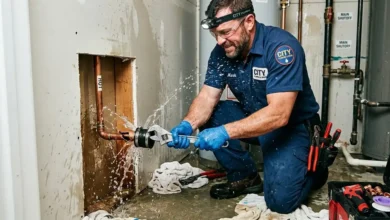
A leak in your plumbing system or inside the water heater tank can reduce available hot water. Even small leaks can lead to pressure drops and inconsistent performance. If you notice pooling water, corrosion, or unusual noises, it’s time to have your system inspected.
When to Call a Professional
If your hot water is disappearing faster than it should, it’s best not to ignore it. What starts as a minor maintenance issue can quickly lead to higher energy bills or complete system failure.
A professional technician from Grove can inspect your water heater, identify the root cause, and recommend the most cost-effective solution—whether that’s a repair, maintenance service, or full replacement.
Consistent, reliable hot water is essential for comfort and daily routines. If yours isn’t lasting as long as it should, addressing the issue early can save you time, money, and frustration.