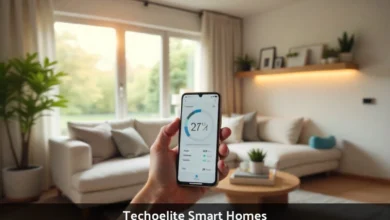
Whitelovers Smart Home: Complete Guide to Modern Connected Living
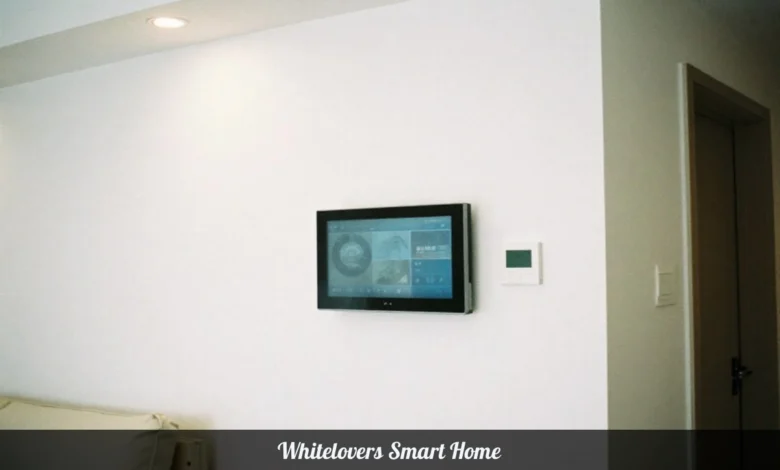
Whitelovers Smart Home represents a minimalist approach to home automation that combines clean design, strong privacy controls, and cross-platform compatibility. This philosophy uses Matter protocol, Thread technology, and local processing to create secure, reliable connected homes that work without constant internet dependence.
What Whitelovers Smart Home Really Means
You’ve probably seen the term “whitelovers” pop up in smart home searches. Many people misspell “white lovers” when looking for clean, minimalist smart home setups. But Whitelovers has become its own concept in 2025: a design philosophy that puts simplicity first.
The idea centers on invisible technology. Your lights adjust automatically. Your thermostat learns your schedule. Your locks know when you’re home. All without cluttered apps or complicated routines.
This approach gained traction as homeowners got tired of juggling multiple apps and dealing with devices that stopped working when companies shut down their servers. According to recent research, cost remains the top barrier to smart home adoption, even among high-income buyers. Whitelovers addresses this by focusing on essential devices that deliver real value.
Core Components of a Whitelovers Setup
Your network makes or breaks your smart home experience. Weak Wi-Fi means devices drop offline constantly. You’ll need solid coverage throughout your home.
Wi-Fi 6 or Wi-Fi 6E gives you better range and handles more devices without slowing down. If you have a large home, mesh systems work better than single routers. Professional-grade options from Ubiquiti offer rock-solid reliability, though consumer routers from TP-Link or Eero work fine for most homes.
The thread creates a second network layer specifically for low-power devices. This mesh protocol uses less energy than Wi-Fi and heals itself when devices go offline. Your lights, sensors, and switches connect via Thread while cameras and speakers stay on Wi-Fi.
Matter protocol ties everything together. This universal standard lets devices from different brands work with Apple Home, Google Home, and Alexa simultaneously. No more choosing one ecosystem and getting locked in.
Smart Lighting That Makes Sense
Lighting delivers the biggest immediate impact. Motion sensors in hallways mean you never fumble for switches in the dark. Schedules that match your routine save energy without thinking about it.
Lutron Caséta switches dominate professional installations because they respond instantly and rarely fail. Their proprietary Clear Connect technology avoids the congestion that slows down Wi-Fi devices. Prices start around $60 per switch plus the hub.
For color options, Philips Hue offers the most mature ecosystem. The new Bridge Pro handles over 200 devices and turns your lights into motion sensors. This eliminates the need for separate motion detectors in many rooms.
Climate Control You Can Trust
Smart thermostats pay for themselves through energy savings. Models like the Ecobee Premium learn when you’re home and adjust temperatures automatically. Remote sensors ensure every room stays comfortable, not just the hallway where the thermostat lives.
Look for models that work when your internet goes down. The worst time to lose control of your heating is during a winter storm that knocks out your connection. Many newer thermostats maintain local control through the Matter protocol.
Set schedules that lower temperatures when you sleep or leave for work. Even small adjustments of 2-3 degrees can cut energy bills by 10-15% over a year. The payback period typically runs 12-18 months.
Security Without Subscriptions
Video doorbells and cameras have become almost mandatory for home security. But monthly fees add up fast. A single camera might cost $10 per month for cloud storage. Five cameras means $600 per year in subscription costs.
The Tapo D225 doorbell costs just $90 and includes local storage. No subscriptions required. You get 2K video, a head-to-toe view, and a plug-in chime. Reviews consistently rate it as one of the best budget options for 2025.
Smart locks eliminate the need for physical keys. The Schlage Encode Plus supports Matter, Thread, and Apple HomeKeys. You can unlock with your phone, Apple Watch, or PIN code. Auto-lock ensures your door secures itself after you leave.
Level Lock Pro looks like a regular deadbolt from the outside. Burglars can’t tell it’s smart, which removes one potential target. Inside, it works with NFC key fobs, phones, watches, and optional keypads.
Building Your System Room by Room
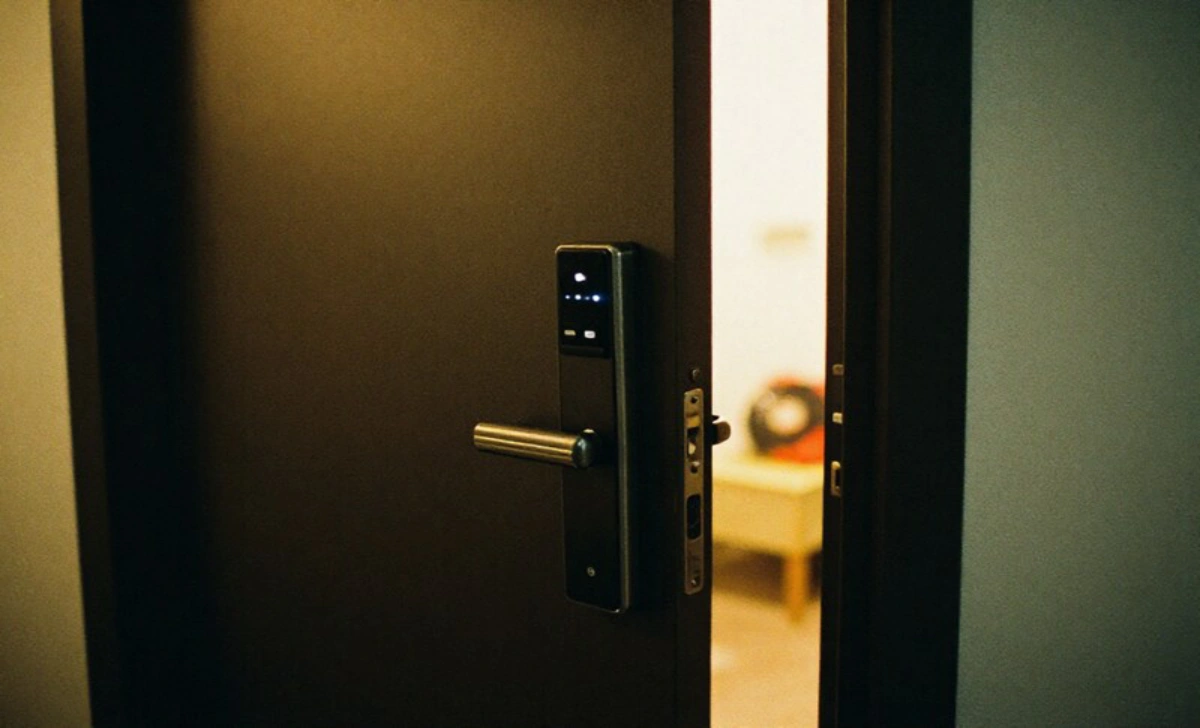
Welcome lighting creates an inviting atmosphere when you arrive home. Your door unlocks, lights turn on to 50% brightness, and your favorite music starts playing. All from a single automation.
Away mode simulates occupancy when you travel. Lights turn on and off in random patterns. TV noise plays occasionally. It’s more convincing than leaving one light on all week.
Smart plugs control lamps without rewiring. Matter-enabled options from Tapo cost less than $7 each when bought in multipacks. They work with every major platform and provide energy monitoring.
Kitchen Workspace
Task lighting over counters helps with meal prep. Motion sensors detect when you enter and brighten lights to full power. They dim automatically after 10 minutes of no movement.
Leak detectors under sinks catch problems before they become disasters. Water damage repairs cost thousands. A $30 sensor that alerts your phone is cheap insurance.
Smart displays like the Google Nest Hub Max let you pull up recipes hands-free. Voice control means you don’t touch your phone with messy hands. Video calling helps when you need cooking advice from family.
Bedrooms for Better Sleep
Wake-up lights gradually brighten over 30 minutes before your alarm. Your body responds to light changes and wakes more naturally. No more jarring alarm sounds.
Blackout automation closes smart shades at sunset. Your bedroom stays dark for better sleep. They open at sunrise or your wake time to help you get up.
Philips Hue Twilight specializes in wake-up routines. It starts extremely dim and increases brightness smoothly. The gradient feels natural rather than jarring.
Bathrooms and Utility Rooms
Humidity-triggered exhaust fans prevent mold growth. They run for 15 minutes after your shower, then shut off automatically. You never forget to turn them on or waste energy running them too long.
Night lights with motion sensors provide gentle illumination for midnight bathroom trips. Low lumen levels don’t wake you fully. Warm color temperatures around 2700K work best.
Occupancy sensors in laundry rooms turn lights on when you enter with full hands. They’re more convenient than fumbling for a switch while carrying a basket.
Choosing the Right Devices
Matter certification ensures devices work across platforms. Look for the official Matter logo on packaging. Don’t assume Thread support means Matter compatibility. Some Thread devices only work with specific platforms like Apple HomeKit.
Check your existing hubs before buying. Apple TV 4K, HomePod Mini, and newer Echo devices include Thread border routers. You might not need additional hardware.
Local control matters during internet outages. Matter devices typically work locally, but verify this feature before purchasing. Cloud-dependent devices become useless when your connection drops.
Quality Indicators
Professional reviews matter more than star ratings. Many positive reviews come from people who’ve used devices for just days. Look for long-term testing that covers firmware updates and reliability over months.
Firmware update frequency shows manufacturer commitment. Companies that release regular updates fix bugs and add features. Those who abandon products leave you with security vulnerabilities.
Warranty length indicates quality confidence. Premium manufacturers offer 3-5 year warranties. Budget brands typically provide 1 year. Extended protection plans rarely pay off for devices under $100.
Budget-Friendly Approaches
Start with one room and prove the value. Most people give up on smart homes when they buy everything at once and spend weeks configuring it. Begin with bedroom lighting or living room automation.
Prioritize high-impact devices. Smart switches in frequently used rooms deliver more value than novelty items like smart trash cans. Motion-activated lights in hallways prevent stubbed toes and are actually used daily.
Wait for sales on premium brands. Black Friday and Prime Day bring genuine discounts of 30-40%. Stock up on smart plugs and bulbs during these events. Avoid buying security devices from unknown brands, even when cheap.
Troubleshooting Common Issues
Power cycle devices when they stop responding. Unplug for 30 seconds, then plug back in. This clears temporary glitches. If problems persist, the issue runs deeper.
Check your network first when multiple devices fail. Router problems affect everything. Log in to your router interface and verify it’s online and stable.
Move border routers closer to problem devices. Thread and Zigbee networks need strong signal paths. Adding a smart plug between your hub and distant sensors strengthens the mesh.
Automation Failures
Verify trigger conditions actually occur. Your automation might work perfectly, but the trigger never happens. Check logs to see if the sensor fired or the time condition was met.
Remove delays that confuse. Complex automations with multiple delays often fail. Simplify by creating separate automations that trigger sequentially rather than one massive routine.
Test in small steps to isolate problems. Disable half your actions and see if the automation runs. Add actions back one at a time until you find the culprit.
Platform-Specific Issues
iOS users need updated software for HomeKit reliability. Each iOS update fixes bugs in the Home app. Update your iPhone, iPad, and HomePods together to avoid version mismatches.
Android users should check Google Home updates separately. The app updates independently of your Android version. Check the Play Store manually if devices aren’t responding properly.
Alexa routines sometimes need recreation after updates. If a routine stops working after an app update, delete and rebuild it. Amazon’s backend changes occasionally break old routines.
Cost Analysis and ROI
Entry-level setups start around $300-400. This includes a smart speaker with Thread support, a few smart plugs, and basic sensors. You’ll control lights and get presence detection.
Mid-range systems run $1,000-1,500. Add smart switches, a video doorbell, smart locks, and a thermostat. This covers most automation needs without premium pricing.
Premium installations exceed $3,000-5,000. Professional-grade components from Lutron, Control4, or similar companies deliver maximum reliability. This makes sense for large homes or when resale value matters.
Energy Savings
Smart thermostats reduce heating and cooling costs by 10-20%. A typical household spending $150 monthly on utilities saves $15-30 per month. The thermostat pays for itself in under a year.
Automated lighting cuts electricity waste. Lights that turn off automatically when rooms are empty save 5-10% on lighting costs. Motion sensors in garages and storage areas deliver the highest savings.
Smart plugs reveal vampire power drain. Many devices draw power when “off.” Plugs that cut power eliminate this waste. Identify the worst offenders with energy monitoring features.
Future-Proofing Your Investment
Start with systems that grow with you. Matter support ensures new devices integrate easily. Avoid proprietary systems that force you to buy from one manufacturer forever.
Choose hubs with good track records. Companies like Apple, Google, and Amazon will support their platforms for years. Smaller companies might disappear and leave your devices orphaned.
Prefer devices with firmware update capability. Hardware that can be updated stays relevant longer. Some cheap devices never receive updates and become obsolete quickly.
Emerging Technologies
Energy management features arrive in 2025-2026. Matter 1.5 adds support for monitoring and controlling energy use across your entire home. This helps optimize costs during peak pricing periods.
Camera integration improves with Matter 1.5. Native camera support means you won’t need manufacturer apps anymore. Control everything from your preferred platform.
Vehicle integration connects cars to smart homes. Unlock your garage as you approach. Pre-heat or pre-cool your car based on your departure schedule. This technology matures throughout 2025.
Final Thoughts
Whitelovers’ smart home philosophy strips away complexity and focuses on what matters: devices that work reliably, protect your privacy, and integrate seamlessly. Start with high-impact rooms and essential devices. Build slowly and test thoroughly.
The smart home market finally matured in 2025 with the Matter protocol removing compatibility barriers. Thread networks provide reliable local control. Prices dropped on essential devices like smart plugs and switches.
Don’t chase every new gadget. Focus on automations that save time or energy in ways you’ll actually notice. Your smart home should fade into the background and just work.