What is a Mattress in a Box? Complete Buying Guide
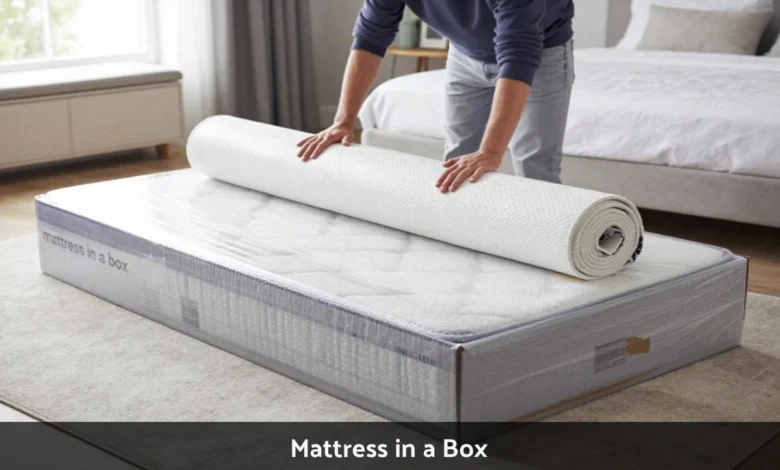
A mattress in a box is a compressed, rolled mattress shipped directly to your door in compact packaging. Once unboxed, it expands to full size within 24 to 48 hours. These mattresses typically feature memory foam, hybrid construction, or latex materials and offer convenient delivery without sacrificing quality.
How the Mattress in a Box Concept Works
The Mattress in a Box industry changed how people buy beds. Companies compress mattresses using specialized machinery, roll them tightly, and seal them in protective plastic. This process reduces the mattress size by up to 75%, making shipping and handling simple.
When you order, the mattress arrives at your door in a manageable box. You carry it to your bedroom, unbox it, and watch it expand. The foam regains its original shape through a process called “off-gassing,” where trapped air releases and the materials decompress.
Most mattresses reach 90% expansion within a few hours. Full expansion takes 24 to 48 hours, though you can sleep on it the first night. The initial chemical smell from the packaging fades quickly with proper ventilation.
Key Materials Used in Boxed Mattresses
Memory Foam Construction
Memory foam mattresses make up a large portion of the boxed mattress market. This material molds to your body shape, providing pressure relief for shoulders, hips, and lower back. The foam responds to heat and weight, creating a customized sleep surface.
Modern memory foam includes cooling technologies. Gel infusions, open-cell structures, and copper particles help regulate temperature. These additions address the heat retention issues older memory foam models had.
Hybrid Mattress Design
Hybrid mattresses combine foam comfort layers with innerspring support. The coil base provides bounce and airflow, while foam layers offer pressure relief. This combination appeals to sleepers who want both support and contouring.
Quality hybrid mattresses use individually wrapped coils, also called pocketed coils. These coils move independently, reducing motion transfer between sleep partners. The coil count typically ranges from 800 to 1,000 for a queen-size.
Latex Options
Natural latex mattresses offer an eco-friendly alternative. Latex comes from rubber tree sap and provides responsive support with a slight bounce. The material naturally resists dust mites and mold.
Two manufacturing processes create latex foam. Dunlop latex is denser and firmer, while Talalay latex feels softer and more uniform. Both types work well in compressed packaging, though they’re less common than memory foam options.
Comparing Boxed vs Traditional Mattresses
Delivery and Setup Differences
Traditional mattresses require professional delivery and setup. Delivery teams navigate tight spaces, remove old mattresses, and position the new bed. This service costs extra and requires scheduling around your availability.
Boxed mattresses eliminate these hassles. The compact package fits through narrow hallways and up staircases. One person can typically handle the box, though having help makes the process easier. Setup takes minutes, not hours.
Price Point Comparison
Boxed mattresses cost 30% to 50% less than comparable traditional mattresses. The direct-to-consumer model cuts out middlemen, showroom expenses, and commissioned salespeople. These savings transfer to customers.
A quality queen-size boxed mattress ranges from $600 to $1,200, while traditional mattresses with similar features cost $1,500 to $3,000. Budget options start around $300 for boxed mattresses, making comfortable sleep accessible to more people.
Trial Periods and Warranties
Most boxed mattress companies offer 100-night trial periods. You sleep on the mattress for over three months before committing. If unsatisfied, the company arranges pickup and provides a full refund.
Traditional mattress stores typically allow 30 to 90 days for returns, with restocking fees of 10% to 20%. Some stores offer no returns at all. The generous trial periods of boxed mattresses reduce purchase risk.
Warranties for both types usually span 10 to 20 years. Boxed mattress warranties often match or exceed traditional mattress coverage. Read the fine print about what qualifies as a defect and whether the warranty is prorated.
Choosing the Right Firmness Level
Soft vs Medium vs Firm Options
Firmness affects sleep quality more than any other factor. The scale runs from 1 (softest) to 10 (firmest), with most mattresses falling between 3 and 8. Personal preference, body weight, and sleep position determine your ideal firmness.
Soft mattresses (3-4 on the scale) suit side sleepers under 130 pounds. The plush surface cushions pressure points without proper support for heavier individuals. Medium mattresses (5-6) work for most sleepers and accommodate different positions.
Firm mattresses (7-8) benefit back and stomach sleepers, especially those over 230 pounds. The solid surface prevents sinking and maintains spinal alignment. Extra-firm options (9-10) serve specific needs like severe back pain or personal preference.
Body Weight Considerations
Your weight influences how a mattress feels. A 120-pound person finds a medium-firm mattress firm, while a 250-pound person finds the same mattress soft. Manufacturers design mattresses for average weight ranges, typically 130 to 230 pounds.
Lighter sleepers (under 130 pounds) need softer mattresses. Their bodies don’t compress firm mattresses enough to reach comfort layers. Heavier sleepers (over 230 pounds) require firmer support to prevent excessive sinking.
Look for mattresses with reinforced edges and high-density base layers if you exceed 230 pounds. These features prevent premature sagging and extend mattress lifespan. Some companies offer mattresses specifically designed for heavier individuals.
Sleep Position Guidelines
Side sleepers need softer mattresses that cushion shoulders and hips. These areas carry the most pressure when sleeping on your side. A mattress too firm causes numbness and tossing throughout the night.
Back sleepers benefit from medium to medium-firm mattresses. This firmness level supports the natural curve of the spine while cushioning pressure points. The surface prevents the hips from sinking too deeply.
Stomach sleepers require firmer mattresses. Sleeping on your stomach places stress on the lower back, and a soft mattress increases this strain. A firm surface keeps the body aligned and reduces morning stiffness.
Essential Buying Considerations
Foundation Requirements
Boxed mattresses need proper support to perform well and maintain warranties. Most manufacturers require a solid platform, a slatted base with slats no more than 3 inches apart, or a box spring in good condition.
Platform beds work perfectly with memory foam and hybrid mattresses. The solid surface distributes weight evenly and prevents sagging. Adjustable bases also pair well with boxed mattresses, offering customizable positioning for reading or sleeping.
Old box springs with broken or sagging springs void warranties. The uneven support causes premature indentations and reduces mattress life. Inspect your box spring before placing a new mattress on it.
Size Selection Guide
Mattress dimensions follow standard sizes, but measurements vary slightly between brands. Twin mattresses measure 38 by 75 inches, suitable for children or single adults. Twin XL adds 5 inches of length for taller individuals.
Full mattresses (54 by 75 inches) accommodate single adults or couples who don’t mind closeness. Queen size (60 by 80 inches) remains the most popular option, providing enough space for couples without overwhelming smaller bedrooms.
King mattresses (76 by 80 inches) offer maximum space for couples or families who co-sleep with children. California King (72 by 84 inches) trades width for length, benefiting taller individuals.
Return Policy Details
Return policies vary between companies, but most boxed mattress brands follow similar patterns. The trial period starts when you receive the mattress, not when you order it. Most companies require you to sleep on the mattress for at least 30 nights before initiating a return.
Some companies donate returned mattresses to charity, while others refurbish and resell them. A few brands charge return shipping fees, typically $50 to $150. Read the return policy carefully before purchasing.
Keep your order confirmation and all packaging materials during the trial period. Some companies require the original packaging for returns. Take photos of any defects you notice to support warranty claims.
Maximizing Your Mattress Lifespan
Proper Setup Steps
Unbox your mattress in the room where you’ll use it. The compressed package is easy to move, but the expanded mattress weighs 50 to 150 pounds, depending on size and materials. Clear a path and ensure adequate floor space.
Cut the outer packaging carefully to avoid damaging the mattress. Use scissors rather than knives. Remove all plastic wrapping and let the mattress expand on your bed frame. Avoid sleeping on it for the first 4 hours if possible.
Open windows to ventilate the room during expansion. The off-gassing smell, while non-toxic, can be unpleasant in enclosed spaces. Most odors dissipate within 24 hours. If smells persist beyond 72 hours, contact the manufacturer.
Regular Maintenance Tips
Rotate your mattress 180 degrees every three to six months. This practice distributes wear evenly and extends mattress life. Some mattresses have specific sleeping sides and shouldn’t be rotated. Check manufacturer instructions.
Use a mattress protector from day one. These covers shield against spills, dust mites, and body oils. Waterproof protectors with breathable tops maintain comfort while providing protection. Wash the protector monthly in hot water.
Vacuum your mattress quarterly using the upholstery attachment. This removes dust, dead skin cells, and allergens. Spot clean stains immediately with mild detergent and cold water. Avoid soaking the mattress, which can promote mold growth.
When to Replace Your Mattress
Most mattresses last 7 to 10 years with proper care. Signs you need a replacement include visible sagging of more than 1.5 inches, persistent back or neck pain, or waking up tired despite adequate sleep time.
Check for lumps, torn fabric, or exposed springs or foam. These indicate a structural breakdown. If you sleep better in hotels or other beds, your mattress has likely exceeded its useful life.
Allergies worsening over time suggest accumulated dust mites and allergens. Even with regular cleaning, mattresses collect biological materials that affect sleep quality and health. A new mattress often improves allergy symptoms.
Addressing Common Concerns
Motion Transfer in Shared Beds
Couples worry about feeling their partner’s movements during the night. Memory foam excels at isolating motion. The foam absorbs movement rather than transferring it across the surface. You won’t feel your partner getting in and out of bed.
Hybrid mattresses with pocketed coils also minimize motion transfer. The individually wrapped coils move independently, containing disturbances. Traditional innerspring mattresses with connected coils transfer the most motion.
Edge support differs between mattress types. Memory foam edges compress under weight, making it harder to sit comfortably or sleep near the edge. Hybrid mattresses typically offer better edge support through reinforced perimeter coils.
Temperature Regulation Features
Heat retention was a major complaint with early memory foam mattresses. Modern versions incorporate cooling technologies that significantly improve temperature regulation. Gel infusions draw heat away from the body.
Open-cell foam structures increase airflow through the mattress. Phase change materials absorb and release heat to maintain consistent temperatures. Copper and graphite infusions conduct heat away from sleep surfaces.
Hybrid mattresses naturally sleep cooler than all-foam models. The space between coils allows air circulation. Breathable cover fabrics made from bamboo, Tencel, or cooling fibers enhance temperature control.
Off-Gassing Smell Solutions
Off-gassing refers to the release of volatile organic compounds from foam materials. These compounds aren’t harmful but create a noticeable smell. CertiPUR-US certified foams contain no harmful chemicals and off-gas less than non-certified options.
Speed up off-gassing by ventilating the room. Open windows and use fans to circulate air. Some people leave the mattress in the garage for 24 hours before bringing it inside. This method works well in moderate climates.
Sprinkling baking soda on the mattress surface absorbs odors. Let it sit for several hours before vacuuming it off. This technique works for both new mattress smells and older odors from body oils and sweat.
Understanding Mattress Certifications
Quality certifications indicate safety and environmental standards. CertiPUR-US certification verifies foams are made without ozone depleters, mercury, lead, and other heavy metals. Certified foams also have low VOC emissions.
GREENGUARD Gold certification is stricter than CertiPUR-US. It tests for 360 VOCs and chemicals. Products meeting this standard are safe for sensitive individuals, including children and people with asthma.
OEKO-TEX Standard 100 certifies textiles and materials at every production stage. This European certification ensures materials contain no harmful substances. Some mattresses carry multiple certifications for different components.
Shopping Tips for Best Value
Timing Your Purchase
Memorial Day, Labor Day, and Black Friday offer the deepest discounts. Retailers clear inventory before new models arrive. President’s Day sales in February also feature strong mattress deals.
End-of-month timing can help when shopping at traditional stores. Salespeople work to meet monthly quotas and may negotiate more readily. This strategy doesn’t apply to most online boxed mattress retailers with fixed prices.
New mattress models launch in spring and fall. Wait for these releases if you want the latest features. Buy the previous year’s model at a discount if you’re budget-conscious. Performance differences between model years are usually minimal.
Reading Customer Reviews
Look for verified purchase reviews rather than anonymous posts. Verified buyers provide more reliable feedback. Read both positive and negative reviews to understand common experiences and potential issues.
Pay attention to the reviewer’s body weight, sleep position, and specific complaints or praise. A review from someone with your body type and sleeping style offers more useful information than general comments.
Check reviews across multiple platforms. Company websites might filter negative feedback. Third-party sites like Consumer Reports, Sleep Foundation, and mattress review blogs provide unbiased information.
Warranty Terms to Verify
Full warranties cover complete replacement cost throughout the warranty period. Prorated warranties require you to pay an increasing percentage as the mattress ages. A 10-year prorated warranty might cost you 50% of the replacement price at year 5.
Verify what constitutes a defect. Most warranties cover indentations deeper than 1 to 1.5 inches. Stains, burns, and damage from improper support void warranties. Keep receipts for your foundation or platform bed.
Some warranties require the original buyer and can’t be transferred to new owners. This limitation affects resale value. Extended warranties offered at checkout rarely provide value beyond standard manufacturer coverage.
FAQs About Mattresses in a Box
How long does it take for a mattress in a box to fully expand?
Most mattresses reach 90% expansion within 4 to 6 hours. Full expansion takes 24 to 48 hours. You can sleep on the mattress after a few hours, though waiting 24 hours ensures optimal comfort and support.
Can I use my old box spring with a new mattress in a box?
Yes, if the box spring is less than 10 years old and shows no sagging or broken springs. Inspect it carefully, as uneven support voids warranties. Platform beds and slatted bases (with slats under 3 inches apart) work better than old box springs.
Are mattresses in a box as good as traditional mattresses?
Quality boxed mattresses match or exceed traditional mattresses in comfort and durability. The compression and shipping process doesn’t affect performance. Many premium mattress brands now offer boxed options alongside traditional delivery.
What happens if I don’t like my mattress in a box?
Most companies offer 100-night trial periods. Contact customer service to initiate a return. The company arranges pickup, and you receive a full refund. Some brands require you to try the mattress for at least 30 nights before accepting returns.
Do mattresses in a box work on adjustable bases?
Yes, most boxed mattresses work perfectly on adjustable bases. Memory foam and latex mattresses are especially flexible. Check product specifications to confirm compatibility. Some innerspring hybrid models may have limitations.
How do I dispose of my old mattress?
Many mattress companies offer free old mattress removal with delivery. Local charities accept gently used mattresses. Recycling centers in many cities dismantle mattresses and recycle components. Check local regulations, as some areas prohibit mattress disposal in regular trash.