What Does Contingent Mean in Real Estate? A Complete Guide for 2026
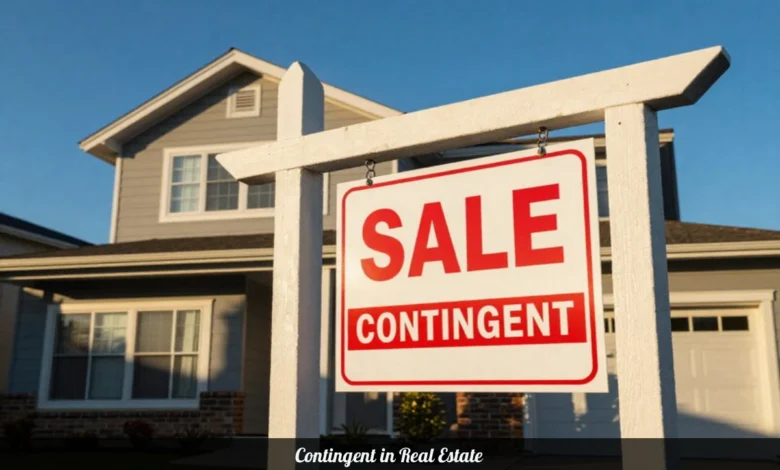
A contingent listing in real estate means the seller has accepted an offer, but the sale depends on certain conditions being met before closing. These conditions protect potential home buyers from problematic listings or unforeseen transaction issues. If the conditions aren’t satisfied within the agreed timeframe, either party can cancel the deal without penalty.
You’re scrolling through home listings when you spot your dream house. You click on it, ready to schedule a showing. Then you see it: “Status: Contingent.”
Your heart sinks a little. Does this mean you’ve already lost your chance?
Not quite. Understanding what “contingent” means can actually open doors you didn’t know existed. According to industry data from 2025, approximately 82% of homebuyers include at least one contingency in their purchase offer. Most deals move forward just fine, but some don’t.
That’s where your opportunity lies.
What Does Contingent Mean in Real Estate
When a seller accepts an offer from a buyer, but the sale isn’t yet final, the property becomes contingent. Think of it as a provisional acceptance. The buyer has made an offer. The seller said yes. But certain checkboxes still need ticking before anyone signs final paperwork.
These checkboxes are called contingencies. There are specific conditions written into the purchase agreement. Both parties agree that if these conditions aren’t met, the deal can fall through without legal consequences.
Why do contingencies exist? They protect buyers from making expensive mistakes. Imagine buying a house only to discover it needs $50,000 in foundation repairs. Or finding out your mortgage application was denied three days before closing. Contingencies prevent these nightmares.
The listing stays “contingent” until all conditions are satisfied. Once they are, the status changes to “pending,” and the property moves closer to closing.
Common Types of Real Estate Contingencies
The four most common contingencies are appraisal, inspection, loan, and home sale. Each serves a different purpose, but all aim to protect the buyer’s interests.
Home Inspection Contingency
This is the most popular contingency in real estate. The National Association of Realtors estimates that about 75% of buyers include a home inspection contingency in their contract. The buyer hires a professional inspector to examine the property within 7-10 days after the offer is accepted.
The inspector checks everything from the roof to the foundation, HVAC systems to electrical wiring. If they uncover major problems, the buyer can request repairs, negotiate a lower price, or walk away entirely while keeping their earnest money deposit.
Appraisal Contingency
In March 2025, 81% of purchase contracts had at least one contingency, according to the National Association of Realtors. The appraisal contingency ranks among the most critical.
Your lender won’t loan you more money than the home is worth. If you agree to pay $400,000 but the house appraises at $380,000, you face a $20,000 gap. The appraisal contingency lets you renegotiate the price, ask the seller to cover the difference, or cancel the contract without penalty.
Financing Contingency
Also called a mortgage contingency, this clause gives buyers time to secure loan approval. The clause specifies a window of time in which the buyer must obtain financing to purchase the home. If the buyer doesn’t secure a mortgage by the deadline, they can withdraw without losing their deposit.
Most states require this contingency for buyers using financing. You typically have 30-60 days to get final loan approval.
Home Sale Contingency
This contingency makes your offer conditional on selling your current home first. You can’t buy a new house if you’re still paying for your old one. The home sale contingency protects you financially.
Sellers often dislike this contingency because it adds uncertainty. In competitive markets, offers with home sale contingencies usually lose to cleaner offers.
Title Contingency
This provides the purchaser the right to obtain a title search and raise any objections to the status of the title to the property, which must be cleared by the seller. Title issues could include outstanding liens, ownership disputes, or unpaid taxes. If the title isn’t clean, you can back out.
Contingent vs Pending: What’s the Difference
People often confuse these two statuses. Here’s the breakdown.
Contingent tells you there’s an accepted offer, but there are still hurdles to clear. Pending signals that those hurdles are mostly behind you, and closing is on the horizon.
When a property is contingent, conditions haven’t been met yet. The buyer might still be waiting for inspection results, appraisal reports, or loan approval. The deal could still fall through if any contingency isn’t satisfied.
A pending property means the seller has accepted an offer, and all contingencies are met or waived. The property is no longer an active listing. Both parties are just waiting for the legal paperwork to be processed and the closing date to arrive.
While nothing in real estate is ever 100% certain until the closing documents are signed, pending signals a significant risk reduction.
Think of it this way: contingent means “maybe,” while pending means “almost definitely.”
Can You Make an Offer on a Contingent House
Yes, you can.
Just because a property is contingent doesn’t mean it’s completely off the market. Deals sometimes fall through if contingencies aren’t met, which means another buyer could have a chance.
Smart buyers look at contingent properties as potential opportunities. Contingencies are the number one reason for a home sale falling through after the seller has accepted the buyer’s offer.
If you want to pursue a contingent property, submit a backup offer. This puts you first in line if the original deal collapses. Your real estate agent can contact the listing agent to learn details about the existing contract. How strong is the current buyer? What contingencies are still outstanding? Are they accepting backup offers?
Some sellers actively welcome backup offers because they provide insurance. If the first buyer walks away, they can immediately move to the second offer without relisting the property.
Your best strategy: make your offer as clean as possible. Minimize contingencies where you can. Get pre-approved for your mortgage before submitting. Show the seller you’re ready to close quickly if their current deal fails.
Different Types of Contingent Status
Not all contingent listings are created equal. The Multiple Listing Service (MLS) uses different subcategories to provide more detail.
Contingent on the Kick-Out Clause
A kick-out clause in real estate allows the seller to accept a contingent offer while still considering other offers. If a better offer comes along, the seller can “kick out” the contingent buyer and proceed with the new offer.
The original buyer typically gets 24-48 hours to remove their contingencies or lose the house. This protects sellers from being stuck with risky contingent offers.
Contingent No Kick-Out
A contingent no kick-out means that the seller cannot accept any other offers while waiting for the original contingent offer to finalize. The seller has committed fully to the first buyer and won’t entertain competing bids.
Contingent Short Sale
This status appears when the seller owes more on their mortgage than the home’s value. The sale requires lender approval, which can take months. Short sale contingencies add complexity and uncertainty to transactions.
Should You Waive Contingencies to Win a Bidding War
Market conditions drive this decision more than anything else.
In hot seller’s markets with low inventory and multiple offers, waiving contingencies makes your offer more attractive. According to NAR, 24% of homebuyers waived the appraisal contingency, and 20% waived the inspection contingency.
Removing contingencies shows sellers you’re serious and reduces their risk. But it also puts you at risk.
Waive the inspection contingency, and you could buy a house with $30,000 worth of hidden damage. Waive the appraisal contingency, and you might overpay by tens of thousands of dollars. Waive the financing contingency, and you could lose your earnest money deposit if your loan falls through.
Before waiving any contingency, ask yourself these questions:
- Can I afford to walk away from my earnest money deposit?
- Am I comfortable buying this house “as-is” without an inspection?
- Do I have enough cash to cover an appraisal gap?
- Is my financing rock-solid, or could something go wrong?
Work closely with your real estate agent. They understand local market conditions and can advise you on which contingencies to keep and which ones you might safely remove.
Some buyers take a middle approach. They keep their inspection contingency but shorten the timeframe from 10 days to 5 days. Or they include an appraisal gap clause, agreeing to cover any difference up to a certain amount.
How Long Does a Contingent Status Last
The timeline varies based on which contingencies are in place and what the contract specifies.
Most contingency periods run 7-30 days. Inspection contingencies typically give you 7-10 days. Financing contingencies usually allow 30-45 days for loan approval. Home sale contingencies can stretch 60-90 days or longer.
The purchase agreement spells out exact deadlines for each contingency. Miss a deadline, and you might lose your right to invoke that contingency.
Expect the pending phase to run 30 to 45 days while buyers schedule a closing. Add contingency periods to that timeframe, and you’re looking at 60-90 days from accepted offer to closing in many cases.
Some deals move faster. Cash buyers without financing contingencies can close in 2-3 weeks. Other deals drag on for months, especially if they involve construction, short sales, or complex title issues.
What Happens When Contingencies Aren’t Met
The buyer has a choice.
They can walk away from the deal and get their earnest money deposit back. The contract becomes void. The seller relists the property and starts over.
Or they can try to negotiate. Maybe the inspection revealed problems, but the buyer still wants the house. They might ask the seller to make repairs or reduce the purchase price to compensate. If the seller agrees, the deal moves forward.
Sometimes buyers choose to proceed anyway, removing the contingency despite unfavorable results. Maybe they love the house too much to walk away. Or perhaps they’ve already invested time and emotion into the purchase.
If negotiations fail and neither party budges, the deal dies. In June 2024, the National Association of Realtors found 5% of purchase agreements had been terminated before closing within the past three months, while 12% of sales had delayed settlements, and 7% were delayed due to appraisal issues.
Red Flags to Watch for with Contingent Properties
Not every contingent property offers a good opportunity. Watch for these warning signs.
Long Contingency Periods
If a property has been contingent for 90+ days, something is likely wrong. The buyer might have unrealistic financing expectations. The seller might be difficult to work with. Or there could be title issues holding everything up.
Multiple Failed Contracts
Check the listing history. If this property went contingent three times in the past six months but never closed, major problems likely exist. Maybe it has significant structural damage. Maybe the seller refuses to negotiate reasonably.
Short Sale Contingencies
Short sales require lender approval, which can take months. Banks move slowly. They might reject the sale entirely. You could wait half a year only to watch the deal collapse.
Vague Listing Details
If the listing provides minimal information about the property’s condition, contingencies, or status, proceed carefully. Transparency matters. Agents who hide information usually have something to hide.
Final Thoughts
Contingent doesn’t mean unavailable. It means conditional.
About 95% of contingent offers that satisfy their conditions proceed to closing. But that other 5% creates opportunities for savvy buyers willing to submit backup offers.
Understanding contingencies protects you whether you’re making an offer or considering a contingent property. They’re not obstacles—they’re safety nets designed to prevent expensive mistakes.
The key is knowing which contingencies you truly need and which ones might make your offer less competitive. Your real estate agent and mortgage lender can guide you through these decisions based on your specific situation and local market conditions.
Keep watching those contingent listings. One buyer’s complications could become your dream home.
FAQs
Can sellers back out of contingent offers?
Yes, but only under specific circumstances. If buyers fail to meet contingency conditions within agreed timeframes, sellers can cancel the contract. Some contracts include kick-out clauses that let sellers accept better offers even after accepting a contingent one.
How often do contingent offers fall through?
Most contingent offers close successfully. Industry data shows roughly 5% of contracts terminate before closing, with financing and appraisal issues being the most common reasons deals collapse.
Should first-time buyers include more contingencies?
First-time buyers typically benefit from including inspection, appraisal, and financing contingencies. These protections are especially valuable when you’re unfamiliar with the homebuying process and home maintenance issues.
What’s the difference between removing and waiving a contingency?
Removing a contingency means the condition has been satisfied. Waiving a contingency means you’re voluntarily giving up that protection without the condition being met. Waiving carries more risk.
Can you make an offer on a property that’s already pending?
You can, but your chances are slim. Pending means all contingencies are satisfied, and the deal is heading to closing. Some sellers still accept backup offers on pending properties, but most don’t.