Wall Installation Benefits for Home and Office Spaces
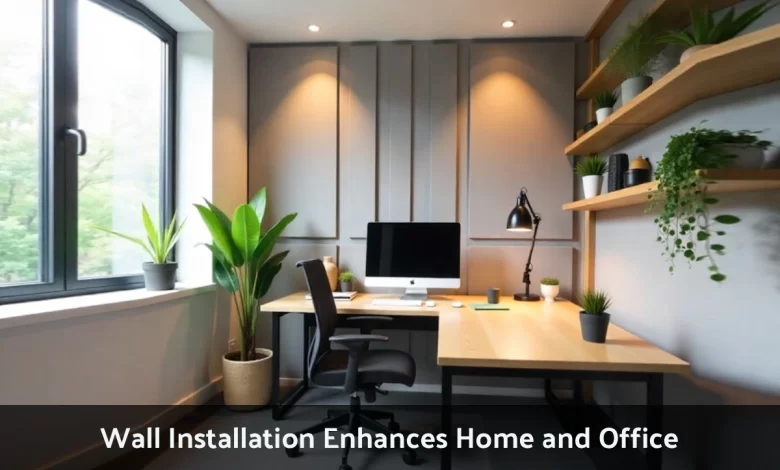
Wall installation transforms home and office spaces by creating privacy, reducing noise, and improving productivity. Options range from acoustic panels and movable partitions to living walls and traditional drywall. Each type offers specific benefits based on your space requirements, budget, and whether you need permanent or flexible solutions.
Why Wall Installation Matters in 2025
Remote and hybrid work models remain standard in 2025, with employees continuing to split time between home and office. This ongoing shift creates a persistent demand for a dedicated workspace that separates professional activities from personal life.
Installing walls addresses multiple challenges simultaneously. You gain privacy for video calls, control noise from household activities, and create visual boundaries that help maintain work-life balance. Research shows that green working environments can increase productivity by 15%, while proper acoustic treatment reduces stress and improves focus.
Commercial spaces face similar pressures. Open offices need flexibility to accommodate different work styles. Some employees need quiet zones for deep work, while others thrive in collaborative areas. Wall installations make these configurations possible without expensive renovations.
The right wall installation pays for itself through improved property value, lower energy costs, and better space utilization. Understanding your options helps you choose the solution that fits your specific needs.
Types of Wall Installation for Different Needs
Different wall types serve different purposes. Here’s what you need to know about each option.
Acoustic panels reduce echo and improve sound quality in any room. They absorb sound waves rather than reflecting them into the space. Office acoustic panels make work environments quieter and more productive by minimizing background noise and improving speech clarity. These panels mount directly to existing walls and come in various materials, including foam, fabric, and wood.
Partition systems create flexible room divisions without permanent construction. Movable walls slide, fold, or stack to reconfigure spaces quickly. High-quality acoustic movable walls achieve sound ratings up to 59dB, making them effective barriers for confidential conversations. Glass partitions maintain visual connection while providing sound separation, ideal for modern offices that balance openness with privacy. Installation typically takes days rather than weeks, and businesses can continue operating in adjacent areas during setup.
Feature walls add visual interest and define workspace zones. They use color, texture, or materials to create focal points that improve mood and motivation. Color psychology plays a significant role. Blue tones promote calm and focus, green connects to nature and reduces stress, while yellow energizes the environment. Wood paneling, textured surfaces, and bold paint colors transform basic walls into design statements that enhance professional appearance during video calls.
Living walls bring nature indoors through vertical gardens. One square meter of living wall extracts 2.3 kg of CO2 per year and produces 1.7 kg of oxygen. These installations reduce air conditioning requirements by 33%, resulting in significant energy savings. Living walls absorb 41% more sound than traditional walls, reducing ambient noise by 8 dB. The combination of air purification, temperature regulation, and noise reduction makes living walls particularly valuable in urban environments where air quality concerns persist.
Traditional drywall construction creates permanent room divisions. This approach works when you need structural walls that won’t move. Drywall installations require careful planning around building codes, electrical wiring, and structural considerations. The process takes longer than other options but provides solid, permanent boundaries. Load-bearing walls support structural weight and require professional assessment before any modifications. Non-load-bearing walls offer more flexibility for creating new room configurations.
Privacy and Noise Control Benefits
Privacy matters for both home and office environments. Wall installations create physical and acoustic barriers that prevent conversations from traveling between spaces.
Sound transmission affects productivity more than most people realize. Open layouts create constant background noise that disrupts concentration. Phone calls, keyboard typing, and casual conversations blend into a distracting hum that makes focus difficult. Acoustic solutions address this problem directly by trapping noise rather than bouncing it around the room.
Privacy needs differ by situation. Home offices require separation from household activities. Children playing, TVs running, and normal household noise all interfere with professional work. Installing walls with proper acoustic treatment blocks these distractions effectively.
Commercial spaces need confidential zones for sensitive discussions. Legal consultations, medical appointments, and business negotiations require complete privacy. Partition systems with high sound ratings ensure conversations stay private. Some installations achieve performance comparable to traditional fixed walls while maintaining flexibility for future reconfigurations.
Visual privacy also matters. Not every task requires isolation, but some work benefits from reduced visibility. Glass partitions with frosted finishes provide separation while allowing natural light to flow through spaces. This maintains the open feel that many modern offices prefer while still creating defined work zones.
The combination of visual and acoustic privacy creates environments where people can focus on their work without constant distractions from surrounding activities.
Productivity and Focus Improvements

The right environment directly impacts work quality. Wall installations contribute to productivity through several mechanisms.
Defined workspaces signal your brain that it’s time to focus. When your home office has clear boundaries, you mentally shift into work mode more easily. This separation helps maintain concentration throughout the day and creates psychological distance between work and personal time.
Noise reduction improves cognitive performance. Background noise reduces working memory and increases stress hormones. Creating quieter environments through wall installation and acoustic treatment allows deeper focus on complex tasks. This becomes especially important for work requiring sustained attention or creative problem-solving.
Natural elements boost mental well-being. Biophilic design incorporates plants and natural materials into workspaces. This connection to nature reduces stress and improves mood. Living walls exemplify this approach by bringing vegetation directly into the environment. People living or working near vertical gardens experience deeper happiness, enhanced cognitive function, and reduced stress levels.
Temperature control contributes to comfort and productivity. Exterior living walls reduce thermal energy absorption, preventing heat from entering buildings. This keeps spaces cooler without excessive air conditioning use. Interior installations balance humidity levels and improve airflow, creating more comfortable working conditions year-round.
Flexible spaces adapt to changing work needs. Movable partition systems let you reconfigure rooms based on daily requirements. Large collaborative areas transform into smaller meeting rooms when needed. This flexibility supports different work styles without requiring multiple dedicated spaces that sit empty most of the time.
Property Value and ROI Considerations
Wall installation affects property value in measurable ways. The return depends on the type of installation and how it improves functionality.
Creating additional defined rooms increases home value. Buyers pay premiums for properties with dedicated home offices, especially since remote work remains common in 2025. Converting unused space into functional rooms through wall installation makes properties more attractive to potential buyers.
Energy efficiency improvements reduce monthly costs. Living walls cut air conditioning requirements by 33%, creating immediate savings on utility bills. These reductions compound over time, making the initial investment more attractive. Properties with documented energy savings appeal to environmentally conscious buyers willing to pay more for sustainable features.
Commercial properties benefit from adaptable layouts. Tenants require different space configurations based on their business needs. Buildings with flexible partition systems can accommodate various tenants without expensive custom buildouts. This versatility reduces vacancy periods and attracts quality tenants willing to pay competitive rates.
Brand reputation improves with thoughtful design choices. Offices featuring living walls or sophisticated acoustic installations create positive impressions on clients and visitors. These design elements signal professionalism and attention to employee well-being, potentially attracting better talent and business opportunities.
Cost avoidance represents another form of return. Movable walls eliminate expensive renovation costs when space requirements change. Companies can reconfigure layouts multiple times without demolition expenses or construction downtime. This flexibility proves particularly valuable for growing businesses that frequently reorganize their operations.
Choosing the Right Wall Installation
Selecting the appropriate wall type requires evaluating your specific needs and constraints.
Start by defining your primary goal. If noise reduction tops your priority list, acoustic panels or high-rated partition systems make sense. If you want visual impact during video calls, feature walls deliver better results. Living walls work best when you want multiple benefits, including air quality improvement and temperature regulation.
Consider permanence requirements. Temporary or semi-permanent solutions like partition systems work well when future changes seem likely. Growing families, evolving businesses, or rental situations benefit from flexibility. Permanent drywall makes sense when room configurations won’t change or when structural walls become necessary.
Budget affects options significantly. Acoustic panels and feature walls typically cost less than full partition systems or living walls. Traditional drywall falls in the middle range. Living walls require ongoing maintenance costs for irrigation and plant care that other options don’t need.
Installation timeframe matters for active spaces. Partition systems are installed in days with minimal disruption. Drywall construction takes weeks and creates dust, noise, and workspace interruptions. Consider whether you can afford downtime or need solutions that allow continued use of adjacent areas.
Maintenance requirements vary by wall type. Drywall and acoustic panels need minimal upkeep once installed. Partition systems require occasional track cleaning and mechanical adjustments. Living walls demand regular plant care, irrigation monitoring, and seasonal plant replacement. Factor these ongoing needs into your decision.
Installation Timeline and Cost Factors
Understanding what to expect helps you plan effectively and avoid surprises.
Timeline varies significantly by wall type. Acoustic panel installation takes hours to a few days, depending on the coverage area. Feature wall painting or paneling is completed in one to three days for typical rooms. Partition system installation requires two to five days, including track mounting and panel fitting. Living wall installation takes one to two weeks, including structural preparation, irrigation setup, and plant installation. Traditional drywall construction spans two to four weeks, including framing, hanging, taping, mudding, sanding, and finishing.
Cost ranges reflect complexity and materials. Basic acoustic panels start around $50 per panel, with professional installation adding labor costs. Feature walls range from $500 to $3,00,0, depending on materials and room size. Movable partition systems cost $75 to $150 per square foot installed. Living walls run $150 to $300 per square foot plus ongoing maintenance. Traditional drywall costs $1.50 to $3 per square foot for materials and labor.
Several factors affect final costs. Ceiling height increases material and labor requirements. Custom finishes, specialized acoustic ratings, or unique designs add premiums. Structural modifications for load-bearing considerations raise expenses considerably. Electrical work for outlets or lighting integration increases project complexity and cost.
Professional installation ensures proper performance and longevity. While some homeowners attempt DIY drywall or acoustic panel installation, complex projects benefit from experienced contractors. Partition systems and living walls almost always require professional installation to function correctly and meet warranty requirements.
Permits depend on project scope and local regulations. Simple acoustic panel or feature wall installations rarely need permits. Structural wall construction typically requires building permits and inspections. Check local requirements before starting any project to avoid complications or fines.
The right wall installation enhances your space functionally and aesthetically while delivering measurable returns through improved productivity, comfort, and property value.