Complete Guide to Vinyl Windows for Your Home
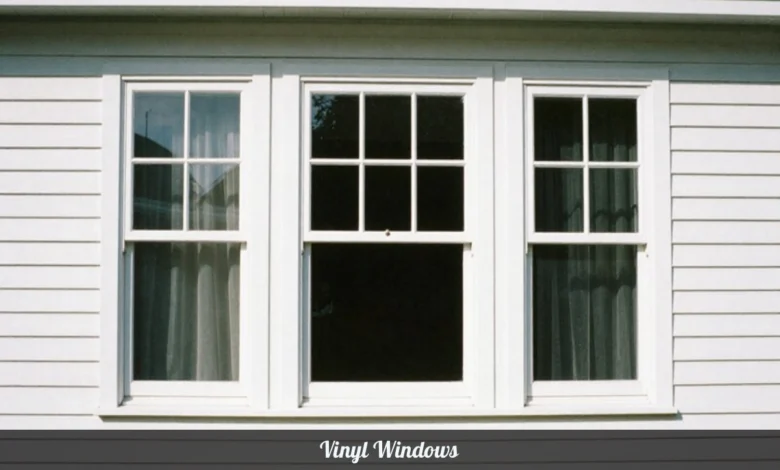
Vinyl windows are durable, energy-efficient window frames made from polyvinyl chloride (PVC). They require minimal maintenance, offer excellent insulation, and cost less than wood or fiberglass alternatives. Most homeowners choose vinyl for replacement projects because these windows resist rot, never need painting, and reduce energy bills by 20 to 30 percent annually.
What Makes Vinyl Windows Different
Vinyl windows use PVC as the primary frame material. This synthetic plastic blends ethylene and chlorine to create a weather-resistant structure that won’t decay when exposed to moisture.
You’ll find these windows in single-hung, double-hung, casement, sliding, and picture styles. The material works well for both new construction and replacement projects.
The global vinyl window market reached $30.67 billion in 2023 and continues growing at 4.5 percent yearly. North America accounts for 55.1 percent of commercial window sales, with vinyl dominating due to its cost-effectiveness and performance.
Construction and Materials
Standard vinyl windows use 99 percent virgin vinyl in their construction. Manufacturers weld the frames and sashes together rather than using mechanical fasteners. This creates stronger corners that resist air and water infiltration.
Frame depths typically measure 3.25 inches. Premium models add insulation foam between vinyl chambers to improve thermal performance.
The weatherstripping combines barrier-fin and bulb seal designs. This dual system blocks drafts more effectively than single-seal options.
Screen frames vary by quality level. Budget windows use roll-formed aluminum, while premium versions feature extruded aluminum that resists warping.
Types of Vinyl Windows
Double-Hung Windows
Both sashes slide vertically in double-hung windows. You can open them from the top or bottom for ventilation control. The sashes tilt inward for cleaning exterior glass from inside your home.
These windows fit traditional architectural styles. Prices start around $250 for standard sizes with basic glass packages.
Single-Hung Windows
The top sash stays fixed while the bottom sash moves up and down. Single-hung windows cost $50 to $100 less than double-hung models.
This design works well for bedrooms and living spaces where you need simple ventilation. Some models include tilt-in bottom sashes for cleaning.
Casement Windows
Casement windows hinge on one side and swing outward using a crank mechanism. They provide unobstructed views when open and excellent ventilation because you can angle them to catch breezes.
The tight seal when closed makes casements the most energy-efficient operating window style. They’re popular for modern homes and hard-to-reach locations.
Sliding Windows
Two or three panels slide horizontally on tracks. At least one panel moves while others stay fixed. These windows require minimal clearance space, making them ideal for rooms with limited wall space.
Basement applications often use sliding windows because they fit narrow openings. Prices range from $150 to $500, depending on size.
Picture Windows
Picture windows don’t open. The fixed glass maximizes your view and natural light while providing superior energy efficiency because there are no operating mechanisms to leak air.
Combine picture windows with casement or double-hung units for ventilation where needed.
Glass Options for Vinyl Frames
Standard Double-Pane Glass
Two glass layers with an air space between them provide basic insulation. This glass meets minimum energy codes in most climates.
Double-pane windows reduce heat transfer by 50 percent compared to single-pane glass.
Low-E Argon Glass
Low-emissivity coatings reflect heat to its source. In winter, heat stays inside. In summer, solar heat bounces away.
Argon gas fills the space between panes because it insulates better than air. This combination cuts energy loss by 30 to 40 percent versus standard double-pane glass.
Most vinyl window manufacturers now include Low-E argon glass as their baseline option.
Triple-Pane with Krypton
Premium packages use three glass layers with krypton gas between panes. Krypton molecules are larger than argon, creating better insulation in narrow spaces.
Triple-pane windows work best in extreme climates where heating or cooling costs justify the higher upfront price.
Energy Performance
Vinyl windows help reduce your heating and cooling expenses. The multi-chamber frame design creates thermal breaks that slow heat transfer.
North America leads vinyl window adoption because 42 percent of builders prioritize energy-efficient materials. Windows with proper insulation can lower your annual energy costs by $200 to $400.
Look for Energy Star certification when comparing windows. Northern climate zones require U-factors of 0.27 or lower. Southern zones need solar heat gain coefficients below 0.25.
The insulated glass thickness matters. Standard units measure 0.75 inches while premium options reach 1 inch.
Maintenance Requirements
Vinyl windows need almost no maintenance. The color goes through the entire material, so scratches don’t show white underneath like painted surfaces.
Clean frames twice yearly with mild soap and water. Avoid abrasive cleaners that can dull the finish.
Lubricate moving parts annually. Apply silicone spray to tracks, hinges, and locking mechanisms. This takes 15 minutes per window.
Check weatherstripping every fall. Replace torn or compressed seals to maintain energy efficiency.
Cost Considerations
Budget vinyl windows start at $250 to $350 for standard sizes. Mid-range options cost $400 to $600. Premium models with advanced features run $700 to $1,000 or more.
Installation adds $100 to $300 per window, depending on your location and project complexity. Full-frame replacements cost more than insert installations because they require more labor.
Bulk orders reduce per-unit costs. Some suppliers offer trade discounts of 15 to 25 percent for contractors or large residential projects.
Calculate your payback period. If new windows save $300 yearly on energy bills and cost $5,000 installed, you’ll recover your investment in 17 years. Most vinyl windows last 20 to 30 years.
Color and Finish Options
White vinyl dominates the market because it costs less and reflects heat. Interior and exterior surfaces both come in white.
Premium lines offer interior colors including beige, black, stone, and woodgrain textures. Some manufacturers provide 15 exterior paint colors.
Wood-grain finishes add visual warmth without requiring stain or sealant maintenance. These textured surfaces resist fading better than smooth painted finishes.
Custom colors increase window prices by 10 to 20 percent. Order samples before committing to ensure colors match your home’s exterior.
Installation Methods
New Construction
New construction windows include a nailing fin that attaches directly to wall studs. The fin sits behind exterior sheathing and siding.
This method provides the strongest weather seal. Windows arrive without interior trim, so you can match your home’s style.
Replacement Windows
Replacement windows fit inside existing frames. Installers remove old sashes but leave the frame in place if it’s structurally sound.
This approach costs less and causes minimal disruption. However, the new window slightly reduces your glass area because it adds thickness inside the old frame.
Full-frame replacements remove everything down to the rough opening. Choose this method when frames show rot or when you want to change window sizes.
Warranty Coverage
Most manufacturers offer lifetime warranties on vinyl frames. This covers cracks, peeling, and structural failures.
Glass seal warranties typically last 20 years. Failed seals show up as condensation between panes that you can’t wipe away.
Hardware warranties range from 2 to 10 years. Moving parts wear out faster than frames.
Paint warranties on custom colors last 10 to 15 years. Standard white finishes usually carry lifetime coverage.
Check whether warranties transfer to new homeowners. Non-transferable warranties lose value when you sell your house.
Comparing Vinyl to Other Materials
Vinyl costs 30 to 50 percent less than wood windows. Wood requires regular painting or staining every 3 to 7 years, while vinyl needs no finish maintenance.
Fiberglass windows offer slightly better energy performance but cost 20 to 40 percent more than vinyl. The strength difference rarely matters for residential applications.
Aluminum frames conduct heat easily, making them poor insulators. Vinyl provides superior thermal performance ata lower cost.
Wood-clad windows combine wood interiors with vinyl or aluminum exteriors. They cost more than pure vinyl but less than all-wood options.
Common Problems and Solutions
Condensation Between Panes
Failed seals let moisture enter the airspace between glass layers. You’ll see fog that doesn’t wipe away.
Replace the entire glass unit. Frame damage is rare, so you typically don’t need a complete window replacement.
Difficult Operation
Dirt buildup in the tracks makes the windows hard to slide. Clean tracks with a vacuum and wipe them down with a damp cloth.
Bent tracks cause binding. Replacement windows sometimes shift slightly after installation. Adjust the frame position or replace damaged track sections.
Air Leaks
Gaps between the window frame and rough opening let drafts through. Apply low-expansion foam insulation or backer rod with caulk.
Worn weatherstripping reduces seal quality. Replacement strips cost $5 to $15 per window and are installed in minutes.
FAQs
How long do vinyl windows last?
Quality vinyl windows last 20 to 30 years with proper maintenance. Premium models with reinforced frames and multiple glazing layers may last 35 to 40 years.
Can you paint vinyl window frames?
You can paint vinyl windows, but the finish won’t last as long as factory colors. Use paint specifically formulated for vinyl surfaces. Dark colors may cause warping if frames absorb too much heat.
Do vinyl windows increase home value?
New vinyl windows typically return 70 to 80 percent of their cost at resale. Energy-efficient upgrades appeal to buyers, especially in areas with extreme temperatures.
What’s the difference between standard and premium vinyl windows?
Premium windows include insulated frames, better hardware, advanced glass packages, and longer warranties. They cost 40 to 60 percent more but provide superior energy performance and durability.
Are vinyl windows safe in fires?
Vinyl melts at high temperatures but doesn’t support combustion like wood. Windows aren’t fire barriers regardless of frame material. Building codes don’t restrict vinyl window use based on fire safety.