Understanding Roofing Companies in Connecticut: Your Guide to Hiring the Right One
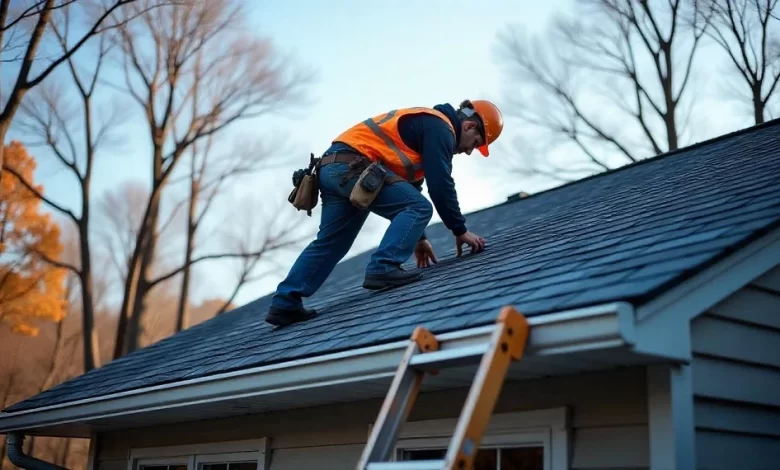
Your home in Connecticut faces brutal snowstorms, ice dams, and humid summers. A sturdy roof keeps it safe, but choosing among roofing companies in Connecticut can feel like a maze. This guide explains their services, what makes them reliable, and how to spot scams. You’ll learn to pick roofing companies in Connecticut that deliver quality without stress. Let’s break it down so you can make a smart choice.
What Roofing Companies in Connecticut Typically Offer
Roofing companies in Connecticut provide services tailored to the state’s harsh climate. Most offer full roof replacements, installing materials like asphalt shingles, metal roofing, cedar shake, or slate. Asphalt shingles dominate, covering 80% of Connecticut homes due to their affordability and ability to withstand heavy snow and rain. Repairs are common too, fixing leaks, damaged shingles, or flashing around chimneys and vents. Emergency repairs are critical after storms, with many firms offering 24/7 tarp installations or temporary patches to prevent water damage.
Some roofers specialize in unique services like slate roofing for historic homes or skylight installation for added light. Others focus on maintenance, such as clearing ice dams in winter or inspecting roofs for wear before storm season. Timelines depend on the job—full replacements take 1–3 days for average homes, while minor repairs might wrap up in a few hours. Ask about materials suited for Connecticut’s weather, like energy-efficient shingles that lower cooling costs or metal roofs that shed snow easily. Always clarify what services a roofer offers before signing a contract to avoid surprises.
What People Appreciate About Local Roofers
Homeowners value roofing companies in Connecticut that understand local challenges. Contractors in places like Fairfield or Hartford County know regional building codes and weather patterns. They design roofs to handle heavy snow loads or coastal salt air, which can corrode materials if not addressed properly. Quality craftsmanship makes a difference—think clean cuts, secure flashing, and spotless cleanup after the job.
Fair pricing is another big plus. Reputable roofing companies in Connecticut provide detailed, written estimates that break down labor, materials, and extras like permits or dumpster fees. Warranties give peace of mind—material coverage from brands like GAF or CertainTeed lasts 20–50 years, while workmanship guarantees range from 1–10 years. Certified roofers often provide extended warranties, which add value. Homeowners also appreciate clear communication—roofers who return calls promptly, explain delays, and keep you updated earn trust. Look for these traits when picking a contractor to ensure a smooth experience.
What to Watch Out For
Not all roofing companies in Connecticut are trustworthy. Pricing can vary wildly—quotes for similar jobs range from $4–25 per square foot depending on materials and labor. The Connecticut Department of Consumer Protection received over 200 roofing-related complaints in 2024, often about unlicensed contractors or shoddy work. Delays are common during peak seasons like summer, when schedules get packed. Poor communication, like unanswered calls or vague timelines, leaves homeowners frustrated and in the dark.
Licensing issues are a serious red flag. Every roofer in Connecticut needs a Home Improvement Contractor license, verifiable through the state’s website. Uninsured companies are a risk—if a worker gets injured on your property, you could face liability without proper coverage. Beware of high-pressure tactics, like demands for full payment upfront or pushing you to sign contracts on the spot. If a roofer insists your roof needs urgent replacement without a thorough inspection, walk away. These warning signs can save you from costly mistakes.
How to Choose the Right Roofer in Connecticut
Finding reliable roofing companies in Connecticut takes a bit of effort, but it’s worth it. Start by checking credentials. Confirm the company has a valid Connecticut license and carries liability insurance and workers’ compensation. You can verify licenses on the Department of Consumer Protection website. Ask for references from recent jobs in your area—driving by completed projects lets you see the quality firsthand.
Get at least three written quotes and compare them carefully. Look at material types, labor costs, and warranty terms. A good roofer inspects your roof in person before quoting, not over the phone. Ask specific questions: Which materials work best for Connecticut’s snow and humidity? How long will the job take? What does your warranty cover? Avoid the cheapest bid—it often signals low-grade materials or rushed work. Local expertise is key—roofers in New Haven or Hartford understand regional challenges like ice dams or coastal corrosion. Check reviews on platforms like the Better Business Bureau for insights into reliability.
Communication matters as much as skill. A roofer who answers questions clearly, shows up on time, and keeps you updated is likely to deliver. Trust your gut—if something feels off during initial talks, keep looking. You want a contractor who treats your home like their own. Also, consider timing. Booking in late winter or early spring can save money, as demand is lower than in summer. Finally, understand your homeowner’s insurance. Some policies cover storm damage, but you’ll need to document everything and work with roofers experienced in insurance claims to maximize coverage.
FAQs
1. How much does a roof replacement cost in Connecticut?
Costs vary by material and roof size. Asphalt shingles run $4–8 per square foot, while metal or slate can hit $15–25. For a typical 20-square roof, expect $8,000–$50,000, including labor, permits, and disposal fees. Get multiple quotes to find a fair price.
2. Do all roofing companies in Connecticut need a license?
Yes, roofing companies in Connecticut must hold a Home Improvement Contractor license from the Department of Consumer Protection. Check licenses online to avoid hiring unlicensed contractors.
3. What’s the best roofing material for Connecticut’s climate?
Asphalt shingles are popular for their cost and durability against snow and rain. Metal roofing excels at shedding snow, while slate or cedar shake suits high-end homes. Ask about energy-efficient options to cut utility bills.
4. How long does a roof repair take?
Minor repairs, like fixing a leak, take a few hours. Emergency fixes, like tarping after a storm, should start within 24–48 hours. Full replacements usually take 1–3 days, depending on weather and roof size.
5. What warranties should I expect from a roofing company?
Material warranties from manufacturers last 20–50 years, depending on the product. Workmanship warranties, covering installation errors, range from 1–10 years. Read terms carefully—some require annual inspections to stay valid.
Your roof is your home’s shield against Connecticut’s wild weather. By understanding roofing companies in Connecticut, you can choose a contractor who protects your home for decades. Verify licenses, compare detailed quotes, and prioritize local expertise. A reliable roofer makes all the difference, so take your time and choose wisely.
Want More Stories Like This?
Get practical home improvement tips delivered to your inbox. Subscribe to our newsletter for guides on maintaining your Connecticut home, from roofing to siding. No fluff, just honest advice to keep your home safe and sound.
