Types of Trees for Homes: Privacy, Shade & Flowering Options
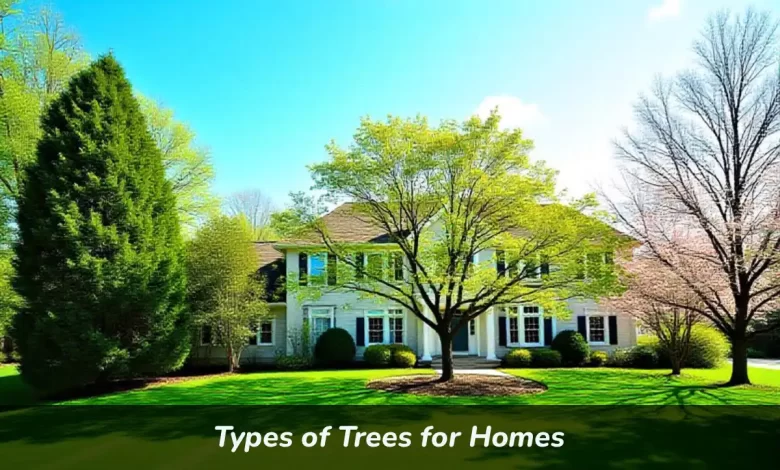
Trees enhance home value by 3.5% to 15% and serve distinct purposes. Privacy trees like arborvitae create natural barriers. Shade trees such as oaks reduce cooling costs by up to 30%. Flowering trees, including dogwoods, add seasonal color while supporting pollinators. Choose based on your property’s sunlight, space, and soil conditions.
Planting the wrong tree near your home can cost you thousands in foundation repairs. Plant the right one and you could add up to $61,000 to your property value.
The difference comes down to understanding which trees match your specific needs. Privacy, shade, and flowering trees each solve different problems. Your choice depends on your property’s layout, climate zone, and long-term goals.
This guide breaks down the three main categories and shows you exactly which species work best for homes.
Why Tree Selection Matters for Your Property
Your tree choice impacts more than curb appeal. Studies show homes with trees have 3.5% to 15% more value than properties without them. That translates to $14,000 to $61,000 more profit for a median-priced home.
Trees reduce energy bills by providing natural cooling. Properly placed shade trees can cut air conditioning costs by 20% to 30% during summer months. They also filter air pollutants, reduce noise pollution, and create habitats for local wildlife.
But size and placement determine whether trees become assets or liabilities. Plant small trees 8 to 10 feet from your home, scaling up based on the tree’s mature height and spread. Large root systems from oaks or poplars can damage foundations, while smaller ornamental varieties stay contained.
Climate zones also dictate which species will thrive. A tree perfect for Florida might struggle in Minnesota. Research your USDA hardiness zone before making any planting decisions.
Types of Trees for Homes: Privacy Options
Dense evergreen trees create year-round privacy screens. They block sightlines, muffle street noise, and define property boundaries without needing fences.
Arborvitae ranks as the most popular privacy tree. These evergreens grow uniformly, reaching heights over 20 feet with minimal maintenance. Their tight foliage creates solid barriers that stay green through winter.
Holly trees provide privacy while staying compact. American Holly and Dwarf Yaupon Holly work well near houses because they maintain small profiles and non-invasive root systems. Their glossy leaves and red berries add visual interest beyond just screening.
For properties needing partial coverage, consider deciduous options. Common hornbeam provides summer shade with light green leaves, then allows winter sunlight after dropping foliage. This seasonal variation helps balance privacy with natural light.
Plant privacy trees in rows spaced 3 to 5 feet apart for solid screening. Stagger rows in a zigzag pattern for extra density. Avoid planting too close to structures where roots might interfere with foundations or utility lines.
Best privacy tree options:
- Arborvitae (Green Giant, Emerald): Fast-growing, dense coverage, 20-40 feet tall
- American Holly: Evergreen, red berries, 15-30 feet tall
- Leyland Cypress: Rapid growth, 50-70 feet tall, requires regular trimming
- Eastern Red Cedar: Native option, drought-tolerant, 30-40 feet tall
Shade Trees That Lower Energy Costs
Strategic shade tree placement cuts cooling bills and creates comfortable outdoor spaces. Position trees on the west or southwest sides of your home to block harsh afternoon sun.
Oak trees deliver maximum shade coverage. Their expansive canopies span 50 to 80 feet at maturity, cooling entire yards. White oak, red oak, and pin oak varieties adapt to different soil conditions and climate zones. Properties with substantial mature trees provide an 18 percent higher return than those without trees.
Maple trees offer vibrant fall colors alongside excellent shade. Red maples grow faster than oaks, reaching 40 to 60 feet tall. Their moderate root systems pose less risk to foundations compared to larger species.
Japanese zelkova works well for smaller yards or urban settings. This adaptable tree grows quickly, tolerates pollution, and features attractive dark green foliage. Its vase-shaped canopy provides solid shade without overwhelming compact properties.
Space shade trees at least 15 to 20 feet from your house. Their mature canopies need room to spread without overhanging rooflines. Branches touching roofs create pathways for pests and trap moisture that damages shingles.
Recommended shade trees by climate zone:
- Zones 3-7: Sugar maple, Norway maple, American elm
- Zones 5-9: Red oak, live oak, Japanese zelkova
- Zones 7-10: Southern magnolia, Chinese pistache, crape myrtle
Flowering Trees for Seasonal Color
Flowering trees transform yards with seasonal blooms while supporting pollinator populations. They work best as focal points in front yards or accent pieces in garden beds.
Top flowering options include sweetbay magnolia, crepe myrtle, Japanese maple, Japanese cherry tree, and Allegheny serviceberry. Each provides distinct bloom colors and timing.
Flowering dogwood remains a classic choice for southern landscapes. This tree thrives in full sun or partial shade, reaching 15 to 30 feet tall. White or pink spring blooms appear before leaves emerge, creating dramatic displays.
Cherry blossom trees explode with pink flowers in early spring. Their relatively short bloom period packs visual impact that draws attention across entire neighborhoods. Plant in full sun with well-drained soil for best results.
Eastern redbud produces magenta blooms in early spring before leaves appear. This smaller tree grows 20 to 30 feet tall, fitting comfortably in compact yards. Its heart-shaped leaves add texture throughout summer and fall.
Crepe myrtle extends color into summer and fall. Blossoms last several weeks in shades of red, pink, white, or purple. This drought-tolerant tree handles heat well and works across zones 7 through 10.
Plant flowering trees where you’ll see them daily. Front yards, patio areas, and driveway edges showcase their seasonal transformations. Provide adequate sunlight and proper drainage to maximize bloom production.
Choosing the Right Tree for Your Space

Match tree selection to your property’s specific conditions. Sunlight exposure, soil type, available space, and drainage patterns all influence which species will succeed.
Full sun means six or more hours of direct sunlight daily. Most flowering and shade trees prefer these conditions. Partial shade receives three to six hours of sun, working for dogwoods and Japanese maples. Full shade areas limit options to understory species.
Test your soil’s drainage by digging a 12-inch hole and filling it with water. If water drains within four hours, drainage is adequate. Standing water indicates poor drainage requiring soil amendments or raised planting beds.
Plant hardy trees that resist disease and suit your planting zone rather than chasing specific species for value. Regional adaptation matters more than popularity.
Measure mature tree dimensions before planting. Account for both height and canopy spread. Trees planted too close to homes, driveways, or utility lines create maintenance headaches and safety hazards as they grow.
Consider maintenance requirements honestly. Some trees drop heavy fruit, require frequent pruning, or attract pests. Factor these ongoing demands into your decision rather than dealing with regrets later.
Trees to Avoid Near Foundations
Certain species pose risks when planted close to homes. Their aggressive root systems, brittle branches, or messy habits create problems that outweigh aesthetic benefits.
Willow trees seek water aggressively, sending roots toward pipes and foundations. Their shallow, spreading roots buckle sidewalks and driveways. Plant willows near ponds or streams instead of houses.
Silver maples grow fast but develop weak wood prone to storm damage. Their surface roots lift pavement and make lawn mowing difficult. Choose red maples or sugar maples for better structural integrity.
Bradford pears split easily in storms due to weak branch structure. Many municipalities now ban planting these trees. Select flowering alternatives like serviceberry or flowering dogwood instead.
Cottonwood trees produce enormous amounts of fluffy seeds that clog gutters and HVAC systems. Female trees drop sticky sap. Male cottonwoods create better landscaping choices if you want this species.
Large conifers like pine and spruce drop acidic needles that kill grass underneath. Their dense roots compete with other plants. Reserve these for property edges rather than prime landscape areas.
Long-Term Tree Care Requirements
Trees need ongoing attention to reach their potential. Proper care starts at planting and continues throughout the tree’s life.
Plant at the correct depth with the root flare visible above soil level. Dig holes two to three times wider than the root ball but no deeper. Backfill with native soil rather than amendments that discourage root growth beyond the planting hole.
Water deeply during the first two years. New trees need consistent moisture to establish root systems. Apply 10 to 15 gallons weekly during dry periods, adjusting for rainfall.
Mulch around the base using 2 to 4 inches of organic material. Keep mulch several inches away from the trunk to prevent rot. Replenish mulch annually as it decomposes.
Prune during dormant seasons to remove dead, damaged, or crossing branches. Avoid removing more than 25% of the canopy in a single year. Major structural pruning should happen while trees are young.
Fertilize only when soil tests indicate deficiencies. Most established trees in maintained landscapes get adequate nutrients from decomposing leaves and lawn care products.
Final Thoughts
The kj transforms your property’s functionality and value. Privacy trees create natural barriers without fencing costs. Shade trees reduce energy bills while adding character. Flowering trees deliver seasonal interest that keeps landscapes dynamic.
Start by assessing your property’s conditions and identifying your primary needs. Match tree species to your climate zone, available space, and maintenance capacity. Plant at proper distances from structures to avoid future problems.
Research from the USDA Forest Service confirms homes with trees are valued 3-15% higher than similar properties without trees. This impact varies by region and tree type, but the financial benefit remains consistent.
Consider consulting with certified arborists for site-specific recommendations. Professional assessment identifies factors you might overlook and prevents costly mistakes. Many tree service companies offer free consultations and planting services.
Plan for long-term growth rather than immediate gratification. Trees planted today create shade, privacy, and value for decades to come.
FAQs
What trees should not be planted close to a house?
Avoid willows, silver maples, Bradford pears, and large oaks near foundations. These species have aggressive roots, weak structures, or excessive size that threaten buildings. Keep large trees at least 20 feet from your home.
How do I choose between evergreen and deciduous trees?
Choose evergreen trees for year-round privacy and wind protection. Select deciduous trees when you want summer shade but winter sunlight. Many landscapes benefit from mixing both types for seasonal variety.
How long does it take for shade trees to mature?
Fast-growing species like red maple reach substantial size in 10 to 15 years. Slow-growing oaks take 20 to 40 years for full canopy development. Plant size at purchase and growing conditions affect the timeline.
Can flowering trees grow in shaded areas?
Most flowering trees need full sun for maximum bloom production. Dogwoods and redbuds tolerate partial shade while still flowering adequately. Avoid planting flowering trees in full shade.
Do trees really increase home value? Yes. Multiple studies document 3.5% to 15% value increases for properties with mature trees. The specific increase depends on tree health, placement, species selection, and local real estate markets.