Tumbons for Home Decor: Your Complete Guide to Traditional Textiles
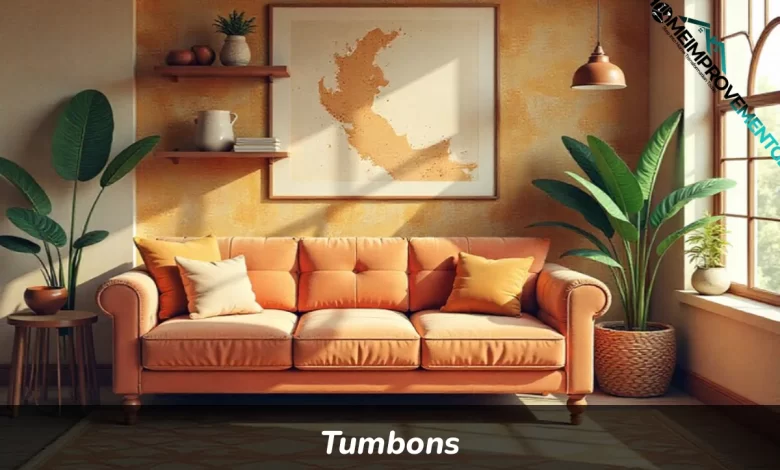
Tumbons in home decor refer to traditional textiles like cushions, throws, and wall hangings inspired by various cultural patterns. These handcrafted pieces add warmth, texture, and authentic character to your living spaces. This guide shows you how to choose, style, and care for traditional textile decor.
Are you looking to add character to your home without expensive renovations? Traditional textiles offer an affordable way to transform your space. But shopping for these pieces can be confusing when you don’t know what to look for.
This guide walks you through everything you need to know about traditional textile decor. You’ll learn how to identify quality pieces, style them in your home, and make purchases that support authentic craftsmanship.
What Are Traditional Textile Decor Items
Traditional textile decor includes fabric pieces inspired by cultural patterns and handmade techniques from around the world. These items bring warmth and personality to your home through texture, color, and pattern.
Common traditional textile items include cushion covers with embroidered or block-printed designs, throw blankets featuring woven patterns, wall hangings created with traditional weaving methods, and table runners displaying cultural motifs.
Current design trends favor textiles with artisanal, handmade appeal that pay homage to classic craft techniques. This shift toward authentic craftsmanship makes traditional textiles particularly relevant for modern homes.
Natural fibers such as hemp, jute, flax, and nettle have made a comeback in home textiles due to their durability, biodegradability, and soil-regenerative properties. These materials align with both traditional production methods and contemporary sustainability values.
Popular Types of Traditional Textile Decor
Different traditional textiles serve various purposes in your home. Understanding each type helps you choose pieces that fit your needs.
Cushion Covers and Throw Pillows
Cushion covers offer the easiest way to introduce traditional textiles into your space. These pieces feature patterns and motifs from various cultures around the world, often with vibrant colors that make them ideal decorative elements.
Block-printed cotton cushions from India display hand-carved wooden stamp designs. Embroidered covers feature intricate needlework passed down through generations. Woven cushions showcase traditional loom techniques with geometric patterns.
You can switch cushion covers seasonally or whenever you want to refresh your space. Their relatively low cost makes experimenting with different styles affordable.
Throw Blankets and Coverlets
Throws add both visual interest and functional warmth. Traditional woven blankets often feature patterns specific to their region of origin.
Kantha throws from India use running stitch embroidery to create reversible blankets with unique patterns. Moroccan blankets display bold stripes and geometric designs in natural cotton. Turkish throws feature traditional weaving methods that create substantial, textured fabrics.
Layer throws over sofas, chairs, or beds to add depth and comfort to your rooms.
Wall Hangings and Tapestries
Textile wall art provides a softer alternative to framed prints or paintings. Traditional woven wall hangings add texture and acoustic dampening to your space.
Handwoven tapestries display cultural patterns and stories through their designs. Macramé pieces use knotted cord techniques to create dimensional wall decor. Embroidered panels showcase regional stitching traditions and motifs.
These pieces work particularly well in bedrooms, living rooms, and dining areas where you want to create visual interest without hard surfaces.
Table Linens and Runners
Traditional table textiles protect surfaces while adding color and pattern to dining spaces. Table runners offer a simpler option than full tablecloths and highlight the natural beauty of your table.
Hand-blocked cotton runners feature repeating patterns stamped with traditional wooden blocks. Embroidered linens display cultural motifs appropriate for special occasions. Woven placemats protect individual settings while showing off traditional weaving techniques.
How Traditional Textiles Transform Your Space
Adding traditional textiles creates specific effects in your home. Understanding these benefits helps you use them strategically.
Adding Warmth and Texture
Hard surfaces like wood, tile, and glass dominate modern homes. Traditional textiles soften these spaces by introducing varied textures that absorb sound and create visual warmth.
Layered textiles like plush rugs, soft throws, and comfortable pillows create a layered effect that invites relaxation. This layering adds depth without cluttering your space.
Natural fibers in traditional textiles provide tactile variety. Rough-woven jute contrasts with smooth cotton. Thick wool differs from lightweight linen. These textural differences create interest that solid colors and smooth surfaces cannot.
Introducing Color Without Commitment
Paint requires significant time, effort, and permanence. Traditional textiles let you experiment with color schemes that you can change whenever desired.
Vibrant ethnic cushions add pops of color to neutral sofas. Colorful throws brighten monochrome bedding. Patterned wall hangings become focal points in plain rooms.
You can rotate pieces seasonally or when your preferences change. Store textiles you’re not currently using and swap them back in later for an instant room refresh.
Creating Cultural Connection
Authentic traditional textiles carry stories from their places of origin. Displaying these pieces connects your home to broader cultural traditions and craftsmanship histories.
Each pattern often holds a specific meaning within its culture. Geometric designs may represent natural elements. Symbolic motifs might mark important life events. Understanding these meanings adds depth to your decor choices.
When you purchase from sources that support traditional artisans, your home decor also supports cultural preservation and fair livelihoods.
Styling Traditional Textiles in Modern Homes
Traditional patterns work in contemporary spaces when you balance them properly. These styling approaches help you incorporate ethnic textiles without overwhelming your decor.
Mixing with Neutral Foundations
Start with a neutral base in your room. White, beige, gray, or natural wood tones provide a calm foundation that lets traditional textiles stand out.
Block-printed cushions paired with neutral throws and jute rugs create a curated bohemian vibe. This approach prevents pattern overload while highlighting the beauty of each textile piece.
Keep larger furniture pieces and walls in solid, muted colors. Reserve pattern and bright colors for textile accents that you can easily change.
Layering Different Textures
Combine textiles with varied textures rather than matching everything perfectly. This creates visual interest and feels more collected than coordinated.
Layer a smooth cotton throw over a nubby woven blanket. Mix embroidered cushions with plain linen ones. Combine a soft wool rug with crisp cotton curtains.
Vary the scale of patterns, too. Pair large-scale motifs with smaller geometric prints. Balance busy patterns with solid colors to give your eye resting places.
Coordinating Color Families
You don’t need perfect color matches. Instead, work within the same color family or use complementary hues that appear together in traditional textiles.
Pairing traditional motifs with contemporary geometric prints from the same color family creates cohesive mix-and-match artistry. This technique lets you combine pieces from different cultures without creating visual chaos.
Pull accent colors from one textile and repeat them in other room elements. If your throw features blue, coral, and cream, echo those colors in cushions, artwork, or decorative objects.
Room-Specific Approaches
Different rooms benefit from different textile strategies.
Living rooms can handle more patterns and colors since you view them from various angles and distances. Layer multiple cushions on sofas, drape throws over chairs, and add a textile wall hanging as a focal point.
Bedrooms benefit from calmer approaches. Use traditional textiles as accents rather than the dominant feature. A patterned throw at the foot of the bed, a few decorative cushions, or a small wall hanging creates interest without disrupting restful vibes.
Dining areas work well with traditional table runners or placemats that you can change for different occasions. Keep wall textiles simpler in eating spaces to avoid overwhelming conversation areas.
Choosing Quality Traditional Textiles
Not all traditional textiles offer the same quality or authenticity. These guidelines help you identify pieces worth purchasing.
Materials That Matter
Quality traditional textiles use natural fibers appropriate to their cultural origin. Cotton, linen, wool, silk, and jute dominate depending on regional availability and climate needs.
Feel the fabric’s weight and texture. Substantial textiles with good drape indicate quality materials and construction. Thin, flimsy fabrics suggest shortcuts in production.
Natural dyes create softer, more complex colors than synthetic alternatives. Colors should have depth and variation rather than a flat, uniform appearance. Some fading over time indicates natural dyes rather than chemical alternatives.
Construction Quality
Examine how the textile is made. Hand-crafted pieces show slight irregularities that prove authentic production rather than mass manufacturing.
Check seams and edges. Quality pieces have neat, durable finishing that won’t unravel with normal use. Loose threads, uneven hems, or weak seams indicate poor construction.
For embroidered items, look at stitch density and consistency. Traditional embroidery uses specific stitch types appropriate to the cultural origin. The back should be relatively neat, not a tangled mess of loose threads.
For woven pieces, examine the weave tightness and pattern alignment. Quality traditional weaving creates even, consistent patterns without gaps or puckers.
Authentic vs. Mass-Produced
Authentic traditional textiles come with specific cultural names and documented origins. Sellers should identify the region, technique, and cultural significance of their pieces.
Authentic pieces are individually handwoven and hand-embroidered using locally sourced natural fibers, with subtle variations that result in beautiful, one-of-a-kind textiles. These variations prove handmade production rather than factory manufacturing.
Mass-produced items marketed with vague ethnic-inspired labels often lack cultural authenticity. They may combine elements from multiple unrelated traditions or use machine printing to imitate handmade techniques.
Price reflects production method. Genuine handmade traditional textiles cost more than mass-produced versions due to skilled labor and time-intensive techniques. Suspiciously low prices usually indicate manufacturing shortcuts.
Ethical Sourcing Indicators
Responsible sellers provide information about who made the textiles and how they’re compensated. Look for Fair Trade certification, direct relationships with artisan cooperatives, or transparent information about profit sharing.
Ethical sources often share stories about the artisans, their communities, and how traditional techniques are being preserved. This narrative indicates a genuine connection rather than exploitative sourcing.
Check if the seller reinvests in community development, education, or craft preservation. These practices ensure your purchase supports rather than exploits traditional craftspeople.
Where to Buy Traditional Textile Decor
Finding authentic traditional textiles requires knowing where to look. Different sources offer varying levels of quality, authenticity, and ethical practices.
Artisan Marketplaces
Online platforms connecting directly with artisans or cooperatives offer authentic pieces with transparent sourcing. These marketplaces typically verify sellers and provide detailed product information.
Etsy features independent makers and small businesses selling handmade traditional textiles. Read seller reviews and ask questions about materials, techniques, and origins before purchasing.
Fair Trade certified retailers ensure artisans receive appropriate compensation and work in safe conditions. These certifications require regular audits and accountability.
Cultural Organizations and Museums
Museum gift shops often sell traditional textiles sourced through responsible partnerships with cultural communities. These pieces come with accurate information about their origins and significance.
Cultural centers and ethnic community organizations sometimes sell authentic traditional items to support their programs and member artisans. These purchases directly benefit the communities that maintain these traditions.
Specialty Home Decor Stores
Some home decor retailers specialize in global textiles and maintain relationships with artisan communities. These stores curate collections and provide staff knowledgeable about the pieces they sell.
Look for stores that name their sources, explain traditional techniques, and price items fairly for handmade work. Avoid retailers treating traditional textiles as disposable trend items.
What to Avoid
Skip mass-market retailers selling “ethnic-inspired” items without specific cultural attribution. These pieces often appropriate traditional designs without supporting the originating communities.
Avoid online sellers unable to answer questions about materials, production methods, or cultural origins. Legitimate sellers welcome inquiries and provide detailed information.
Be wary of extremely low prices for supposedly handmade items. Quality traditional textiles require skilled labor and fair compensation that mass-production prices cannot support.
Caring for Traditional Textile Decor
Proper care preserves your traditional textiles and respects the craftsmanship involved in creating them. Different materials require different approaches.
Washing Guidelines
Hand-wash delicate traditional textiles in cool water with gentle, pH-neutral soap. Hot water and harsh detergents damage natural dyes and fibers.
Test colorfastness before washing by dampening a hidden area and blotting with a white cloth. If color transfers, dry clean instead of washing at home.
Avoid machine washing unless the care label specifically recommends it. Agitation and heat can destroy delicate embroidery, weaving, and natural fibers.
For cotton and linen pieces without embellishment, you can usually machine wash on a gentle cycle in cool water. Air-dry to prevent shrinkage and preserve colors.
Stain Removal
Address stains immediately by blotting with a clean, dry cloth. Don’t rub, which can spread the stain and damage fibers.
For water-based stains, blot with cool water. For oil-based stains, sprinkle with cornstarch or talc to absorb the oil before gently brushing it away.
Avoid commercial stain removers unless specifically designed for natural fibers and safe for dyed fabrics. When in doubt, consult a textile conservation specialist.
Storage Practices
Store traditional textiles in breathable cotton bags rather than plastic. Plastic traps moisture and promotes mildew growth.
Keep stored textiles in cool, dry locations away from direct sunlight. Heat and light fade natural dyes and weaken fibers over time.
Fold textiles along natural seams to minimize creasing. For heavily embellished pieces, roll instead of folding to prevent crushing decorative elements.
Add cedar chips or lavender sachets to deter insects without chemical treatments. Check stored textiles periodically for signs of pest damage or moisture problems.
Display Considerations
Rotate displayed textiles periodically to prevent uneven fading and wear. Store some pieces while displaying others, then swap them seasonally.
Keep textiles away from direct sunlight, which fades natural dyes. Use window treatments to filter UV rays in rooms with traditional textile decor.
For wall hangings, ensure proper support to prevent stretching or sagging. Use rods or frames that distribute weight evenly across the textile.
Vacuum cushions and throws regularly using low suction and the upholstery attachment. This removes dust and debris that can damage fibers over time.
Sustainable Choices in Traditional Textiles
Traditional textile production often embodies sustainable practices refined over centuries. Understanding these aspects helps you make environmentally responsible purchases.
Natural Materials and Dyes
Traditional textiles typically use plant-based fibers grown and processed locally. Cotton, linen, jute, and hemp require less intensive processing than synthetic alternatives.
Natural dyes from plants, minerals, and insects create colors without petroleum-based chemicals. These dyes biodegrade safely and often use waste materials like food scraps or invasive plant species.
Traditional production methods generally require less energy than industrial manufacturing. Hand-weaving and hand-embroidery use human power rather than electricity-intensive machinery.
Supporting Traditional Economies
Purchasing authentic traditional textiles supports rural economies and preserves cultural knowledge. Many artisan communities depend on textile production for their livelihoods.
Your purchases can help keep young people in their communities by providing a viable income from traditional skills. This prevents the loss of cultural knowledge that occurs when young people must migrate for work.
Fair Trade practices ensure artisans earn living wages and work in safe conditions. This economic support maintains communities and prevents exploitation.
Longevity vs. Fast Decor
Quality traditional textiles last for years or decades with proper care. This longevity contrasts sharply with fast-fashion home decor designed for disposal after one season.
Investing in fewer, higher-quality pieces creates less waste than frequently replacing cheap items. The initial higher cost averages out over the years of use.
Well-made traditional textiles can be repaired rather than discarded when damaged. Many traditional techniques are designed for the gradual replacement of worn sections without disposing of the entire piece.
Styling Ideas for Different Design Aesthetics
Traditional textiles work in various design styles when incorporated thoughtfully. These approaches show how to adapt ethnic textiles to your preferred aesthetic.

Modern Minimalist
Keep the overall space spare and clean-lined. Use traditional textiles as carefully chosen accent pieces rather than layering many items.
Choose textiles with simple geometric patterns in neutral colors with one accent hue. Avoid busy, multi-color designs that conflict with minimalist principles.
Display one substantial textile piece as a focal point rather than scattering many smaller items. A single striking wall hanging or a coordinated set of cushions in the same pattern provides impact without clutter.
Bohemian Eclectic
Layer multiple traditional textiles from various cultures for a collected, well-traveled look. Mix patterns, colors, and textures freely.
Combine cushions with different patterns and origins on sofas and beds. Drape throws over furniture. Hang textile wall art at varying heights.
Balance the abundance of patterns with some solid-color pieces to prevent visual chaos. Let textiles be the stars against simpler walls and larger furniture.
Scandinavian Hygge
Choose traditional textiles in muted, natural colors that complement Nordic minimalism. Focus on texture and natural materials over bold patterns.
Cream, gray, soft blue, and natural linen colors work well. Look for simple woven patterns rather than complex embroidery or bright prints.
Emphasize the cozy, comfortable aspects of traditional textiles. Drape soft throws for easy grabbing. Pile cushions for lounging. Choose textiles that invite touch and relaxation.
Contemporary Traditional
Pair traditional textile patterns with clean-lined modern furniture for contrast. The combination feels collected and intentional rather than matched.
Use traditional textiles to soften hard-edged contemporary spaces. The organic irregularity of handmade items balances the precision of modern design.
Choose textiles with traditional patterns executed in contemporary color palettes. Look for familiar motifs rendered in unexpected hues that bridge traditional craft and modern taste.
Budget-Friendly Ways to Start
You don’t need to invest heavily to begin incorporating traditional textiles. These strategies help you start affordably while still choosing quality pieces.
Start with Cushion Covers
Cushion covers offer the most affordable entry point for traditional textiles. You can purchase covers without buying new pillow inserts if you already own pillows.
Start with two to four covers for your main seating area. Choose pieces that coordinate through color family rather than exact matching.
Switch covers seasonally or when you want a room refresh. Store unused covers flat in a drawer or breathable fabric bag.
Focus on One Statement Piece
Instead of buying many small items, invest in one larger, high-quality traditional textile that becomes a focal point.
A substantial throw blanket draped over a sofa provides visual impact and functional warmth. A striking wall hanging transforms a blank wall into an interesting feature.
One quality piece often creates more impact than several lesser items and allows you to save for additional pieces over time.
Shop End-of-Season Sales
Many retailers discount traditional textiles seasonally. Late summer and late winter often bring sales on home decor items.
Sign up for email newsletters from ethical artisan marketplaces to receive notifications about promotions and new arrivals at reduced prices.
Consider slightly imperfect pieces offered at discounts. Minor irregularities often enhance handmade character rather than diminishing quality.
Build Your Collection Gradually
Acquire traditional textiles over time rather than trying to complete a look immediately. This approach lets you choose pieces thoughtfully and spread costs.
Add one or two pieces every few months. This gradual approach also lets you live with items and understand what works in your space before committing to more.
Building slowly often results in a more cohesive, authentic collection than buying everything at once from one source.
Common Mistakes to Avoid
Learning from common errors saves you money and disappointment. Avoid these pitfalls when shopping for and styling traditional textiles.
Buying Without Understanding Care Requirements
Different traditional textiles require different maintenance. Purchasing items you can’t properly care for wastes money and damages beautiful pieces.
Ask about care requirements before buying. If you’re unwilling to hand-wash or dry-clean items, choose machine-washable cotton pieces instead of delicate embroidered silk.
Consider your lifestyle honestly. Households with young children or pets need durable, easily cleaned textiles rather than precious items requiring specialized care.
Overlooking Authenticity
Mass-produced items marketed as ethnic or traditional often lack a genuine cultural connection. These pieces don’t support traditional artisans and may use exploitative production practices.
Research before purchasing. Learn correct cultural names for the textiles you want. Understand basic production methods so you can identify authentic pieces.
Ask sellers specific questions about origins, materials, and makers. Legitimate sources welcome inquiries and provide detailed information.
Mixing Too Many Patterns Without Coordination
Traditional textiles feature bold patterns that can overwhelm spaces when combined carelessly. Not every pattern works together.
Choose a unifying element like color family, pattern scale, or cultural origin. This creates cohesion despite pattern variety.
Balance patterned textiles with solid colors to give your eye resting places. Every surface doesn’t need a pattern.
Ignoring Scale and Proportion
Small spaces need smaller patterns and fewer layered pieces. Large-scale patterns overwhelm tiny rooms but get lost in expansive spaces.
Consider the pattern scale relative to the room size and furniture dimensions. Large sofas can handle bigger patterns, while small chairs need smaller motifs.
Don’t over-accessorize small spaces. A few well-chosen pieces create impact, while too many items create clutter.
Forgetting About Practicality
Beautiful textiles that don’t suit your lifestyle end up unused. Choose pieces that fit how you actually live.
If you eat on your sofa, skip precious throws that can’t handle spills. Choose durable, washable options instead.
High-traffic areas need sturdy textiles that withstand wear. Save delicate pieces for bedrooms or formal spaces with lighter use.
Final Thoughts
Traditional textiles transform your home by adding warmth, color, and authentic cultural character. These pieces connect your space to broader craft traditions while supporting artisan communities.
Start small with a few quality pieces that genuinely appeal to you. Learn about their origins and cultural significance. Care for them properly to preserve their beauty for years.
Your choices matter. Purchasing authentic traditional textiles from ethical sources supports cultural preservation and fair livelihoods. Choose pieces that resonate with you personally rather than following trends that treat cultural traditions as disposable decor.
FAQs
How do I know if traditional textiles are authentic?
Authentic pieces have specific cultural names and documented origins. They use natural materials appropriate to their region and show slight irregularities, proving hand production. Sellers provide information about artisans, techniques, and cultural significance. Price reflects skilled labor and time-intensive production methods.
Can traditional textiles work in modern homes?
Yes. Traditional textiles add warmth and texture that balance hard surfaces in contemporary spaces. Keep the overall room neutral and use traditional textiles as accent pieces. Mix traditional patterns with clean-lined modern furniture for contrast and interest.
How many traditional textile pieces should I use in one room?
This depends on room size and your design style. Start with two to four cushions or one substantial throw in living areas. Add pieces gradually until the space feels balanced. Stop when additional items would create clutter rather than interest.
Are traditional textiles difficult to maintain?
Maintenance varies by material and construction. Many cotton and linen pieces are machine-washable. Delicate embroidered or silk items require hand-washing or dry cleaning. Choose pieces with care requirements you’re willing to meet. Ask sellers about maintenance before purchasing.
Where should I start if I’m new to traditional textile decor?
Begin with cushion covers in colors that complement your existing space. Choose two to four covers from the same cultural tradition or color family. This provides enough impact to transform your room without overwhelming it or your budget.
How do I mix traditional textiles from different cultures?
Coordinate through color family rather than trying to match perfectly. Use textiles from different cultures that share similar hues or tones. Balance different patterns by varying their scale and alternating them with solid colors.
What’s a reasonable price for authentic traditional textiles?
Quality handmade cushion covers typically range from $25 to $75. Throw blankets run $60 to $200. Wall hangings vary widely based on size and complexity, from $80 to $500 or more. Prices significantly below these ranges often indicate mass production rather than authentic craftsmanship.
How do I care for textiles with natural dyes?
Hand-wash in cool water with gentle, pH-neutral soap. Avoid hot water and harsh detergents. Test colorfastness before washing. Air-dry away from direct sunlight. Store in breathable fabric bags in cool, dry locations.