How to Unclog a Toilet Without a Plunger: 7 Easy Methods
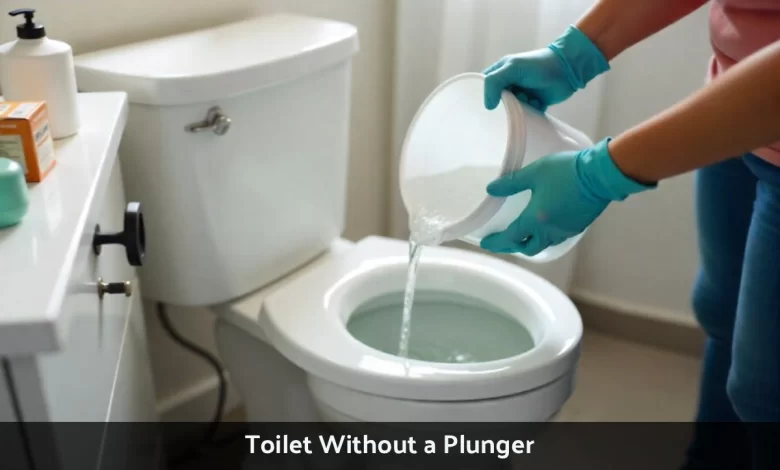
You can unclog a toilet without a plunger using hot water, dish soap in the bowl, or baking soda and vinegar. These household items break down clogs caused by toilet paper and waste in 15 to 30 minutes, effectively breaking up the debris. Hot water softens blockages, dish soap lubricates the drain, and the baking soda mixture creates pressure through fizzing.
For tougher clogs, use a wire hanger as a makeshift snake or create pressure with a plastic bottle. Always stop the water flow first by closing the flapper valve inside your tank. If the clog persists after trying multiple methods or water backs up into other drains, call a plumber. Most toilet clogs result from excessive toilet paper or non-flushable items, leading to a blocked toilet.
Stop the Water Flow Immediately
Your priority is preventing overflow, which can happen if the toilet won’t unclog, leading to dirty water everywhere. Open the toilet tank lid and locate the round rubber flapper at the bottom. Press it down firmly to seal off water flow to the bowl before attempting to plunge the clog. If you can’t access the tank quickly, find the shutoff valve behind your toilet near the floor. Turn the valve clockwise until it stops to prevent any overflow of dirty water.
Never flush repeatedly when you notice a clog. Each flush adds another gallon of dirty water to an already full bowl. This creates flooding and makes cleanup harder, resulting in water all over the place. Wait until you’ve cleared the clog completely before testing with a flush.
Assess Your Clog Before You Start
Look into the bowl to see if you can identify the problem. Clogs near the drain opening respond well to most methods. Deeper blockages in the trap or drain pipe need more aggressive techniques, such as using a toilet auger.
Check your water level. If it drains slowly but steadily, you have a partial clog that hot water or dish soap can handle, often found at the bottom of the toilet. Standing water that doesn’t move at all requires stronger methods like a wire hanger or plastic bottle pressure, or you may need to pour the hot water directly into the toilet. Remove some water with a small bucket if the bowl is too full before pouring hot water into the bowl. This prevents splashing and gives you room to work while using a toilet auger.
Method 1: Hot Water Technique
Fill a bucket with one gallon of hot water from your sink or bathtub. The water should be hot enough to steam but not boiling. Boiling water can crack porcelain toilets, especially older models, so it’s best to pour the hot water carefully.
Pour the water into the bowl from waist height. The force and temperature combination break down toilet paper and waste, aiding in unclogging a toilet. Wait 10 to 15 minutes, then check if the water level drops. If it drains, flush once to clear remaining debris and ensure the toilet is fully unclogged. This method works best for fresh clogs caused by too much toilet paper.
Method 2: Dish Soap and Hot Water
Dish soap cuts through grease and creates a slippery layer inside your drain, making it one of the effective ways to unclog a toilet. This lubrication helps stuck materials slide through the trap. The soap also breaks down organic matter that causes many toilet clogs, making it easier to dislodge.
Squirt one-quarter to one-half cup of liquid dish soap directly into the toilet bowl. Any brand works, but grease-cutting formulas perform better. Add one gallon of hot water and let the mixture sit for 15 to 20 minutes.
The soap sinks to the clog and starts working immediately. You’ll know it’s effective when the water level begins dropping. After 20 minutes, try a gentle flush. If water drains normally, the clog is gone, confirming that your efforts in unclogging a toilet were successful, much like a plunger would do. This method clears about 60% of basic toilet clogs.
Method 3: Baking Soda and Vinegar
Pour one cup of baking soda into the toilet bowl. The powder should settle at the bottom where the drain opening sits. Add two cups of white vinegar slowly. The mixture fizzes and bubbles as the chemical reaction starts.
This reaction creates carbon dioxide gas that builds pressure in your drain. The pressure pushes against the clog from multiple directions. Let the solution work for at least 30 minutes, which can be an effective way to unclog a toilet. For overnight results, leave it until morning, then flush with hot water.
This method works well for organic clogs like waste and toilet paper, making it a reliable way to unclog a toilet using vinegar and baking soda. It’s safe for septic systems and won’t damage your plumbing. Success rate drops with clogs caused by foreign objects or wipes.
Method 4: Wire Hanger Snake
Grab a wire coat hanger and straighten it completely to assist in dislodging clogs. Leave the hook end intact or bend it into a small loop. Wrap the end with a clean rag and secure it with duct tape. This protects your porcelain from scratches.
Insert the wrapped end into the drain opening at the bottom of your bowl. Push gently and rotate as you work deeper. You’ll feel resistance when you hit the clog. Push and pull several times to break it apart, or use a plunger to help break the blockage. Avoid forcing the hanger too hard because this can damage the wax ring seal or crack the porcelain.
Once you feel the blockage loosen, remove the hanger and flush with hot water. This method handles clogs stuck in the toilet trap, about six inches past the drain opening.
Method 5: Plastic Bottle Pressure Method
Find an empty two-liter soda bottle or a large water bottle. The opening needs to be wide enough to cover your toilet drain. You also need rubber gloves, safety goggles, and warm water.
Fill the bottle with warm water. Cover the opening with your gloved thumb to prevent spills while you try to flush the toilet. Turn the bottle upside down and position it deep into the drain opening at the bottom of your bowl to help dislodge any clogs. The bottle edge should create a seal around the drain.
Remove your thumb and squeeze the bottle hard with both hands. This forces water directly into the clog at high pressure. The sudden burst often breaks apart blockages, helping to remove the toilet’s drain hole obstructions. Repeat three to four times. Wear goggles because water can splash back forcefully.
This technique mimics a plunger’s function without needing one, effectively dislodging blockages and helping to unblock the toilet. It works best on soft clogs made of paper and waste.
Method 6: Toilet Brush Alternative
Slip a plastic grocery bag over your toilet brush head. Secure the bag to the handle with a rubber band. This creates a makeshift plunger tool.
Insert the wrapped brush into the drain opening and pump up and down vigorously. The bag creates suction and pressure similar to a plunger. Use 10 to 15 strong pumps with the plunger to effectively dislodge the clog. This method works for minor clogs close to the drain opening but lacks the power for deeper blockages.
Remove the bag carefully and dispose of it after use. Clean your toilet brush thoroughly with disinfectant.
Method 7: Enzyme-Based Drain Cleaner
Enzyme cleaners contain bacteria that eat organic waste and can effectively break up the debris in your plumbing. These products are safe for septic systems and won’t corrode pipes. Pour the recommended amount into your toilet bowl according to package directions.
Let the cleaner sit overnight. The enzymes need time to break down the clog. Flush with hot water in the morning. This method works slowly but effectively for clogs caused by waste buildup, particularly when combined with dish soap in the bowl. It won’t help with foreign objects or non-organic materials.
Avoid chemical drain cleaners with sodium hydroxide or sulfuric acid in toilets. These create dangerous fumes and can crack porcelain, especially if caustic substances are involved. Never mix different chemical products. The combination produces toxic gases.
What Not to Do When Unclogging

Never pour boiling water directly into your toilet; instead, consider pouring hot water into the bowl gradually. Temperatures above 180°F can crack the porcelain bowl. This damage is permanent and requires toilet replacement.
Don’t flush multiple times, hoping the clog will clear itself. This wastes water and increases overflow risk. Each flush adds pressure to your drain pipes and can worsen the blockage.
Skip the wire hanger method if you see a hard object like a toy or phone in your drain, as it may block your way to unclog a toilet and create water all over the place. The hanger can push it deeper into your plumbing. Call a plumber with proper extraction tools instead if you cannot effectively dislodge the blockage.
Never mix bleach with other cleaning products. Bleach combined with ammonia or acids creates chlorine gas, which is a caustic mixture that should be avoided. This causes respiratory damage and can be fatal in enclosed bathrooms. Bleach also doesn’t unclog toilets effectively.
Prevent Future Toilet Clogs
Use reasonable amounts of toilet paper per flush to avoid dislodging clogs, especially when using a flexible toilet design. A handful is enough for most situations, but if the toilet won’t unclog, you may need to try flushing again. If you need more, flush midway through and continue. This prevents paper buildup in your trap.
Flush only human waste and toilet paper, as other materials can lead to stubborn clogs that require using a hanger. Never flush cotton swabs, dental floss, feminine hygiene products, paper towels, or wipes. Products labeled “flushable” often cause clogs because they don’t break down quickly enough. Baby wipes are a leading cause of residential plumbing blockages, often leading to a blocked toilet that requires a plunger to unclog the toilet.
Teach children not to throw toys or objects into the toilet. Keep bathroom trash cans accessible so everyone has alternatives for disposal.
Monthly Maintenance
Clean the rim jets under your toilet bowl edge once per month. These small holes distribute water during flushing. Mineral deposits and bacteria can block them, reducing flush power. Use a wire or small brush to clear each jet opening, which can help unclog a toilet effectively.
Check your water pressure by watching how forcefully your toilet flushes, as a weak flush might indicate the need for a right plunger. Weak flushes indicate low tank water levels or partially closed shutoff valves, which can lead to clogs at the bottom of the toilet. Adjust the float in your tank to increase water if needed.
Pour one cup of baking soda and two cups of vinegar into your toilet monthly. Let it sit for 30 minutes, then flush. This prevents buildup and keeps drains flowing smoothly, especially when using hot water in the toilet.
When to Call a Professional Plumber
Contact a plumber if you’ve tried three methods without success. Persistent clogs often indicate problems deeper in your plumbing system. Tree roots can invade sewer lines and create recurring blockages. These require professional equipment to remove, especially when using a toilet auger.
Watch for warning signs of serious issues. Water backing up into your bathtub or sink when you flush means your main drain line is blocked. Gurgling sounds from other drains suggest venting problems. Multiple clogged toilets in your home point to sewer line issues.
Older homes with cast iron or clay pipes face higher clog risks. These materials corrode and develop rough interiors that catch debris, making it necessary to use home remedies for effective cleaning. A plumber can inspect with a camera and recommend solutions, including whether you need to remove the toilet for a deeper clean. Expect to pay $150 to $300 for basic clog removal. Sewer line work costs $1,000 to $4,000, depending on severity.
Call immediately if sewage backs up into your home to prevent a blocked toilet situation. This creates health hazards from bacteria and requires emergency service, especially if it leads to dirty water. Don’t wait or try additional DIY methods; instead, focus on unclogging a toilet with proven techniques.