Tiny Home Campers: What You Need to Know Before Buying 2026
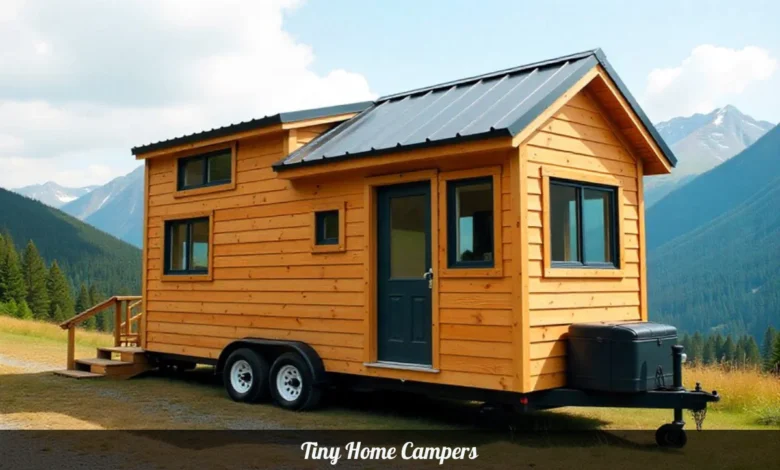
A tiny home camper combines residential living with RV mobility, typically ranging from 100-400 square feet on a towable trailer. These certified units cost $30,000-$70,000 on average, feature full kitchens, bathrooms, and sleeping lofts, and meet RVIA or NOAH safety standards for year-round living and travel.
Ever wondered if you could own a real home that goes wherever you want? Tiny home campers make that dream a reality. These compact dwellings pack full-size living into a mobile package, giving you freedom without sacrificing comfort. You’ll discover how to choose the right model, what to expect in pricing, and which features matter most for your lifestyle.
What Makes a Tiny Home Camper Different from an RV
Tiny home campers bridge the gap between traditional RVs and permanent houses. You get residential-quality construction in a mobile format.
Standard RVs use lightweight materials designed for occasional trips. Tiny houses on wheels feature sturdy construction methods that ensure long-term durability and are built to resemble traditional homes. The walls typically include R-15 insulation, while roofs and floors reach R-21. Compare that to basic RV insulation at R-7 to R-11.
Your tiny home camper will likely include real wood framing with 2×4 or 2×6 studs. Double-pane, argon-filled windows keep the temperature stable. Standing seam metal roofs last 40-50 years instead of the 10-15 years you get with standard RV rubber roofs.
Tiny houses place strong emphasis on efficient use of space and incorporate innovative storage solutions, multi-purpose furniture, and even small-space luxury amenities. You’ll find custom cabinetry with plywood boxes instead of particle board, solid surface countertops, and soft-close hardware throughout.
Understanding Certification Requirements
Certification determines where you can park your tiny home camper and how you can finance it.
RVIA Certification Explained
The Recreational Vehicle Industry Association certifies manufacturers, not individual units. To become licensed, a manufacturer must be open to random inspections, adhere to over 500 safety codes, and inspect each of its Tiny House RVs to affirm adherence to these codes covering electric, plumbing, brake lights, heating, and fire safety.
RVIA certification offers several practical benefits:
- Access to RV financing with better terms than personal loans
- Acceptance at most RV parks and campgrounds nationwide
- Easier insurance coverage with more carrier options
- Higher resale value due to verified quality standards
RVs are purpose-built as temporary accommodations for camping and seasonal use, not as permanent habitations. This classification affects local zoning rules. Some cities ban full-time RV living within their limits, so research your area before buying.
NOAH as an Alternative
The National Organization of Alternative Housing has been actively assisting the tiny home community since 2015 and uses a combination of RVIA standards and residential requirements as part of its certification process. NOAH works well for DIY builders or custom designs that don’t fit standard RV formats.
The digital inspection process lets you document construction phases via an app. Certified inspectors review your photos and videos remotely. Once approved, you receive a permanent seal.
Tiny Home Camper Price Ranges
Your budget determines which features you can access and which models suit your needs.
Entry-Level Options ($10,000-$30,000)
Sales prices are as low as $14K for the 2025 Forest River Cherokee Wolf Pup 17EV, which compares to the 2025 Keystone Coleman 13B that lists for $10K, both brand new. These basic models weigh under 2,500 pounds and include minimal amenities.
You’ll get the bare essentials with entry-level units. Expect basic appliances, simple finishes, and compact layouts. These work well if you spend most time outdoors and just need shelter for sleeping.
Mid-Range Models ($30,000-$70,000)
The cost to build or buy a tiny home in 2025 ranges between $30,000 $70,000, with tiny homes typically between 100 to 400 square feet. This range includes most quality tiny home campers from established manufacturers.
You get residential appliances, better insulation, quality finishes, and thoughtful layouts. Most models in this range include full kitchens, complete bathrooms with showers, sleeping lofts, and main-floor living areas.
Premium Options ($70,000-$150,000+)
The 2025 Forest River Reserve 16SW sells for around $40K and features a second-story loft, a washer-dryer, a roomy bathroom, and a large living room. Destination trailers push toward the upper end with expanded square footage and luxury finishes.
Premium models offer high-end appliances, custom cabinetry, upgraded HVAC systems, and premium fixtures. Some include washer-dryer combos, dishwashers, and full-size refrigerators.
Key Features to Consider
Smart feature selection makes the difference between comfortable living and constant frustration.
Size and Layout Options
Most tiny home campers range from 18 to 34 feet in length. Width matters too, with standard 8.5-foot models and wider 9.5-foot or 10-foot versions requiring special permits.
The Tumbleweed Cypress blends classic proportions with a distinctive five-window bay that fills the home with light and creates a welcoming sense of openness. Window placement affects both natural light and temperature control.
Loft configurations vary widely. Some models feature dual lofts for maximum sleeping space. Others skip the loft entirely, offering main-floor bedrooms for easier access. Consider your mobility needs and how you’ll use the space daily.
Construction Quality Indicators
Check these specifications when evaluating models:
- Wall insulation: R-15 minimum, R-19 or higher preferred
- Roof insulation: R-21 minimum, R-30 for cold climates
- Window specs: Double-pane with low-E coating
- Framing: Kiln-dried lumber, not green wood
- Sheathing: CDX plywood, not OSB
- Roof type: Standing seam metal for longevity
Tiny house models meet rigorous residential construction standards with R-21 in the roof and floor, and R-15 in the walls, using kiln-dried lumber, structural subfloors, and CDX sheathing designed to endure travel and climate fluctuations.
Essential Systems
Your electrical system should include 30-amp or 50-amp service. Higher amperage lets you run air conditioning, heat, and appliances simultaneously. Look for LED lighting throughout to reduce power consumption.
Plumbing quality varies significantly. Plumbing costs for a tiny home are $1,000 to $7,000, including the water heater, depending on if the home has a tankless or traditional water heater, a standard toilet versus a composting toilet, and other water-consuming appliances.
Tankless water heaters save space and provide endless hot water. They cost more upfront but work better for full-time living. Traditional tank heaters limit you to 20 gallons maximum, which runs out quickly during showers.
Choosing the Right Manufacturer
Reputation matters when you’re making a five-figure investment in your home.
Established Brands
Tumbleweed Houses pioneered the tiny home RV industry in 1999. Tumbleweed stands as the largest manufacturer of Tiny House RVs in North America, a brand preferred above all others, with each model certified green and available in three sizes, ranging from 217 to 390 square feet plus a loft.
Tru Form Tiny builds custom tiny homes with attention to detail. They offer both urban and craftsman styles with extensive customization options. Their models feature fine-line shiplap walls, custom cabinetry, and high-efficiency appliances.
Tiny Mountain Houses operates from Oregon and offers RV-certified models from 18 to 50 feet. They provide both standard and cottage series designs with various width options.
What to Ask Before Buying
Get answers to these questions before signing any contracts:
- Which certification does this model carry?
- When does the warranty coverage begin?
- What items are covered under warranty and for how long?
- Can I inspect the unit before delivery?
- What’s included in the base price versus upgrades?
- How long is the typical build time?
- Do you offer financing or work with specific lenders?
Make sure your coverage starts when you buy it, not when it arrives at the dealership, and check for any signs of lot wear on roof seals, tires, decals, and seals.
Financing Your Tiny Home Camper
Most buyers need financing. Your certification affects available options.
RV Loans
RVIA-certified units qualify for standard RV loans. Customers who purchase an RVIA-certified Tiny House can obtain financing from lenders who work with RVs. Terms typically extend 10-20 years with interest rates similar to auto loans.
You’ll need decent credit, usually 680 or higher. Expect down payments of 10-30 percent, depending on your score. Some lenders cap loan amounts at specific thresholds, so check requirements early.
Alternative Financing
Liberty Bank of Utah requires a 10-30 percent down payment, depending on credit, a FICO minimum of 680, and cannot have a debt ratio in excess of 43 percent. They work with both NOAH and RVIA-certified units.
Personal loans work when you can’t get RV financing, but the terms are shorter and the rates are higher. Some buyers use home equity lines if they own property. Construction loans are available for custom builds, though they require 50 percent down in most cases.
Where You Can Park Your Tiny Home Camper
Location determines daily convenience and monthly costs.
RV Parks and Campgrounds
RV certified Tiny House RVs are welcome at many RV facilities nationwide, and these locations offer all necessary and full hookups for water, electricity, and septic. Monthly rates range from $400 to $1,500 depending on location and amenities.
Some parks restrict length or have minimum night requirements. Call ahead to verify their policies on tiny homes versus traditional RVs. Not all parks accept permanent residents.
Private Property
Check local zoning before parking on your land. If your house is certified as an RVIA tiny home, it becomes an RV in the eyes of the city building code enforcement, and RVs are classified as temporary or seasonal dwellings, making it illegal to live in these dwellings as your permanent residence in many cities.
Rural areas typically offer more flexibility. Some cities allow RVs as accessory dwelling units (ADUs) on property where you own a main house. Others prohibit RV living entirely within city limits.
Tiny Home Communities
Dedicated tiny home communities are emerging nationwide. These developments cater specifically to tiny house residents with appropriate infrastructure and community rules supporting full-time living.
Research requirements carefully. Some communities require specific certifications, size limits, or design standards. Monthly lot fees vary from $250 to $1,500 based on location and included amenities.
Maintenance and Upkeep
Regular maintenance prevents expensive repairs and extends your home’s lifespan.
Routine Tasks
Inspect your roof seals every three months. Water leaks cause severe damage quickly. Reseal as needed using appropriate products for your roof type.
Check your trailer bearings and brakes annually, even if you don’t move often. Sitting stationary can cause issues just like frequent towing. Lubricate bearings and verify brake function before any moves.
Monitor your water system for leaks. Winterize plumbing if you’ll face freezing temperatures. Drain tanks, add antifreeze, and protect fixtures from freeze damage.
Long-Term Considerations
Tiny houses on wheels typically depreciate while foundation homes may appreciate, similar to RVs, which affects resale value. Plan for this when calculating long-term costs.
Budget for tire replacement every five to seven years, even with minimal use. UV damage and age degrade rubber compounds regardless of miles traveled. Factor $800-1,200 for a full set, depending on size.
Appliances in tiny homes work harder than in traditional houses due to limited space and constant use. Set aside funds for eventual replacements. A quality refrigerator lasts 10-15 years. Water heaters typically need replacement after 8-12 years.
Making Your Decision
Your lifestyle determines which tiny home camper works best.
Travel vs. Stationary Living
Frequent travelers need lighter-weight models with better roadworthiness. Look for aluminum siding, efficient layouts, and proper weight distribution. Keep your total weight under your tow vehicle’s capacity with a comfortable safety margin.
Stationary living lets you choose heavier models with more features. Destination trailers offer expanded square footage and home-like amenities. You sacrifice mobility but gain comfort.
Climate Considerations
Cold climates require superior insulation and heating capacity. Verify your model includes adequate R-values, heated holding tanks, and an enclosed underbelly. Tumbleweeds are designed for extreme cold weather, with several online resources for winterizing your tiny house.
Hot climates need proper ventilation, adequate air conditioning, and reflective roofing. Window placement affects cooling efficiency. Consider models with multiple fans and upgraded AC units.
Resale Value
RV Certification makes it easier to sell your Tiny House RV by allowing prospective buyers to obtain financing, which is critical since most buyers don’t have $70,000 in cash to spend. Certified units sell faster and command higher prices.
Most tiny houses sell between $30,000 and $60,000, with an average near $52,000, and size, build quality, foundation type, location, and condition all affect pricing. Document all maintenance and upgrades to support your asking price when selling.
Final Thoughts
Tiny home campers offer an affordable path to homeownership with built-in mobility. You can travel when you want or settle in one spot, paying a fraction of traditional housing costs. The key is matching your choice to your actual lifestyle, not your ideal fantasy.
Start by defining your non-negotiables. Do you need main-floor sleeping? Is a full-size shower essential? Will you tow frequently or stay put? Your answers narrow the field quickly.
Visit multiple manufacturers if possible. Walk through various layouts to understand what works for your daily routines. Photos never capture how a space actually feels or functions.
Budget realistically for both purchase and ongoing costs. Include lot rent, insurance, maintenance, and potential repairs. Your monthly expenses should leave room for savings and unexpected issues.
The tiny home camper market keeps growing, with more options arriving each year. Take your time researching, ask plenty of questions, and verify everything before committing. Your future home deserves that level of care.
FAQs
Can I live in a tiny home camper full-time legally?
Yes, but location matters significantly. RVs are classified as temporary or seasonal dwellings, making it illegal to live in these dwellings as your permanent residence in many cities. Rural areas and some states allow full-time RV living. Always verify local zoning laws before purchasing or moving your tiny home camper.
What’s the difference between RVIA and NOAH certification?
RVIA licenses and certifies RV manufacturers through random inspections and adherence to over 500 safety codes, while NOAH uses a combination of RVIA standards and residential requirements with a digital inspection process. RVIA certification typically offers wider acceptance at RV parks and easier financing. NOAH works better for custom builds and DIY projects.
How much does it cost to park a tiny home camper monthly?
Monthly parking costs vary by location and amenities. RV park rates range from $400 to $1,500. Private land rental runs $250 to $1,500. Tiny home communities charge similar rates but often include utilities and community features. Rural areas typically cost less than locations near cities.
Do tiny home campers hold their value?
Tiny houses on wheels typically depreciate while foundation homes may appreciate, similar to RVs. Quality construction, proper maintenance, and certification help preserve value. Expect 10-20 percent depreciation in the first five years, then a slower decline. Well-maintained certified units from reputable manufacturers retain value better than DIY or uncertified models.
What size vehicle do I need to tow a tiny home camper?
Your tow vehicle depends on your tiny home’s weight. Models under 7,000 pounds need a half-ton truck or large SUV. Heavier units require three-quarter-ton or one-ton trucks. Always check your vehicle’s actual towing capacity and stay well below the maximum. Factor in the weight of passengers, fuel, and cargo in your tow vehicle when calculating total capacity.