Timberlake Raised Garden Greenhouse: Complete Guide for Year-Round Growing
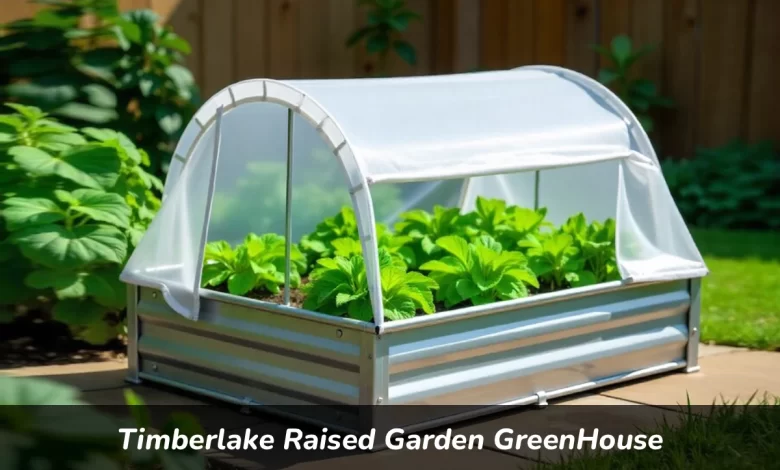
The Timberlake Raised Garden Greenhouse combines a 71.3-gallon galvanized steel planter with a removable greenhouse cover. This 2-in-1 system protects plants from pests and frost while extending your growing season into fall and winter. The rust-resistant design includes zippered vents for easy access and proper ventilation.
Around 55% of U.S. households now maintain a garden, and that number keeps climbing. More people want fresh vegetables, herbs, and flowers right outside their door. The challenge? Unpredictable weather, hungry pests, and short growing seasons make gardening harder than it should be.
A raised garden bed with greenhouse protection solves these problems. You get better soil control, easier access, and a protective environment that keeps your plants thriving. The Timberlake Raised Garden Greenhouse delivers all these benefits in one affordable package.
This guide covers everything you need to know about this gardening system. You’ll learn what makes it work, how to set it up, and which plants grow best inside it.
What Makes the Timberlake Raised Garden Greenhouse Different
The Timberlake system combines two gardening tools into one unit. You get a sturdy raised bed and a protective greenhouse cover that work together to create better growing conditions.
The base measures 4 feet long by 3 feet wide by 1 foot deep. That gives you 71.3 gallons of planting space. The galvanized steel construction resists rust and handles outdoor weather year after year. A green powder coating protects the metal and blends with your yard or patio.
The greenhouse cover adds 3 feet of vertical space above the bed. This clear PVC structure lets sunlight through while trapping heat and moisture. Two zippered windows on the sides give you easy access to water, prune, and harvest your plants. You can remove the entire cover when you don’t need it.
The open-bottom design lets water drain naturally and allows plant roots to grow deeper if they need to. This prevents waterlogging and root rot, two common problems in container gardening.
Assembly takes about 30 to 45 minutes. Plastic connectors hold the steel panels together. You don’t need special tools or skills to put it together.
Key Benefits of Combining Raised Beds with Greenhouses
Research shows that raised garden beds improve soil structure and drainage while reducing waterlogging risks. Adding greenhouse protection takes these benefits further.
The greenhouse cover creates a microclimate around your plants. It traps warm air during cool nights and holds moisture so you water less often. This controlled environment helps seedlings grow faster and stronger.
Pest protection matters more than most gardeners realize. The physical barrier keeps out insects, birds, and small animals that damage crops. You spend less time fighting pests and more time harvesting.
The elevated design puts your plants at a comfortable working height. You bend and kneel less, which makes gardening easier on your back and knees. People with mobility issues find raised beds much more accessible than ground-level gardens.
You control exactly what goes into your soil. Fill the bed with your preferred mix of compost, topsoil, and amendments. This matters especially if your yard has poor soil, contaminants, or drainage problems.
Season extension gives you the biggest advantage. The gardening market reached $120 billion in 2025, partly because more people want to grow food year-round. The greenhouse cover lets you start seeds weeks earlier in spring and keep growing into late fall or even winter.
Setting Up Your Timberlake Raised Garden Greenhouse
Start by choosing the right location. Your garden bed needs 6 to 8 hours of direct sunlight daily. Pick a level spot that gets good air circulation but isn’t too exposed to strong winds.
Gather these tools before you begin:
- Phillips screwdriver or power drill
- Work gloves
- Wrench (included in package)
Unpack all components and check them against the instruction manual. Make sure you have every panel, connector, screw, and greenhouse cover.
Connect the four steel side panels using the plastic corner connectors. Insert the screws through the pre-drilled holes and tighten them with the wrench. The panels should fit snugly, but don’t over-tighten, which can crack the connectors.
Place the assembled frame in your chosen location. Fill it with your soil mix, leaving about 2 inches of space at the top. This prevents soil from spilling when you water.
Attach the greenhouse cover by sliding the frame supports into the designated slots. The PVC poles create a dome shape over the bed. Make sure the zippered windows face outward for easy access.
Water your bed thoroughly after filling to help the soil settle. Wait a day before planting to let everything stabilize.
Best Plants for Your Timberlake Raised Garden GreenHouse

The protected environment opens up more planting options than a regular outdoor bed. You can grow crops that normally struggle in your climate.
Cool-season vegetables thrive under the greenhouse cover. Lettuce, spinach, kale, and arugula grow well from early spring through late fall. These leafy greens tolerate cooler temperatures and appreciate the moisture retention.
Warm-season crops like tomatoes, peppers, and cucumbers benefit from the extra warmth. Start them indoors or use the greenhouse to harden them off before the last frost. The cover protects young plants from temperature swings.
Herbs grow exceptionally well in raised-bed greenhouses. Basil, cilantro, parsley, and chives produce abundantly in the controlled environment. You can keep harvesting herbs months longer than in an unprotected bed.
Strawberries produce better yields when protected from birds and insects. Plant them along the edges of the bed where they can cascade over the sides. The greenhouse keeps the fruit clean and reduces pest damage.
Root vegetables like carrots, radishes, and beets grow straight in the loose, well-draining soil of a raised bed. The open bottom lets their roots extend deeper if needed.
Season planning matters for maximizing your harvest. Plant cool-season crops in early spring and late summer. Switch to warm-season plants after the last frost. In the fall, remove the cover for heat-lovers and replace it for cold-tolerant crops.
Vertical growing saves space inside the limited footprint. Train vine crops like cucumbers and pole beans up stakes or trellises. This gives you more planting room at ground level.
Maintenance Tips for Long-Term Success
Regular care keeps your Timberlake garden bed producing for years. Check the greenhouse cover weekly for tears or damage. Small rips can expand quickly, so patch them immediately with clear tape or greenhouse repair tape.
Open the zippered windows on warm, sunny days. Temperatures inside the greenhouse can rise 15 to 20 degrees higher than outside. Good ventilation prevents heat stress and reduces fungal problems.
Clean the greenhouse cover every few weeks. Dirt, algae, and mineral deposits block sunlight and reduce plant growth. Spray it down with water and wipe with a soft cloth. Avoid harsh chemicals that can damage the PVC material.
Inspect the steel frame and connectors every season. Tighten any loose screws. The powder coating protects against rust, but check for chips or scratches that expose bare metal. Touch up problem spots with rust-resistant paint.
Soil in raised beds depletes faster than ground soil. Add fresh compost between plantings. Test your soil pH annually and adjust as needed for the crops you’re growing.
Remove the greenhouse cover during hot summer months unless you’re growing heat-sensitive crops. The extra warmth works against you when outdoor temperatures already run high. Store the cover in a dry place to extend its life.
Monitor moisture levels carefully. The greenhouse retains humidity, which means you might water less often than expected. Stick your finger 2 inches into the soil. Water only when it feels dry at that depth.
Comparing Costs and Value
The Timberlake Raised Garden Greenhouse typically retails between $130 and $290, depending on the seller and current promotions. This falls in the mid-range for raised bed greenhouse combinations.
Compare this to buying components separately. A basic 4×3 raised bed costs $80 to $150. A standalone cold frame or mini greenhouse of similar size runs $70 to $120. Buying them together as an integrated system saves money and ensures proper fit.
Consider the value beyond the purchase price. A well-maintained raised bed and greenhouse cover can last 5 to 10 years or more. Growing your own vegetables saves money on groceries. Fresh tomatoes, lettuce, and herbs from the store cost significantly more than seeds and soil amendments.
The home gardening market is expected to reach $15.78 billion in 2025, driven largely by people wanting to grow their own food. Your investment pays back through harvests and the satisfaction of eating what you grew.
Urban gardeners and apartment dwellers find particular value in compact systems like this. The 4×3 footprint fits on balconies, patios, or small yard spaces where traditional garden plots won’t work.
Common Questions About Raised Bed Greenhouses
How much weight can the Timberlake raised bed support? The galvanized steel construction handles the weight of 71.3 gallons of moist soil without problems. That’s roughly 400 to 500 pounds. The frame stays stable when properly assembled, but avoid standing or sitting on the edges.
Can I leave the greenhouse cover on all year? You can, but you shouldn’t during peak summer heat. Remove it when daytime temperatures consistently exceed 80°F unless you’re growing shade-loving plants. The cover works best from late summer through late spring.
Will the raised bed work without the greenhouse cover? Absolutely. Use it as a standard raised bed during warm months. The open-bottom design and elevated height provide all the typical raised bed benefits. Attach the cover only when you need weather protection or season extension.
How do I prevent overheating inside the greenhouse? Open both zippered windows during sunny days. Position the bed where it gets morning sun but afternoon shade if possible. Remove the cover entirely if temperatures inside climb too high despite ventilation.
What soil mix works best for this size bed? Fill it with equal parts compost, peat moss or coconut coir, and vermiculite or perlite. This creates a light, well-draining mix that retains moisture without becoming waterlogged. Adjust the recipe based on what you’re growing.
Final Thoughts
The Timberlake Raised Garden Greenhouse gives you a practical solution for growing more food in less space. The combination of raised bed benefits and greenhouse protection creates an environment where plants thrive.
You get better control over soil quality, easier access for maintenance, and protection from weather and pests. The system works for beginners just starting their first garden and experienced growers wanting to extend their season.
The compact size fits urban spaces without sacrificing growing capacity. The durable construction means your investment lasts for many seasons of harvests.
Start with easy crops like lettuce, herbs, and radishes. You’ll build confidence and learn how the greenhouse environment works. Then expand to more challenging plants as you gain experience.
Your success depends on choosing the right location, maintaining proper ventilation, and monitoring moisture levels. Follow these basics and you’ll harvest fresh vegetables, herbs, and flowers most of the year.