Techoelite Smart Homes: Complete Guide to Modern Home Automation
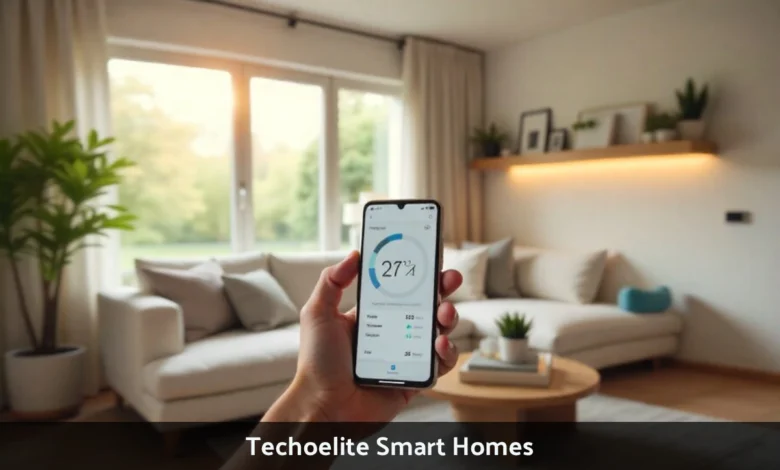
Techoelite Smart Homes integrates automated systems that control lighting, climate, security, and appliances through a single platform. Users can manage everything via smartphone or voice commands, saving up to 30% on energy costs while enhancing home security.
Your home should work for you, not the other way around. You’re rushing to work and realize you forgot to turn off the lights. Or maybe you’re concerned about home security while traveling. These daily frustrations don’t need to exist anymore.
Techoelite Smart Homes makes these problems disappear by providing intelligent living spaces where you control everything with your smartphone, tablet, or voice command. This isn’t science fiction. Smart home technology has moved from a luxury status to an everyday essential, transforming how people interact with their living spaces.
This guide covers everything you need to know about Techoelite Smart Homes. You’ll learn how the technology works, what features matter most, and how much money you can save. We’ll also explore real-world benefits that go beyond convenience.
What Makes Techoelite Smart Homes Different
The platform stands out because it connects all your devices through one central system. Most smart home platforms struggle with compatibility issues. Different brands don’t play well together. Techoelite solves this problem.
The system integrates with voice assistants such as Amazon Alexa, Google Assistant, and Apple Siri. You don’t need separate apps for every device. Everything connects through one central platform that controls lighting, security, and climate control.
The setup process takes minutes, not hours, as these smart homes are designed while taking into consideration the true end-users. Lights turn on as you enter a room. The thermostat changes temperature according to what you do throughout the day. Your home learns your patterns and adjusts automatically.
How the System Works
Techoelite smart homes operate through an interconnected network of devices, making everyday tasks effortless. The backbone of these smart homes lies in their central hub, which connects all devices, allowing them to communicate effectively.
You can monitor and control different features via smartphones, tablets, or voice commands using platforms like Amazon Alexa or Google Assistant. Users create automated “scenes” that adjust multiple settings at once. A “Goodnight” scene dims the lights, locks the doors, and sets your thermostat for sleep—all triggered automatically or with one tap.
Energy Savings That Actually Matter
Can smart home devices really cut your utility bills? The data says yes.
Smart homes use an estimated 30-40% less energy on average, though results depend on how you use the technology and your home’s existing efficiency.
A smart thermostat alone can save homeowners up to 10-15% on heating and cooling bills. Smart lighting can cut down electricity usage by as much as 75% compared to traditional bulbs.
Remotely controlling your temperature via smartphone can reduce energy consumption and save up to $50 (roughly 8% of your heating and cooling bills) annually, according to ENERGY STAR. That’s real money back in your pocket.
Here’s how the savings break down:
- Smart thermostats: Learn your schedule and habits, automatically adjusting temperature when you’re away or sleeping
- Smart lighting: LED bulbs use 75% less power and last up to 25 times longer than traditional bulbs
- Smart plugs: Combat phantom energy drain from devices in standby mode, saving 5-10% on electricity bills
- Automated climate control: Reduces heating and cooling waste by responding to occupancy
The key to maximizing savings? Let the automation work. Manual overrides and incorrect settings can reduce potential benefits.
Security Features That Protect Your Home
CCTV cameras, smart locks, video doorbells, and complete intrusion detection systems give complete peace of mind in terms of coverage, monitoring, and action regarding real-time notifications and live surveillance of your house, worldwide.
Modern security systems transform home protection:
Smart Locks and Access Control: Lock or unlock doors remotely. Grant temporary access to guests or service providers. Receive alerts when someone enters or exits.
Video Surveillance: High-definition cameras with night vision capabilities. Motion detection that filters false alarms. Cloud storage for video history.
Real-Time Monitoring: Check your home’s status anytime from your phone. Receive instant alerts if sensors detect unusual activity. Verify threats before emergency dispatch.
Forgot to lock the door after leaving? Handle it from your phone. These systems eliminate the anxiety of wondering whether you secured your home.
Property Value Boost
Smart home technology isn’t just about convenience—it’s an investment.
Installing smart devices in your home can increase its resale value by 5%, per The CE Shop. When you choose Techoelite, you’re not just upgrading your home. You’re making a smart financial investment.
Among U.S. households with internet access, 45% have at least one smart home device, according to Parks Associates’ Smart Home Dashboard. Nearly one in five (18%) households have six or more smart home devices.
Modern buyers expect smart features. Properties with smart technology sell faster and command higher prices. Installing Techoelite systems positions your home competitively in today’s market.
Top 10 Techoelite Smart Home Features
1. Voice-Controlled Operations
Command your entire home without lifting a finger. Ask Alexa to adjust the temperature. Tell Google to dim the lights. Voice assistants eliminate the need to physically interact with switches or controls.
2. Automated Climate Control
A smart thermostat provides a simple way to manage your home’s temperature, often reducing your energy by 15-20 percent. Some models link to your smartphone’s location, adjusting temperature based on whether the house is occupied.
3. Smart Lighting Systems
Control brightness, color, and schedules from your phone. Set routines for different times of day—bright light for morning productivity, warm tones for evening relaxation. Lights can automatically shut off when rooms are empty.
4. Advanced Security Integration
Motion sensors detect movement. Cameras provide crystal-clear monitoring. Smart locks secure entry points. All systems connect through one dashboard, giving you complete visibility.
5. Energy Monitoring
Track which devices consume the most power. Identify opportunities to reduce waste. Some systems analyze patterns and suggest changes that lower utility bills.
6. Smart Appliances
Refrigerators that remind you when you’re low on milk. Ovens that preheat before you get home. Dishwashers that run during off-peak hours to save money. These appliances sync with your habits and follow recipes step-by-step.
7. Automated Window Treatments
Smart blinds and curtains adjust based on time of day and temperature. They maximize natural light while minimizing heat gain. This reduces your reliance on artificial lighting and air conditioning.
8. Water Management
Smart irrigation systems adjust watering schedules based on weather data. Leak detectors alert you to problems before they cause damage. Water monitors track usage and identify inefficiencies.
9. Entertainment Integration
Control your entire home theater system with voice commands. Audio systems stream music throughout the house. Everything synchronizes for a seamless entertainment experience.
10. Custom Automation Scenes
Create personalized scenarios for different situations. “Good Morning,” scenes gradually brighten the lights and start your coffee maker. “Vacation” modes simulate occupancy to deter intruders.
Market Growth and Industry Trends
The smart home industry is exploding.
The global smart home market was estimated at $127.67 billion in 2024, according to Precedence Research. Industry experts estimate the market size will increase to $1.4 trillion by 2034, reflecting a compound annual growth rate (CAGR) of 27.1% from 2025-2034.
The global smart home market size was valued at USD 121.59 billion in 2024 and is projected to grow from USD 147.52 billion in 2025 to USD 633.20 billion by 2032, exhibiting a CAGR of 23.1% during the forecast period.
The U.S. smart home market size was valued at USD 28.30 billion in 2024. The market is projected to grow from USD 33.26 billion in 2025 to USD 99.40 billion by 2032, exhibiting a CAGR of 16.9% during the forecast period.
Why the explosive growth? People want homes that adapt to their lifestyles. Working from home became permanent for many. Energy costs continue rising. Security concerns remain top of mind. Smart home technology addresses all these needs.
Installation and Setup Simplicity
One of Techoelite’s biggest advantages? Setup doesn’t require technical expertise.
The system uses a unified platform that eliminates complicated installations. Most devices connect wirelessly, reducing the need for rewiring. The companion app walks you through each step with clear instructions.
Professional installation is available for those who prefer expert help. Many users complete basic setups independently within an hour.
Device compatibility matters. Techoelite works with major brands across categories—Amazon Echo, Google Nest, Apple HomeKit, and Samsung SmartThings. This flexibility lets you choose devices that fit your budget and preferences.
Common Concerns Addressed
“Will I actually save money?”
The numbers don’t lie. With energy savings of around $100 per year, most smart thermostats pay for themselves in just a few years. Add smart lighting, plugs, and other devices, and savings compound quickly.
“Is my data secure?”
Reputable systems like Techoelite use encryption and regular security updates. Enable two-factor authentication. Create strong passwords. Keep firmware updated. These steps protect your network.
“What if the internet goes down?”
Most smart devices have manual override options. Smart locks include physical keys. Thermostats maintain their last settings. You won’t lose basic functionality during outages.
“Is it too complicated for older adults?”
Modern systems prioritize simplicity. Voice control eliminates the need to navigate apps. Automation means less active management. Many seniors find smart homes easier than traditional setups.
Cost Breakdown and ROI
Smart home investments vary widely based on your goals.
Basic Starter Package ($500-$1,000):
- One smart thermostat
- Smart lighting for main rooms
- Basic security camera
- Smart plugs for key appliances
Mid-Range Setup ($2,000-$4,000):
- Multiple smart thermostats
- Whole-home lighting control
- Complete security system with cameras and sensors
- Smart locks and doorbell
- Voice assistant integration
Premium Installation ($5,000+):
- Professional whole-home automation
- Advanced climate zones
- Commercial-grade security
- Smart appliances
- Custom automation programming
The average fully automated smart home saves hundreds annually on energy bills. Factor in the 5% property value increase, and the ROI becomes clear within 3-5 years.
Maintenance and Updates
Smart home systems require minimal maintenance.
Software updates happen automatically for most devices. Replace batteries in wireless sensors annually. Clean camera lenses quarterly for optimal video quality.
The ecosystem evolves with new device releases. Your Techoelite system grows with you—add devices as needs change or budget allows.
Environmental Impact
Beyond personal savings, smart homes benefit the planet.
Reduced energy consumption means lower carbon emissions. Heating and cooling account for nearly 40 percent of total energy use in homes. Optimizing these systems makes a significant environmental difference.
Smart irrigation prevents water waste. Automated lighting ensures power isn’t consumed unnecessarily. These small efficiencies add up across millions of homes.
Getting Started with Techoelite
Ready to transform your home? Start with these steps:
- Assess your priorities: Security? Energy savings? Convenience? Focus on your main goals.
- Start small: Begin with a smart thermostat or lighting. Experience the benefits before expanding.
- Check compatibility: Ensure devices work with your existing smartphone and WiFi network.
- Growth plan: Choose a platform that supports adding devices over time.
- Set automation rules: Create scenes and schedules that match your lifestyle.
- Monitor and adjust: Review energy reports. Tweak settings for optimal performance.
The Techoelite platform makes expanding your system straightforward. Add one device at a time or go all-in with a comprehensive installation.
Final Thoughts
Techoelite Smart Homes represents more than technological advancement. It’s a lifestyle upgrade that prioritizes comfort, security, and efficiency.
57% of Americans use smart devices to save time. You eliminate daily tasks. No more walking around to turn off lights. No more worrying about whether you locked the door.
The market momentum is undeniable. Smart home technology shifted from novelty to necessity. Early adopters gain the most benefits—immediate energy savings, enhanced security, and increased property value.
Your home should anticipate your needs and adapt accordingly. With Techoelite Smart Homes, that vision becomes reality today.
Frequently Asked Questions
What internet speed do I need for Techoelite Smart Homes?
A minimum of 25 Mbps handles most smart home setups. Homes with multiple cameras or streaming devices benefit from 50-100 Mbps. The more connected devices you have, the higher bandwidth you’ll need.
Can I install Techoelite devices myself?
Yes. Most devices connect wirelessly and include straightforward installation guides. Smart plugs, bulbs, and thermostats typically install in minutes. Complex systems like whole-home security may benefit from professional installation.
Do smart home devices work during power outages?
Battery-powered devices continue functioning. Smart locks include physical key backups. Once power returns, devices reconnect automatically. Critical systems like security cameras can connect to backup power sources.
How long do smart home devices last?
Quality devices last 5-10 years with proper maintenance. LED smart bulbs last up to 25 years. Software updates extend device lifespan by adding new features and improving performance.
Are smart homes vulnerable to hacking?
Properly configured systems are secure. Use strong, unique passwords. Enable two-factor authentication. Keep firmware updated. Change default device passwords immediately after installation. These steps minimize security risks.