Tang Palace Feudal Decor Bedroom: Your Complete Guide to Imperial Elegance
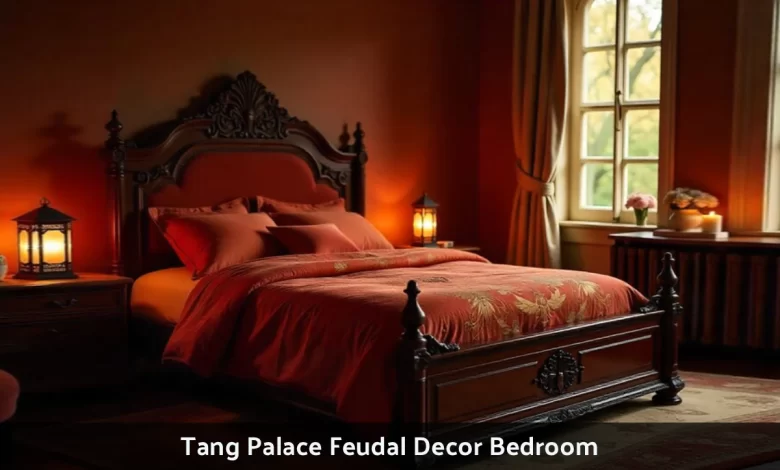
Tang Palace feudal decor bedroom style draws inspiration from the Tang Dynasty (618–907 AD), featuring rich color palettes of warm golds, deep reds, and jade greens, paired with natural materials like rosewood furniture, silk textiles, and ornate carvings. The style combines Feng Shui principles with imperial aesthetics to create bedrooms that balance serenity with grandeur.
You want to transform your bedroom into something special. The Tang Palace feudal decor bedroom offers that transformation by bringing centuries of Chinese artistic excellence into your home. This design style captures the confidence and prosperity of one of China’s golden eras.
What Makes Tang Palace Bedroom Design Unique
The Tang Dynasty (618–907 AD) was one of the most prosperous and artistically advanced periods in Chinese history. During this era, imperial bedrooms became spaces where every element served a purpose.
Chinese architecture is characterized by bilateral symmetry, use of enclosed open spaces, feng shui principles, a horizontal emphasis, and symbolic elements. These principles shaped bedroom design during the Tang period.
The design philosophy centers on three key concepts:
- Balance between structure and nature
- Harmony through careful material selection
- Symbolism woven into every detail
Wood was the dominant building material during the Tang Dynasty, though brick and stone gradually became more common for certain structures. For bedrooms, wood remained the primary choice because of its warmth and connection to nature.
Core Colors in Tang Palace Feudal Decor Bedroom
The color palette often includes warm golds, deep reds, jade greens, and soft ivory tones. These weren’t random choices. Each color carried meaning.
The primary color scheme in the Tang dynasty style is red and white, occasionally with green doors and windows. Red brought energy and passion to the space. Gold highlighted luxury and imperial authority. Green represented growth and tranquility.
You can apply these colors through:
- Wall treatments in soft ivory or warm cream
- Red accent pillows or silk throws
- Gold leaf details on furniture or frames
- Jade green ceramics or decorative pieces
Light plays a crucial role. The lighting is soft and ambient, often using lantern-style lamps or diffused ceiling lights to mimic the gentle glow of candles once used in Tang palaces.
Furniture Selection and Placement
The centerpiece is typically a large wooden bed made from rich woods like rosewood or elm, with headboards often intricately carved with floral or cloud patterns.
Tang Dynasty buildings primarily used timber frames with wooden structures, and furniture followed these same principles. The bed should sit on a platform or have visible legs to allow energy flow beneath it.
Additional furniture pieces include:
- Low wooden tables with carved details
- Antique-style cabinets for storage
- Decorative screens to divide spaces
- Wooden chairs with curved backs
Feng Shui was formalized during the Tang dynasty and aims to achieve fullness of body and mind by paying attention to interior layout. This means furniture arrangement matters just as much as the pieces themselves.
Place your bed where you can see the door without being directly in line with it. This “command position” creates a sense of security. Leave equal space on both sides of the bed for balance.
Textiles and Fabrics That Define the Style
Silk and brocade are the dominant materials used for curtains, cushions, and bedding, often embroidered with delicate motifs symbolizing luck, longevity, and harmony.
Tang Dynasty art featured woven, dyed, printed, and embroidered silk as major decorative elements. These luxurious fabrics added both visual interest and tactile comfort.
Layer your textiles for depth:
- Silk duvet covers with subtle patterns
- Brocade cushions in coordinating colors
- Embroidered throw pillows with traditional motifs
- Handwoven rugs or floor mats
During Tang times, women used mineral pigments to dye silk, wrapping stones with wet rice paper or cotton to slowly seep color into the fabric. While you don’t need to replicate ancient dyeing methods, understanding this craftsmanship helps you appreciate authentic pieces.
Symbolic Motifs in Tang Bedroom Decor
Every decorative element in a Tang Palace feudal decor bedroom tells a story.
The dragon symbolizes the emperor and represents fertility, while the phoenix embodies warmth and helps produce male offspring, together representing marital bliss. During the Tang Dynasty, the Phoenix was seen as a symbol of high virtue and grace.
The lotus signifies purity and enlightenment due to its growth from mud. Cloud patterns represent heaven and transcendence. These symbols appear on:
- Carved wooden headboards
- Embroidered silk panels
- Painted wall scrolls
- Ceramic vases and decorative pieces
Dragons represent strength and wisdom, phoenixes symbolize grace and renewal, and lotus flowers embody purity and enlightenment. Choose one or two primary symbols that resonate with your intentions for the space.
Wall Art and Decorative Elements
Traditional murals or framed scrolls depicting landscapes, calligraphy, or mythical scenes bring life to the space, while gold accents and hand-painted patterns on wall panels add depth.
Tang Dynasty art valued brushwork and composition. Calligraphy was already well-established as a major art form during the Tang period, influencing painting, where critics looked for forceful brush strokes and variation.
Your wall treatments might include:
- Landscape paintings in traditional ink style
- Calligraphy scrolls with meaningful phrases
- Hand-painted panels with nature scenes
- Silk tapestries with historic motifs
Porcelain vases, ceramic figurines, and incense burners enhance the sensory experience. These finishing touches complete the immersive atmosphere.
Feng Shui Principles for Tang Bedroom Layout
Originally, Feng Shui was used to determine optimal locations for building homes where energy flows were most harmonious. You can apply these same principles to your bedroom.
Key Feng Shui guidelines:
- Position the bed against a solid wall
- Ensure you can see the door from bed
- Allow energy to flow freely around furniture
- Keep the space uncluttered and organized
- Balance the five elements: wood, fire, earth, metal, water
The bed should not be placed in the axis between the door and windows, where energy must circulate freely. This placement disrupts rest and creates instability.
Add natural elements to balance energy. Wood, silk, ceramics, and stone are carefully chosen to reflect harmony, bringing warmth and authenticity.
Blending Modern Comfort with Historical Style

By fusing the ancient with the modern to create a unique design story, hotels and homes create fresh perspectives on historical elements, allowing people to enjoy traditional culture in a rejuvenated way.
You don’t need to sacrifice modern amenities. Instead, integrate them thoughtfully:
- LED lights inside traditional lantern fixtures
- Climate control hidden behind decorative screens
- Modern mattresses on period-style bed frames
- Smart storage within antique-style cabinets
Today’s designers reinterpret traditional elements with modern materials and technology, creating spaces that are both elegant and practical. The goal is comfort without compromising authenticity.
Practical Steps to Create Your Tang Palace Bedroom
Start with a solid foundation. Choose your color scheme first, then build from there.
Step 1: Select a wooden bed frame with carved details or add a decorative headboard.
Step 2: Layer silk or brocade bedding in rich colors that complement your walls.
Step 3: Add side tables or cabinets in dark wood finishes.
Step 4: Hang wall art that reflects traditional Chinese landscapes or calligraphy.
Step 5: Include decorative elements like porcelain vases, lanterns, or ceramic pieces.
Step 6: Position everything according to Feng Shui principles for optimal energy flow.
A key aspect of success lies in simplicity and intention, avoiding clutter and focusing on meaningful pieces that tell a story.
Where to Source Authentic Tang Style Pieces
Finding authentic or authentic-looking pieces requires some research. Look for:
- Asian antique dealers specializing in Chinese furniture
- Online marketplaces with verified sellers
- Home decor stores carrying Asian-inspired collections
- Custom furniture makers who can replicate traditional designs
- Estate sales and auctions featuring Asian art
When shopping, prioritize quality over quantity. Each piece of furniture is not only functional but also a piece of art that contributes to the story of the room. One exceptional carved cabinet means more than five mediocre pieces.
Verify materials and craftsmanship. Solid wood beats veneer. Hand embroidery surpasses printed patterns. These details create authenticity.
Maintaining Your Tang Palace Bedroom
Natural materials require proper care. Wood furniture needs occasional oiling to prevent drying. Silk textiles should be cleaned professionally or hand-washed gently.
Keep the space organized. The arrangement follows principles of openness and flow, with spaces uncluttered to allow positive energy to circulate freely.
Rotate decorative elements seasonally if desired. This keeps the room feeling fresh while maintaining its core aesthetic.
Final Thoughts
The Tang Palace feudal decor bedroom brings imperial elegance into your personal space. It’s more than interior design. It’s a connection to centuries of artistic achievement and philosophical wisdom.
The enduring appeal lies in its ability to connect us with history while elevating modern living, creating not only a beautiful bedroom but also a serene retreat that nurtures the soul.
Start with one element that speaks to you. Maybe it’s a carved wooden bed frame. Perhaps it’s silk bedding in rich crimson. Build from there, adding pieces that feel authentic and meaningful.
Your bedroom should reflect your appreciation for craftsmanship, balance, and beauty. The Tang Palace style offers all three, creating a space where you can truly rest and recharge.
FAQs
What is the most important furniture piece in a Tang Palace bedroom?
The bed is the centerpiece. Choose a wooden frame with carved details and pair it with a solid headboard against a wall for stability and symbolic support.
Can I create this style in a small bedroom?
Yes. Focus on key elements like color palette, a quality furniture piece, and minimal symbolic decor. Feng Shui principles actually work better in organized, uncluttered small spaces.
Where can I buy authentic Tang Dynasty-style furniture?
Look for Asian antique dealers, specialty online retailers, or custom furniture makers. Verify materials and craftsmanship before purchasing.
Do I need to follow all Feng Shui rules?
The basic principles—bed placement, energy flow, and clutter control—make the biggest difference. Start there and add other rules as you become comfortable with the practice.
How do I balance modern technology with traditional design?
Hide modern elements behind decorative screens, use LED lights in traditional fixtures, and choose period-appropriate covers for electronics. The goal is seamless integration, not elimination.