Complete Succulent Care Guide: Types, Tips & Growing Success
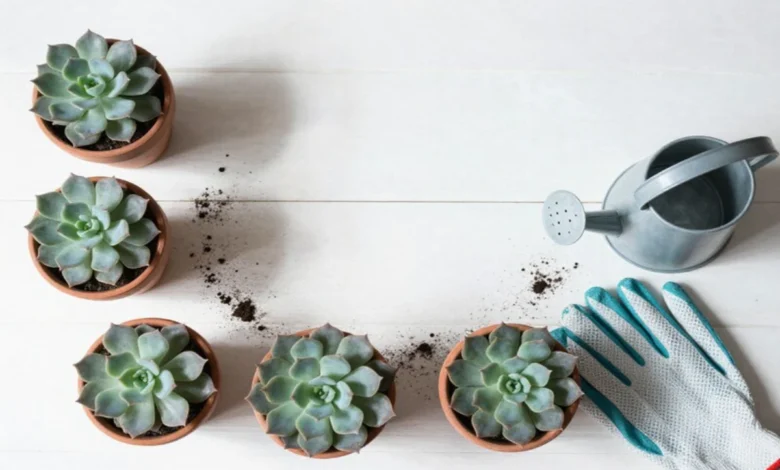
Succulents are water-storing plants with thick, fleshy leaves that thrive in dry conditions. They need bright light (4-6 hours daily), well-draining soil, and infrequent watering. Let the soil dry completely between waterings. Popular types include echeveria, jade plant, aloe vera, and haworthia. Perfect for beginners.
You forgot to water your plants again. Most houseplants would be dead by now, but your succulent? It’s still thriving.
That’s the magic of succulents. These desert survivors store water in their leaves, making them nearly impossible to kill. The global succulent plant market reached $5.08 billion in 2025, driven by urbanization and demand for low-maintenance indoor plants. Whether you’re new to plant care or have a self-described “black thumb,” succulents offer an easy entry point into indoor gardening.
This guide covers everything you need to know about succulent care, from choosing the right varieties to troubleshooting common problems.
What Makes Succulents Different
The word “succulent” comes from the Latin “sucus,” meaning juice or sap. These plants evolved to survive in harsh, dry environments by storing water in their thick leaves, stems, or roots. This adaptation makes them incredibly drought-tolerant.
Not all succulents belong to the same plant family. They’re grouped by what they do, not by their genetic relationships. You’ll find succulents in dozens of plant families, each with unique shapes, colors, and growth patterns.
Here’s what sets them apart:
- Thick, fleshy leaves that hold moisture
- Waxy or hairy coatings that reduce water loss
- Shallow root systems that quickly absorb rainfall
- Slow growth rates that conserve energy
- Ability to survive weeks without water
Over 10,000 succulent species exist across multiple plant families, including Crassulaceae, Aizoaceae, and Euphorbiaceae. This diversity means you can find a succulent for nearly any growing condition or aesthetic preference.
Popular Succulent Types for Your Home
Choosing your first succulent doesn’t have to be overwhelming. Start with these beginner-friendly varieties that tolerate mistakes and adapt well to indoor conditions.
Echeveria
These rosette-shaped beauties look like blooming flowers frozen in time. Their plump, pointed leaves come in shades ranging from pale blue-green to deep purple. Echeveria species stay compact, making them perfect for small pots or dish gardens.
Care requirements: Bright, indirect light and water only when the soil is completely dry.
Jade Plant (Crassula ovata)
The jade plant is the classic succulent houseplant. It features thick, glossy green leaves on woody stems that give it a miniature tree appearance. With proper care, jade plants can live for decades and may even produce small white or pink flowers.
This variety tolerates lower light better than most succulents, though it prefers bright conditions.
Aloe Vera
Beyond its medicinal properties, aloe vera makes an excellent houseplant. Its spiky green leaves grow in an upright rosette pattern. The gel inside the leaves soothes burns and skin irritations, making this a functional addition to your plant collection.
Aloe needs plenty of bright light to stay healthy. Without adequate sunlight, the leaves become thin and pale.
Haworthia
If your home lacks bright windows, haworthia species are your best bet. These small, striped succulents tolerate lower light levels better than most varieties. Haworthia works well for indoor conditions and shade tolerance. The zebra plant (Haworthiopsis fasciata) is particularly popular, with white bands across its dark green leaves.
Snake Plant (Sansevieria)
Snake plants barely qualify as succulents based on appearance, but their thick, water-storing leaves earn them the title. The snake plant was named 2025’s plant of the year for its exceptional hardiness. These plants survive in conditions that would kill most houseplants, from low light to irregular watering.
Their upright, sword-shaped leaves add architectural interest to any room.
Light Requirements for Healthy Growth
Succulents evolved in sunny, desert-like climates. They need substantial light to maintain their compact shape and vibrant colors.
Most succulents need 4-6 hours of bright light daily. South-facing windows provide ideal conditions for light-hungry varieties. East or west-facing windows work for species that prefer indirect light.
Signs Your Succulent Needs More Light
Watch for these warning signals:
- Leaves stretching toward the light source
- Elongated stems with gaps between leaves (etiolation)
- Faded colors, especially in naturally colorful varieties
- Leaning or toppled plants
Preventing Sun Damage
Too much direct sun can burn succulent leaves, especially if you move plants suddenly from shade to bright light. Acclimate them gradually over 7-10 days.
Burnt leaves show these symptoms:
- Brown or beige patches on leaf surfaces
- Faded green pigment
- Black, dried-out areas that eventually fall off
Rotate your plants every week or two to ensure even light exposure on all sides. This prevents lopsided growth and keeps rosettes centered.
If natural light is limited, full-spectrum grow lights provide an effective solution. Place lights 6-12 inches above plants and run them for 12-14 hours daily.
Proper Watering Techniques
Overwatering kills more succulents than any other care mistake. These plants evolved to survive long dry periods, not constant moisture.
The golden rule: let soil dry completely between waterings.
How to Water Correctly
Follow this simple process:
- Check if the soil is bone dry by inserting your finger 2 inches deep
- If soil clings to your finger, wait another few days
- When ready, water thoroughly until water drains from the pot’s holes
- Let excess water drain completely before returning the pot to its saucer
- Empty any water that collects in the saucer after a few hours
Never let succulents sit in standing water. This causes root rot, which is difficult to reverse.
Seasonal Watering Adjustments
Succulents need less water in winter when they enter dormancy. During short winter days, succulents may need watering only once a month or less. In spring and summer, you’ll water more frequently as plants actively grow.
Temperature and humidity also affect watering needs. Hot, dry conditions mean more frequent watering. Cool, humid environments require less.
Signs of Watering Problems
Overwatering symptoms:
- Soft, mushy leaves
- Yellow or translucent leaves
- Black spots or rot on stems
- Leaves falling off easily
- Foul smell from the soil
Underwatering symptoms:
- Wrinkled, shriveled leaves
- Dry, crispy leaf tips
- Leaves are dropping from the bottom of the plant
- Slow or stopped growth
Succulents bounce back more easily from underwatering than from overwatering. When in doubt, wait another day before watering.
Soil and Potting Essentials
Standard potting soil holds too much moisture for succulents. They need a mixture that drains quickly and provides good air circulation around roots.
Best Soil Mix Options
Pre-made cactus and succulent mixes work well for most varieties. These blends typically contain:
- Regular potting soil as a base
- Coarse sand for drainage
- Perlite or pumice for aeration
- Sometimes, small amounts of organic matter
You can also create your own mix by combining equal parts potting soil, coarse sand, and perlite.
Specialized indoor succulent soil provides large air pockets and prevents water accumulation. The goal is soil that dries quickly but still provides some water retention.
Choosing the Right Container
Drainage holes are non-negotiable for succulent pots. Without them, water accumulates at the bottom and causes root rot.
Select a pot that’s 1-2 inches larger than the plant’s base. Oversized containers hold too much soil moisture, which keeps roots wet longer than succulents prefer.
Terracotta pots offer an advantage over plastic or ceramic pots. The porous material wicks moisture away from the soil, helping it dry faster. This provides an extra safety margin against overwatering.
When to Repot
Repot succulents when:
- Roots grow through drainage holes
- The plant becomes top-heavy and unstable
- Soil stays wet for extended periods
- The plant hasn’t been repotted in 2-3 years
Spring is the ideal time for repotting, as plants enter their active growth phase.
Temperature and Humidity Needs
Succulents prefer warm, dry conditions that mimic their native habitats. Most varieties thrive in temperatures between 60-80°F.
Avoid placing succulents:
- Near cold drafts from air conditioning
- Next to heating vents that blow hot, dry air
- In rooms below 50°F
- Near windows in winter, where cold glass can damage leaves
Ideal temperatures for succulents range from 60 to 80 degrees Fahrenheit. Extreme heat above 90°F can stress plants and cause leaves to shrivel, even with adequate water.
Most homes provide suitable humidity levels for succulents. These plants evolved in arid climates and don’t need the high humidity that tropical plants require. Average indoor humidity of 30-50% works fine.
Feeding Your Succulents
Succulents are light feeders. They extract most nutrients from their soil and don’t require frequent fertilization.
During the growing season (spring and summer), you can fertilize monthly with a balanced, water-soluble fertilizer. Dilute it to half the recommended strength to avoid burning roots.
Use a formula with equal NPK ratios, such as 10-10-10 or 20-20-20. Some gardeners prefer specialized cactus fertilizers with slightly different ratios.
Stop fertilizing in fall and winter when plants go dormant. Feeding during dormancy can cause weak, leggy growth.
Signs you’re over-fertilizing:
- Salt buildup on the soil surface
- Brown leaf tips
- Stunted growth
- Leaf discoloration
If you see these symptoms, flush the soil with water several times to remove excess salts.
Common Problems and Solutions
Even low-maintenance succulents encounter occasional issues. Here’s how to identify and fix common problems.
Stretched, Leggy Growth (Etiolation)
This happens when succulents don’t receive enough light. They stretch toward available light, creating long stems with widely spaced leaves.
Solution: Move the plant to a brighter location. You can also prune stretched stems and propagate them to create new, compact plants.
Leaf Drop
Leaves falling off can signal several problems:
- Bottom leaves: Normal aging process
- Multiple leaves: Usually overwatering
- Sudden drop: Environmental stress or temperature shock
Solution: Adjust watering schedule and ensure stable growing conditions.
Pests
Succulents grown indoors are more prone to pest issues than outdoor plants. Common pests include:
- Mealybugs: White, cottony masses on leaves or stems
- Scale: Brown bumps on leaves
- Fungus gnats: Small flies around soil (sign of overwatering)
Solution: Isolate affected plants. Remove pests with rubbing alcohol on a cotton swab. Spray plants with neem oil or insecticidal soap. Address watering issues that attracted pests.
Root Rot
This serious condition results from overwatering. Affected roots turn black and mushy, and the plant cannot absorb water properly.
Solution: Remove the plant from its pot and inspect the roots. Cut away rotted sections with sterile scissors. Let the plant dry for several days, then repot in fresh, dry soil. Adjust watering practices.
Propagating Your Succulents
One of the best things about succulents is how easily they propagate. You can create new plants from leaves, stem cuttings, or offsets.
Leaf Propagation
Many succulents, especially echeveria and sedum varieties, grow new plants from individual leaves.
- Gently twist a healthy leaf from the stem
- Let it dry for 2-3 days until the wound calluses
- Place the leaf on dry soil
- Wait for roots and a tiny rosette to form (2-4 weeks)
- Once roots develop, lightly mist the soil
- When the new plant is established, the mother leaf will shrivel
Stem Cuttings
This method works well for branching succulents like jade plants and trailing varieties.
- Cut a healthy stem with clean, sharp scissors
- Let the cutting dry for 3-5 days
- Plant the calloused end in succulent soil
- Wait to water until roots form (7-14 days)
- Begin normal watering once established
Division and Offsets
Some succulents produce baby plants (offsets or “pups”) around the base. Sempervivum and aloe species commonly create these.
Simply separate the offset from the mother plant and pot it independently. These already have root systems and establish quickly.
Succulent Care Calendar
Spring (March-May)
- Resume normal watering as plants exit dormancy
- Begin monthly fertilizing
- Repot if needed
- Start propagation projects
Summer (June-August)
- Water more frequently in hot weather
- Protect outdoor succulents from intense afternoon sun
- Continue monthly feeding
- Watch for pests
Fall (September-November)
- Gradually reduce watering frequency
- Stop fertilizing by mid-fall
- Bring outdoor succulents inside before the first frost
- Prepare for dormancy
Winter (December-February)
- Water sparingly, only when leaves show signs of thirst
- No fertilizer needed
- Ensure adequate light as days shorten
- Keep plants away from cold windows and drafts
Choosing Succulents for Specific Conditions

Low Light Conditions
These varieties tolerate dimmer indoor spaces:
- Haworthia species
- Gasteria species
- Snake plant
- ZZ plant (technically a succulent)
Bright, Direct Sun
For sunny windowsills or outdoor spaces:
- Aloe vera
- Agave
- Sedum varieties
- Aeonium
Small Spaces
Compact varieties perfect for desks or small shelves:
- Lithops (living stones)
- Haworthia cooperi
- Echeveria ‘Perle von Nürnberg’
- Mini jade plants
Hanging Displays
Trailing succulents for baskets or wall planters:
- String of pearls (Senecio rowleyanus)
- Burro’s tail (Sedum morganianum)
- String of bananas
- Trailing jade
Creating a Succulent Garden
Combining multiple succulents in one container creates visual interest and allows you to grow several varieties in limited space.
Design Principles
- Mix different heights, textures, and colors
- Group plants with similar water and light needs
- Leave space for growth, don’t overcrowd
- Use odd numbers of plants (3, 5, 7) for better composition
- Include a “thriller” (tall focal point), “filler” (mid-height body), and “spiller” (trailing accent)
Container Considerations
Shallow bowls and wide pots work better than deep containers for succulent arrangements. These allow proper drainage and suit the shallow root systems.
Add a layer of decorative gravel or stones on top of the soil. This improves drainage near the stems and creates a finished look.
Succulent Care Myths Debunked
Myth: Succulents Don’t Need Water
Reality: While drought-tolerant, succulents still need regular watering. They just need less than most plants and prefer infrequent, deep watering over constant moisture.
Myth: All Succulents Love Full Sun
Reality: Many varieties prefer bright, indirect light or partial shade. Too much direct sun can burn leaves, especially on indoor plants suddenly moved outside.
Myth: Succulents Grow Well in Any Container
Reality: Drainage holes are essential. Glass terrariums and sealed containers trap moisture and lead to rot. If you must use a container without drainage, add a thick gravel layer and water very sparingly.
Myth: Succulents Thrive on Neglect
Reality: While forgiving, succulents still need appropriate care. The “set it and forget it” approach works better than fussing over them daily, but they’re not indestructible.
FAQs
How often should I water my succulent?
Water when the soil is completely dry, usually every 1-2 weeks in summer and every 3-4 weeks in winter. Check soil moisture with your finger before watering. The schedule varies based on temperature, humidity, pot size, and plant type.
Why are my succulent leaves turning yellow?
Yellow leaves usually indicate overwatering. The plant’s roots are sitting in too much moisture, preventing proper oxygen absorption. Reduce watering frequency and ensure your pot has drainage holes.
Can succulents survive outdoors in winter?
Some varieties like Sempervivum (hen and chicks) tolerate freezing temperatures. Most tropical succulents cannot survive frost and should be brought indoors when temperatures drop below 40°F. Research your specific variety’s cold tolerance.
Do succulents need fertilizer?
Fertilizer is optional but can promote healthier growth during the growing season. Use a balanced, diluted fertilizer once monthly in spring and summer. Stop feeding in fall and winter.
Why is my succulent stretching and losing its compact shape?
This condition, called etiolation, occurs when plants don’t receive enough light. Move your succulent to a brighter location. Stretched stems can be pruned and propagated to create new, compact plants.