Sodiceram: Complete Guide to This Advanced Ceramic Material for Home Projects
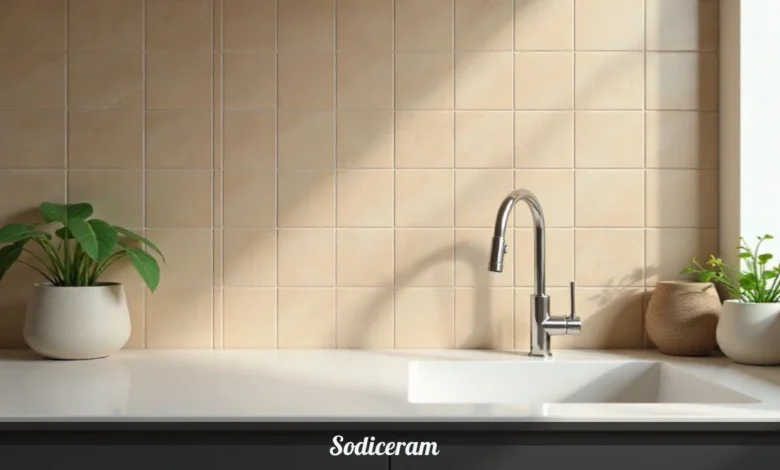
Sodiceram is a sodium-enhanced ceramic material that offers superior durability, moisture resistance, and thermal stability compared to traditional ceramics. It costs $12 to $40 per square foot installed and works well in kitchens, bathrooms, and outdoor spaces where standard tiles fail.
Choosing the right material for your home renovation can make or break your project. You want something that looks good, lasts decades, and doesn’t require constant maintenance. That’s where Sodiceram comes in.
This ceramic material has changed how homeowners approach flooring, walls, and countertops. You’ll learn what makes it different, where it works best, and whether it fits your budget.
What Makes Sodiceram Different from Regular Ceramics
Sodiceram stands apart because of its chemical composition. During production, manufacturers infuse sodium-based compounds into the ceramic matrix. This process happens at high temperatures during firing.
The sodium changes how the material vitrifies. You get a denser structure with fewer pores. Water can’t penetrate as easily. Stains don’t stick as they do on standard tiles.
Traditional ceramics crack under stress. Sodiceram resists impact better. The material can handle temperature swings without breaking. This matters in spaces that see both heat and moisture.
The surface stays smoother over time. You won’t see the same wear patterns that appear on regular ceramic after years of use.
Sodiceram Performance Benefits for Your Home
Your home puts constant demands on every surface. Sodiceram handles them better than most alternatives.
- Moisture Protection: Water damage ruins homes slowly. Bathrooms and kitchens face this risk daily. Sodiceram’s low porosity blocks water absorption. Mold and mildew have nowhere to grow. You can install it in shower walls without worry.
- Heat-resistant: kitchen environments test materials constantly. Hot pans, steam, and temperature changes stress normal tiles. Sodiceram maintains its integrity through these extremes. You can place it behind stoves or around ovens.
Impact Durability: Dropped items happen in every home. Children, pets, and daily life create wear. This material resists chips and cracks better than standard options. High-traffic areas stay intact longer.
- Maintenance Requirement: Busy homeowners need low-maintenance solutions. Sodiceram requires basic cleaning. Sweep regularly and mop with mild detergent. No special treatments or sealers needed. The surface stays clean without extra effort.
Where Sodiceram Works Best in Your House
Different rooms need different solutions. Sodiceram excels in specific applications.
Backsplashes take abuse from grease, water, and heat. Sodiceram wipes clean easily. The non-porous surface doesn’t absorb cooking oils or food stains.
Countertops see heavy use. Cutting, hot pots, and spills happen daily. This material withstands all of it. The surface stays smooth and sanitary.
Flooring in kitchens gets walked on constantly. Dropped utensils and appliances create impact stress. Sodiceram holds up to this treatment.
Bathroom Installations
Shower walls face constant moisture. Standard tiles can develop mold in grout lines. Sodiceram’s moisture resistance prevents this problem.
Floor tiles around tubs and showers get wet repeatedly. Water doesn’t penetrate the surface. Slip-resistant textures add safety.
Vanity tops need durability and style. Sodiceram provides both. Water from sinks won’t damage it.
Outdoor Spaces
Patios endure weather extremes. Rain, sun, and temperature changes test materials. Sodiceram handles these conditions without degrading.
Garden walls need weather resistance. This material doesn’t crack from freeze-thaw cycles. Colors stay vibrant in direct sunlight.
Sodiceram Installation Cost and Planning
Budget planning starts with accurate numbers. Here’s what you’ll pay.
- Material Costs Sodiceram tiles run $8 to $25 per square foot for materials alone. Premium designs with special finishes cost more. Standard patterns stay at the lower end.
- Labor Expenses: Professional installation adds $10 to $20 per square foot. Complex patterns increase labor time. Simple layouts cost less. For a 150-square-foot bathroom, expect $2,700 to $6,750 total.
- Project Preparation: Old flooring removal costs $2 to $7 per square foot. Subfloor repair adds $2.20 to $4.75 per square foot if needed. Proper preparation ensures long-term success.
- Size Considerations: Larger projects often cost less per square foot. Contractors offer better rates for bigger jobs. Small repairs might have a minimum service fee.
Compare this to standard ceramic at $12 to $40 per square foot installed. Sodiceram falls within the same range but delivers better performance.
Comparing Sodiceram to Other Ceramic Options
You have choices when selecting tiles. Understanding differences helps you decide.
Standard ceramic costs less upfront but needs replacement sooner. Chips and cracks appear within five years in busy areas. Sodiceram lasts decades with minimal wear.
Porcelain offers good durability. It costs $15 to $50 per square foot installed. Sodiceram matches this quality at similar or lower prices. Both resist moisture well.
Natural stone brings unique beauty but requires more maintenance. Sealing, special cleaners, and careful handling add ongoing costs. Sodiceram provides similar aesthetics without the extra work.
Vinyl tiles seem economical at first. They cost $2 to $10 per square foot. But they don’t handle heat well. Furniture dents them. Heavy objects leave marks. Sodiceram avoids these problems.
Choosing the Right Sodiceram for Your Project
Not all Sodiceram performs the same. Selection matters.
- Finish Types: Glossy surfaces resist stains best. They work well in kitchens and bathrooms. Cleaning takes less effort. Matte finishes hide minor scratches better. They suit living areas and bedrooms. Textured options prevent slipping. Use them in showers and outdoor spaces.
- Size and Shape: Large-format tiles create fewer grout lines. This reduces maintenance and looks modern. Smaller tiles allow more design flexibility. They work better for curved surfaces.
- Color Considerations: Light colors show less dirt day-to-day. Dark tiles highlight dust and water spots. Patterned designs hide imperfections well. Solid colors need more frequent cleaning to look their best.
- Grade Selection: Class IV and V ratings handle heavy traffic. Use them for floors in busy areas. Class II and III work for walls and low-traffic spaces. They cost less but wear faster under heavy use.
Installation Tips for Best Results
Proper installation determines how long your Sodiceram lasts.
Prepare your substrate correctly. The surface must be clean, flat, and stable. Any movement causes cracks later. Check for level across the entire area.
Use the right adhesive. Thin-set mortar works for most applications. High-heat areas need thermal-resistant products. Wet locations require waterproof options.
Space tiles evenly. Consistent grout lines look professional. They also allow for expansion and contraction. Use spacers to maintain accuracy.
Let the adhesive cure fully. Wait 24 to 48 hours before grouting. Rushing creates weak bonds. Tiles can shift if you work too soon.
Choose quality grout. Epoxy grout resists stains and moisture best. It costs more but lasts longer. Standard grout needs sealing in wet areas.
Maintenance and Long-Term Care
Sodiceram needs minimal upkeep. Follow these practices for the best results.
Sweep or vacuum regularly. This removes grit that can scratch surfaces. Do this weekly in high-traffic areas.
Mop with pH-neutral cleaners. Harsh chemicals aren’t necessary. They can damage grout over time. Warm water with mild dish soap works well.
Clean spills promptly. Even resistant surfaces look better when maintained. Don’t let liquids sit for hours.
Inspect grout annually. Look for cracks or gaps. Repair them before water gets underneath. This prevents bigger problems.
Avoid abrasive scrubbers. Soft cloths or mops protect the finish. Steel wool and rough brushes cause unnecessary damage.
Environmental Impact and Sustainability
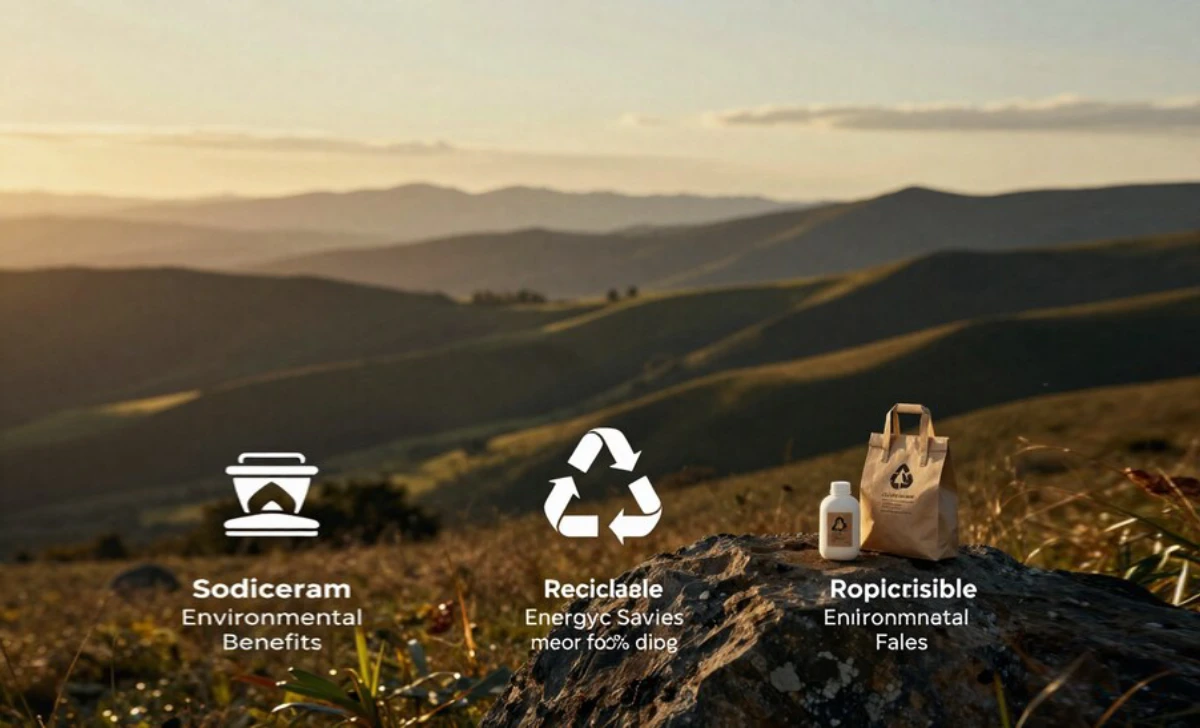
Modern homeowners care about environmental choices. Sodiceram offers several advantages.
Production uses energy-efficient kilns. Manufacturers have reduced emissions compared to older methods. Some incorporate recycled materials into the mix.
The long lifespan reduces waste. You won’t replace it every decade. Fewer materials go to landfills over your home’s lifetime.
Some Sodiceram products can be recycled. Check with manufacturers about end-of-life options. This closes the loop on material use.
Indoor air quality stays healthy. The material doesn’t release volatile organic compounds. No harmful chemicals off-gas into your home.
Common Installation Mistakes to Avoid
Homeowners and contractors make predictable errors. Prevent these issues.
Skipping subfloor preparation causes the most problems. Movement underneath creates cracks. Water damage spreads from this neglect. Always address the foundation first.
Using the wrong adhesive leads to failures. Not all mortars work in wet areas. Heat exposure requires specific products. Read labels carefully.
Insufficient curing time creates weak bonds. Tiles look fine initially. They fail months later under stress. Patience pays off.
Poor grout application lets moisture in. Gaps and thin spots compromise protection. Take time to do this step right.
Working in extreme temperatures affects the adhesive. Too hot or too cold prevents proper bonding. Check manufacturer guidelines for temperature ranges.
Real Project Examples and Results
Understanding theory helps. Seeing actual applications makes the difference.
A family in Austin renovated their kitchen in 2023. They installed Sodiceram backsplash and countertops. After two years of daily cooking, the surface shows no stains. The previous tile had developed cracks within six months.
A Portland homeowner used it for bathroom floors. The texture prevents slipping when wet. No mold has appeared in grout lines. Their previous standard ceramic required cleaning twice weekly. Sodiceram needs it once.
An Arizona patio installation withstood summer heat over 110 degrees. Winter nights dropped below freezing. The tiles didn’t crack from expansion and contraction. The homeowner reports zero maintenance beyond occasional hosing.
Final Thoughts
Sodiceram brings serious performance to home projects. The material handles moisture, heat, and impact better than standard ceramics. Installation costs match traditional options but deliver longer life.
You’ll find it works well in kitchens, bathrooms, and outdoor spaces. The low maintenance saves time and money over the years of ownership. Durability means you won’t need replacement soon.
Choose finishes based on your specific needs. Glossy for easy cleaning, matte for hiding wear, textured for safety. Match the grade to your traffic levels.
Consider this material for your next renovation. The upfront investment pays off through decades of reliable performance. Your home deserves surfaces that truly last.
FAQs
How long does Sodiceram last in high-traffic areas?
With proper installation and basic maintenance, you can expect 25 to 30 years or more. The material resists wear better than standard ceramics, which typically need replacement within 15 years.
Can I install Sodiceram myself?
DIY installation is possible if you have tile experience. The process matches standard ceramic tile installation. However, professional work ensures proper substrate preparation and adhesive selection, which prevents future problems.
Does Sodiceram need sealing?
The tile itself doesn’t require sealing due to its low porosity. However, grout lines need sealing in wet areas. Use a quality grout sealer and reapply every two years.
Will Sodiceram crack in cold climates?
No. The material handles freeze-thaw cycles better than standard ceramics. Its thermal stability prevents cracking from temperature changes. This makes it suitable for outdoor use in any climate.
How does Sodiceram compare to luxury vinyl tile?
Sodiceram costs more upfront but outlasts vinyl significantly. It handles heat better and doesn’t dent from heavy objects. Vinyl works well for budget projects, but can’t match ceramic performance in demanding environments.