Smart Stairlifts: The Complete 2026 Guide to Safe Mobility
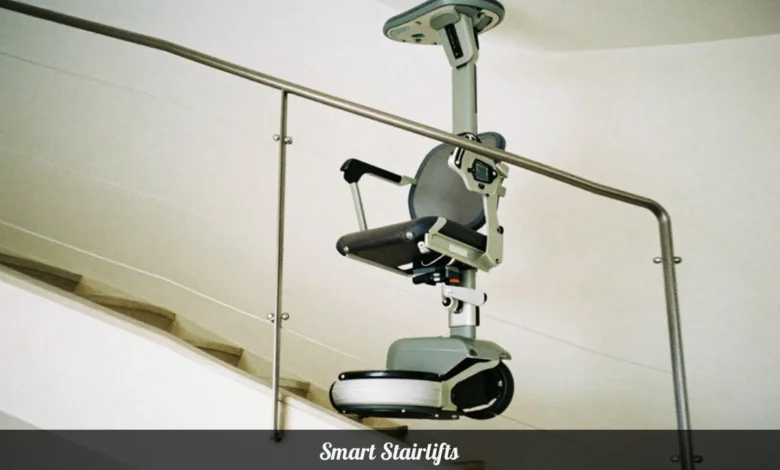
Smart stairlifts use AI sensors, smartphone controls, and voice commands to help people with mobility challenges navigate stairs safely. These motorized chairs glide along rails, featuring obstacle detection, battery backup, and remote monitoring. Prices range from $3,000 for straight models to $15,000 for curved systems, with the market projected to reach $3.6 billion by 2029.
Falls on stairs cause 36% of elderly injuries. You face this risk every day if stairs separate you from your bedroom, bathroom, or kitchen. Smart stairlifts eliminate that danger while keeping you independent.
This guide shows you how smart stairlifts work, what features matter, and how to choose the right system for your home.
What Makes a Stairlift “Smart” in 2026
Smart stairlifts go beyond basic up-and-down movement. Today’s systems connect to your phone, respond to voice commands, and monitor themselves for problems.
Modern smart features include:
- Smartphone apps that call the lift from another room and check battery levels
- Voice control through Amazon Alexa or Google Home
- AI sensors that detect obstacles and stop automatically
- Remote monitoring for service teams to troubleshoot without visiting
- Predictive maintenance alerts before problems occur
Enhanced AI sensors detect obstacles, monitor weight limits, and identify if riders aren’t secured properly. When something’s wrong, the system alerts you immediately.
The shift started around 2023 when manufacturers began adding connectivity features. By 2026, most new models will include at least basic smartphone integration.
How Smart Stairlifts Keep You Safe
Safety features separate good stairlifts from great ones. Here’s what protects you.
Obstacle Detection Systems
Smart sensors in footplates automatically stop lifts when objects appear in the path. This matters if you have pets or grandchildren visiting. The lift won’t move until the path clears.
Smooth Start-Stop Technology
Modern lifts start and stop smoothly, reducing jolts common in older models. This helps if you have arthritis or joint pain.
Battery Backup Power
Power outages won’t strand you mid-stairs. Backup batteries automatically charge when lifts sit idle and provide power for six to eight trips.
Weight and Speed Controls
Most models handle 250 to 350 pounds safely. Speed governors keep you moving at 0.16 to 0.34 miles per hour. That’s slow enough to feel secure but fast enough not to waste time.
Emergency Features
Every lift includes:
- Seat belts (often one-handed buckle designs)
- Emergency stop buttons within easy reach
- Swivel seats that lock at landings
- Pressure-sensitive controls similar to joysticks
Some advanced models connect to emergency services. If something goes wrong, the system can contact family members or medical help directly.
Understanding Smart Stairlift Types
Your staircase determines which type you need.
Straight Stairlifts
Best for: Simple staircases without turns
Straight models cost $2,000 to $5,000 and take hours. Dealers complete most projects in a single visit, keeping costs down.
These dominate sales because they’re affordable and fast to set up. If your stairs go straight up without curves or landings, this is your option.
Curved Stairlifts
Best for: Staircases with turns, corners, or multiple landings
Curved systems run $6,000 to $15,000 because rails must be custom-made for your specific layout. Modular designs introduced in 2026 make curved installations easier, with ultra-slim rails as narrow as 60mm in diameter.
The extra cost buys flexibility. These systems navigate any staircase shape, no matter how complex.
Outdoor Stairlifts
Best for: Exterior stairs, porches, or garden access
Outdoor models use weather-resistant materials and waterproof covers. Demand for outdoor systems grew 15-20% annually as more people seek durable mobility solutions.
These handle rain, heat, and dust without failing. UV-protected materials prevent sun damage.
Standing (Perch) Stairlifts
Best for: Narrow stairs or people with knee problems
Standing stairlifts use platforms to stand on with shallow ledges for perching, reducing weight on legs. They take up less space than seated models.
These help if you can’t fully bend your knees or if your staircase is too narrow for a traditional chair.
The Technology Inside Smart Stairlifts
Understanding the tech helps you choose wisely.
Smart Home Integration
Leading brands emphasize modularity and smart features like remote controls and obstacle sensors. Some systems integrate with Amazon Sidewalk and Zigbee protocols.
This means your lift talks to other smart home devices. You can include it in routines or monitor it through your main home system.
IoT Connectivity
Remote monitoring, automated call systems, and predictive maintenance alerts improve user experience and provide operational benefits. Service teams can diagnose problems without visiting your home.
This cuts repair time and costs. When something breaks, technicians arrive knowing exactly what to fix.
Battery Technology
Modern systems use DC-powered motors with lithium-ion batteries. These charges automatically during idle time and eliminate trailing power cables that create trip hazards.
Rail Design Evolution
Nearly all modern models attach only to stair treads, not walls, reducing installation damage. This makes removal cleaner if you eventually sell or move.
Real-World Costs and Value
Prices vary widely based on your needs.
Straight Stairlift Costs
- Basic models: $2,000-$3,000
- Mid-range with smart features: $3,500-$4,500
- Premium systems: $4,500-$5,000
Curved Stairlift Costs
- Standard curved: $6,000-$9,000
- Complex layouts: $9,000-$12,000
- Premium curved systems: $12,000-$15,000
Hidden Costs to Consider
Installation usually comes free with purchase. Maintenance runs $100-$300 annually if you skip service plans.
Extended warranties cost $500-$1,500 but can save thousands on repairs. Consider them if you plan to use the lift for many years.
Financing Options
Many dealers offer:
- 12-month same-as-cash financing
- Low-interest payment plans
- Used or refurbished models at 30-50% savings
- Rental programs at $200-$400 monthly
- Buyback programs if your needs change
Market Growth and Industry Trends
The smart stairlift market is booming.
The global stair lifts market was valued at $2.15 billion in 2023 and is projected to reach $3.60 billion by 2029, growing at 8.90% annually.
Smart adaptive stairlifts specifically will reach $3.47 billion by 2029 at 11.1% growth, driven by rising multi-story residential buildings.
What’s Driving Growth
The aging population leads to demand. People aged 65 or over will increase from 10% of the global population in 2022 to 16% by 2050.
Technology improvements make lifts more appealing. Smart features that were optional in 2020 are now standard.
Regional Differences
The US market reached $651.87 million in 2025 and will grow to $863.72 million by 2030 at 5.79% annually.
Europe remains the largest market, while Asia-Pacific shows the fastest growth at 9.1% annually through 2033.
Top Brands and Their Specialties
Not all stairlift makers are equal. Here’s who excels where.
Acorn Stairlifts
Known for: Fast installation and modular systems
Acorn maintains a 4.8 rating on Trustpilot with over 10,000 reviews. They specialize in quick turnaround, often installing within days of inquiry.
Their FastTrack modular rail system lets engineers assemble custom rails on-site in hours instead of waiting weeks for factory builds.
Bruno Independent Living Aids
Known for: Warranty coverage and reliability
Bruno offers lifetime warranties on indoor models. They focus on low-maintenance designs with DC-powered motors and battery backups.
Stannah
Known for: Ease of use and comfort
Stannah features separate remotes, one-handed seat belt buckles, and power swivel options. Their controls work with any part of your hand, helping people with limited dexterity.
Harmar
Known for: Heavy-duty capacity
Harmar models handle up to 600 pounds with extended warranties. They target users who need extra weight capacity.
Otolift
Known for: Slim curved designs
Otolift Modul-Air is the world’s slimmest curved stairlift with reverse drive for tight turns.
Making Your Decision: Key Factors
Choose based on these priorities.
Staircase Compatibility
Measure your stairs first. Straight runs need simple systems. Curves, landings, or turns require custom rails.
Note the width. Narrow staircases may need standing models or ultra-slim rails.
User Needs Assessment
Consider:
- Weight capacity requirements
- Ability to sit and stand
- Hand dexterity for controls
- Vision for reading displays
- Need for caregiver assistance
Installation Timeline
Straight lifts are installed the same day. Curved systems need 1-2 weeks for rail fabrication, then installation takes 3-4 hours.
If you need speed, ask about modular rail systems that dealers can customize on-site.
Service and Support
Check local service availability. You’ll need annual maintenance and occasional repairs.
Companies with 24/7 helplines solve problems faster. Look for brands with service techs in your area.
Smart Features Priority
Decide which tech matters:
- Must-have: Obstacle sensors, battery backup, remote control
- Nice-to-have: Smartphone app, voice control, remote monitoring
- Optional: Home automation integration, AI diagnostics
Installation and Maintenance
Proper setup and care extend lift life.
Installation Process
Professional installers:
- Assess your staircase and mark rail positions
- Secure track to stair treads (not walls)
- Mount the chair and test all functions
- Show you how to operate and troubleshoot
- Complete safety checks
This takes 2-4 hours for straight models, longer for curved.
Regular Maintenance
Do monthly:
- Check for unusual noises
- Test all safety features
- Clean the track from dust and debris
- Verify battery charge levels
Annual professional service includes:
- Lubricate moving parts
- Inspect electrical connections
- Test emergency systems
- Update software if applicable
Common Issues and Fixes
Track obstructions: Remove objects, clean sensors
Battery failure: Replace after 2-3 years
Sensor malfunctions: Usually need a professional reset
Most problems get solved with a service call. Don’t try complex repairs yourself.
Insurance and Funding Options
Most people pay out-of-pocket, but options exist.
Medicare and Insurance
Medicare doesn’t cover stairlifts because they’re considered home modifications, not medical equipment. Some Medicare Advantage plans include home safety benefits up to $2,000.
Check your specific plan for:
- Flex benefits for safety equipment
- Home modification allowances
- Preventive care credits
Alternative Funding
Veterans: VA Aid and Attendance Benefits may help. Nearly 19 million US veterans qualify for potential assistance.
Medicaid: Some state programs cover home modifications for eligible individuals.
Grants: Area Agencies on Aging and local nonprofits sometimes offer $500-$2,000 grants for safety equipment.
Tax deductions: Stairlifts may qualify as medical expenses if prescribed by a doctor.
The Future of Smart Stairlifts
Technology keeps improving.
Coming Innovations
Battery improvements will extend power duration and reduce charging time. Lithium-ion advancements could double current battery life by 2027.
AI-powered stairlifts will allow more intuitive control with enhanced sensors for better safety.
Voice control will expand beyond basic commands to natural conversation. You’ll talk to your lift like you talk to people.
Sustainability Focus
Manufacturers are adding:
- Energy-efficient regenerative braking systems
- Eco-friendly materials in construction
- Recyclable components for easier disposal
- Solar charging options for outdoor models
These reduce environmental impact without sacrificing performance.
Final Thoughts
Smart stairlifts transform lives by combining safety with independence. The technology has matured enough that reliability matches convenience.
Your choice depends on your staircase layout, budget, and desired features. Straight systems offer affordability and quick installation. Curved models provide flexibility for complex layouts. Smart features add convenience but aren’t mandatory for basic safety.
Start by getting free consultations from 2-3 dealers. Compare quotes, warranties, and service coverage. Test the chair if possible, to verify comfort and ease of use.
The investment pays off in safety, independence, and peace of mind. You’ll access your entire home without fear or struggle.
FAQs
How long do smart stairlifts last?
Most quality systems last 10-15 years with proper maintenance. Components like batteries need replacement every 2-3 years. Rails and motors typically last the full lifespan if maintained annually.
Can I install a stairlift myself?
Professional installation is strongly recommended. Improper setup creates safety hazards and voids warranties. Most manufacturers require certified technician installation for warranty coverage.
Do smart stairlifts work during power outages?
Yes. Battery backup systems provide power for 6-8 trips during outages. Batteries charge automatically when the lift sits idle with power available.
Will a stairlift damage my stairs?
Modern systems attach only to stair treads with minimal drilling. Removal leaves small holes easily patched. Wall damage from old systems is no longer a concern.
Can stairlifts go around corners?
Curved stairlifts navigate corners, turns, and multiple landings. Custom rails follow your staircase exactly, no matter how complex the layout.