10 Smart Balcony Ideas That Transform Small Outdoor Spaces
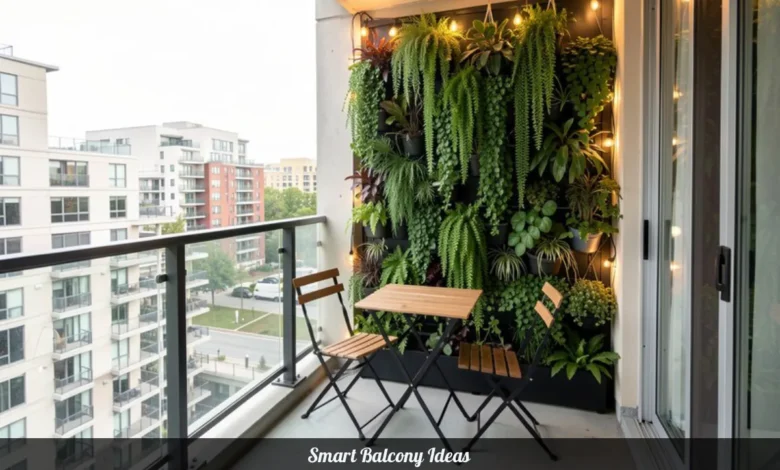
Small balconies offer huge potential when you know how to use them. Smart balcony ideas combine functional furniture, vertical gardens, privacy screens, and clever lighting to create outdoor retreats in minimal space. Focus on multi-purpose pieces like folding chairs and storage benches, then add greenery through railing planters and wall-mounted containers. Glass railings preserve views while weather-resistant materials ensure longevity. Your balcony can serve as a reading nook, dining area, or mini garden—sometimes all three.
Your balcony sits empty most days. You step outside, see the bare concrete, and head back in. What if that same space could become your favorite spot at home?
Small balconies get dismissed too quickly. People assume limited square footage means limited possibilities. The truth? A 5×9-foot balcony can function as a garden, coffee bar, and lounge area at once. You just need the right approach.
Modern apartment living demands we squeeze value from every inch. Your balcony represents untapped potential—outdoor space that costs you rent money whether you use it or not. Smart balcony ideas help you reclaim that investment.
This guide covers 10 practical ways to transform your balcony from overlooked to overused. You’ll learn which furniture works in tight spaces, how to create privacy without blocking light, and what plants thrive in containers. Skip the Pinterest-perfect setups that require professional installers. These ideas work for renters and owners alike.
Why Your Balcony Deserves Attention
You pay for that outdoor space every month. Letting it sit unused wastes money and opportunity.
Studies show apartment residents value outdoor space more than ever in 2026. Balconies increase property values and rental appeal. They provide fresh air, natural light, and a mental health boost that indoor spaces can’t match.
Small doesn’t mean useless. A well-designed 50-square-foot balcony beats a neglected 200-square-foot patio. The difference lies in planning—knowing what furniture fits, which plants survive your climate, and how to layer function without creating clutter.
1. Install Glass Railings for Unobstructed Views
Metal railings chop up your view into horizontal bars. Glass panels eliminate visual barriers while maintaining safety.
Glass railings became standard in modern apartment buildings during 2024-2025. They make small balconies feel larger by removing sight lines. Your eyes travel across the entire skyline instead of stopping at metal bars.
Tempered glass handles weather extremes. Rain, wind, and temperature changes won’t crack properly installed panels. Maintenance requires occasional window cleaning—simpler than painting metal railings every few years.
Renters face restrictions here. Building management must approve structural changes. Owners enjoy more flexibility, but should verify local building codes first. Cost runs higher than standard railings, typically $150-300 per linear foot installed.
The investment pays off. Glass railings complement any design style, from minimalist to bohemian. They let sunlight reach indoor spaces while preserving privacy at eye level. Pair them with potted plants along the floor for a resort-like atmosphere.
2. Create Vertical Gardens for Maximum Greenery
Floor space is scarce on small balconies. Growing upward solves the problem.
Wall-mounted planters, hanging baskets, and railing containers let you cultivate dozens of plants without sacrificing walking room. Vertical gardens improve air quality while adding natural charm to urban spaces.
Choose plants based on sun exposure. South-facing balconies need heat-tolerant varieties like succulents, petunias, and marigolds. North-facing spaces suit ferns, hostas, and shade-loving herbs like mint.
Install a trellis system for climbing plants. Jasmine, clematis, and morning glories create living privacy screens. They grow quickly, flower abundantly, and require minimal floor space. A 2×6-foot trellis can support 15-20 plants at maturity.
Railing planters work brilliantly for herbs and small vegetables. Basil, cherry tomatoes, and lettuce thrive in shallow containers. Harvest fresh ingredients steps from your kitchen. Just ensure your railing supports the weight—saturated soil gets heavy.
Drip irrigation prevents overwatering. Automated systems cost $30-50 and save hours of maintenance. They deliver precise water amounts, which matters when you’re managing 20+ pots.
3. Use Folding Furniture to Maximize Flexibility
Permanent furniture locks you into one configuration. Folding pieces adapt to your needs.
Bistro sets fold flat against the walls when not in use. You gain walking space during the week, then unfold chairs for weekend guests. Bistro sets remain classic small balcony furniture choices because they balance comfort with compact storage.
Look for weather-resistant materials. Powder-coated steel withstands rain. Eucalyptus and teak resist rot. Avoid untreated pine or particleboard—they’ll warp within months.
Storage benches serve double duty. The seat lifts to reveal storage for cushions, gardening tools, or outdoor blankets. A 4-foot bench provides seating for two while hiding seasonal items. Choose models with drainage holes to prevent water accumulation.
Wall-mounted drop-leaf tables work in narrow spaces. Mount one along your railing, fold it down for meals, then lift it back up when finished. A 30×18 inch table seats two comfortably but occupies just 3 inches of depth when stored.
Test furniture before buying. Sit in the chair. Open and close the table several times. Cheap hinges fail quickly. Quality hardware costs more upfront but lasts years longer.
4. Add String Lights for Instant Ambiance
Lighting transforms balcony atmosphere. String lights cost little but deliver an outsized impact.
String lights create warm, welcoming balcony atmospheres and improve safety for evening use. Hang them along railings, drape them overhead, or weave them through plants. LED bulbs stay cool, use minimal electricity, and last 25,000+ hours.
Choose warm white (2700-3000K) for cozy vibes. Bright white (4000K+) feels clinical. Solar-powered options eliminate outlet requirements but need 6+ hours of sun daily to charge fully.
Install removable hooks instead of permanent mounts. Command strips rated for outdoor use hold light strings without damaging paint or siding. You can remove them when moving without losing your security deposit.
Combine string lights with lanterns for layered illumination. Battery-operated candles provide a flickering ambiance without fire risk. Position them on side tables or hang them from ceiling hooks.
Smart bulbs add another dimension. Control brightness and color from your phone. Set schedules so lights turn on automatically at sunset. Some models sync with music for entertainment.
5. Build Privacy Screens Without Blocking Light
Neighbors peer directly into your space. Privacy screens create boundaries while maintaining airflow and natural light.
Bamboo panels cost $30-80 and install in minutes. They attach to railings with zip ties or mounting brackets. Natural bamboo weathers to silver-gray. Treated varieties resist mold and maintain their original color.
Outdoor curtains offer flexible privacy. Mount a tension rod between walls, then hang weather-resistant fabric panels. Pull them closed when desired, open them to enjoy views. Choose fade-resistant polyester or acrylic fabrics—they’ll survive multiple seasons.
Tall planters filled with evergreen shrubs create living walls. Privacy hedges using boxwoods and hollies work excellently on balconies when planted in narrow containers. A row of 3-foot-tall planters blocks ground-floor sight lines without requiring building approval.
Lattice panels support climbing plants while providing partial privacy. Paint them to match your balcony aesthetic. Attach planters directly to the lattice for integrated greenery.
Frosted film applied to glass railings maintains transparency while obscuring details. You see shapes and colors but not faces. It prevents that fishbowl feeling without sacrificing light.
6. Install Outdoor Rugs to Define Seating Areas
Concrete floors look cold and feel uninviting. Outdoor rugs add warmth, texture, and visual interest.
Outdoor rugs help cover unsightly concrete cracks and stains on balcony floors. They define zones—dining here, lounging there. Choose polypropylene or polyester materials. They resist mold, dry quickly after rain, and withstand UV exposure.
Size matters. A rug should extend at least 6 inches beyond furniture on all sides. For a bistro set, choose a 5×7-foot rug. Lounge chairs need 6×9 feet.
Secure rugs properly. Wind sends unsecured rugs flying. Use rug tape or non-slip pads underneath. Some outdoor rugs include grommets—stake them down for maximum stability.
Patterns hide dirt better than solids. Geometric designs, stripes, or medallions disguise coffee spills and tracked-in soil. Solid colors show every footprint.
Clean rugs monthly. Shake them out, then spray with a hose. For stubborn stains, scrub with dish soap and a brush. Most outdoor rugs are machine washable if your washer can fit them.
7. Create Dining Spaces for Al Fresco Meals
Your balcony can become an extension of your kitchen. Outdoor dining beats eating at an indoor table.
Balcony dining setups work well for weekend brunches and casual meals when space allows. Even a 4×6-foot balcony fits a small table and two chairs. Position furniture near the door for easy food transfer.
Bar-height tables work better than standard dining tables on small balconies. The taller profile creates an airy feel. Stools tuck completely underneath, freeing up floor space between meals.
Weather-resistant cushions add comfort without constant maintenance. Quick-dry foam cores prevent mold. Removable, washable covers let you refresh the look seasonally.
Serve dishes family-style instead of plating individual meals indoors. Bring everything outside at once. You reduce trips back and forth while creating a more relaxed dining experience.
Protection from elements extends your dining season. A retractable awning shields from the sun and light rain. It mounts to your building wall and extends 5-10 feet as needed. Some models include wind sensors that automatically retract during storms.
8. Transform Corners Into Reading Nooks
Corners sit unused on most balconies. They’re perfect for quiet retreats.
A single comfortable chair, a small side table, and good lighting create a reading zone. Reading areas on balconies provide peaceful spots for journaling, sketching, or diving into books. Add a floor lamp or clip-on book light for evening use.
Egg chairs or pod chairs cocoon you from distractions. Suspended versions hang from ceiling hooks, swaying gently as you read. Floor-standing models work if your ceiling can’t support hanging weight.
Weatherproof storage keeps books and magazines dry. A small deck box holds 20+ books while providing a footrest. Choose UV-resistant plastic or sealed wood construction.
Blankets extend reading season into cooler months. Store them in a waterproof basket within arm’s reach. Fleece throws dry quickly if they get damp.
Position your chair to control sun exposure. Morning readers want east-facing spots. Evening book lovers prefer west or north orientations. Adjustable umbrellas let you follow the shade.
9. Hang Planters From Ceilings to Save Floor Space
You’ve filled the floor and railings. Now look up.
Ceiling-mounted planters multiply your growing capacity without consuming precious floor area. Hanging planters create privacy without sacrificing floor space while maintaining an open, airy feel. They work especially well for trailing plants like pothos, string of pearls, and ivy.
Locate ceiling joists before installing hooks. A stud finder costs $20 and prevents plaster damage. Mount hooks directly into joists—they’ll support 20+ pounds safely. Drywall anchors work for lighter planters but limit the weight to 5 pounds.
Self-watering planters reduce maintenance. Built-in reservoirs hold water for 7-14 days. You refill less often while plants get consistent moisture.
Vary hanging heights for visual interest. Mix 12-inch drops with 24-inch drops. Stagger positions rather than hanging planters in straight lines. The layered effect creates depth.
Pulley systems make maintenance easier. Lower planters to water and prune, then raise them back up. Simple rope-and-pulley setups cost under $15 and save back strain.
10. Add Mirrors to Expand Visual Space
Mirrors reflect light and views, making small balconies feel larger.
Mirrors reflect light and give depth, making small balconies appear larger and more dynamic. Mount a large mirror on the wall opposite your door. Entering the balcony, you’ll see doubled space.
Outdoor-rated mirrors resist moisture damage. Look for stainless steel frames or plastic backing. Regular indoor mirrors fog and corrode outdoors.
Position mirrors to reflect greenery or sky rather than neighboring buildings. You want to multiply beautiful views, not multiply ugly ones.
Multiple small mirrors create gallery walls. Arrange 5-7 mirrors in different shapes and sizes. The varied reflections add movement and interest.
Safety matters with glass. Secure mirrors properly—wind can dislodge poorly mounted pieces. Use heavy-duty mounting hardware rated for the mirror’s weight. Inspect connections monthly.
Choosing Weather-Resistant Materials
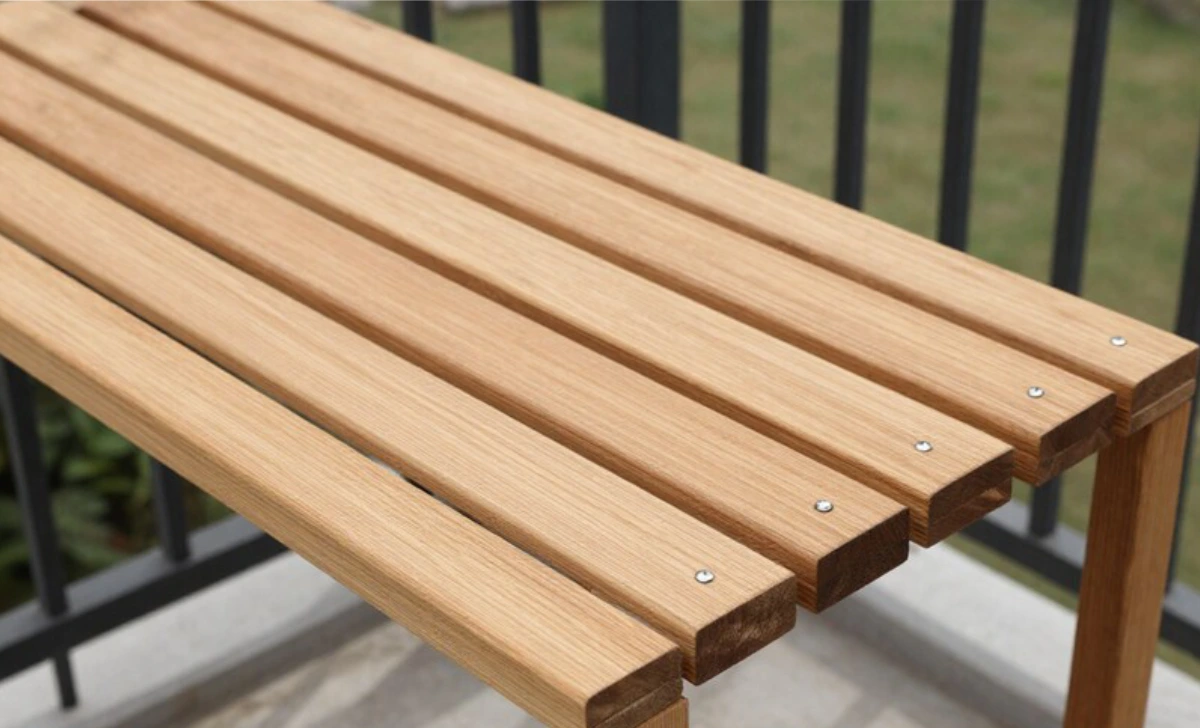
Your balcony furniture faces rain, sun, and temperature swings. Materials matter.
Aluminum frames resist rust and support cushions comfortably. They’re lightweight enough to move easily but heavy enough to stay put in the wind. Powder coating protects against chipping and fading.
Synthetic wicker looks like natural rattan but tolerates moisture. High-density polyethylene (HDPE) wicker won’t crack or peel. It maintains color for years without treatment.
Teak and eucalyptus age gracefully. They develop silvery patinas naturally. Oil them annually to maintain original color, or let them weather for a rustic look. Both woods resist rot and insects without chemical treatment.
Avoid particleboard, cheap pine, and unsealed fabrics. They absorb moisture, swell, crack, and deteriorate quickly. What seems like a bargain becomes trash within a season.
Solution-dyed acrylic fabrics resist fading. Unlike printed fabrics, where color sits on the surface, solution-dyed materials have color throughout each fiber. Sun can’t bleach them. They’re worth the premium price.
Maintenance Tips for Lasting Results
Set up takes work. Keeping it nice takes consistency.
Clean surfaces monthly. Dirt accumulates faster outdoors. Wipe furniture with mild soap and water. Rinse thoroughly—soap residue attracts more dirt.
Inspect furniture joints seasonally. Tighten loose screws. Apply lubricant to moving parts. Catching small issues prevents big failures.
Store cushions during extreme weather. Heavy rain and scorching sun degrade even quality fabrics over time. A deck box or indoor closet protects your investment.
Trim plants regularly. Overgrown vegetation looks messy and blocks pathways. Deadhead flowers to encourage blooming. Remove yellowed leaves promptly.
Reapply sealant to wood annually. Even weather-resistant varieties benefit from protection. A $15 bottle of sealant extends furniture life by years.
Budget Planning for Balcony Transformations
You don’t need thousands. Smart priorities stretch budgets.
Start with one quality piece of furniture. A good chair costs $150-300. It’ll outlast three cheap ones at $50 each. Build your setup gradually rather than filling space with disposable items.
DIY projects save money. Build your own privacy screen using lattice panels from hardware stores. Paint costs $20. Mounting brackets cost $15. You’ve created a $200 screen for $35 plus labor.
Shop end-of-season sales. Outdoor furniture drops 50-70% in September-October. Stores need floor space for holiday merchandise. Buy in the fall, store through winter, and enjoy the following spring.
Repurpose indoor items. That side table gathering dust indoors might work outside after weatherproofing treatment. Old ladder shelves become plant stands. Mason jars turn into lantern holders.
Free plants grow from cuttings. Ask neighbors for clippings from their successful balcony gardens. Pothos, succulents, and herbs propagate easily. A single plant becomes five within months.
Safety Considerations for Small Balconies
Fun stops when someone gets hurt. Safety comes first.
Check weight limits. Balconies have maximum load capacities. Heavy furniture, large planters, and multiple people add up quickly. Building management can provide weight specifications.
Secure all furniture. Wind gusts knock over unsecured items. Tie or bolt furniture to railings or walls. Use cable locks for valuable pieces that might tempt thieves.
Avoid candles with open flames. Battery-operated LED candles provide ambiance without fire risk. If you must use real candles, place them inside hurricane lanterns.
Keep pathways clear. A cluttered balcony becomes a tripping hazard. Maintain at least 24 inches of clear walking space at all times.
Child-proof railings if needed. Gaps wider than 4 inches let small children slip through. Mesh netting or plexiglass panels close dangerous gaps. Secure all climbing hazards away from railing edges.
Final Thoughts
Your balcony sits outside your door every day. Small or large, shaded or sunny, it offers potential that most people ignore.
Smart balcony ideas start with an honest assessment. How much space do you actually have? What’s your climate like? How will you use the area? Answer these questions before buying anything.
Function matters more than aesthetics. A beautiful setup you never use wastes money. A simple, comfortable space you occupy daily provides real value.
Start small. Pick one idea from this list. Implement it fully. See how it works. Then add another element. Rushed transformations lead to cluttered, unusable spaces.
Your balcony can become your favorite room. The one where you drink morning coffee. Where do you read on weekends? Where you grow tomatoes in summer and watch snow fall in winter.
It just needs you to start.
FAQs
How much weight can my balcony hold?
Most apartment balconies support 50-100 pounds per square foot. Check with building management for exact specifications. Include furniture, planters, soil, water, and people in your calculations. Overloading causes structural damage.
What plants survive on shaded balconies?
Ferns, hostas, impatiens, and begonias thrive in shade. For edibles, try lettuce, spinach, and shade-tolerant herbs like mint and parsley. These plants need just 2-4 hours of indirect light daily.
Can renters make balcony improvements?
Renters can use removable solutions like command hooks, freestanding furniture, and potted plants. Avoid permanent installations like drilling into walls or replacing railings. Check your lease for specific restrictions before starting projects.
How do I prevent balcony furniture from blowing away?
Secure lightweight furniture with cable locks or bungee cords attached to railings. Weight down umbrella bases with sand. Store loose items indoors during storms. Wind-resistant furniture typically weighs 15+ pounds per piece.
What’s the best flooring for a balcony?
Interlocking deck tiles work well for renters—they install without adhesive and remove easily. Outdoor rugs provide comfort and hide concrete flaws. Owners might consider composite decking or porcelain tiles for permanent solutions.