Slylar Box: The Complete Guide to Modern Modular Storage Solutions
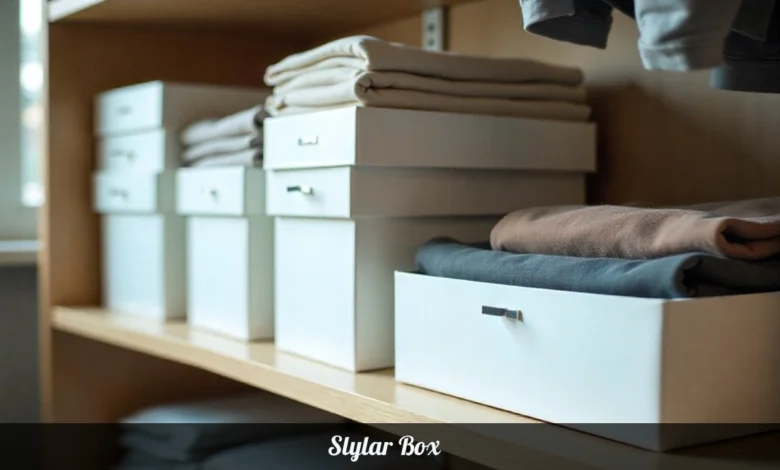
The Slylar Box is a modular storage system featuring stackable containers with clean aesthetics and flexible organization. Prices range from $29 to $149, with materials including ABS plastic or reinforced composites. Users praise its style and versatility, though quality varies by seller, and stacking heavy items may cause flexing.
Clutter steals your time. Every day, you waste minutes searching for items buried in disorganized spaces. Traditional storage bins solve nothing because they hide mess without adding style or flexibility.
The Slylar Box promises a different approach. This modular storage system combines clean design with stackable functionality. You can build a custom organization that grows with your needs.
But does it work? You’ll learn what the Slylar Box actually offers, how it compares to basic bins, and whether the price matches the value.
What Makes Slylar Box Different
The Slylar Box stands apart from traditional storage through its modular design. You buy individual units that stack, interlock, or align side by side. This means your storage system adapts as your needs change.
Most versions feature neutral colors. White, grey, beige, and matte black dominate the options. These tones let the boxes blend into any room without clashing with your existing style.
Materials vary by manufacturer. Common options include ABS plastic, polypropylene, or reinforced composites. The best versions use 2 mm-thick walls that resist warping. Cheaper alternatives may arrive with thin construction that flexes under weight.
Think of it as storage building blocks. Start with three boxes for your closet. Add two more next month when you reorganize your office. Stack them vertically to use wall space, or arrange them horizontally across shelves.
The modular approach gives you control. You’re not locked into one fixed configuration.
Core Features That Matter
Understanding what Slylar Box actually delivers helps you decide if it fits your situation.
Stackable Design
Multiple units connect through interlocking lids or base grooves. This creates stable towers that maximize vertical space. However, user reports show stacking more than four units with heavy contents causes wobbling in some models.
Versatile Sizing
Most sellers offer three size categories. Small boxes (roughly 6×6 inches) work for accessories and small items. Medium boxes (12×8 inches) handle clothing and office supplies. Large boxes (18×12 inches) accommodate seasonal items and bulky belongings.
Clean Aesthetics
Smooth exteriors with minimal branding create a uniform look. Unlike mismatched bins, a shelf full of Slylar Boxes appears intentional and organized. This visual consistency reduces the cluttered feeling even when items are stored.
Interior Options
Some versions include removable dividers or small compartments. These help separate items within a single box. Basic models offer open space, while premium options provide customizable layouts.
Accessibility
Most designs feature lids that flip or slide open smoothly. This makes grabbing items quick. Some models use snap closures, while others rely on friction fit.
Real User Experience and Performance
Customer feedback reveals both strengths and limitations. About 80% of verified reviews rate the product 4 or 5 stars, according to analysis across multiple retail platforms.
What Works Well
Users consistently praise three aspects. First, the uniform appearance transforms messy spaces into organized zones. Second, the lightweight construction makes moving boxes between rooms easy. Third, moderate daily use holds up well for light to medium items.
One verified buyer shared: “My closet went from chaos to calm. I can see everything, and nothing falls when I open the door.”
Common Problems
Quality inconsistency tops the complaint list. Since multiple manufacturers sell under similar names, some units arrive warped or with lids that don’t fit properly. About 20% of users report these issues.
Stacking limitations appear frequently in reviews. Heavy books or tools cause the walls to bow when more than three units stack. One user noted: “Great for clothes and light stuff, but my textbooks made it wobble.”
Tech features disappoint when included. Some versions advertise smart locks or app connectivity, but these add-ons often malfunction or require constant battery replacement. Several reviewers recommend skipping premium models with technology.
Compatibility between batches creates frustration. Buying additional boxes months later may result in slight size differences that prevent proper stacking. Always order complete sets from the same seller at once.
Price and Value Analysis
Understanding costs helps determine if Slylar Box offers good value.
Starter sets begin around $29.99 for basic two-unit packages. Mid-range options with dividers cost $59 to $79. Premium models featuring locks or tech integration reach $149 per unit.
Compare this to alternatives. Basic Sterilite bins sell for $5 to $20 but lack aesthetic appeal and modularity. IKEA storage systems range from $15 to $40, offering similar looks but different construction quality.
The value question depends on your priorities. If matching aesthetics matters and you want expandable storage, the mid-range Slylar Box delivers reasonable value. If you simply need functional containers for a garage or basement, cheaper options make more sense.
Factor in longevity. Quality versions last for years with normal use. Cheap alternatives may crack or yellow within months, requiring replacement. Calculate the cost over three years rather than the upfront price alone.
Best and Worst Use Cases
Knowing where Slylar Box excels and fails saves disappointment.
Ideal Situations
- Closet organization for accessories, scarves, socks, and small clothing items
- Office supply storage on visible shelving where appearance matters
- Bathroom organization for toiletries and makeup in small spaces
- Kids’ room toy sorting with lightweight items
- Seasonal decoration storage in moderate quantities
- Craft supply organization with compartmentalized versions
Poor Fit Scenarios
- Heavy tool storage that stresses walls and lids
- Outdoor or garage use unless specifically weatherproof models
- Industrial or commercial environments requiring extreme durability
- Situations demanding airtight or watertight seals
- Budget-focused bulk storage where appearance doesn’t matter
- Very tall stacking (more than four units) with any weight
Match your actual needs to these categories before purchasing.
Buying Smart: What to Check
Avoid common mistakes by verifying key details before ordering.
Material Specifications
Look for exact material names. “Premium plastic” means nothing. “2mm ABS plastic” tells you the actual construction quality. Avoid listings with vague descriptions.
Load Capacity
Responsible sellers list weight limits per box and per stack. If this information is missing, assume light use only. Don’t trust marketing photos showing heavy items unless specs confirm capacity.
Return Policy
Aim for 30-day returns minimum. Quality varies so much between sellers that you need flexibility. Read return terms carefully, including who pays shipping.
Seller Reputation
Check ratings and recent reviews, not just star averages. Look for patterns in complaints. If multiple buyers mention warped boxes or poor customer service, find a different seller.
Set Ordering
Order complete sets from one seller at one time. This prevents size mismatches that ruin stackability. Calculate your total needs upfront rather than adding units gradually.
Comparison With Storage Alternatives
Understanding competitive options clarifies whether Slylar Box fits your situation.
Slylar Box vs Basic Plastic Bins
Sterilite and similar brands cost 60-80% less. They function identically for hidden storage but look generic and utilitarian. Choose bins when appearance doesn’t matter, or the budget is tight.
Slylar Box vs IKEA Storage
IKEA systems like SKUBB offer comparable aesthetics at similar or lower prices. They often include better instructions and consistent quality control. IKEA wins for those near stores who value reliable construction.
Slylar Box vs Custom Closet Systems
ClosetMaid and similar permanent systems cost more upfront but offer superior durability and professional appearance. They require installation but last for decades. Choose custom systems for permanent solutions in owned homes.
Slylar Box vs Soft Storage
Fabric bins and baskets cost less and offer flexibility, but provide no crush protection. They work better for textiles and soft items. Choose fabric when you need lightweight portability and collapsibility.
The Slylar Box occupies the middle ground. It offers better aesthetics than basic bins, more flexibility than custom systems, and more protection than fabric options.
Maintenance and Longevity
Proper care extends the useful life of your storage system.
Clean boxes with damp cloths and mild soap. Avoid harsh chemicals that damage plastic finishes or cause discoloration. Wipe spills immediately to prevent staining.
Store boxes in temperature-controlled areas. Extreme heat causes warping in cheaper plastics. Cold can make materials brittle. Keep them away from direct sunlight, which causes fading and weakening.
Check latches and hinges quarterly. Tighten any loose connections before they fail. Replace damaged units rather than continuing to use broken pieces that compromise stack stability.
Reorganize contents seasonally. This prevents overloading boxes with items that accumulate over time. Redistribute heavy items across multiple boxes rather than concentrating the weight.
Label boxes clearly. Use removable labels or label makers that don’t leave residue. This speeds finding items and prevents unnecessary opening and closing that stresses hinges.
Environmental Considerations
Sustainability matters when buying storage products.
Most Slylar Box models use recyclable plastics, but not all manufacturers disclose recycling information. Check product listings for recycling codes (usually on the bottom). Look for #2 (HDPE) or #5 (PP) plastics, which recycle easily.
Some premium versions claim eco-friendly materials or carbon-neutral production. Verify these claims through independent certifications rather than trusting marketing language alone.
Longevity impacts the environmental footprint more than materials. A $50 box lasting five years beats a $10 bin replaced yearly. Calculate total units purchased over time, not just initial cost.
Consider secondhand options. Search local marketplaces for used Slylar Boxes. The plastic construction holds up well, making pre-owned units viable if inspected carefully for cracks or warping.
Choose multipurpose designs. Boxes that adapt to different rooms reduce the need for specialized storage products. This consolidation lowers overall consumption.
Installation and Setup Tips
Getting started correctly prevents frustration later.
Measure your spaces before ordering. Record shelf depths, cabinet widths, and closet dimensions. Compare these to product specifications, leaving a half-inch clearance for easy box removal.
Plan your layout on paper first. Sketch where the boxes will go and how many you need per area. This prevents over-buying or discovering gaps after boxes arrive.
Start with one problem area. Don’t attempt whole-house organization immediately. Master one closet or one shelf, then expand. This builds confidence and lets you test whether the system works for you.
Unbox carefully and inspect everything. Check for cracks, warping, or misaligned lids before removing packaging. Document damage immediately for returns.
Assemble any required components following instructions precisely. Rushing through setup causes mistakes that affect functionality. Take your time on the first boxes, then speed increases naturally.
Test stacking stability with empty boxes first. Ensure they align properly and feel secure before loading items. Adjust placement or contact sellers if units don’t stack correctly.
Future of Modular Storage
The storage market continues to change rapidly.
Upcoming trends include improved material science. Manufacturers are testing biodegradable composites that match plastic durability while reducing environmental impact. Expect these options within two years.
Smart features will mature. Current tech implementations feel gimmicky, but next-generation sensors and connectivity will offer genuine utility. Inventory tracking through apps and humidity monitoring for sensitive items show promise.
Customization options are expanding. Some brands now offer color mixing, custom sizes, and interchangeable components. This personalization trend will likely accelerate.
Pricing should stabilize. As more manufacturers enter the market, competition will pressure prices downward while quality standards rise. The wild west of inconsistent quality may improve by 2026.
Subscription models might emerge. Some companies are testing monthly storage box subscriptions where you rotate seasonal items through fresh boxes. This reduces storage needs at home while maintaining organization.
The core concept of modular, aesthetic storage will persist regardless of specific product evolution.
Final Thoughts
The Slylar Box delivers on its basic promise of modular, attractive storage. It outperforms generic bins in appearance and flexibility. It falls short of premium closet systems in durability and long-term value.
Your decision depends on specific needs. Buy it when aesthetics matter, you need an adaptable organization, and you’re storing light to medium items. Skip it when the budget is tight, you need industrial strength, or appearance doesn’t matter.
Quality varies significantly between sellers. Research thoroughly, verify specifications, and understand return policies. Start small to test whether it works for your situation before committing to a whole-house organization.
Used properly, Slylar Box transforms chaotic spaces into calm, organized zones. Used incorrectly, it becomes another storage disappointment gathering dust in your garage.
Match the product to your actual requirements, not marketing promises.
Frequently Asked Questions
How much weight can a Slylar Box hold?
Most standard models handle 10 to 15 pounds per box safely. Premium versions with reinforced construction support up to 25 pounds. Always check the seller specifications rather than assuming capacity. Stacking reduces individual box capacity because lower units bear weight from above.
Can I stack Slylar Boxes more than four high?
Stacking beyond four units risks instability unless using wall anchors or specially designed systems. The weight and leverage create tipping hazards. For tall storage, choose shelving with boxes arranged side by side instead of tall stacks.
Are Slylar Boxes waterproof?
Standard models resist splashes but aren’t waterproof. Water can seep through lid gaps and vent holes. For moisture-prone areas like bathrooms, look for sealed gasket versions specifically marketed as water-resistant. Never use standard versions for liquid storage.
Do all Slylar Boxes from different sellers fit together?
No. Size variations between manufacturers prevent reliable compatibility. Order complete systems from one seller at once. Mixing brands or batches often results in boxes that don’t stack properly or create unstable towers.
How do I clean stains from plastic Slylar Boxes?
Wipe with warm water and mild dish soap using a soft cloth. For stubborn stains, make a paste from baking soda and water, apply gently, and rinse thoroughly. Avoid bleach or abrasive cleaners that scratch or discolor plastic surfaces.