Sleek Modular Sofa Decor: Transform Your Space with Flexible Design
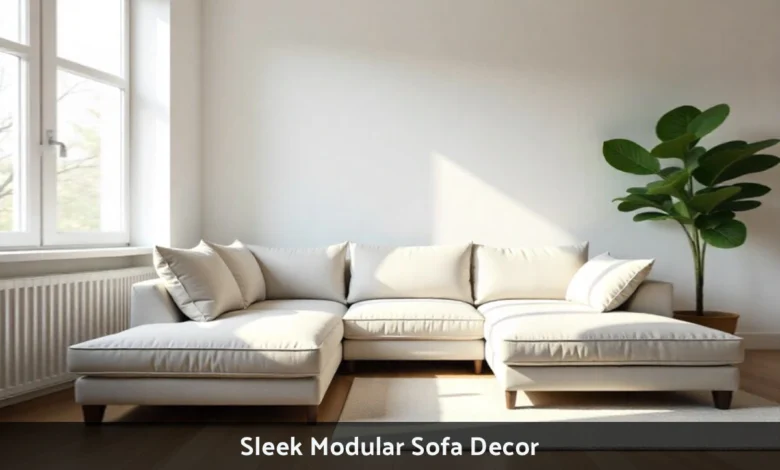
Sleek modular sofa decor combines flexible seating arrangements with minimalist design. These sofas feature separate units you can rearrange in L-shapes, U-shapes, or straight lines, making them perfect for small apartments and large homes. They adapt to your lifestyle while maintaining a clean, contemporary look.
Your living room setup changes constantly. You host game nights, work from home, or just want a fresh look. Fixed sofas lock you into one arrangement, but modular designs give you freedom to reshape your space whenever you need it.
This guide shows you how to create sleek, stylish spaces using modular sofas. You’ll learn practical layout tips, discover trending design choices, and avoid common mistakes that leave rooms feeling cluttered.
What Makes Sleek Modular Sofa Decor Different
Modular sofas break into separate pieces. You can connect seats, chaises, corner sections, and ottomans in countless ways. Unlike traditional couches that arrive as one fixed piece, these flexible systems grow and change with your needs.
The sleek approach focuses on clean lines and minimal bulk. Low-profile frames, neutral colors, and simple shapes create an open, breathable atmosphere. This design philosophy emerged from mid-century modernism and continues to dominate 2024-2025 trends.
Recent market data shows modular furniture drives 33% higher space efficiency in urban apartments compared to fixed designs. Interior designers report 72% of homeowners now prefer moveable furniture over permanent arrangements.
Your modular sofa should feel like a design tool, not just a seat. Each piece serves a purpose. Corner sections anchor conversation zones. Chaises create reading nooks. Ottomans add flexible storage or extra seating during parties.
Choosing Colors and Materials That Work
Neutral palettes dominate sleek modular designs for good reason. They adapt to changing decor trends without requiring full furniture replacement.
Earth tones like terracotta, sage green, and warm beige topped design searches in early 2025. These colors pair naturally with wood accents, plants, and metal fixtures. You can add bright throw pillows or textured blankets to inject personality without overwhelming the space.
Material choices impact both style and durability. Velvet upholstery returned to popularity this year, offering rich texture while resisting everyday wear. Organic cotton and linen provide breathable, sustainable options. Performance fabrics with PFAS-free stain resistance work best for households with kids or pets.
For frame materials, look for FSC-certified wood or recycled metal. These choices support environmental goals while delivering structural stability. Avoid particle board in connection areas since repeated reconfiguration weakens inferior materials quickly.
Design experts recommend keeping your base sofa neutral, then customizing with accessories. This approach costs less over time and keeps your space feeling current as trends shift.
Layout Ideas for Every Room Size
Small spaces benefit from L-shaped corner placements. Push the sofa against two walls to free up floor space while maintaining ample seating. This configuration works exceptionally well in studio apartments where every square foot counts.
Medium-sized living rooms handle straight-line or floating arrangements. Place your modular sofa away from walls to create distinct zones in open-plan spaces. Add a rug underneath to define the seating area visually.
Large rooms shine with U-shaped configurations. Wrap seating around a central coffee table or ottoman to foster conversation. This layout seats 6-8 people comfortably and creates an immersive space for entertaining or family movie nights.
Window-side chaise placements maximize natural light. Position the lounging section parallel to the windows to enjoy views without blocking brightness. This works beautifully for morning coffee spots or afternoon reading zones.
Separated clusters offer maximum flexibility. Break your modular pieces into two or three smaller groupings during parties or workshops. Use area rugs and side tables to visually distinguish each cluster while maintaining cohesion.
Always measure your space before arranging modules. Include doorways, windows, and traffic paths in your calculations. Leave at least 3 feet of walking space around high-traffic areas to prevent your room from feeling cramped.
Top Configuration Mistakes to Avoid
Over-configuring kills the sleek aesthetic quickly. Just because you own eight modules doesn’t mean you should use them all at once. Scale your arrangement to match room proportions.
Blocking natural pathways frustrates daily movement. Map out where people walk most frequently, then keep those zones clear. Your sofa should enhance flow, not obstruct it.
Ignoring the connection system quality leads to wobbly, unstable seating. Check that all modules lock together firmly. Cheap connectors make every reconfiguration feel like a construction project.
Mixing too many bold patterns creates visual chaos. If you choose a vibrant sofa color, keep other elements simple. Accent with one or two complementary tones rather than five competing hues.
Forgetting about proportion makes furniture look awkward. A massive U-shaped sectional overwhelms a small room. A tiny loveseat disappears in a large space. Match your configuration size to your room dimensions.
Skipping the rug anchors nothing visually. A large area rug grounds your modular setup and defines the seating zone. This matters especially in open-concept homes where rooms blend.
Styling Beyond the Sofa
Coffee tables and ottomans complete your seating zone. Choose pieces that complement your modular design without competing for attention. Glass tables maintain an airy feel, while wooden options add warmth.
Storage ottomans serve triple duty as footrests, seats, and hidden compartments. These multifunctional elements reduce clutter while maintaining the sleek aesthetic you’re building.
Side tables keep drinks and devices within reach. Position them at arm’s length from your most-used seating modules. Slim, modern designs work best for tight spaces.
Throw pillows inject color and texture without permanent commitment. Mix solid colors with one patterned option for visual interest. Swap them seasonally to refresh your look inexpensively.
Blankets draped over the sofa arm or back add coziness to minimalist designs. Choose materials like chunky knits or soft linen that invite touch.
Floor lamps or wall sconces create layered lighting around your modular setup. Position lights behind or beside the sofa to eliminate harsh shadows and build ambiance during evening hours.
Accent chairs in contrasting styles fill open corners and provide additional seating. They break up the visual monotony of an all-modular arrangement while staying true to your design vision.
Sustainability in Sleek Modular Design
Modern buyers prioritize environmental impact alongside aesthetics. Modular sofas naturally support sustainability through longevity and adaptability.
Look for CertiPUR-US certified foam, which eliminates harmful chemicals like formaldehyde and phthalates. OEKO-TEX certified fabrics ensure your upholstery contains no toxic substances that could affect indoor air quality.
Choose brands offering take-back or refurbishment programs. Companies like Sabai accept gently used pieces, reupholster them, and resell at discounted prices. This keeps furniture out of landfills while extending product lifecycles.
Recycled materials reduce environmental footprints significantly. Many contemporary modular sofas use recycled water bottles for cushion fill or reclaimed wood for frames. These choices deliver equal performance with lower planetary cost.
Organic cotton, hemp, and linen grow with fewer pesticides and less water than conventional fabrics. They biodegrade naturally at the end of life rather than sitting in landfills for decades.
Carbon-neutral shipping offsets transportation emissions. Several furniture brands now partner with environmental organizations to neutralize their delivery impact.
The modular design itself promotes sustainability through adaptability. You add pieces as needs change rather than replacing entire sofas when your situation evolves. This reduces waste while saving money long-term.
Current Trends Shaping Modular Sofa Decor
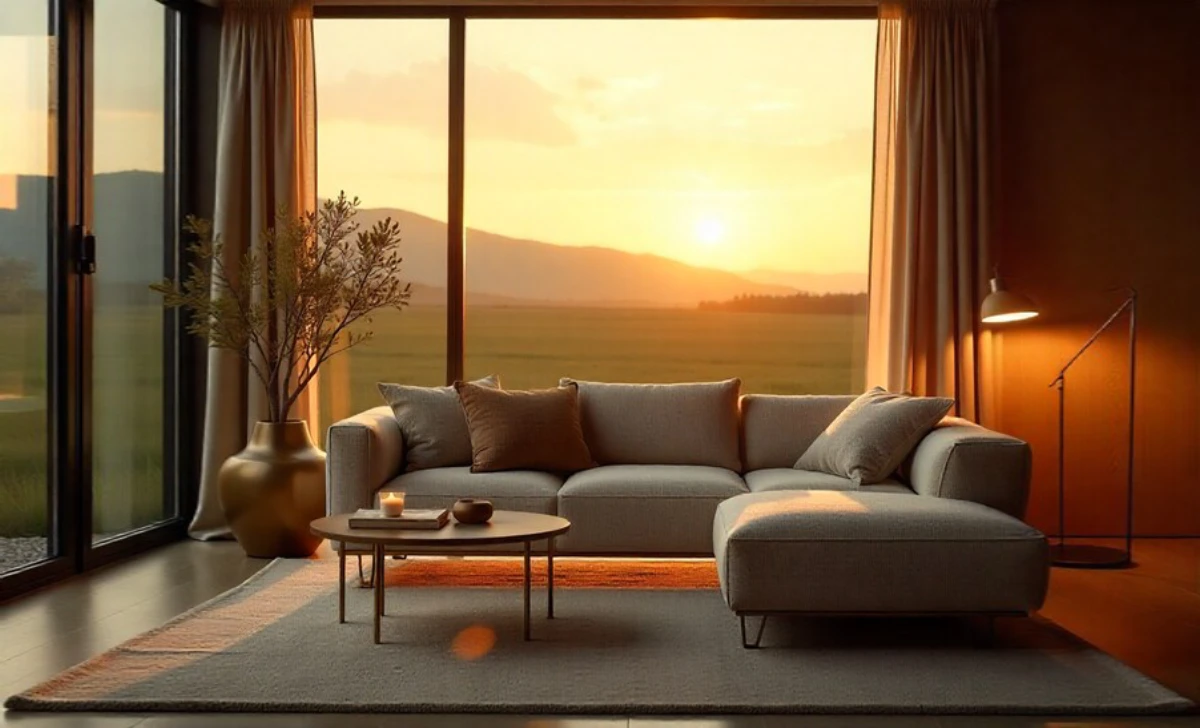
Curved silhouettes gained traction throughout 2024-2025. Rounded edges and organic shapes create inviting, conversation-friendly spaces. These designs reference Art Deco glamour while feeling thoroughly contemporary.
Geometric patterns and angular forms appeal to minimalist sensibilities. Clean lines and bold shapes make strong visual statements without excessive decoration.
Tech integration will expand rapidly in the coming years. Expect modular sofas with built-in wireless charging, USB ports, and even IoT connectivity for app-controlled configurations.
Outdoor modular systems grew 12% year-over-year as people invest in exterior living spaces. UV-resistant fabrics and weather-proof frames extend the modular concept to patios, decks, and rooftops.
Multifunctional designs dominate consumer preferences. Sofas that convert into beds, contain hidden storage, or rearrange for different activities meet modern lifestyle demands better than single-purpose furniture.
Bold jewel tones like emerald green and sapphire blue contrast with the neutral trend. These rich colors work as accent modules within larger neutral configurations.
Skirted sofas received modern updates with fringe details or contrast piping. This once-traditional element now appears on minimalist frames, bridging classic and contemporary styles.
Maintenance Tips for Long-Term Quality
Rotate cushions every few months to ensure even wear. This prevents one section from flattening while others stay plump.
Vacuum weekly using upholstery attachments to remove dust and debris. Pay special attention to crevices where crumbs accumulate.
Address spills immediately by blotting with clean cloths. Never rub, which spreads stains deeper into fabric. Test any cleaning solution on a hidden area first.
Use protective sprays designed for your specific upholstery material. These create barriers against stains and moisture without altering fabric texture.
Check connection points monthly to ensure modules remain secure. Tighten or adjust connectors as needed to prevent wobbling.
Keep your sofa away from direct sunlight to prevent fading. If window placement is unavoidable, use UV-blocking curtains or window film.
Professional cleaning every 12-18 months extends the sofa’s lifespan significantly. Experts use specialized equipment that removes embedded dirt that home methods can’t reach.
Real User Experiences
Apartment dwellers consistently praise modular sofas for moving flexibility. Individual pieces fit through narrow stairwells and tight doorways where full sectionals fail.
Parents with young children appreciate removable, washable covers. Spills and messes no longer mean furniture disasters, just quick laundry loads.
Remote workers value the ability to reconfigure spaces quickly. Move modules to create temporary office zones, then reset for evening relaxation.
Frequent hosts love expanding seating capacity on demand. Add modules before parties, then remove them afterward to restore open floor space.
Pet owners report better furniture longevity with durable, scratch-resistant fabrics. Performance materials withstand paws, claws, and fur without showing immediate damage.
Small space residents maximize functionality through thoughtful arrangements. L-shaped corners and wall-hugging layouts deliver full-sized comfort in compact footprints.
Final Thoughts
Sleek modular sofa decor transforms how you interact with your living space. These flexible systems adapt to your changing needs while maintaining clean, contemporary aesthetics.
Focus on neutral base colors with accent pieces for personality. Choose quality materials that balance sustainability with durability. Plan layouts that enhance room flow rather than block it.
Start small if the budget is tight. A basic 3-4 piece configuration proves the concept before a major investment. Add modules over time as needs and funds allow.
Your sofa should evolve with your life. Modular designs make that vision practical and affordable.
FAQs
How often should I rearrange my modular sofa?
Change configurations seasonally or when needs shift. Most people adjust 2-4 times yearly based on weather, activities, or aesthetic preferences.
Can modular sofas handle daily use?
Yes, when built with quality materials. Look for reinforced frames, high-density foam, and durable upholstery. Proper maintenance extends lifespan to 8-10 years.
What’s the price range for sleek modular sofas?
Quality systems typically cost $2,000-$8,000, depending on size and materials. Budget options start around $800, while luxury designs exceed $10,000.
Do modular sofas work for small apartments?
Absolutely. L-shaped and straight-line configurations maximize space efficiency. Choose low-profile designs to maintain visual openness.
How many modules do I need?
Start with 3-4 pieces for small spaces, 5-6 for medium rooms, and 7-9 for large areas. Add gradually rather than buying everything at once.
Are modular sofas comfortable for sleeping?
Many include sleeper or chaise modules suitable for overnight guests. Add memory foam toppers for enhanced comfort during extended use.
What certifications should I look for?
Prioritize CertiPUR-US foam, OEKO-TEX fabrics, FSC-certified wood, and GREENGUARD certification for low VOC emissions. These ensure health and environmental safety.
Can I mix modules from different brands?
Generally no. Connection systems vary by manufacturer. Stick with one brand’s ecosystem for proper fit and stability.