Sectional Sofas: Your Complete 2025 Buying Guide
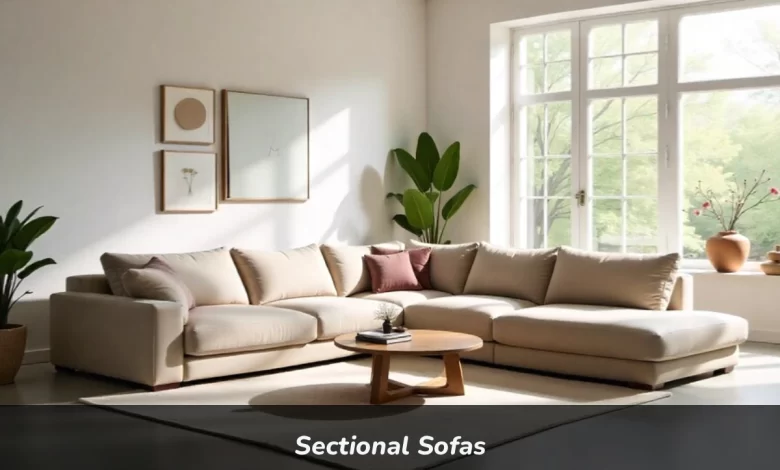
Sectional sofas are modular seating arrangements with multiple connected pieces that can be configured in L-shapes, U-shapes, or custom layouts. They cost between $1,000 and $5,000+, depending on materials, size, and features, making them perfect for maximizing seating in living rooms of any size.
Why Sectional Sofas Work for Any Space
You walk into a furniture store and see rows of sectional sofas. Some curves around corners. Others stretch across entire walls. The variety can feel overwhelming, but here’s the truth: sectional sofas solve real problems.
These multi-piece seating arrangements give you the flexibility that standard sofas can’t match. You can seat six people comfortably without cramming extra chairs into your living room. You can reconfigure pieces when you move to a new home. Most importantly, you get maximum seating without sacrificing style.
Recent data shows curved silhouettes and low-profile designs are trending in 2025, replacing the oversized boxy styles of previous years. This shift means you can find sectionals that feel modern and comfortable without overwhelming your space.
What Makes Sectional Sofas Different
A sectional sofa consists of multiple pieces that you can arrange in various configurations. Unlike traditional three-seat sofas, sectionals let you create custom layouts that fit your exact space.
The main components include:
- Corner pieces that connect two sections at right angles
- Armless seats that extend seating capacity
- Chaise lounges for stretching out
- Ottoman pieces that add versatility
You can configure sectionals in L-shapes, U-shapes, or modular arrangements, and many designs let you add or remove pieces over time.
How Much Should You Budget
Price varies dramatically based on materials and features. Here’s what different budgets get you in 2025:
$1,000 to $1,500: Budget sectionals typically use synthetic materials or lower-cost fabrics. These work well for first apartments or temporary spaces, but expect to replace them sooner than higher-end models.
$1,500 to $5,000: Mid-range sectionals offer better quality fabrics or top-grain leather, solid frame construction, and features like reclining seats or modular designs. Most buyers shop in this range because it balances durability with affordability.
$5,000+: Luxury sectionals feature premium materials like genuine leather and custom options, often from high-end furniture brands. These represent long-term investments in both style and comfort.
Most people spend between $1,500 and $3,000 for a new sofa. Your actual budget should reflect how long you plan to keep the piece and how heavily you’ll use it.
Key Features to Consider Before Buying
Configuration Type
L-shaped sectionals fit perfectly in corners and work well for smaller rooms. U-shaped designs provide maximum seating for large families or frequent entertainers. Modular sectionals give you complete freedom to rearrange pieces as your needs change.
The Lovesac Sactional can be converted into a sofa bed in minutes, making it perfect for families who need extra guest space.
Frame Construction
High-quality frames use hardwood or reinforced metal, providing strength and stability that ensures long-lasting comfort. Avoid particleboard frames if you want your sectional to last more than a few years.
Fabric Selection
Microfiber and velvet offer plush comfort, while linen and leather are easier to clean and maintain. If you have pets or young children, stain-resistant performance fabrics make daily life much easier.
Textures like plush bouclé, heavy linen, and textured weaves are rising in popularity for 2025.
Cushion Quality
Cushion density determines how long your sectional stays comfortable. Standard 1.8 density foam lasts 3 to 5 years, while 2.5 density foam extends that to 10 to 15 years. Higher-end sectionals use foam wrapped in down for the best of both worlds.
Measuring Your Space Correctly
Buying a sectional without proper measurements leads to buyer’s remorse. You need three key measurements:
Width: Measure along the longest side, typically the back of the sectional. Average sectionals measure about 130 inches wide, with smaller two-piece versions around 112 inches and larger three-piece sectionals at 160 inches or more.
Depth: Measure from the back cushion to the front of the seat. This tells you how much room you have to lean back. Deeper seats work better for lounging and napping.
Room clearance: Leave at least 18 inches between your sectional and other furniture. You need space to walk around comfortably and access other parts of the room.
Map out your sectional placement with painter’s tape on the floor before buying. This visual guide shows exactly how much space it occupies.
Popular Sectional Sofa Styles in 2025
Modular Designs
Modular sofas offer individual seats that provide multiple configuration options, giving you ultimate flexibility and customization for your living space. Companies like Albany Park and Lovesac built their reputations on this concept.
These sectionals adapt as your life changes. Moving to a new apartment? Rearrange the pieces. Need more seating for a party? Add extra modules. Want a different room layout? Reconfigure in minutes.
Low-Profile Contemporary
Modern low-profile designs with clean lines are comfortable for everyday living and fit the current aesthetic preferences. These sectionals work particularly well in smaller spaces where visual weight matters.
Reclining Sectionals
Power recliners add serious comfort for movie nights and lazy Sundays. Many 2025 models include USB charging ports and adjustable headrests. The trade-off is higher prices and slightly more complex maintenance.
Performance Fabric Options
Lovesac’s machine-washable covers let you toss seat frames, cushions, and sides directly in the wash when you make a mess. This feature alone makes performance fabrics worth considering for busy households.
Where to Buy Sectional Sofas
Traditional Furniture Stores: Ashley Furniture, Slumberland, and La-Z-Boy offer extensive selections you can test in person. Slumberland’s custom design program lets you pick your piece and fabric with no extra charge, with orders typically ready in about three weeks.
Direct-to-Consumer Brands: Companies like Lovesac, Albany Park, and Burrow ship directly to your door. You save money by cutting out middlemen, though you sacrifice the ability to test before buying.
High-End Retailers: West Elm, Pottery Barn, and CB2 offer premium designs with quality materials. Prices run higher, but construction quality typically justifies the cost.
Budget Options: IKEA and Wayfair provide affordable entry points. Quality varies widely, so read reviews carefully and understand you’re prioritizing price over longevity.
Maintenance Tips for Longevity
Vacuum weekly to remove dust and debris from crevices. This simple habit prevents buildup that wears down fabrics over time.
Rotate cushions every few months. Even wear extends cushion life significantly, especially on seats you use most often.
Address stains immediately. Blot rather than rub, and use cleaning solutions appropriate for your specific fabric type.
Some sectionals come with five-year protection plans covering stains, tears, and other damage. These plans provide peace of mind, particularly with lighter-colored fabrics.
Professional cleaning every 12 to 18 months keeps your sectional looking fresh. Most upholstery cleaning services charge $100 to $300, depending on size and fabric type.
Common Mistakes to Avoid
Ignoring Traffic Patterns: A section that blocks doorways or creates awkward walking paths frustrates daily life. Plan your layout to maintain natural flow through the room.
Choosing Style Over Comfort: That sleek modern sectional might look amazing, but if you can’t relax on it, you’ll regret the purchase. Always test seating comfort before buying.
Overlooking Delivery Logistics: Sectionals arrive either fully assembled or in boxes requiring assembly. Measure doorways, stairwells, and hallways to ensure pieces fit through your home.
Forgetting About Facing Direction: L-shaped sectionals come in left-facing and right-facing configurations. Order the wrong one and it won’t work in your space. Double-check orientation before finalizing your purchase.
Final Thoughts
Sectional sofas represent a significant investment in your home’s comfort and style. The right choice depends on your space, budget, and lifestyle needs.
Start by measuring your room accurately. Set a realistic budget based on how long you plan to keep the sectional. Test multiple options in person when possible, or order from retailers with generous return policies.
Color trends are shifting from cool grays toward warm taupes, rich olives, and soft caramels for 2025. Choose a neutral base if you like changing your decor frequently, or commit to a bold color if you prefer a stable design scheme.
Remember that quality construction costs more upfront but saves money over time. A well-built sectional with proper care can last 10 to 15 years or longer.
Frequently Asked Questions
Can you take apart the sectionals for moving?
Yes, most sectionals separate into individual pieces that either slide apart or unscrew. This design makes moving much easier than trying to navigate a single large sofa through doorways.
Do sectionals work in small living rooms?
Absolutely. Sectionals can make efficient use of corner spaces and seat many people in small rooms because they’re so configurable. Choose compact two-piece designs with smaller footprints for tight spaces.
How long do sectional sofas typically last?
Frames from quality sectionals costing at least $1,500 generally last at least 10 years with average use. Cushions need replacement every 3 to 5 years for standard foam, or 10 to 15 years for higher-density options.
Are modular sectionals worth the extra cost?
Modular designs cost 10% to 20% more than fixed sectionals, but the flexibility pays off if you move frequently or like changing your layout. You can reconfigure pieces to fit different spaces rather than buying new furniture.
What’s the difference between left-facing and right-facing sectionals?
The designation refers to where the chaise sits when you’re facing the sectional. Stand in front of your sofa and decide whether you want the extended lounging section on your left or right side.