Roofing Services for Homes & Businesses
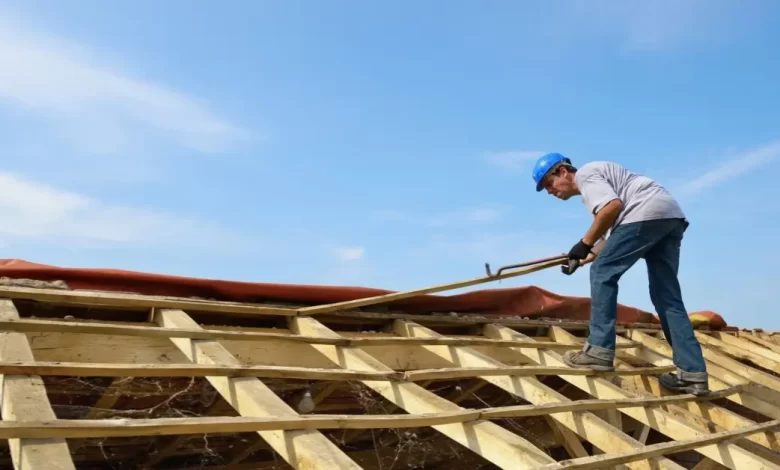
Roofing services encompass inspection, repair, and replacement of your home’s protective covering. Professional roofers charge $9,500 on average for complete replacement, ranging from $5,800 to $47,000 depending on size and materials. Smart homeowners understand that quality roofing services protect their biggest investment while adding value to their property.
Types of Roofing Services
Professional roofers offer three main service categories. Each addresses different needs and budgets for your home’s protection.
1. Roof inspection
Roof inspection identifies problems before they become expensive disasters. Professional inspections cost $100 to $400 and help determine whether repair or replacement makes the most sense. Smart homeowners schedule annual inspections to catch small issues early.
2. Roof repair
Roof repair fixes specific problems like leaks, missing shingles, or damaged flashing. Small repairs cost $150 to $1,000, while major structural repairs range from $3,000 to $6,000. Quick repairs prevent water damage that costs thousands more later.
3. Roof replacement
Roof replacement becomes necessary when repairs won’t solve the underlying problems. Basic asphalt shingles only last 15-20 years, making replacement inevitable for aging roofs. Complete replacement protects your home for decades when done properly.
Cost Factors and Budgeting for Roofing Services
Understanding roof replacement costs helps you budget effectively. Current average costs range between $15,000 and $25,000, but expect increases to $16,500 – $27,500 after April 2025 due to rising material prices.
Labor represents the largest expense in most projects. Roofing labor costs $2.00 to $3.50 per square foot for standard shingles, or $200 to $350 per square. Complex roofs with steep pitches or multiple stories increase labor costs significantly.
Material costs vary dramatically by type. Asphalt shingles cost $80 to $250 per square, while metal materials range from $100 to $800 per square. Premium materials like slate or tile command much higher prices but last decades longer.
Breaking Down Your Investment
- Permit fees add $100 to $500 to most projects. Cities require permits for roof replacement to ensure safety and code compliance. Factor these mandatory costs into your budget planning.
- Disposal costs for old materials typically add $1 to $5 per square foot. Contractors must properly dispose of torn-off shingles and debris. Some regions have higher disposal fees due to environmental regulations.
Material Options and Longevity
Choosing the right roofing contractor means selecting materials that match your budget and climate needs. Different materials offer vastly different lifespans and performance characteristics.
Asphalt shingles last 15-30 years, depending on quality, while architectural shingles offer better durability than basic three-tab versions. These remain America’s most popular choice due to affordability and versatility across climates.
Metal roofing delivers exceptional value with lifespans of 40-70 years, plus energy efficiency benefits that reduce cooling costs. Metal roofing reflects heat effectively, making it ideal for hot climates or energy-conscious homeowners.
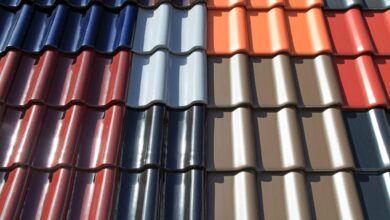
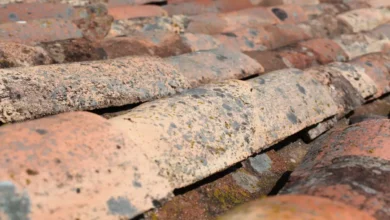
Clay and concrete tiles last 30-50 years, offering durability and classic aesthetic appeal. These work particularly well in warm climates but may require structural reinforcement due to their weight.
Slate roofing provides the longest lifespan at 40-100+ years, representing the ultimate in durability and prestige. This premium option costs significantly more upfront but can outlast several generations of other materials.
Hiring a Certified Roofing Contractor
Vetting contractors properly protects you from scams and ensures quality work. Only about 2% of roofing contractors achieve prestigious certifications like GAF Master Elite status.
Verify essential credentials before signing any contract. Contractors must carry both workers’ compensation and liability insurance, plus maintain current licensing in their state. Request certificates and call insurance companies to verify coverage.
Check their physical business address and years of operation. Fly-by-night operators often lack permanent addresses, while established companies with 5-10 years of local presence demonstrate stability. Avoid contractors who show up uninvited after storms.
Demand detailed written estimates from multiple contractors. Legitimate estimates should fall within a $2,000 to $4,500 margin for identical work. Quotes significantly outside this range require additional scrutiny.
Request and contact recent customer references. Previous clients can reveal contractor professionalism, timeline adherence, and cleanup practices. Quality contractors eagerly provide references from satisfied customers.
Maintenance and Scam Prevention Tips
Regular roof maintenance extends material lifespans and prevents expensive problems. Annual inspections, gutter cleaning, and prompt debris removal significantly improve roof longevity.
Create a seasonal maintenance schedule. Spring inspections should check for winter damage, while fall preparations clear gutters and secure loose materials. Summer heat can reveal ventilation problems, and winter ice dams signal insulation issues.
Watch for warning signs that require immediate attention. Missing or curled shingles, water stains on ceilings, and granules in gutters indicate developing problems. Address these issues quickly before they become major repairs.
Protect yourself from emergency tarp scams common after storms. Legitimate contractors provide written estimates and don’t demand full payment upfront or pressure immediate signatures. Never pay large amounts in cash or allow high-pressure sales tactics.
Research contractors thoroughly before hiring. Check Better Business Bureau ratings, Google reviews, and state licensing boards for complaints or violations. Quality contractors welcome scrutiny and provide transparent business information.
Eco-Friendly and Solar Roofing Options
Modern homeowners increasingly choose sustainable solar roofing solutions. Solar shingles blend seamlessly into traditional roofs while generating electricity and qualifying for tax incentives. These systems reduce energy bills while protecting your home.
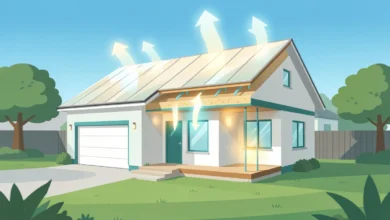
Energy-efficient shingles with reflective coatings reduce cooling costs in hot climates. Cool roof technology reflects more sunlight and absorbs less heat than standard materials. Some utilities offer rebates for installing qualified cool roof products.
Consider recycled and sustainable roofing materials when possible. Metal roofing made from recycled steel provides excellent durability while supporting environmental goals. Some manufacturers offer recycling programs for old materials at replacement time.
Green roof systems with living vegetation provide natural insulation and stormwater management. These specialized installations require structural engineering but offer unique environmental benefits in urban areas.
Research available tax credits and local incentives. Federal tax credits support solar roofing installations, while some states offer additional rebates for energy-efficient materials. Consult tax professionals to maximize available benefits.