Complete Guide to Roofing Replacement Services in Florida
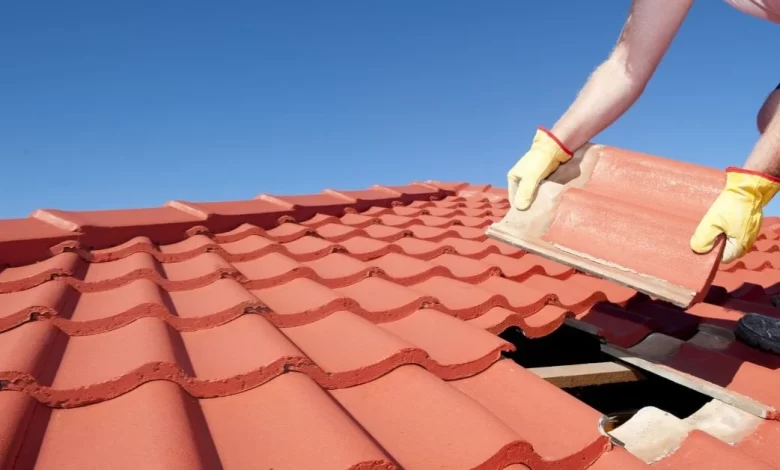
Florida faces an average of six hurricanes yearly. Your roof stands as the first line of defense against these powerful storms, torrential rains, and year-round UV exposure.
A quality roof replacement protects your family and prevents costly water damage that can destroy your home’s structure and create dangerous mold conditions. Smart homeowners who replace their roofs proactively save thousands in emergency repairs and boost their property values significantly.
Why Roof Replacement Matters in Florida
Your roof does more than keep rain out. In Florida’s challenging climate, a properly installed roof system delivers three critical benefits:
Safety Protection
A sturdy roof prevents water leaks that cause structural damage and toxic mold growth. Florida’s intense storms demand roofing systems that can withstand high winds and flying debris.
Home Value Enhancement
Real estate experts report that new roofs provide one of the highest returns on investment. Quality roofing materials can increase your home’s resale value by $15,000 to $20,000.
Energy Efficiency
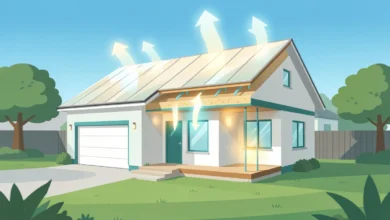
Modern roofing materials reflect heat instead of absorbing it. This keeps your home cooler and reduces air conditioning costs by up to 20% during Florida’s long summers.
Cost Breakdown of Roof Replacement
Florida homeowners pay between $7,000 and $21,000 for standard 2,000 square foot roofing replacement services. The typical cost averages $15,000, translating to $3.50 to $10.50 per square foot.
Several factors drive these costs higher than the national average of $9,518:
- Material Selection: Premium materials like clay tiles or metal roofing cost more upfront but last decades longer than basic asphalt shingles.
- Labor Complexity: Florida’s building codes require specialized installation techniques for wind resistance. Licensed contractors charge more for this expertise.
- Permit Requirements: Local building departments charge permit fees ranging from $200 to $800, depending on your location and project scope.
- Roof Size and Pitch: Steep roofs require additional safety equipment and labor time. Complex roof designs with multiple angles increase material waste and installation difficulty.
| Cost Factor | Price Range | Notes |
|---|---|---|
| Basic Asphalt Shingles | $7,000 – $12,000 | Lowest upfront cost, 20-year lifespan |
| Clay/Concrete Tiles | $12,000 – $18,000 | 30-50 year lifespan, hurricane resistant |
| Metal Roofing | $15,000 – $21,000 | 100+ year lifespan, energy efficient |
| Permits & Fees | $200 – $800 | Varies by county |
Common Roofing Materials and Lifespan
Asphalt Shingles: The most affordable option costs $3.50 to $5.50 per square foot installed. These shingles last approximately 20 years in Florida’s climate but require replacement sooner in areas with frequent storms.
- Pros: Low initial cost, wide color selection, easy repairs.
- Cons: Shorter lifespan, less wind resistance, frequent maintenance
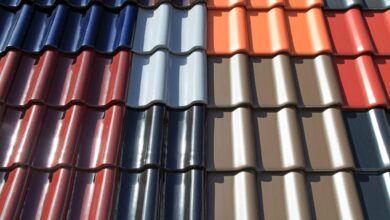
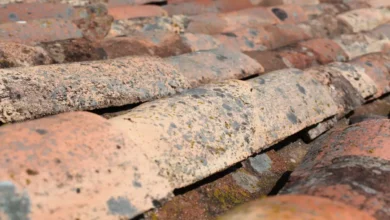
Clay and Concrete Tiles: These materials cost $7.50 to $10.00 per square foot but last 30 to 50 years. Clay tiles excel in Florida’s heat and resist hurricane-force winds when properly installed.
- Pros: Long lifespan, excellent heat resistance, fire protection.
- Cons: Heavy weight requires structural reinforcement, higher cost
Metal Roofing: Premium metal roofs average $15,225 for installation but can last over 100 years. Metal reflects heat effectively and stands up to Florida’s severe weather conditions.
- Pros: Longest lifespan, energy efficient, hurricane resistant.
- Cons: Highest upfront cost, potential noise during rain
Florida Building Codes and Permits
Florida’s 2024 Building Code includes strict requirements that protect homes from hurricane damage. Understanding these rules helps you plan your roof replacement properly.
The 25% Damage Rule: When storm damage affects more than 25% of your roof area, building codes require complete replacement using current wind-resistant standards. You cannot simply patch damaged sections.
Wind-Borne Debris Region: Most Florida counties fall within this designation, requiring enhanced protection against flying objects during storms. Your new roof must meet specific impact resistance ratings.
Local Permit Process: Every roof replacement needs a building permit from your local building department. The permit process typically takes 1-2 weeks and involves plan review and inspections.
Contact your county building department early in the planning process. Permit requirements vary between municipalities, and some areas have additional restrictions during hurricane season.
Choosing a Licensed Contractor
Florida requires all roofing contractors to hold a Department of Business and Professional Regulation (DBPR) license. This licensing system protects homeowners from unqualified workers.
- Verify DBPR License: Check your contractor’s license status at MyFloridaLicense.com. Active licenses show the contractor has passed trade exams with 70% or higher scores and maintains required insurance coverage.
- Confirm Experience: Licensed contractors must have four years of roofing experience or equivalent college credits plus one year of hands-on work. Ask for references from recent projects similar to yours.
- Review Insurance Coverage: Your contractor must carry liability insurance and workers’ compensation coverage. Request current certificates of insurance before signing any contracts.
- Get Multiple Quotes: Obtain written estimates from at least three licensed contractors. Compare materials, warranties, and completion timelines alongside pricing.
- Red flags to avoid: door-to-door solicitors, cash-only payments, unusually low bids, or contractors without local business addresses.
Financing and Insurance Considerations
PACE Financing Programs: Property Assessed Clean Energy (PACE) programs like Ygrene allow you to finance roof replacements through your property tax bill. A typical $7,691 loan costs about $91 monthly over 15 years.
PACE financing transfers with your home if you sell, making it attractive for homeowners planning to move within a few years.
Insurance Coverage Rules: Florida insurance companies cannot deny coverage for roofs under 15 years old. Roofs over 15 years may qualify for life-extension certification instead of mandatory replacement.
Wind Resistance Credits: Many insurers offer premium discounts for roofs that exceed minimum wind resistance requirements. Metal roofs and properly installed tile systems often qualify for these savings.
Document all upgrades with photos and permits. Insurance companies require proof of compliance with current building codes to approve claims and discounts.
Seasonal Timing and Maintenance Tips
Best Replacement Seasons: Spring and fall offer ideal weather conditions for roof replacement. Booking during these seasons can reduce costs and shorten wait times compared to summer and winter peak periods.
Hurricane season (June through November) brings higher demand and material costs. Plan your replacement for March through May or December through February when possible.
Regular Maintenance Steps:
- Clean gutters monthly to prevent water backup
- Inspect your roof after every storm for loose or damaged shingles
- Trim tree branches that hang over your roof line
- Replace missing or damaged flashing around vents and chimneys promptly
Professional Inspections: Schedule annual roof inspections with licensed contractors. Early detection of small problems prevents expensive emergency repairs and extends your roof’s lifespan.
Protect Your Investment Today
You now understand Florida’s roof replacement costs, material options, and building code requirements. Licensed contractors provide the expertise needed to navigate permits and insurance requirements while delivering quality installations that protect your home for decades.
Your roof represents one of your home’s most important systems. Quality materials and professional installation provide peace of mind during Florida’s challenging weather conditions.
Ready to move forward? Get free quotes from three licensed contractors and schedule a professional roof inspection today