Roofing Financing Options to Fit Your Budget
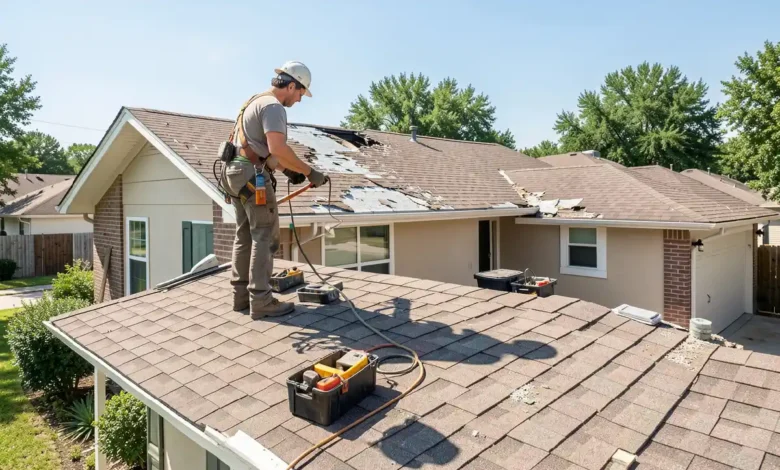
Your roof takes a beating every season — rain, wind, heat, and hail all add up over time. When the damage gets serious, waiting isn’t really an option. But a full roof repair or replacement can cost thousands of dollars, and most homeowners don’t have that kind of cash sitting around. That’s where roofing financing comes in. If you’re looking into roofing financing options in Johnson, Dallas, TX, you’ll find there are several ways to cover the cost without draining your savings all at once.
Why Consider Roofing Financing?
Paying out of pocket for a roof repair sounds ideal, but it’s not realistic for most people. A standard roof replacement in the Dallas area can easily run between $5,000 and $15,000 or more, depending on the size of your home and the materials used. Financing lets you get the work done now — before a small leak turns into a bigger, more expensive problem — and pay for it over time in manageable amounts.
Spreading the cost into monthly payments also makes it easier to stick to your household budget. Instead of wiping out your emergency fund, you keep that money available while still protecting your home. For many homeowners, this is the smarter move.
Common Financing Options
There are a few different ways to finance a roofing project. Each one comes with its own set of benefits and drawbacks, so it’s worth knowing the basics before you decide.
1. Personal Loans
A personal loan from a bank or online lender gives you a lump sum upfront that you repay in fixed monthly installments. Approval is usually quick, and you don’t need to use your home as collateral. Pros: Fast approval, no home equity needed. Cons: Interest rates can be higher than secured loans, typically 5–12%.
2. Home Equity Loans
If you’ve built up equity in your home, you may be able to borrow against it at a lower interest rate. This is often called a second mortgage. Pros: Lower interest rates, longer repayment terms. Cons: Your home is used as collateral, and approval takes longer.
3. Credit Cards
Using a credit card gives you flexibility, especially if you have a card with a 0% introductory APR. That said, standard credit card interest rates are high, so this works best if you can pay it off quickly. Pros: Convenient, flexible payments. Cons: High interest rates (15–25%) if you carry a balance.
4. Contractor Financing
Many roofing companies offer in-house financing or work with third-party lenders to make the process easy. You apply directly through the contractor, and terms are often tailored to the project. If you want to explore this option locally, check out the Roofing Financing Options in Johnson, Dallas, TX, available through BTOL Roofing — they make the process simple. Pros: Easy to set up, bundled with your project. Cons: May come with fees or limited term lengths (typically 6–24 months).
How to Choose the Right Option
The best financing option depends on your credit score, how much you need to borrow, and how quickly you can repay it. Start by looking at the interest rate — even a small difference can add up over time. Then check the repayment term. A longer term means smaller monthly payments, but you’ll pay more in interest overall. If you already have strong home equity and good credit, a home equity loan is often the most affordable route. If you need something fast or don’t want to tap into your home’s value, a personal loan or contractor financing might be the better fit. Compare at least two or three options before committing.
Sample Financing Comparison
| Financing Type | Typical Interest Rate | Term Length | Pros | Cons |
|---|---|---|---|---|
| Personal Loan | 5–12% | 1–5 years | Quick approval | Higher interest |
| Home Equity Loan | 3–8% | 5–15 years | Lower interest | Requires home equity |
| Credit Card | 15–25% | Revolving | Flexible payment | High interest |
| Contractor Financing | Varies | 6–24 months | Easy with contractor | May include fees |
Tips for Applying for Roofing Financing
Before you apply, gather a few key documents: a valid ID, recent pay stubs or proof of income, and your most recent tax return if you’re applying for a larger loan. Having these ready speeds up the process and reduces back-and-forth with the lender.
It’s also a good idea to check your credit score before applying. A higher score usually means better rates. If your score isn’t where you’d like it to be, some contractor financing programs are still accessible, so don’t rule that out. Most importantly, don’t just go with the first option you find. Compare terms, read the fine print on any fees, and make sure the monthly payment fits comfortably within your budget.
Conclusion
A damaged roof can’t wait, and the good news is you don’t have to pay for it all at once. Whether you go with a personal loan, tap into your home’s equity, or work with a local contractor, there’s a solution out there that fits your situation. If you’re a homeowner in the Dallas area, take a look at the Roofing Financing Options in Johnson, Dallas, TX offered by BTOL Roofing — they can walk you through what’s available and help you get your project started without the financial stress.
