Roofing Contractors in Los Angeles: A Complete Guide for 2025
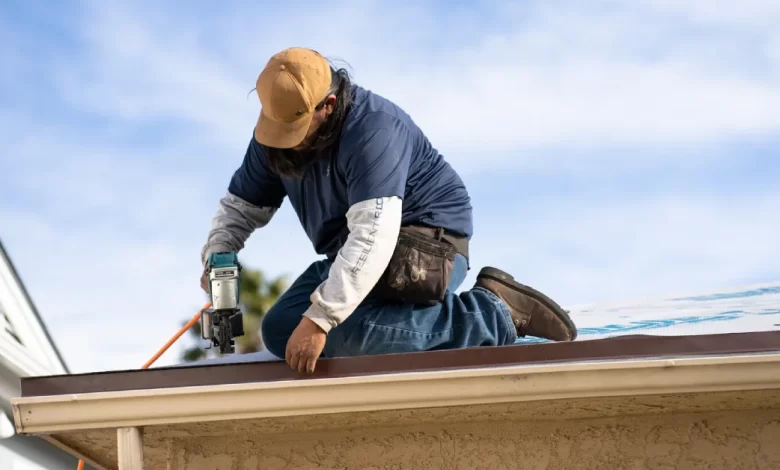
A good roof protects what matters most in sun-drenched, fire-prone Los Angeles. Beyond keeping your home dry, your roof shields against intense UV exposure, occasional rainstorms, and potential wildfires while impacting your home’s energy efficiency and curb appeal.
This guide walks you through everything you need for a successful roofing project in LA—from finding qualified contractors with proper licensing to understanding costs, materials, and permit requirements. Whether planning a full replacement or major repair, knowing the essentials helps you make informed decisions.
LA Roofing Market Snapshot
The roofing industry in Los Angeles remains robust in 2025, with approximately 4,122 roofing companies operating throughout the area. These businesses include residential specialists (60%), commercial contractors (30%), and mixed-service providers (10%).
California’s overall roofing contractor industry generates about $5.2 billion annually, employing over 30,000 workers across more than 11,600 businesses statewide. In Los Angeles, market growth tracks with broader industry trends, with the U.S. roofing market expanding at a compound annual growth rate of about 6.17%.
Key market drivers include:
- Rising demand for energy-efficient and sustainable roofing
- Increasingly stringent building codes and energy standards
- Growth in both new construction and roof replacement segments
- Adoption of advanced roofing technologies and materials
Licensing & Permits
C-39 License Requirements
Any person or company performing roofing work valued over $500 in California must hold a C-39 roofing contractor license from the Contractors State License Board (CSLB). To qualify for this license, applicants must:
- Demonstrate at least four years of journey-level experience within the past decade
- Pass both the Law & Business exam and C-39 trade exam
- Obtain a $25,000 contractor license bond
- Carry workers’ compensation insurance if they have employees
- Pay approximately $450 in application fees plus $200 for the initial license
The journey-level experience requirement can be partially satisfied through relevant education or apprenticeship programs, but at least one year must come from actual field experience.
Permits and Code Compliance
Roofing projects in Los Angeles require building permits, which typically cost between $250 and $1,000 depending on project scope. The permitting process ensures:
- Compliance with local building codes
- Adherence to California Title 24 energy efficiency standards
- Proper installation according to manufacturer specifications
- Fire safety compliance (Class A, B, or C fire ratings)
Title 24 requirements specifically impact roof replacements in LA, with cool roof standards applying when more than 50% of a roof is replaced. Permits can be obtained through the Los Angeles Department of Building and Safety, either online or in person at service centers.
Popular Roofing Materials & Types
Los Angeles homes feature various roofing materials suited to the region’s sunny, mild climate. Each option offers different benefits in terms of longevity, aesthetics, energy efficiency, and cost.
Asphalt Shingles
Cost: $7-$11 per sq ft (material) + $2-$3.50 (labor) = $9-$14.50 total Lifespan: 20-30 years Pros: Affordable, wide color selection, easy installation Cons: Shorter lifespan, less energy-efficient in hot climates
Asphalt remains the most popular choice due to its balance of cost and performance. Many manufacturers now offer “cool roof” rated shingles that meet Title 24 requirements with higher solar reflectance values.
Clay/Concrete Tile
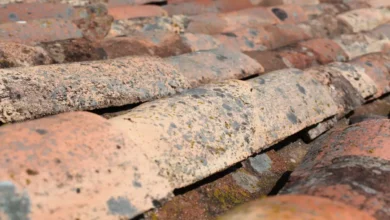
Cost: $15-$25 per sq ft (material) + $5-$8 (labor) = $20-$33 total Lifespan: 50-100 years Pros: Extremely durable, classic Mediterranean look, excellent fire resistance Cons: Heavy (may require structural reinforcement), higher installation cost
Tile roofing beautifully complements Spanish and Mediterranean-style homes common in Los Angeles. These materials naturally reflect sunlight and handle heat well, making them ideal for the LA climate.
Metal Roofing
Cost: $12.50-$20.50 per sq ft (material) + $4-$8 (labor) = $16.50-$28.50 total Lifespan: 35-70 years Pros: Long-lasting, recyclable, excellent fire resistance, energy-efficient Cons: Higher upfront cost, can be noisy during rain
Metal roofing has gained popularity in LA due to its durability and energy-saving properties. Standing-seam metal roofs offer a modern aesthetic while providing exceptional weather protection.
Flat Roof Membranes
Cost: $8.50-$14.50 per sq ft installed (varies by material) Lifespan: 20-30 years Pros: Great for rooftop decks/gardens, works well with solar panels Cons: Requires proper drainage design, more maintenance
Many modern and mid-century homes in LA feature flat or low-slope roofs. These typically use TPO, PVC, or EPDM membrane systems. TPO and PVC offer better reflectivity for energy efficiency.
Cost Breakdown & Vetting Contractors
Roof replacement costs in Los Angeles typically range from $15,000 to $25,000 for an average home, though prices can vary significantly based on several factors:
Primary Cost Factors
- Roof size and complexity: Larger roofs with multiple angles, dormers, skylights, or other features cost more
- Material selection: Premium materials drive higher costs but often last longer
- Labor rates: Professional installation typically accounts for 40-60% of total project cost
- Tear-off needs: Removing old roofing materials adds $1,000-$3,000 to most projects
- Structural repairs: Fixing damaged roof decking can add $1,000-$3,000 if needed
Average Cost Examples
For a typical 1,500 square foot roof in Los Angeles:
- Basic asphalt shingle roof: $13,500-$22,000
- Standard tile roof: $30,000-$45,000
- Premium metal roof: $25,000-$43,000
Keep in mind that prices tend to be higher in premium neighborhoods like Beverly Hills or Malibu compared to other parts of Los Angeles County.
License Verification
Always verify a contractor’s C-39 license status through the CSLB website (cslb.ca.gov). Check for:
- Active license status
- Proper classification (C-39 for roofing)
- Any complaints or disciplinary actions
- How long they’ve been licensed
Insurance Requirements
Ask potential contractors to provide proof of:
- Liability insurance (minimum $1 million coverage)
- Workers’ compensation insurance
- Surety bond of at least $25,000
These protections shield you from liability if accidents occur during your project.
Key Questions to Ask
When interviewing roofing contractors in Los Angeles, ask:
- How long have you been installing roofs in Los Angeles?
- Can you provide local references for similar projects?
- Who will supervise my project, and will subcontractors be used?
- What warranties do you offer on workmanship and materials?
- How will you protect my property during the project?
- What is your protocol for unexpected issues like deck damage?
- Are you certified by any material manufacturers?
- How do you handle permits and inspections?
Comparing Bids
Collect at least three written estimates from different contractors. Each bid should detail:
- Scope of work (exact services included)
- Materials specifications (brands, types, colors)
- Timeline for completion
- Payment schedule
- Warranty terms
- Permit fees and responsibilities
Beware of significantly lower bids, as they often indicate cut corners or hidden costs.
Current Trends & Future Outlook
The Los Angeles roofing industry continues evolving, with several key trends shaping the market in 2025:
Sustainability Focus
Green roofing options have gained significant traction, including:
- Cool roofs with high solar reflectance
- Solar-integrated roofing systems
- Recycled and sustainable materials
- Living/garden roof options for flat roofs
The California Energy Commission’s Title 24 requirements continue driving adoption of energy-efficient roofing, with updates expected for 2025 standards.
Market Challenges
Roofing contractors face several challenges in today’s market:
- Material cost increases of 15-30% in recent years
- Skilled labor shortages extending project timelines
- Supply chain disruptions affecting material availability
- Rising insurance requirements and compliance costs
These factors have pushed prices upward while creating longer wait times for quality contractors.
Technology Integration
Leading roofing companies now leverage technology to improve service:
- Drone inspections for safer, more accurate assessments
- Digital measurement and estimation tools
- AI-powered analytics for maintenance predictions
- Remote project management systems
These innovations help streamline projects while providing better customer experiences.
Conclusion
A roof replacement represents a significant investment in your Los Angeles home, typically lasting 20-50 years depending on materials chosen. By understanding licensing requirements, material options, costs, and contractor qualifications, you can make informed decisions that protect your property and provide lasting value.
Take time to research thoroughly, check references, verify licenses, and clearly understand all warranty terms before signing any contracts. The right roofing contractor will guide you through the entire process, from material selection to permit acquisition and final inspection.