Robert MyGardenAndPatio: Transform Your Outdoor Space with Expert Guidance
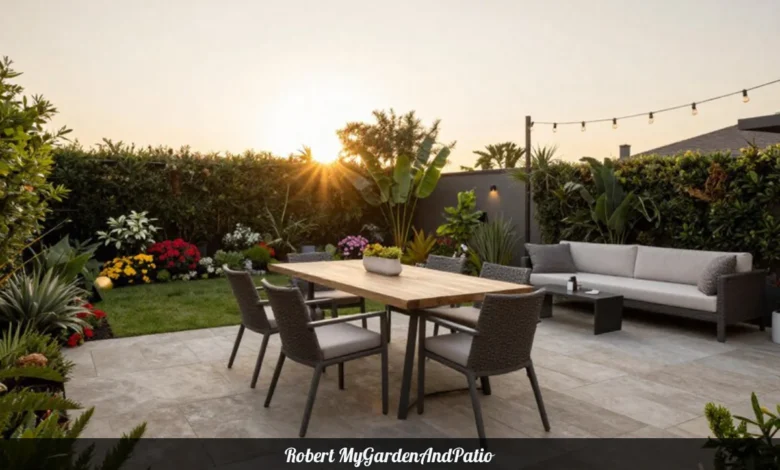
Robert MyGardenAndPatio helps homeowners create comfortable, practical outdoor spaces through simple design principles and low-maintenance solutions. Founded by gardening expert Robert, this trusted platform offers realistic advice on gardens and patios without complicated jargon or expensive overhauls.
Your backyard sits empty most days. The patio furniture collects dust. You know the space has potential, but where do you start?
Robert MyGardenAndPatio answers that question with clear, practical guidance. This isn’t about creating magazine-perfect spaces. It’s about making your outdoor area work for how you actually live.
Who is Robert MyGardenAndPatio really
Robert started where most homeowners do: frustrated with bad advice and products that failed after one season. His background in environmental science and small-scale agriculture shaped a different approach to outdoor spaces.
He doesn’t see yards as decoration. He views them as ecosystems that should match your climate, support healthy soil, and last through seasons without constant work.
After 20 years in the field, Robert built a reputation for honesty. He shares what didn’t work alongside his successes. When a drought-resistant planting project collapsed in shallow sandy soil, he explained exactly why it failed. That transparency sets him apart.
According to recent surveys, over 90% of his clients recommend him to friends and family. The platform serves thousands of homeowners nationwide who want outdoor spaces that actually function.
Why Robert MyGardenAndPatio Stands Out
Most gardening blogs chase trends or push product sales. Robert focuses on people over products and usability over luxury.
The advice aligns across every topic. You get a complete understanding of outdoor living instead of scattered tips that contradict each other.
He tests products personally before recommending them. A bench must weather storms. A grill needs to perform in winter. A planter has to fit real yards. Only after thorough testing does he suggest it.
This careful approach builds trust with homeowners who need furniture and tools that work where they live.
Creating Outdoor Spaces That Actually Work for You
Outdoor design shouldn’t require a degree in landscape architecture. Robert breaks complex concepts into simple actions you can take today.
Start by understanding your environment. Plants need to suit your climate, soil type, and available sunlight. Forcing unsuitable choices leads to constant maintenance and dead plants.
Balance matters more than perfection. Open space lets gardens breathe and feel welcoming. Too much greenery overwhelms. Too little looks sparse.
Flow determines how comfortable your patio feels. Place dining areas closest to your house. Keep walking paths at least three feet wide. Position seating where people naturally gather.
These small decisions add up to spaces that feel right from day one.
Smart Furniture Choices That Last
Your outdoor furniture shapes how you use the space. Quality, durability, and comfort come before appearance.
Research shows 63.7% of new homes included patios in 2023, marking eight consecutive years of growth. Homeowners invest more in outdoor living than ever before.
Pick furniture that handles weather without losing color or stability. Weather-resistant wicker, teak, and powder-coated aluminum perform well across climates.
For small spaces, stackable chairs or modular sets save room. They adapt as your needs change.
Comfort keeps you outside longer. Deep-seated chairs with proper cushioning make patios feel like natural extensions of your home instead of afterthoughts.
Designing Patios Around Real Life
Statistics reveal 64% of homeowners want multi-functional outdoor spaces, a trend that continues growing in 2025.
Your patio should serve multiple purposes without feeling crowded. Create simple zones for dining, lounging, and cooking. Use the same flooring throughout to maintain visual flow.
Furniture placement matters. Arrange seating to encourage conversation. A circular setup with a center table works well for gatherings. Add a dining set if space allows.
Shade extends usability. Pergolas with climbing vines provide natural cooling. Large umbrellas offer adjustable coverage. Both protect you from harsh sun during summer afternoons.
Lighting That Creates Atmosphere
Lighting guides movement and sets the mood without overpowering your space. Soft options make patios feel warm during evenings.
Solar pathway lights provide safety and ambiance. String lights add charm without installation hassle. LED lanterns create focal points near seating areas.
Position lights along walkways and gathering spots. Good lighting works quietly in the background, improving safety while maintaining calm.
Low-Maintenance Gardens That Thrive
Most homeowners don’t want weekend-long maintenance projects. Robert emphasizes smart planning that reduces effort over time.
Choose plants suited to your climate zone. Native species require less water and resist local pests naturally. Current data shows 62% of experts recommend drought-tolerant plants as a top landscaping trend.
Group plants by water needs. This prevents overwatering some while underwatering others. Mulch retains moisture and reduces weeds.
Simple routines keep gardens healthy. Check soil moisture before watering. Deadhead flowers to encourage blooms. Prune in appropriate seasons.
These habits take minutes but prevent larger problems down the road.
Current Trends in Outdoor Living
Industry data shows 78% of experts identify indoor-outdoor transitions as the biggest outdoor design trend. Homeowners want spaces that flow naturally from inside to outside.
Match materials between your home and patio. Extend flooring from interior rooms to outdoor areas. Align pergola structures with your roofline.
Fire features extend patio use into cooler months. Modern fire pits and tables create gathering spots year-round.
Recent studies indicate 75% of millennials express interest in outdoor kitchens, with entertainment areas increasing 40% since 2021.
Sustainable Practices for Your Outdoor Space
Sustainability saves money while helping the environment. Small changes make real differences.
Collect rainwater in barrels for plants and cleaning. This reduces water bills and tap water dependence.
Compost kitchen scraps instead of throwing them away. Fruit rinds, vegetable scraps, and coffee grounds create rich fertilizer.
Native plants require minimal watering and care. They also attract beneficial wildlife that supports local ecosystems.
When to DIY vs. Hire Professionals
Some projects suit weekend warriors. Others need expert hands.
Simple upgrades work well as DIY projects:
- Installing planters or raised beds
- Hanging string lights or solar lanterns
- Building basic furniture from weather-resistant wood
- Creating small herb gardens in containers
Hire professionals for complex tasks:
- Major hardscaping like stone patios or retaining walls
- Irrigation system installation
- Large tree removal or planting
- Electrical work for permanent lighting
Know your limits. Starting a project you can’t finish costs more than hiring help from the start.
Seasonal Maintenance That Keeps Spaces Beautiful

Gardens and patios need care through changing seasons. Breaking tasks into manageable steps prevents overwhelming weekend marathons.
Spring focuses on preparation. Clear winter debris. Test the soil and add amendments. Plant new additions after the last frost.
Summer requires regular watering and deadheading. Check for pests weekly. Enjoy your space often.
Fall means cleanup and protection. Rake leaves. Cut back perennials. Store delicate furniture. Apply mulch before the first freeze.
Winter allows planning. Review what worked. Order seeds and plants early. Prepare for spring projects.
Personalization Without Complications
Your outdoor space should reflect who you are. Small touches add personality without adding work.
Choose decor that withstands the weather. Metal sculptures resist rust. Stone accents last decades. Ceramic pots handle freeze-thaw cycles.
Rotate seasonal accents to keep spaces fresh. Spring flowers give way to summer herbs, then fall mums, then winter evergreens.
Privacy elements create intimacy. Bamboo screens grow quickly. Lattice panels with climbing plants provide natural barriers. Outdoor curtains add softness while blocking sight lines.
Regional Considerations for Better Results
What works in Arizona fails in Maine. Understanding your region prevents wasted time and money.
Regional data shows patios dominate in the West South Central region at over 80% and the South Atlantic near 70%.
Check your USDA hardiness zone before buying plants. This tells you what survives your winters.
Consider sun exposure throughout the day. Southern exposures get hot. Northern areas stay cooler. Eastern light suits many flowering plants. Western sun can scorch delicate varieties.
Soil type varies by region. Sandy soil drains quickly. Clay holds water. Test your soil to understand what amendments it needs.
Budget-Friendly Improvements That Make an Impact
Beautiful outdoor spaces don’t require huge budgets. Strategic choices create impressive results.
Start with one quality anchor piece like a solid dining table or weatherproof rug. Build around it with affordable accents you can replace easily.
Phase larger projects over time. Install the main patio first. Add plantings and decorations later. This spreads costs while giving you usable space sooner.
Shop end-of-season sales for furniture and plants. Many retailers discount outdoor items heavily in the fall.
Consider alternatives to expensive materials. Gravel costs less than pavers but creates appealing pathways. Composite decking outlasts wood while requiring less maintenance.
Common Mistakes to Avoid
Even experienced gardeners make errors. Learning from others saves time and frustration.
Don’t overcrowd plantings. Give each plant room to grow to its mature size. Crowding creates competition for resources and increases disease.
Avoid impulse purchases at garden centers. Stick to your plan and plant list. Random additions often don’t fit your design or climate.
Never skip soil preparation. Good soil grows healthy plants. Poor soil dooms even the best varieties.
Don’t ignore drainage. Water pooling near foundations causes damage. Slope patios away from your house. Add French drains if needed.
Tools and Supplies That Actually Matter
Quality tools make work easier and last longer. You don’t need everything at once.
Essential hand tools include:
- Bypass pruners for clean cuts
- Garden fork for turning soil
- Hand trowel for planting
- Hose with an adjustable nozzle
- Gloves that fit well
Invest in good versions of the tools you use often. Buy basic versions of specialty items you’ll use rarely.
Store tools properly. Clean after use. Oil metal parts. Keep them dry. This extends life significantly.
Getting Started Today
Transforming your outdoor space doesn’t require perfect conditions or unlimited time. Start small and build momentum.
Walk your property at different times of day. Notice sun patterns, wind direction, and natural gathering spots. This observation guides better decisions.
Make a simple sketch of your space. Mark existing features. Add zones for different activities. Don’t worry about artistic skill.
Choose one area to improve first. Maybe it’s adding seating to a bare patio. Perhaps it’s planting a small flower bed near your entrance.
Take photos before you start. Document progress along the way. These remind you how far you’ve come when projects feel overwhelming.
Final Thoughts
Your outdoor space offers more than visual appeal. It provides room to breathe, gather, and recharge away from indoor pressures.
Robert MyGardenAndPatio proves that beautiful, functional gardens and patios don’t require expert knowledge or massive budgets. They need practical planning, realistic expectations, and consistent small efforts.
Focus on comfort over perfection. Choose plants that suit your climate. Pick furniture that lasts. Create zones that match how you live.
Your outdoor area should reduce stress, not create it. With the right approach, even small changes make meaningful differences in how you enjoy your home.
FAQs
What makes Robert MyGardenAndPatio different from other gardening resources?
Robert MyGardenAndPatio emphasizes practical, tested advice over trends. He shares both successes and failures, helping readers avoid common mistakes. His environmental science background ensures recommendations match regional climates and soil types.
How much does it cost to create a functional patio space?
Costs vary widely based on size and materials. Basic patio installations average $10,500, though homeowners can recover about 95% through increased property value. Phasing projects over time and choosing budget-friendly materials reduces upfront expenses significantly.
What plants require the least maintenance?
Native plants suited to your region need minimal care. Drought-tolerant varieties like yucca, sage, and succulents thrive in dry climates. Perennials return yearly without replanting. Group plants by similar water needs to simplify care routines.
Can small spaces work for outdoor living?
Absolutely. Vertical gardening uses wall space for plants. Stackable or modular furniture adapts to compact areas. Container gardens work perfectly on balconies and small patios. Focus on multi-functional pieces that serve several purposes.
How often should outdoor furniture be replaced?
Quality outdoor furniture lasts 10 to 15 years with proper care. Weather-resistant materials like teak, aluminum, and all-weather wicker perform best. Regular cleaning and seasonal storage extend furniture life significantly. Replace pieces showing structural damage or severe weathering.