Redesigning the Garden: A Complete Guide to Transform Your Outdoor Space
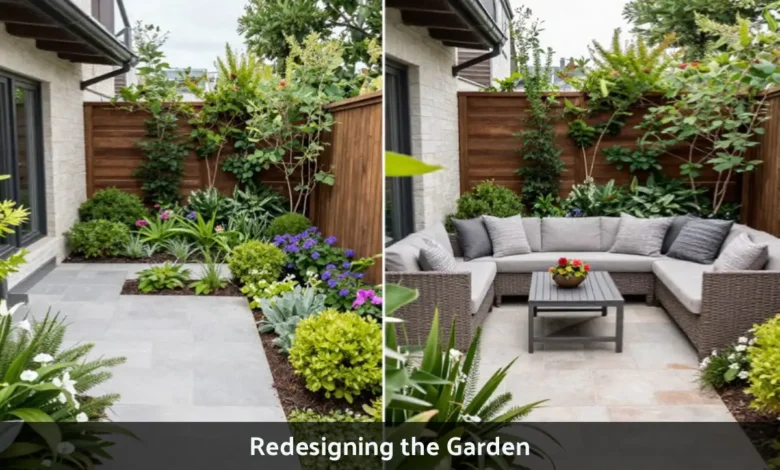
Redesigning the Garden starts with understanding your space through sun exposure, soil quality, and existing features. Create zones for different activities, choose plants suited to your climate, and build in stages to manage costs. Focus on adding privacy, improving functionality, and selecting low-maintenance plants that support local wildlife for a sustainable, beautiful garden transformation.
Your garden holds potential you haven’t tapped yet. Maybe you stare at a boring lawn or inherited a chaotic mix of plants from the previous owner. Whatever your starting point, you can create an outdoor space that works for your lifestyle, supports the environment, and looks stunning through every season.
This guide walks you through the complete process of Redesigning the Garden, from initial assessment to final planting.
Start by Understanding Your Garden’s DNA
Before you buy a single plant or move any soil, spend time learning what your garden offers and what it needs.
Track the sun’s movement. Walk through your space at different times during one full day. Note which areas get morning sun, afternoon shade, or stay sunny all day. This simple step prevents costly mistakes. A hydrangea planted in full blazing sun will struggle, while Mediterranean herbs tucked into shade never thrive.
Take photos at 9 am, noon, 3 pm, and 6 pm. Mark these observations on a rough sketch. North-facing gardens receive less sun than south-facing ones. East-facing spaces catch morning light but cool down by afternoon. West-facing areas heat up later in the day.
Test your soil. Grab a handful of damp soil. Does it clump into a sticky ball or fall apart? Clay soil holds water but drains poorly. Sandy soil drains fast but dries out quickly. Most plants prefer something in between.
Check your pH using a simple test kit from any garden center. Acid soil suits azaleas and blueberries. Alkaline soil works for lavender and peonies. You can adjust pH, but it’s easier to choose plants that already like what you have.
Consider wind patterns. Stand in your garden on a breezy day. Some spots stay calm while others get buffeted. Exposed areas need tougher plants. Sheltered corners let you grow more delicate varieties.
Urban gardens usually have protection from surrounding buildings. Rural properties face more exposure. A single hedge or fence can create a microclimate that expands your planting options.
Measure everything. You need actual dimensions, not guesses. Measure the total space, then measure areas within it. Write down distances from the house to the back fence, the width of existing beds, and the space between features.
These measurements prevent ordering too much material or designing a patio that overwhelms the lawn.
Map Out How You’ll Use the Space
A garden redesign fails when it looks pretty but doesn’t match how you actually live.
List your priorities. Do you want a dining area for eight people or a quiet reading nook for one? Do your kids need a play zone, or do you want maximum growing space? Write down everything you hope your garden will do, then rank items by importance.
Your top three priorities guide every decision that follows. You can’t fit everything into a small space, so knowing what matters most helps you cut the rest.
Create distinct zones. Breaking your garden into separate areas makes it feel larger and more interesting. A successful design typically includes:
A main entertaining space near the house for easy access to the kitchen. This needs hard surfaces that can handle furniture and foot traffic.
A transition zone with pathways and lighter plantings that connect different areas. This creates a journey through the space.
A destination at the far end that gives people a reason to explore. This could be a seating area, a small pond, or a productive vegetable patch.
Each zone needs clear boundaries. Use changes in paving material, different plant heights, or simple structures like arbors to mark where one area ends and another begins.
Think about privacy. Most people want to relax without feeling watched. Fast-growing climbers on fences create quick screening. Planted borders using taller shrubs and small trees build natural walls that block sightlines while adding beauty.
A common mistake is planting one type of screening all the way around. Mix your approach. Use evergreen shrubs on the busiest boundary, but allow glimpses through lighter plantings where views are pleasant.
Choose the Right Structural Elements
Hardscaping forms the backbone of your redesigned garden. Get this wrong and every season becomes a battle with maintenance.
Start with pathways. Every garden needs clear routes that stay dry and accessible year-round. Gravel costs less but needs regular topping up and edging maintenance. Stone pavers last for decades and look better with age. Poured concrete works for contemporary designs but cracks over time.
Width matters more than most people realize. A main path needs at least 90cm to feel comfortable for two people walking side by side. Secondary paths can be narrower at 60cm.
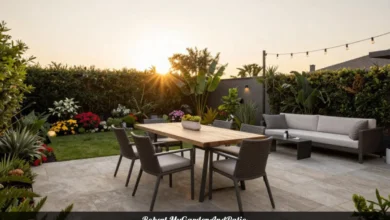
Design your patio properly. Your entertaining space requires adequate size for furniture plus circulation space. A table seating six people needs about 3m x 3m minimum, including chairs and room to move around them.
Position patios where they catch the sun at your preferred time. Morning coffee drinkers want east-facing. Evening entertainers need west or south-facing spaces that stay warm into sunset.
Add vertical structures. Arbors, pergolas, and trellises give your garden instant maturity. They create shade, define spaces, and support climbing plants. A simple wooden arch over a path transforms a flat space into something with depth and interest.
Avoid flimsy materials. Wind damage and rotting wood create expensive problems within three years. Invest in treated timber or metal structures that last.
Work in Logical Stages
Tackling everything at once overwhelms most budgets and turns your garden into a construction zone for months.
Phase one focuses on removal and prep. Clear unwanted features first. Remove old patios you won’t keep, dig out dead plants, and strip plastic grass if you inherited that abomination. Fix drainage issues now before you build on top of problems.
Poor drainage causes more garden failures than any other factor. If water pools after rain, install drainage before laying new surfaces.
Phase two handles major construction. Install new patios, build raised beds, erect fences, and lay main pathways. This is the messy stage that benefits from hiring professionals if your budget allows.
Do all the loud, disruptive work in one push. Your neighbors will appreciate a concentrated period of noise rather than months of sporadic banging.
Phase three adds structured planting. Install trees, large shrubs, and permanent framework plants before you tackle detailed border planting. These anchor plants establish the basic structure and take the longest to mature.
Small trees like Japanese maples, crab apples, or ornamental cherries create focal points. Evergreen shrubs such as boxwood, holly, or yew provide year-round structure.
Phase four completes the details. Fill borders with perennials, add containers, install lighting, and plant climbers. This stage offers flexibility because you can spread purchases across multiple growing seasons.
Buy perennials in smaller sizes to save money. A 9cm pot costs one-third the price of a 2-liter pot but will catch up within one season.
Select Plants That Actually Work
The prettiest garden design fails if plants die or require constant intervention.
Match plants to conditions. Sun-loving plants placed in shade become leggy and refuse to flower. Shade plants in full sun scorch and sulk. Check plant labels and respect their requirements.
Mediterranean herbs need gritty, well-drained soil and full sun. Woodland plants like hostas and ferns need moisture and shade. Fighting these preferences wastes time and money.
Build your planting palette. Every successful border follows a formula: tall plants at the back, medium heights in the middle, low growers at the front. Include a mix of:
Evergreen shrubs that provide winter structure (30 percent of your planting)
Flowering perennials that give seasonal color (40 percent)
Ornamental grasses that add movement and texture (15 percent)
Ground covers that suppress weeds and knit everything together (15 percent)
Choose native plants generously. Native species support local wildlife, handle your climate naturally, and need less maintenance once established. A garden planted entirely with exotics becomes a food desert for pollinators.
Mix 60 percent native plants with 40 percent well-behaved non-natives for the best of both approaches.
Plan for year-round interest. Spring bulbs fade by June. Summer perennials die back in the fall. Without planning, your garden looks dull for half the year.
Select plants that peak at different times. Spring bulbs transition to early perennials like hardy geraniums. Summer brings coneflowers and salvias. Fall showcases asters and ornamental grasses. Winter interest comes from evergreens, seed heads, and plants with colorful bark.
Create Natural Boundaries and Screens
Privacy and enclosure transform how you experience your garden.
Layer your boundaries. A bare fence looks harsh and offers no habitat. Soften it with climbers growing up and shrubs planted in front. This layering creates depth and interest while providing more growing space.
Evergreen climbers like ivy provide year-round cover. Add deciduous climbers like roses or clematis for seasonal flowers.
Use mixed hedging. Single-species hedges look formal and offer limited benefits to wildlife. Mixed hedges using hawthorn, hazel, dogwood, and holly create habitat, food sources, and year-round texture changes.
Mixed hedges need more space than formal hedging, typically 90cm to 120cm wide.
Build height gradually. Don’t plant tall trees right against boundaries in small gardens. Use medium shrubs that reach 2m to 3m at maturity. This provides screening without creating excessive shade or root competition.
Address Maintenance Realistically
Your dream garden becomes a nightmare if it demands more time than you can give.
Install automatic irrigation early. Hand-watering takes 30 minutes daily during the summer. Automatic systems cost around £500 to £800 for an average garden but save hundreds of hours each year.
Drip irrigation delivers water directly to roots, reducing waste and preventing disease that overhead watering causes.
Mulch everything annually. A 5cm layer of bark mulch suppresses weeds, retains moisture, and improves soil as it breaks down. One autumn application saves hours of weeding through the following year.
Group plants by water needs. Put thirsty plants together near water sources. Place drought-tolerant plants in dry spots. This prevents overwatering some plants while others suffer from thirst.
Choose low-maintenance varieties. Some plants need staking, deadheading, and division every few years. Others thrive with benign neglect. When choosing between two similar plants, pick the one that needs less intervention.
Daylilies outperform fussy lilies. Hardy geraniums beat high-maintenance bedding plants. Ornamental grasses need one cut per year compared to weekly mowing for large lawns.
Build in Sustainability From the Start
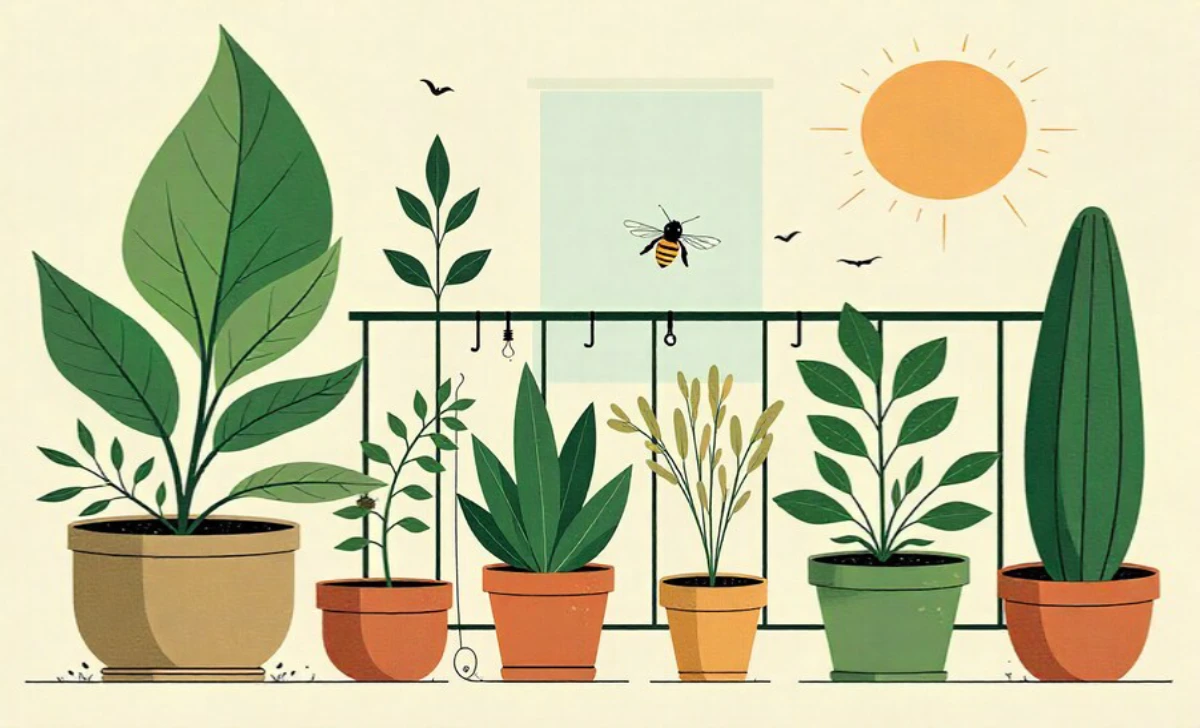
Sustainable gardening saves money, supports wildlife, and reduces environmental impact.
Capture rainwater. Install water butts on every downpipe. A typical house roof can harvest 85,000 liters per year. This free water reduces bills and provides better hydration for plants than chlorinated tap water.
Compost everything. Garden waste and kitchen scraps become free soil amendment. A simple three-bay system costs almost nothing to build and produces rich compost within six months.
Avoid chemicals completely. Pesticides kill beneficial insects along with pests, creating a cycle of dependence. Healthy soil and biodiversity create natural pest control that works better long-term.
Create wildlife habitats. Leave areas a bit wild with log piles, long grass, and native plants. These zones support the beneficial insects and small creatures that keep your garden ecosystem balanced.
A garden with healthy populations of ladybugs, ground beetles, and spiders needs no chemical pest control.
Budget Your Redesign Wisely
Most garden redesigns cost between £5,000 and £25,000, depending on size and scope.
Allocate your budget strategically: Hard landscaping takes 40 to 50 percent of the budget. This includes patios, paths, and structures. Quality materials last decades, so don’t skimp here.
Plants and soil improvement need 20 to 25 percent. Buy structural plants in larger sizes, but save money on perennials by purchasing smaller specimens.
Labor costs another 25 to 30 percent if you hire help. DIY-friendly tasks include planting, mulching, and painting fences. Leave paving, drainage, and electrical work to professionals.
Save money without sacrificing quality. Source reclaimed materials from architectural salvage yards. Old bricks, stone, and timber cost half the price of new and look better immediately.
Do your own soil preparation and planting. Professionals charge £25 to £40 per hour for work you can easily learn.
Buy young plants and be patient. A £5 plant becomes a £25 plant in two growing seasons.
Learn From Common Mistakes
Understanding what goes wrong helps you avoid expensive do-overs.
Planting too close together. That tiny shrub will grow. Check mature sizes and space accordingly. Cramped plants compete for resources, get diseases, and require constant pruning.
Ignoring mature heights. Trees planted under power lines create problems. Shrubs blocking windows need annual cutting. Research how big plants actually get before you position them.
Forgetting access needs. You need routes to reach water taps, bins, and sheds. Leave space to move wheelbarrows and access utilities without trampling plants.
Underestimating drainage issues. Waterlogged soil kills more plants than drought. Address drainage problems in the design phase, not after you’ve built everything.
Skipping soil preparation. Adding a thin layer of compost over clay or depleted soil wastes time. Properly prepare soil by double-digging, adding amendments, and breaking up compaction before planting.
Timeline for Results
Set realistic expectations about how long the transformation takes.
Immediate impact comes from structures. Patios, paths, and arbors look finished the day you install them. This hard landscaping provides the garden’s bones immediately.
First season brings color. Annual flowers and fast-growing perennials fill space quickly. Your garden looks intentional within three months of planting.
Year two shows real progress. Perennials establish properly and fill the allocated space. Shrubs start developing their mature shape. The garden begins functioning as you planned.
Years three to five reach maturity. Trees develop presence. Hedges knit together. Borders look abundant rather than sparse. Your garden achieves the vision you designed.
Long-term evolution continues. A garden never truly finishes. Plants mature, tastes change, and you’ll continue tweaking. This ongoing relationship keeps gardening interesting.
Final Thoughts
Redesigning your garden represents more than changing what grows outside. You’re creating an extension of your living space that supports wildlife, provides food, offers beauty, and gives you a place to unwind.
Start with careful observation. Understand what your site offers before you impose your vision. Work in stages that match your budget and energy. Choose plants suited to your conditions rather than forcing unsuitable varieties to survive.
Remember that gardens exist in time. The small tree you plant today will shade your grandchildren. The habits you build around composting and water conservation ripple beyond your property line.
Most importantly, enjoy the process. The journey from planning to planting to watching growth unfold teaches patience, celebrates small victories, and connects you to the seasons in ways modern life usually prevents.
Your redesigned garden won’t look like magazine photos next month, but it will get there. Every garden worth having takes time, attention, and willingness to learn from what works and what doesn’t.
Frequently Asked Questions
How much does redesigning a garden cost?
Garden redesigns typically range from £5,000 for modest changes to £25,000 for complete transformations. Costs depend on your size, existing features, and whether you hire professionals. Doing your own planting and basic prep work can cut expenses by 30 to 40 percent.
Should I hire a garden designer?
Professional designers help if you’re overwhelmed by options, have a difficult site, or want to avoid costly mistakes. They cost £500 to £2,000 for plans, but can save money by getting the layout right the first time. DIY works fine for straightforward spaces if you research thoroughly.
How long does a garden redesign take?
Full transformations take one to three years, depending on scope and budget. Initial construction happens over weeks or months. Plants need two to three growing seasons to establish and fill space. Working in phases spreads costs and lets you adjust plans as you go.
What plants need the least maintenance?
Ornamental grasses, hardy geraniums, sedums, day lilies, and native shrubs all thrive with minimal care once established. Choose plants suited to your soil and sun conditions. Proper plant selection eliminates most maintenance headaches.
Can I redesign my garden in stages?
Yes, phased work actually produces better results. Complete hardscaping first, then add structural plants, and finally fill in details. This approach manages budgets, lets you live with early decisions before committing fully, and allows plants to establish without construction damage.