Questions About Flowers: Complete Guide with Answers
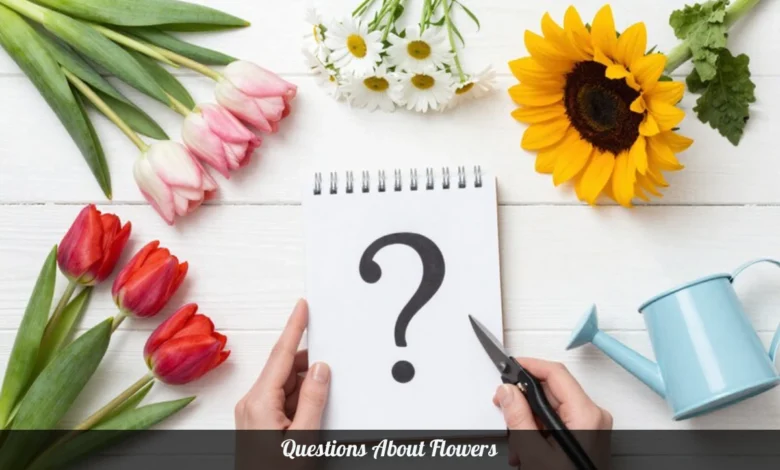
Questions about flowers range from care tips to symbolism and history. This guide answers the most common flower questions, including how to keep flowers fresh longer, which flowers are poisonous, what different colors mean, and fascinating trivia about the world’s most popular blooms.
Your flower questions deserve clear answers. Whether you’re curious about keeping roses alive longer or wondering which blooms grow best in shade, this guide covers what you need to know.
How Do You Keep Cut Flowers Fresh Longer?
Change the water every two days. Fresh water prevents bacterial growth that shortens flower life.
Cut stems at a 45-degree angle before placing them in water. This angle increases the surface area that absorbs water. Use sharp scissors or pruning shears for clean cuts.
Remove any leaves that sit below the waterline to prevent bacterial growth. Store your arrangement in a cool spot away from direct sunlight and heating vents.
Most cut flowers last 5 to 7 days. With proper care, you can extend this to two weeks. Chrysanthemums, orchids, and carnations last longest, often reaching three weeks.
Add flower food to the water if provided. These packets contain sugar for nutrition, acid to maintain pH levels, and bleach to kill bacteria. If you don’t have flower food, add a teaspoon of sugar and a few drops of bleach to a quart of water.
Which Flowers Are Poisonous?
Several common garden flowers pose risks if eaten. Hydrangeas contain cyanide that can dangerously drop blood pressure dangerously low. Foxgloves cause heart problems. Lily of the valley affects heart rhythm.
Other poisonous species include oleander, larkspur, azalea, and mistletoe, which can cause convulsions and vomiting. Most poisonous blooms only cause harm when eaten in large amounts.
Keep these flowers away from pets and children. If someone ingests a poisonous flower, call poison control immediately. Don’t wait for symptoms to appear.
Daffodil bulbs look similar to onions but contain toxic compounds. Store bulbs separately from food items. Label storage containers clearly.
What Do Different Flower Colors Mean?
Red roses symbolize romance and passion, while pink roses represent perfect happiness. White flowers typically mean purity or sympathy. Yellow blooms express friendship and joy.
Yellow roses once signified jealousy in Victorian times, but now represent friendship. Context matters when interpreting flower meanings.
Orange flowers convey enthusiasm and desire. Purple represents royalty and admiration. Blue flowers are rare in nature and symbolize peace or the unattainable.
The Victorians created an entire language around flowers called floriography. They used posies called nosegays or tussie-mussies to send secret messages to lovers, with red roses being the height of romance.
Which Flowers Grow in Shade?
Many beautiful flowers thrive without full sun. Snowdrops, foxgloves, aquilegias, astrantias, primroses, hellebores, astilbe, fuschias, and hydrangeas all grow well in shady spots.
Shade gardens need different care than sunny spaces. The soil stays moist longer, so water less frequently. Improve drainage by adding compost to prevent root rot.
Partial shade means four to six hours of sun daily. Full shade receives less than four hours. Choose plants rated for your specific light conditions.
Hydrangea colors change based on soil pH levels. Acidic soil produces blue flowers while alkaline soil creates pink blooms.
What Are the Most Popular Flowers?
Roses dominate flower sales worldwide. Rose cut flowers accounted for 32.57% of the market in 2024. Their universal symbolism of love makes them the top choice for gifts.
Tulips rank second in popularity. Tulips were once more valuable than gold, and their bulbs can replace onions in some recipes. The Netherlands produces billions of tulips annually.
Lilium cut flower sales are growing at 6.4% annually through 2030. Their versatility and range of colors make them favorites for arrangements.
Sunflowers, carnations, and chrysanthemums round out the top sellers. Each serves different occasions and price points. Americans spend $1.83 billion per year on flowers, with Valentine’s Day driving the highest sales.
How Long Do Different Flowers Last?
Chrysanthemums last the longest, at three weeks or more. Orchids, carnations, and lilies typically reach two to three weeks with proper care.
Roses last 7 to 10 days. Tulips and daffodils typically last 5 to 7 days. Delicate blooms like sweet peas fade within 3 to 5 days.
Flowers sent as tight buds, like peonies and lilies, are fresh and give you the most life. Fully open flowers at purchase won’t last as long.
Temperature affects vase life dramatically. Flowers last twice as long in cool rooms compared to warm spaces. Keep arrangements away from fruit bowls. Ripening fruit releases ethylene gas that ages flowers faster.
Questions About Flowers: Fascinating Trivia
Historical Facts
Iris gets its name from the Greek word for rainbow. Ancient Greeks associated the flower with their messenger goddess, who traveled on rainbows.
The chrysanthemum’s name comes from Greek words meaning gold and flower. These autumn bloomers originated in China over 2,500 years ago.
Vanilla comes from orchids, specifically from about 110 orchid species that can produce vanilla pods. The vanilla orchid takes three years to produce its first flowers.
Flower Records
The Rothschild orchid, known as Gold of Kinabalu, costs £3,500 to £4,000 per stem, making it the world’s most expensive flower. It only grows in Malaysia’s Kinabalu National Park.
Rafflesia arnoldii produces the world’s largest individual flower, found in rainforests of Borneo and Sumatra. A single bloom can measure three feet across and weigh 15 pounds.
The Kadupul or ghost flower from Sri Lanka is priceless because it blooms once yearly at night and wilts before dawn. No one can sell what cannot be transported.
Growing Facts
Sunflowers can contain approximately 2,000 seeds in each flower head. The spiral pattern of seeds follows the Fibonacci sequence.
Snapdragons earned their common name because their flowers resemble a mythical creature when squeezed. Children love making them “talk.”
The heather genus contains only one species, Calluna vulgaris. Despite its limited species count, heather produces flowers in numerous colors.
Which Flowers Can You Eat?
Many flowers are safe and delicious to eat. Nasturtiums add peppery flavor to salads. Violets make beautiful cake decorations. Squash blossoms fry wonderfully in light batter.
Dandelions, passionflowers, and lovage are edible, but hyacinths are not safe to eat. Always verify a flower’s safety before consuming it.
Rose petals add fragrance to desserts and beverages. Remove the bitter white base before eating. Lavender flavors baked goods and honey.
Never eat flowers from florists or garden centers. These blooms often contain pesticides unsafe for consumption. Grow your own edible flowers or buy them from specialty food suppliers.
What Questions Do People Ask Most About Flowers?
Flower Care Questions
People frequently ask about watering frequency. Most potted flowers need water when the top inch of soil feels dry. Outdoor flowers need one inch of water weekly.
“Can I revive wilted flowers?” comes up often. Recut stems under water, place in fresh water with flower food, and refrigerate overnight. This saves about half of the wilted arrangements.
Seasonal Questions
Peony season runs from November to December, making this the best and cheapest time to buy them. Imported peonies arrive at other times but cost more.
English bluebells flower from April to May. Spring bulbs like tulips and daffodils follow similar schedules in temperate climates.
Allergy Questions
People with allergies should avoid flowers with pollen or strong scents. Tell your florist about allergies when ordering. They can select low-pollen varieties.
Lilies produce heavy pollen that stains clothes and triggers allergies. Remove stamens before displaying lilies indoors. Roses, orchids, and hydrangeas cause fewer allergy problems.
How Do Flowers Affect Your Mood?
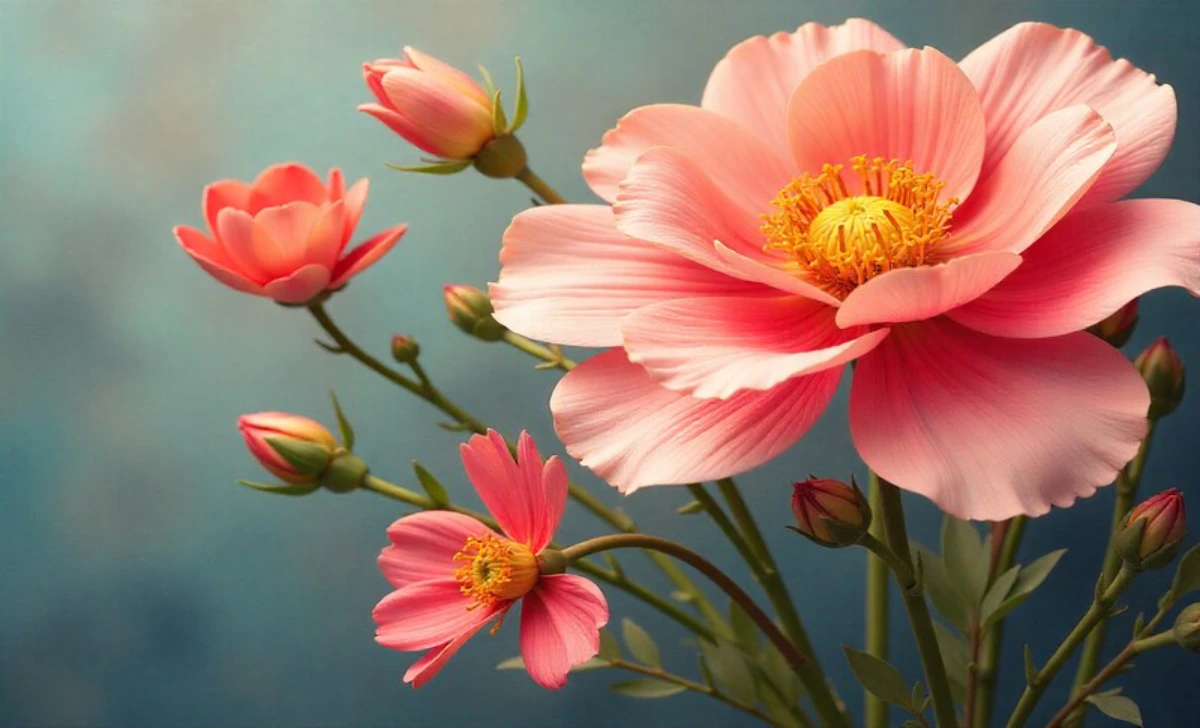
Receiving flowers triggers your brain to release dopamine, the happy hormone. This response evolved when our ancestors associated blooming plants with spring’s arrival after winter scarcity.
Scientific studies prove that flowers help people feel happier. Even viewing flowers reduces stress and improves emotional well-being.
Fresh flowers in homes positively impact mood and comfort levels while contributing to air purification. Their colors and fragrances create pleasant atmospheres.
Hospitals report faster patient recovery when rooms contain flowers. Office workers show higher productivity with plants nearby. The benefits extend beyond aesthetics.
What Are Common Flower Garden Problems?
Pest Issues
Japanese beetles chew small holes in leaves and flower petals. Hand-pick them early morning when they’re sluggish. Drop them in soapy water.
Larger animals like deer consume entire leaves, while insects create small holes or chewed edges. Identify the culprit before choosing control methods.
Aphids cluster on new growth and flower buds. Spray them off with water or use insecticidal soap. Encourage ladybugs that eat aphids naturally.
Disease Problems
Powdery mildew creates a white coating on leaves. Improve air circulation and avoid overhead watering. Remove infected leaves promptly.
Root rot occurs in poorly drained soil. Amend heavy clay with compost and sand. Plant in raised beds if drainage problems persist.
Fungal diseases spread in humid conditions. Water early so foliage dries before nightfall. Space plants properly for air flow.
Flower Industry Statistics and Trends
The ornamental horticulture industry reached $70 billion in 2024. Global demand continues to grow despite economic pressures.
The Netherlands and Colombia remain primary drivers of floral exports, with the cut flower trade valued at $10.5 billion in 2023. These countries supply most flowers sold in North America and Europe.
The United States flower industry grows at 8.5% annually, with the market worth approximately $5 billion. Valentine’s Day generates the highest sales, followed by Mother’s Day and Christmas.
77% of consumers purchase flowers for special occasions, though 50% of sales come from non-calendar events. Self-care trends drive more people to buy flowers for their own homes.
Online flower delivery transforms the industry. Direct-to-consumer models reduce costs and delivery times. Subscription services deliver fresh flowers weekly or monthly to regular customers.
Final Thoughts
Questions about flowers reveal our deep connection to these natural beauties. Understanding proper care extends their life. Knowing which flowers suit different conditions helps gardens thrive. Learning meanings adds depth to giving and receiving flowers.
Start with basics like proper watering and light requirements. Experiment with new varieties each season. Join local gardening groups to share knowledge and solve problems together.
The flower industry continues adapting to consumer preferences. Expect more sustainable growing practices and exotic varieties. Technology improves everything from breeding to delivery.
FAQs
Do flowers really improve mental health?
Yes. Research confirms flowers reduce stress, boost mood, and improve cognitive function. The effect happens because humans evolved to associate blooming plants with abundant resources.
Can men receive flowers as gifts?
Absolutely. Skip outdated gender rules and choose flowers the recipient enjoys. Sunflowers, orchids, and tropical arrangements work well for anyone.
How do you dry flowers to keep them?
Hang flowers upside down in a dark, dry room for two weeks. Roses, baby’s breath, statice, and eucalyptus dry well. Use dried flowers in arrangements that last months or years.
Why do grocery store flowers die quickly?
They’ve traveled far and sat in storage. Buy the freshest bunches with tight buds. Recut stems immediately and use flower food to extend their life.
Which flowers attract butterflies and bees?
Plant zinnias, coneflowers, black-eyed Susans, lavender, and bee balm. These provide nectar that pollinators need. Avoid double-flowered varieties that lack accessible pollen.