Purple Sunflowers: Complete Growing Guide for Unique Garden Blooms
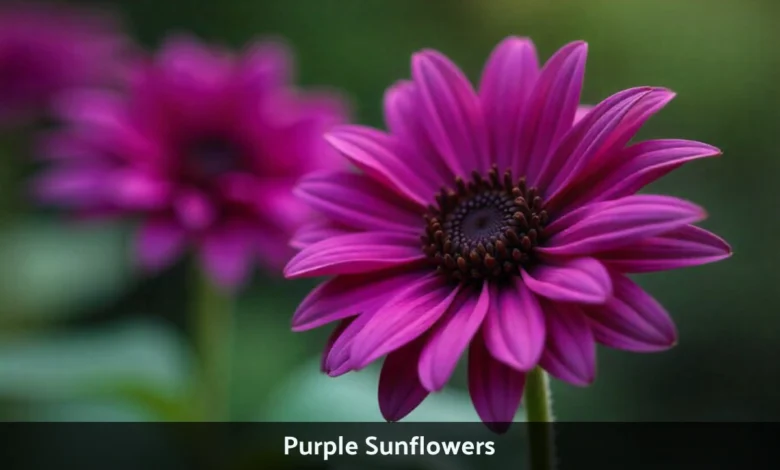
Purple sunflowers are unique Helianthus annuus varieties with burgundy, violet, or purple-tipped petals and dark centers. These annual flowers grow 4-8 feet tall, require full sun and well-drained soil, and germinate in 7-14 days when planted after the last frost. They’re pollen-free, deer-resistant, and excellent for cut flower arrangements.
When you think of sunflowers, bright yellow petals likely come to mind. Purple sunflowers turn that expectation on its head. These striking flowers bring deep burgundy, violet, and purple tones to your garden. They’re not genetically modified—just the result of careful plant breeding that brings out naturally occurring pigments.
You can grow purple sunflowers just as easily as traditional varieties. They need the same basic care but deliver something completely different. Your garden will stand out, and your cut flower arrangements will look unlike anything your neighbors are growing.
What Makes Purple Sunflowers Different
Purple sunflowers belong to the Helianthus annuus species. They share DNA with classic yellow sunflowers but express different color genes.
Most purple varieties fall into two categories. The first type features actual purple or burgundy petals surrounding a dark center. Varieties like Chianti and Moulin Rouge fit this description. The second type, like SunFill Purple, showcases purple-tipped green sepals (the outer protective leaves) that create a unique appearance before true petals emerge.
The SunFill series was developed by American breeder Tom Heaton, who created varieties with ornamental sepals that wrap around the flower face. This gives you the decorative look typically found only on a sunflower’s back.
These flowers aren’t naturally purple in the wild. Breeders selected plants with burgundy and purple tones, then crossed them over multiple generations. The result? Stable varieties that reliably produce non-yellow blooms.
Best Purple Sunflower Varieties to Grow
You’ll find several purple sunflower types available. Each offers different characteristics for your garden.
SunFill Purple is the most unique option. It grows 4-6 feet tall with 3-4 inch blooms. The variety is pollen-free and produces green calyx leaves at the center that fade to purple. This makes it ideal if you have allergies. Harvest the blooms before the small yellow petals appear for the best look.
Chianti produces deep red petals from purple stems. This pollen-less variety reaches similar heights and works beautifully in arrangements. The dark burgundy color holds well in vases.
Moulin Rouge offers true burgundy-purple petals. This variety features large flower heads and petals in burgundy-red to burgundy-purple tones. Birds, bees, and butterflies find it attractive.
Ms. Mars stays compact at just 2 feet tall. It produces two-toned petals in creamy white and purplish pink. You can grow it in containers or use it to line flower bed borders.
Purple Mammoth takes a different approach. This variety grows to 8 feet and produces large heads with purple seeds rather than purple petals. The seeds are edible and of high quality.
How to Plant Purple Sunflowers
Purple sunflowers need the same growing conditions as yellow varieties. Start with location selection.
Choose a spot that gets 6-8 hours of direct sunlight daily. These plants won’t perform well in shade. They need that sunlight to develop strong stems and full blooms.
Test your soil drainage before planting. Dig a hole 12 inches deep, fill it with water, and watch how long it takes to drain. If water sits for more than an hour, you need to improve drainage. Work in a 2-3 inch layer of compost or add sand to loosen heavy clay soil.
Plant seeds outdoors after your last frost date. Soil temperatures should reach 55-60°F before sowing. Cold soil leads to poor germination and seed rot.
Sow seeds 1/2 inch deep and 6 inches apart. Cover them lightly with soil. If birds are a problem in your area, place netting over the bed until seedlings emerge.
Seeds germinate in 7-14 days at temperatures between 65-85°F. Keep the soil consistently moist during this period. Once seedlings appear, thin them to 12-24 inches apart. This spacing prevents competition and allows each plant to develop properly.
You can start seeds indoors 2-3 weeks before your last frost. Use 2-inch pots or cell packs filled with seed-starting mix. Plant seeds 1/2 inch deep and keep them at 65-85°F. Transplant seedlings outdoors before they become root-bound. Sunflowers dislike root disturbance, so handle them carefully.
For continuous blooms, sow new seeds every 2-3 weeks through early summer. This gives you fresh flowers from mid-summer through fall.
Caring for Your Purple Sunflowers
Once established, purple sunflowers need minimal care. Focus on three main areas: water, fertilizer, and support.
Watering: Young plants need consistent moisture. Water deeply once weekly, providing several gallons per plant. In hot, dry weather, increase to twice weekly. Check soil 2 inches down—if it’s dry, water. If it’s moist, wait.
Established plants tolerate drought well. They’ll survive dry spells, but consistent moisture produces better blooms and stronger stems.
Fertilizing: Go easy on fertilizer. Too much nitrogen causes weak, leafy growth with few flowers. Apply a balanced slow-release fertilizer (14-14-14) once in midsummer. Use 1/4 pound per 10 square feet, working it into the top 1-3 inches of soil.
Skip fertilizer entirely if your soil is already rich. These plants grow fine in average conditions.
Staking: Most purple varieties grow 4-6 feet tall. Stake them if you live in a windy area or if they’re planted where they’ll get knocked around. Drive a stake 12 inches into the ground next to each plant. Tie the stem loosely with soft twine or plant ties.
Do not pinch or prune purple sunflowers. Single-stem varieties produce low-quality blooms or no blooms at all when pinched.
Common Growing Problems and Solutions
Purple sunflowers face a few serious issues. Catch problems early, and you’ll keep plants healthy.
Powdery mildew shows up as white, dusty patches on leaves. It occurs in humid conditions with poor air circulation. Space plants properly and avoid overhead watering. Water at the base of plants in the morning so foliage dries quickly.
Aphids cluster on new growth and flower buds. Spray them off with a strong stream of water. For heavy infestations, use insecticidal soap.
Wilting despite moist soil indicates root problems. Overwatering causes root rot. Healthy roots appear firm and white, while brown and mushy roots signal distress. Let the soil dry out between waterings and improve drainage.
Stunted growth usually means overcrowding or poor soil. Thin plants to proper spacing. Add compost to improve soil quality.
Birds eating seeds: If you’re growing varieties with edible seeds, cover developing seed heads with mesh bags. This protects seeds while allowing the head to continue maturing.
Harvesting Purple Sunflowers for Arrangements

Purple sunflowers excel as cut flowers. Timing your harvest makes a big difference in vase life.
For traditional purple petal varieties, cut stems in the morning after the dew dries. Choose flowers that are 50-75% open. Fully open blooms last shorter in vases.
For SunFill Purple, cut stems when buds form but before small yellow petals appear. The green and purple sepals create the display, not the petals. Cut early for small buds or wait longer for larger buds—both work well.
Use clean, sharp pruners or scissors. Cut stems at a 45-degree angle. This increases the water uptake surface area. Strip leaves from the lower half of each stem.
Place cut stems immediately in water. Add flower preservative to extend vase life. Change water every 2-3 days.
Purple sunflowers last 7-10 days in vases with proper care. The SunFill varieties can last even longer because they’re harvested at an earlier stage.
Why Choose Purple Sunflowers
Purple sunflowers offer benefits beyond their unique color. They bring practical advantages to your garden.
Allergy-friendly: Most purple varieties, especially the SunFill series, are pollen-free. You can enjoy them without triggering allergies. They’re safer for indoor arrangements, too.
Wildlife support: Purple sunflowers attract birds, bees, and butterflies. They support local pollinator populations. If you leave seed heads through fall, birds will feast on the seeds.
Deer resistance: These plants resist deer browsing. If deer are a problem in your area, purple sunflowers give you a colorful option that usually survives.
Low maintenance: After establishment, they need little care. Weekly watering and one fertilizer application get you through the season. No deadheading or complicated pruning required.
Versatility: Grow them in garden beds, cutting gardens, or as a backdrop for shorter plants. Dwarf varieties work in containers. They fit multiple garden styles and purposes.
Planning Your Purple Sunflower Garden
Design your space to maximize impact. Purple sunflowers look best with complementary plants.
Plant them in groups of 3-5 for visual impact. A single purple sunflower can look lonely. Clusters create bold statements.
Place tall varieties (5-8 feet) at the back of borders. They won’t shade shorter plants. Medium varieties (4-5 feet) work in the middle of beds. Dwarf types (2-3 feet) fit at the front or in containers.
Pair purple sunflowers with contrasting colors. Yellow coreopsis, white cosmos, or blue salvia create striking combinations. The color contrast makes each plant stand out more.
Or go monochromatic. Combine different purple flower varieties—purple coneflowers, salvia, and verbena alongside purple sunflowers. This creates a sophisticated, unified look.
Consider bloom timing. Purple sunflowers typically bloom in mid-summer, with seed maturity occurring 30-45 days later. Plant early bloomers like bachelor’s buttons for spring color, purple sunflowers for summer, and asters for fall. This extends your garden’s purple theme across seasons.
Final Thoughts
Purple sunflowers bring unexpected color to gardens. They’re as easy to grow as traditional sunflowers but deliver something completely different. You get unique flowers that work in arrangements, support pollinators, and resist deer.
Start with one variety this season. Try SunFill Purple if you want something truly unusual, or Moulin Rouge for classic burgundy petals. Plant in full sun after your last frost, keep the soil moist until established, and watch them grow.
These flowers prove that sunflowers don’t have to be yellow to be beautiful. They expand what’s possible in your garden.
FAQs
Are purple sunflowers real or genetically modified?
Purple sunflowers are real and not genetically modified. They result from selective breeding that emphasizes naturally occurring purple and burgundy pigments found in some Helianthus annuus plants. Breeders crossed plants with these traits over multiple generations to create stable purple varieties.
How tall do purple sunflowers grow?
Height varies by variety. Most purple sunflowers grow 4-6 feet tall. Purple Mammoth can reach 8 feet. Dwarf varieties like Ms. Mars stay around 2 feet. Check your seed packet for specific variety height information.
Can I save seeds from purple sunflowers to plant next year?
You can save seeds from open-pollinated purple varieties. F1 hybrid varieties (like SunFill Purple) won’t grow true from saved seed. Their offspring will revert to the parent plant characteristics. Buy fresh hybrid seed each year for consistent results.
Do purple sunflowers need different care than yellow sunflowers?
No. Purple and yellow sunflowers need identical care. Both require full sun, well-drained soil, weekly watering, and minimal fertilizer. The only difference is petal color. Growing techniques remain the same.
When should I plant purple sunflower seeds?
Plant purple sunflower seeds outdoors after your last frost date when the soil reaches 55-60°F. In most regions, this falls between April and May. You can start seeds indoors 2-3 weeks earlier for a head start on the growing season.