The Hidden Moisture Problem Costing Portland Homeowners Thousands
Your home feels comfortable. The AC runs fine. You keep everything clean. Yet something is happening behind the walls that could cost you thousands of dollars in repairs. Portland’s climate creates a perfect storm for moisture damage, and most homeowners don’t realize they have a problem until it’s too late.
Portland averages 73% relative humidity year-round, hitting 83% in December and staying above 60% even during summer. That persistent moisture doesn’t just make your home feel stuffy. It invades every corner of your house, creating conditions for mold growth, wood rot, and structural damage that insurance companies rarely cover.
The good news? A Portland HVAC dehumidifier can stop this damage before it starts. This guide explains why Portland homes face unique humidity challenges, what they cost you, and whether whole-house dehumidifiers make financial sense for your situation.
Why Portland Homes Trap Moisture Year-Round
Portland sits in a humid climate zone that creates problems other regions don’t face. The city sees rain throughout most of the year, but the issue isn’t just the 150 days of precipitation. It’s the way Portland homes hold onto that moisture.
Your AC system removes some humidity during the summer. But it wasn’t designed to be a dehumidifier. Air conditioners pull moisture from the air as a byproduct of cooling, not as their primary function. Portland has experienced above-average dew points of 65 or higher in recent years, even though Pacific Northwest summers are projected to become drier. When outdoor humidity stays high, your AC can’t keep up.
Winter creates different problems. You’re not running AC at all. Indoor activities like cooking, showering, and even breathing add moisture to your home. Modern windows and improved insulation trap the humidity inside. Basements stay damp. Crawl spaces collect condensation. The moisture has nowhere to go.
Most Portland homeowners notice the symptoms without connecting them to humidity. Musty smells in closets. Windows that fog up on cool mornings. Doors that stick during certain seasons. These aren’t just annoyances. They’re warning signs that moisture levels have climbed too high.
The Real Cost of Ignoring Indoor Humidity
Moisture damage doesn’t announce itself with a dramatic flood. It accumulates slowly, giving mold and rot time to establish themselves deep in your home’s structure.
Most homeowners pay between $1,500 to $9,000 for mold remediation, with an average cost of $3,500. That number climbs quickly when mold spreads to multiple rooms or requires tearing out walls and replacing drywall. Black mold remediation costs more than other types because it requires specialized removal procedures.
Your homeowners’ insurance probably won’t help. Homeowners insurance doesn’t usually cover mold damage or removal unless it’s the result of a covered peril. Insurance companies consider mold from ongoing humidity issues to be a maintenance problem, not an accident. They’ll only pay if mold results from sudden events like burst pipes.
The financial damage extends beyond mold remediation. Excess humidity warps hardwood floors. Paint peels off the walls. Wood trim swells and cracks. Doors won’t close properly. These repairs add up quickly, and you’re paying out of pocket for all of them.
Indoor air quality suffers, too. High humidity creates ideal conditions for dust mites, which trigger allergies and asthma. The American Lung Association links poor indoor air quality to respiratory problems that affect children and elderly family members most severely.
Property value takes a hit when buyers discover moisture problems during inspections. Homes with documented mold issues can see significant price reductions. Some buyers walk away entirely rather than take on the liability.
How Whole House Dehumidifiers Work With Your HVAC
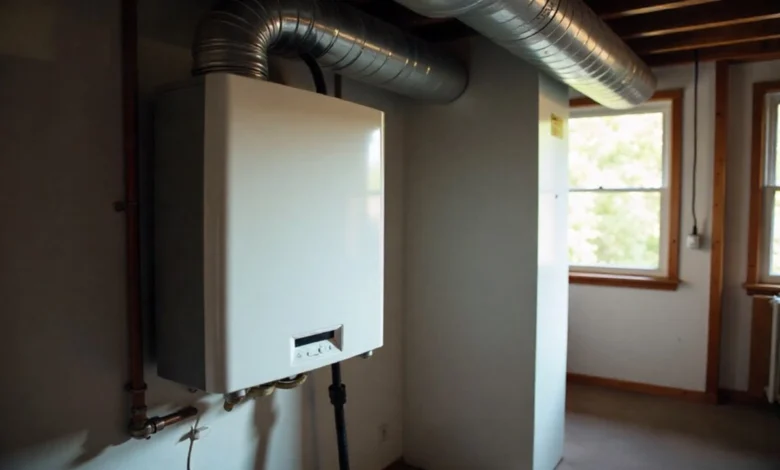
A Portland HVAC dehumidifier integrates directly into your existing heating and cooling system. Unlike portable units that sit in one room, whole-house systems control humidity throughout your entire home.
The unit connects to your return ducts. Air flows through the dehumidifier before reaching your furnace or air handler. The system removes moisture, then sends dry air back through your home’s ductwork. This happens continuously, maintaining consistent humidity levels in every room.
Most systems drain automatically through your HVAC’s condensate line. You never empty a water tray. You never move equipment between rooms. The system operates in the background, adjusting based on humidity sensors that monitor conditions throughout your home.
Whole-house dehumidifiers work year-round. They run during summer when your AC can’t keep up. They operate in spring and fall when you’re not using heating or cooling at all. They even function in winter, preventing the moisture buildup that comes from daily living activities.
The optimal humidity range sits between 30% and 50% relative humidity. Levels above 50% create conditions for mold growth. Levels below 30% cause dry skin and respiratory irritation. A properly sized whole-house dehumidifier keeps you in that sweet spot automatically.
Installation Costs and What Affects Your Price
A whole-house dehumidifier costs an average of $1,500, or between $1,300 and $2,800 for most homeowners. That total includes both equipment and professional installation. Your actual cost depends on several factors specific to your home and situation.
System capacity matters most. Dehumidifiers are rated by how many pints of moisture they remove daily. A 1,500 square foot home needs less capacity than a 3,000 square foot home. Portland’s climate also affects sizing. Homes with finished basements or those near the river typically need larger units.
Installation complexity drives labor costs. Pros typically charge a set fee of between $500 and $700 for their work, with an extra $35 to $40 to remove an old humidifier. Simple installations in accessible areas like garages cost less. Attic or crawl space installations take more time and increase labor charges.
Drainage setup adds to the total. Gravity drains work when your floor drain sits nearby. You’ll pay $150 to $500 extra for internal pumps if the drain is far away or if you need to pump water upward. Some installations require new electrical circuits, adding another $100 to $200 for permit and electrician fees.
Energy efficiency affects long-term costs more than purchase price. ENERGY STAR-rated models cost more upfront but use less electricity to remove the same amount of moisture. You’ll recoup the difference through lower monthly utility bills over the unit’s 5 to 8 year lifespan.
Comparing Whole House Systems to Portable Units
Portable dehumidifiers sell for $250 to $450 at big box stores. That price gap makes them tempting. But the real comparison isn’t that simple when you calculate total cost and effectiveness.
One portable unit covers about 1,500 square feet at most. Portland homes average 1,800 to 2,400 square feet. You’d need two or three portable units to match whole-house coverage. You’re already approaching $1,000 in equipment costs, plus you’re managing multiple devices.
Portable units require constant attention. You empty water trays daily. You move units between rooms. You replace filters every few months. Most people start with good intentions, but gradually use the units less because of the hassle.
Energy costs add up differently, too. Portable dehumidifiers run less efficiently than integrated systems. They work harder to move air through smaller fans and coils. Your monthly electric bill reflects that difference, especially during Portland’s humid spring and fall seasons.
Whole-house systems deliver better air circulation. They leverage your existing HVAC ductwork to move large volumes of air efficiently. This means more consistent humidity control and fewer hot or cold spots in your home.
The maintenance requirements differ significantly. Whole-house units get serviced once annually during your regular HVAC maintenance appointment. No water trays. No moving equipment. Your HVAC technician checks the unit, cleans components, and verifies drainage lines during routine service calls.
When a Whole House Dehumidifier Makes Financial Sense
Not every Portland home needs a whole-house dehumidifier right away. Your specific situation determines whether the investment pays off.
You should consider professional dehumidification if you’re already dealing with moisture problems. Recurring mold in bathrooms. Musty basement odors that won’t go away. Condensation on windows during winter. These symptoms indicate humidity levels consistently above healthy ranges.
Homes with finished basements benefit most from whole-house systems. Basements naturally accumulate moisture, and finished spaces with carpet or drywall are especially vulnerable to damage. One mold remediation event costs more than the dehumidifier installation.
Newer, tightly sealed homes trap humidity more effectively than older homes with drafty windows. If you’ve upgraded to energy-efficient windows or added insulation recently, you may have unknowingly created moisture problems that didn’t exist before.
Health concerns justify the expense for many families. If anyone in your home suffers from allergies, asthma, or respiratory sensitivities, controlling humidity improves their quality of life. The reduction in dust mites and mold spores provides measurable relief.
Property protection matters for long-term homeowners. If you plan to stay in your Portland home for five years or more, preventing moisture damage protects your investment. The cost of installing a dehumidifier looks small compared to replacing damaged flooring or remediating extensive mold growth.
Your existing HVAC system influences the decision, too. If your air conditioner struggles to keep your home comfortable during humid weather, a dehumidifier reduces the load on your AC. That can extend your air conditioner’s lifespan by preventing short cycling and reducing wear on components.
Making Your Portland Home Humidity Decision
Portland’s climate creates moisture challenges that most homeowners underestimate. The 73% average relative humidity doesn’t just make your home uncomfortable. It actively damages your property in ways that insurance won’t cover.
The question isn’t whether Portland homes have humidity problems. The question is whether those problems have caused visible damage yet. By the time you see mold or smell mustiness, moisture has been accumulating for months or years.
A whole-house dehumidifier costs $1,300 to $2,800 installed. That investment prevents moisture damage that costs $3,500 on average to remediate, often reaching $9,000 or more for extensive problems. The math works out clearly for Portland homeowners who want to protect their property.
Contact a licensed HVAC contractor for a humidity assessment. They’ll measure current moisture levels, inspect vulnerable areas, and recommend the right size system for your home. Most contractors offer free consultations that help you understand your specific situation before making any commitment.
Your Portland home deserves protection from the moisture that threatens it every day. The right dehumidification system stops damage before it starts, giving you peace of mind and protecting your largest financial investment.