How to Build a Pond with Waterfall: Complete DIY Guide for Your Garden
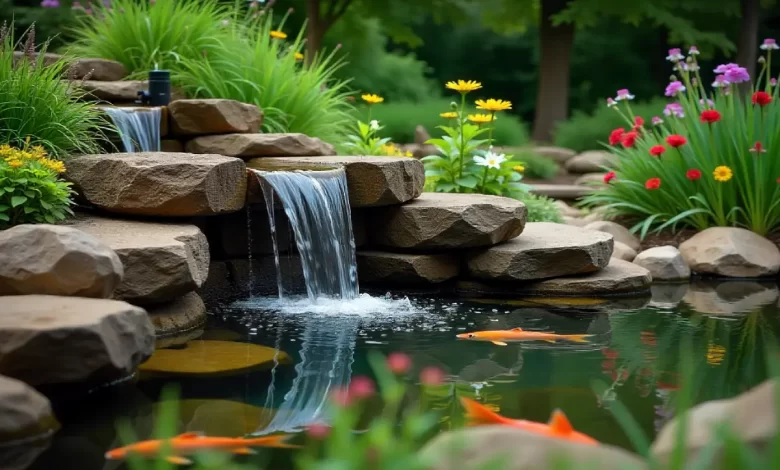
A pond with waterfall combines a water garden with a cascading water feature. Basic construction requires digging, liner installation, pump system setup, and rock placement. Most DIY projects cost $500-$3,000 and take 2-3 weekends to complete with proper planning and materials.
Have you ever sat by a babbling brook and felt instantly relaxed? You can create that same peaceful atmosphere in your own backyard. A pond with a waterfall brings the soothing sounds of flowing water right to your garden.
This guide walks you through every step of building your own water feature. You’ll learn about planning, materials, construction, and maintenance. By the end, you’ll know how to create a stunning focal point that increases your property value and provides years of enjoyment.
Planning Your Pond with Waterfall Design
Location determines everything about your water feature’s success. Choose a spot visible from your main living areas but away from trees that drop leaves. You’ll need access to electricity for the pump and water for filling.
Size matters more than you might think. A pond smaller than 6 feet across struggles to maintain proper water chemistry. Depth should reach at least 18 inches to support fish and prevent complete freezing in winter.
Consider your waterfall height carefully. Every foot of height requires more pump power and increases construction complexity. Most backyard waterfalls work best between 2-4 feet tall.
Draw your design on paper first. Include measurements, pump location, and electrical connections. This planning phase prevents costly mistakes during construction.
Essential Materials and Tools You’ll Need
Your material list depends on pond size, but these items appear in every build:
- Pond liner (EPDM rubber lasts longest)
- Underlayment fabric to protect the liner
- Water pump rated for your pond volume
- Flexible tubing for water circulation
- Natural stones and rocks for the waterfall structure
- Sand for base preparation
- Pond skimmer and filtration system
Tool requirements include a shovel, level, utility knife, and wheelbarrow. Rent a mini excavator for ponds larger than 8×10 feet. The time savings justify the rental cost.
According to landscape contractor Mike Wilson, “Spending extra on quality liner and pump saves hundreds in repairs later. Cheap materials fail within 2-3 years in outdoor conditions.”
Excavation and Base Preparation Steps
Mark your pond outline with spray paint. Call 811 before digging to locate underground utilities. This free service prevents dangerous accidents and expensive repairs.
Dig in stages, starting with the deep center area. Create shelves around the perimeter for plants and easy access. Remove all rocks, roots, and sharp objects that could puncture the liner.
Check your excavation level frequently. An unlevel pond looks obviously wrong and causes water flow problems. Use a long board and a level to verify that all shelf areas match.
Spread 2 inches of sand across the entire excavation. This creates a smooth base for your liner. Wet the sand lightly and pack it firm with your hands or a tamper.
Install underlayment fabric over the sand base. This protective layer prevents small stones from working through the sand and damaging your liner over time.
Installing Liner and Water Systems
Unroll your liner on a warm day when the material stays flexible. Center it over the excavation with equal amounts hanging over each side. Don’t worry about wrinkles – water weight will smooth most of them out.
Fill the pond slowly while adjusting the liner position. Tuck and fold excess material neatly around edges and shelves. Trim excess liner to 6 inches beyond the pond edge after filling completes.
Install your skimmer box during liner placement. This connects to your pump and removes debris from the water surface. Position it opposite your waterfall for proper circulation flow.
Connect your pump and tubing system before adding rocks. Test everything while you can still access connections easily. A properly sized pump should cycle your pond volume once per hour.
Building the Waterfall Structure
Start your waterfall construction at the pond edge and work upward. Use flat stones to create water spillways at different levels. Each spillway should be level front to back but slope slightly toward the pond.
Hide your circulation tubing behind rocks as you build. Secure tubing with landscape fabric or small stones to prevent movement. Leave access points for future maintenance.
Create natural-looking rock formations by varying stone sizes and colors. Large foundation stones provide stability while smaller accent rocks add visual interest. Avoid perfectly straight lines – nature doesn’t work that way.
According to water feature designer Sarah Chen, “The most convincing waterfalls have at least three separate spillways at different heights. This creates the layered sound people love.”
Fill gaps between rocks with smaller stones and pebbles. This prevents water from flowing around your spillways instead of over them. Test water flow patterns before finalizing rock placement.
Water Quality and Filtration Basics
New pond water needs 4-6 weeks to develop beneficial bacteria. These microscopic organisms break down fish waste and plant debris naturally. Add beneficial bacteria supplements to speed this process.
Your filtration system should include mechanical and biological components. Mechanical filters remove visible debris while biological filters house helpful bacterial colonies. Both work together for clear, healthy water.
Test water chemistry weekly during the first month. pH should stay between 6.5-8.5 for fish health. Ammonia and nitrite levels must remain at zero once your biological filter establishes.
Change 10-15% of pond water weekly during summer months. This removes accumulated dissolved organic compounds that cause water clarity problems. Use a dechlorinator when adding tap water.
Plant Selection for Natural Balance
Aquatic plants serve as natural filters while adding beauty to your water feature. Different plant types serve different purposes in pond ecosystems.
Submerged plants like hornwort and vallisneria produce oxygen during daylight hours. These “oxygenating” plants help maintain fish health and reduce algae growth. Plan for one bunch per 2 square feet of pond surface.
Floating plants like water hyacinth and water lettuce shade the pond surface. This cooling effect reduces algae growth during hot summer months. Cover 50-70% of your pond surface with floating plants.
Marginal plants grow in shallow water around pond edges. Popular choices include cattails, water iris, and arrowhead. These plants soften harsh liner edges while providing fish hiding spots.
Seasonal Maintenance Requirements
Spring maintenance starts when water temperatures reach 50°F consistently. Clean debris accumulated over winter, and restart pumps that were shut down for freezing protection. Trim dead plant material and divide overgrown clumps.
Summer care focuses on water quality monitoring and plant management. Feed fish regularly but remove uneaten food within 5 minutes. Trim aggressive plant growth that blocks water circulation or covers too much surface area.
Fall preparation includes net installation to catch falling leaves. Remove tropical plants before the first frost and store them indoors. Stop feeding fish when the water temperature drops below 50°F, as their digestion slows dramatically.
Winter care varies by climate zone. In areas with hard freezes, install pond heaters to maintain a small open water area. This allows gas exchange and prevents complete ice cover that could harm fish.
Common Problems and Solutions
Cloudy water frustrates new pond owners, but usually resolves within 6-8 weeks. Avoid the temptation to completely drain and refill your pond. This resets beneficial bacteria development and extends the problem.
Algae blooms occur when nutrients exceed plant uptake capacity. Reduce fish feeding, increase plant coverage, and consider UV sterilization systems for persistent problems. Green water isn’t harmful, but it blocks the viewing of fish and plants.
Pump failures often result from clogged intakes or damaged impellers. Check pump intakes weekly during peak debris seasons. Clean impellers monthly to maintain proper water flow rates.
Liner leaks usually occur near the waterfall spillways, where rocks can cause punctures. Repair small holes with pond liner patch kits. Large tears may require professional repair or liner replacement.
Cost Breakdown and Budget Planning
DIY pond construction costs vary widely based on size and features. Small ponds (6×8 feet) typically cost $500-$1,200, including basic equipment. Medium ponds (10×15 feet) range from $1,500-$3,000 for quality materials.
Labor represents 60-70% of professional installation costs. DIY construction saves thousands but requires significant time investment. Plan for 2-3 full weekends of work for medium-sized projects.
According to 2024 landscaping industry reports, professionally installed pond waterfalls cost $3,000-$15,000, depending on complexity and materials. Simple kits start around $200 but limit design flexibility and long-term durability.
Budget an additional 20% beyond material costs for unexpected expenses. Underground obstacles, electrical upgrades, and tool rentals often exceed initial estimates.
Safety Considerations and Local Codes
Check local building codes before construction begins. Many areas require permits for ponds deeper than 18 inches or larger than a specific square footage. Fencing requirements vary by location and pond depth.
Install ground fault circuit interrupter (GFCI) protection on all electrical connections. Water and electricity create deadly combinations without proper safety equipment. Hire licensed electricians for new outlet installation.
Consider child safety even if you don’t have young children. Neighbors, visitors, and future property owners deserve safe water features. Shallow shelves and gradual slopes reduce drowning risks significantly.
Mark underground utilities clearly during construction. Even small nicks in gas or electrical lines can cause dangerous situations and expensive repairs. The 811 locate service prevents most utility damage incidents.
FAQs
How long does a pond with waterfall construction take?
Most DIY projects require 2-3 weekends of work. Professional installation typically takes 3-5 days, depending on size and complexity. Weather delays can extend timelines during the spring and fall seasons.
Can I build a pond waterfall without electrical power?
Solar-powered pumps work for small water features but lack power for significant waterfalls. Battery backup systems provide temporary operation during power outages. Grid power remains most reliable for year-round operation.
What fish species work best in garden ponds?
Goldfish and koi adapt well to outdoor pond conditions. Native species like bluegill work in larger ponds but require special permits in some areas. Avoid tropical fish that can’t survive winter temperatures.
How much water evaporation should I expect?
Expect 1-2 inches of water loss per week during the summer months. Hot, windy conditions increase evaporation rates. Waterfalls and fountains increase water loss through splashing and increased surface area exposure.
Do pond waterfalls work during the winter months?
Moving water resists freezing but requires heating elements in harsh climates. Many owners shut down waterfalls during freezing months to prevent pump damage. Ice formation can crack rocks and damage liner materials.