Complete Guide to Planting a Bottle Brush Tree
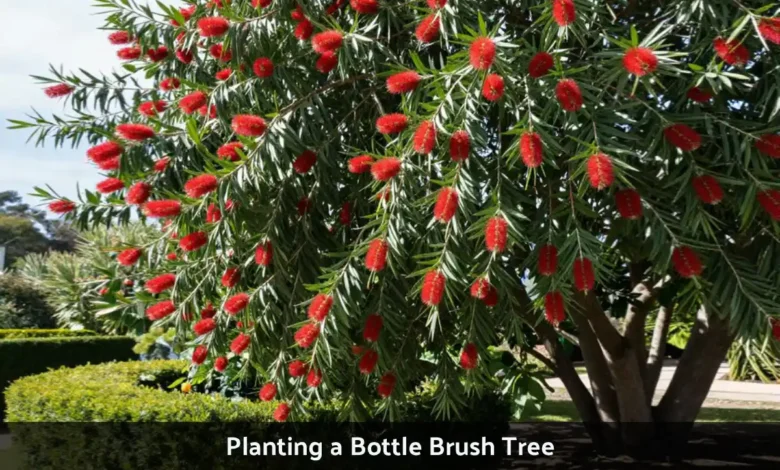
Planting a bottle brush tree requires well-drained soil, full sun (6-8 hours daily), and proper spacing. Dig a hole 2-3 times wider than the root ball, loosen roots gently, backfill with native soil, and water deeply. Spring or fall planting works best in zones 8-11.
Want a tree that attracts hummingbirds and butterflies while requiring almost no maintenance? The bottle brush tree delivers exactly that.
This Australian native brings bright red, cylindrical flowers to your garden from spring through fall. You get color, wildlife visitors, and a plant that forgives the occasional watering mistake.
This guide walks you through everything you need to plant and grow a thriving bottlebrush tree in your yard.
Best Time for Planting a Bottle Brush Tree
Fall planting gives your tree three full seasons to establish roots before facing summer heat. Plant between September and November for the best results.
Spring works as your second choice, particularly early spring. Plant in March or April to give roots time to grow before hot weather arrives.
Avoid summer planting entirely. High temperatures stress new plants and make it nearly impossible to keep the soil moist enough for root development.
Winter planting in zones 9-11 is possible but slower. The tree will survive, but won’t show much growth until spring warmth arrives.
Choosing Your Planting Location
Your bottle brush needs 6-8 hours of direct sunlight daily. Morning sun with afternoon sun produces the best flowering.
Partial shade works in hot desert climates. In these areas, morning sun with afternoon shade protects leaves from scorching while still promoting blooms.
Check your drainage before digging. Fill a 12-inch deep hole with water and watch it drain. Good drainage means water drops about 1 inch per hour.
Space trees 10-15 feet apart for standard varieties. Dwarf types like ‘Little John’ need only 3-4 feet between plants.
Position trees away from structures by at least 10 feet. The wide canopy spreads as it matures and can reach 15 feet across.
Soil Requirements
Bottle brush adapts to most soil types but refuses to tolerate soggy conditions. Clay soil needs amending; sandy soil works fine as-is.
Test your soil pH before planting. Aim for 6.0 to 8.0 on the pH scale. Most garden soils fall naturally within this range.
Add organic compost to heavy clay soil. Mix equal parts native soil and compost in the planting hole. This improves drainage and prevents root rot.
Skip amendments in sandy or loamy soil. These soil types already drain well and need no extra materials.
Adjusting Soil pH
Low pH soil (below 6.0) gets pelletized limestone. Spread according to package directions and work into the top 6 inches of soil.
High pH soil (above 8.0) needs sulfur or aluminum sulfate. Apply before planting and mix thoroughly with existing soil.
Step-by-Step Planting Process
Start by removing your tree from its container carefully. Tap the sides and bottom gently, then slide the root ball out.
Loosen circling roots with your fingers. These roots need redirecting outward to establish properly in your soil.
Dig your hole 2-3 times wider than the root ball, but no deeper. Width matters more than depth for healthy root spread.
Set the root ball so its top sits level with or slightly above ground level. Never bury the trunk base or crown.
Backfill with native soil (or your soil-compost mix for clay). Tamp gently as you go to remove air pockets without compacting too much.
Create a water basin around the planting area. Build a 2-3 inch soil berm in a circle 2 feet from the trunk.
Water deeply immediately after planting. Soak the entire root zone until water penetrates 12 inches down.
Container Planting
Choose a container twice the width of your root ball. Make sure it has drainage holes in the bottom.
Use quality potting mix, not garden soil. Mix 2 parts potting soil with 1 part perlite for proper drainage.
Line the bottom with landscape fabric. This prevents soil from washing through the drain holes while allowing water to escape.
Plant at the same depth as outlined above. Leave 1 inch between the soil surface and the container rim for watering space.
Initial Care After Planting
Your first watering sets the foundation for root development. Apply Root Stimulator in that initial watering to reduce transplant shock.
Spread 2-3 inches of mulch around the base. Keep mulch 3-4 inches away from the trunk to prevent rot.
Water twice weekly for the first month. Check soil moisture between waterings by pushing your finger 2 inches into the soil.
Reduce to weekly watering for months 2-6. The goal is to keep soil moist but not waterlogged.
Watch for wilting leaves in the first few weeks. This signals your tree needs more frequent watering to establish.
Skip fertilizer for the first 6 months. New trees need to focus on root growth, not leaf production.
Watering Schedule
Young trees (first year) need consistent moisture. Water twice weekly in spring and fall, three times weekly in summer.
Check the soil before watering. Stick your finger 2 inches down. Dry soil means water now; moist soil means wait another day.
Established trees (after year one) become drought-tolerant. They survive on rainfall alone in most climates.
Water established trees only during drought. When leaves start wilting or looking dull, give the tree a deep soak.
Deep watering beats frequent shallow watering every time. One thorough soak per week outperforms daily light sprinkles.
Early morning watering prevents fungal diseases. Avoid evening or nighttime watering that leaves foliage wet overnight.
Signs of Overwatering
Yellow leaves on a bottle brush usually mean too much water. Root rot follows quickly in constantly soggy soil.
Check the drainage if you see yellowing. Poor drainage kills more bottle brush trees than any other problem.
Let the soil dry between waterings. These trees evolved in dry Australian climates and prefer periods without water.
Fertilizing Your Bottle Brush
Wait 6 months after planting before fertilizing. New trees don’t need extra nutrients while establishing roots.
Apply slow-release fertilizer in early spring. Choose products containing sulfur or iron for the best results.
Feed again in late spring or early summer. This timing supports the main flowering period.
Skip high-nitrogen fertilizers. Too much nitrogen produces leaves instead of flowers.
Add phosphorus for better blooms. Bone meal mixed into the soil before flowering promotes more flower spikes.
Stop fertilizing 8 weeks before your first frost date. Late feeding encourages new growth that frost will damage.
Container-grown trees need monthly feeding during summer. Use liquid fertilizer at half the package-recommended strength.
Common Planting Mistakes to Avoid
Planting too deeply kills bottle brush trees. The trunk base and root crown must stay above the soil level.
Small holes restrict root growth. Always dig 2-3 times wider than the root ball for proper establishment.
Planting in poor drainage guarantees failure. Test drainage before you dig and amend the soil or choose another location.
Too much mulch against the trunk invites rot. Keep a 3-4 inch gap between mulch and trunk base.
Fertilizing too early wastes money and may harm roots. Let the tree establish itself for 6 months first.
Underwatering in the first year prevents proper establishment. Young trees need consistent moisture to develop strong roots.
Understanding Growth Expectations
Bottle brush grows at a moderate pace. Expect 10-12 inches of new growth per year once established.
Most varieties reach 10-15 feet tall at maturity. Dwarf types stay under 4 feet, while weeping varieties can reach 25 feet.
First-year growth appears minimal. The tree focuses energy on roots rather than visible top growth.
Flowering starts in year two for most plants. Some varieties take three years before producing their first blooms.
Full canopy development takes 5-7 years. Patience pays off with a stunning, mature specimen.
Training Your Tree Form
Start tree-form pruning when plants reach 4-5 feet tall. Earlier pruning disrupts natural growth patterns.
Remove lower branches gradually over several seasons. Cut branches flush with the trunk, leaving no stubs.
Select 1-3 main trunks for your tree form. Remove all other shoots from the base.
Keep pruning cuts clean and just above a node. Ragged cuts invite disease and heal slowly.
Remove suckers from the base throughout the year. These shoots steal energy from the main canopy.
Step back frequently while pruning. Checking your progress prevents removing too much at once.
Protecting Young Trees
Frost protection matters in zones 8-9. Cover young trees with frost cloth when temperatures drop below 25°F.
Wind protection helps newly planted trees establish. Stake trees in windy locations for the first year only.
Remove stakes after 12 months. Leaving stakes longer weakens trunk development.
Watch for pest damage on young trees. Spider mites and scale insects target stressed plants.
Protect from herbicide drift. Chemical sprays from lawn treatments can damage sensitive bottle brush foliage.
Regional Planting Considerations
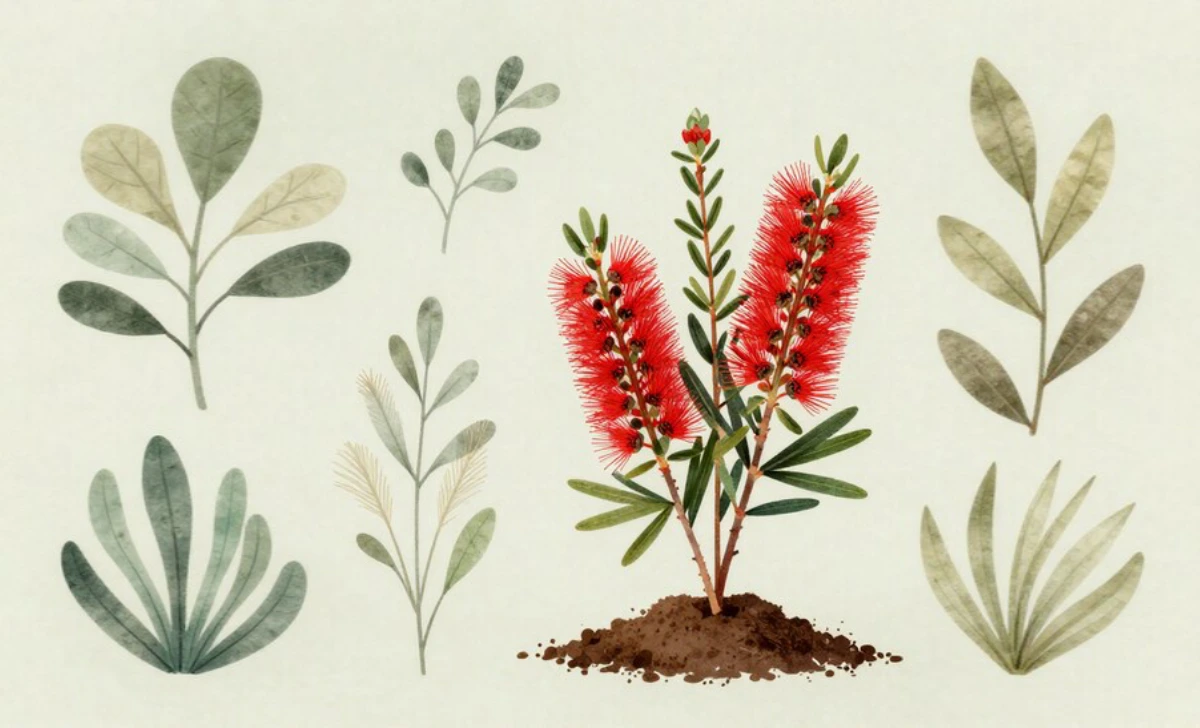
Zone 8 gardeners need cold-hardy varieties. Choose Crimson Bottlebrush (Callistemon citrinus) for the best winter survival.
Zone 9-11 gardeners can grow any variety. These areas match the tree’s native Australian climate perfectly.
Desert gardeners should plant in the fall. This timing lets roots establish before intense summer heat.
Coastal gardeners benefit from salt tolerance. Bottle brush handles salt spray better than most flowering trees.
Container growing works for zones 7 and below. Move pots indoors when temperatures hit 50°F.
Variety Selection
Crimson Bottlebrush (C. citrinus) reaches 10-15 feet tall. Leaves smell like lemon when crushed.
Weeping Bottlebrush (C. viminalis) grows 20-25 feet with drooping branches. It creates dramatic focal points in larger yards.
Little John Bottlebrush stays compact at 3-4 feet. This dwarf variety works perfectly in small spaces and containers.
White Anzac offers unusual white flowers. It grows 10-12 feet and needs the same care as red varieties.
Mauve Mist produces purple-pink blooms. It reaches 15 feet and attracts even more pollinators than red types.
Wildlife Benefits
Hummingbirds visit bottle brush flowers daily during bloom periods. The tubular flower shape fits their beaks perfectly.
Butterflies feed on nectar throughout the flowering season. Expect regular visits from swallowtails and monarchs.
Bees collect pollen from the prominent stamens. Your bottle brush supports both honeybees and native bee species.
The dense foliage provides nesting sites for small birds. Expect finches and warblers to make homes in mature trees.
Deer rarely browse bottle brush. The aromatic foliage deters most deer from sampling leaves or flowers.
Final Thoughts
Planting a bottlebrush tree rewards you with years of stunning blooms and wildlife activity. Success comes from choosing the right location, planting at the proper depth, and providing consistent care during the first growing season.
The key steps matter most: dig a wide hole, position the root ball correctly, water deeply and regularly for the first year, and skip fertilizer until roots establish. Get these basics right, and your bottle brush will thrive with minimal intervention.
Start with quality nursery stock in spring or fall. Your new tree will thank you with brilliant red flowers, visiting hummingbirds, and a maintenance-free presence in your landscape for decades to come.
Frequently Asked Questions
Can bottle brush trees grow in containers permanently?
Dwarf varieties like Little John stay under 4 feet and work well in large containers indefinitely. Standard varieties eventually need ground planting as roots outgrow even large pots. Use containers 24+ inches wide with excellent drainage holes. Expect to repot dwarf varieties every 2-3 years as they grow.
How long does it take a bottle brush to bloom after planting?
Most bottle brush trees start flowering 1-2 years after planting. The first year focuses on root development rather than blooms. Container-grown nursery stock often flowers the first season if planted in spring. Seed-grown trees take 3-4 years before producing their first flowers.
What causes bottle brush leaves to turn yellow?
Yellow leaves usually indicate overwatering or poor drainage. These trees evolved in dry conditions and suffer when roots sit in soggy soil. Check drainage and reduce watering frequency. Iron deficiency in alkaline soils also causes yellowing. Apply chelated iron if the soil pH exceeds 8.0.
Do bottle brush trees lose leaves in winter?
Bottle brush trees stay evergreen in zones 9-11 and keep leaves year-round. In zone 8, some leaf drop may occur during particularly cold winters. The tree grows new leaves quickly in spring. Container plants brought indoors often drop some leaves due to lower light levels, but recover when moved back outside.
Can you plant bottle brush near pools or patios?
Bottle brush makes an excellent pool or patio tree with proper spacing. Plant at least 10 feet from hardscape to prevent root damage and allow for mature canopy spread. The tree produces minimal litter compared to other flowering species. Spent flowers drop but decompose quickly and rarely clog pool filters.