Patio Home Living: Your Complete Guide to Low-Maintenance Home Ownership
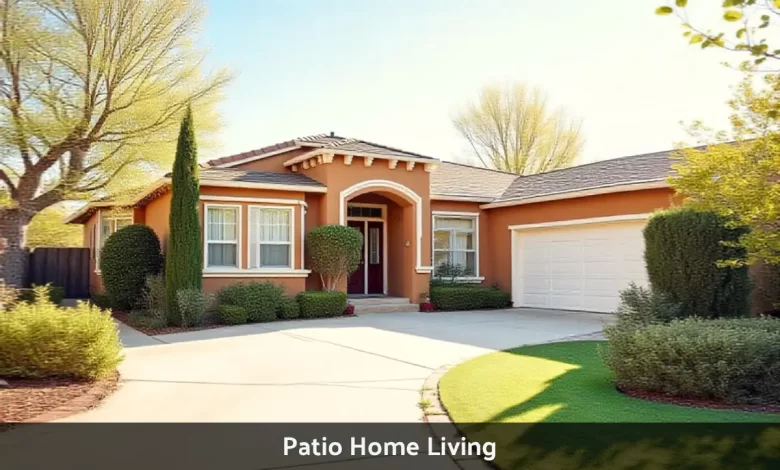
A patio home is a single-level or one-and-a-half-story house that shares at least one wall with a neighboring home. These properties sit on smaller lots and offer low-maintenance living with reduced yard work. Patio homes emerged in the 1970s and appeal to empty nesters, retirees, busy professionals, and first-time buyers who want affordable homeownership without extensive upkeep. Most patio home communities include HOA services like landscaping, snow removal, and exterior maintenance.
What Makes Patio Homes Different
Patio homes share architectural features with townhouses and condos, but they have distinct characteristics. You own the structure and the land beneath it. This gives you more control than condo ownership, where you only own the interior space.
These homes typically feature one story, though some designs include an additional half-story that can serve as a loft or extra bedroom. The single-level layout makes daily life easier, especially if you want to avoid stairs.
Most patio homes share one or two walls with neighbors. The attached design creates what builders call “zero-lot lines,” meaning the home takes up the entire plot with no traditional side or back yard buffer.
By 2023, 63.7% of new single-family homes included patios, marking eight consecutive years of record growth. This shows growing demand for this housing style.
Patio Home Living vs. Other Housing Types
You need to understand how patio homes compare to other property types. Each offers different benefits and tradeoffs.
Townhouses typically have two or more floors with shared walls on one or both sides. Your townhouse neighbors live horizontally next to you, not above or below.
Condos involve shared building ownership. You own your unit’s interior, but the condo association owns everything outside your walls, including the building exterior, landscaping, and common areas.
Single-family homes are detached structures on individual lots. You get more space and privacy, but you also handle all maintenance tasks yourself.
Patio homes sit between these options. You get single-level living with reduced maintenance, but you still own your land and exterior structure.
Why People Choose Patio Home Living
The appeal centers on convenience and simplicity. You spend less time on chores and more time doing what you enjoy.
Smaller square footage means less cleaning. Most patio homes range from 1,200 to 2,300 square feet. You get enough space without excessive rooms to maintain.
HOA services handle outdoor work. Your monthly fees typically cover lawn care, landscaping, snow removal, and sometimes exterior repairs. You can skip buying a lawnmower or snow blower.
Lower utility costs add up. Shared walls provide natural insulation. Your heating and cooling bills often run lower than in detached homes.
Prices stay accessible. Patio homes can range in price from $200,000 to more than $1 million, depending on location, age, condition, and materials. The lower end offers entry points for first-time buyers.
Community amenities boost value. Many patio home neighborhoods feature pools, fitness centers, walking trails, clubhouses, and social activities. You get resort-style perks without vacation pricing.
Who Should Consider This Lifestyle
Several buyer groups find patio homes particularly appealing.
Empty nesters and retirees often want to downsize after their children move out. The single-level floor plan eliminates stairs, and reduced maintenance frees up time for travel and hobbies.
Busy professionals appreciate the “lock and leave” convenience. You can travel for work without worrying about lawn care or exterior upkeep.
First-time homebuyers can enter the housing market at lower price points. You build equity while keeping monthly costs manageable.
People with mobility concerns benefit from accessible layouts. Everything stays on one floor, making daily activities safer and easier.
Social seekers enjoy built-in community connections. The proximity to neighbors and shared amenities makes it easy to build friendships.
Understanding the Tradeoffs
Patio home living works well for many people, but it’s not perfect for everyone.
Privacy takes a hit. Shared walls mean you might hear your neighbors. Soundproofing varies by builder and construction quality.
Outdoor space is limited. Your yard might be just a small patio or courtyard. If you dream of a large garden or hosting 50-person barbecues, you’ll feel constrained.
HOA rules can feel restrictive. Associations often regulate exterior paint colors, landscaping choices, holiday decorations, and parking. You need approval before making changes.
Monthly fees never stop. HOA costs typically run $200 to $300 per month, though this varies by location and included services. These fees continue even if you’re not using the amenities.
Insurance gets complicated. Since your home attaches to a neighbor’s property, incidents on their side can affect you. Talk with your insurance agent about proper coverage levels.
Pricing and Market Trends
The cost to own a patio home depends on several factors.
Size matters most. Larger homes cost more to buy and maintain. Most patio homes fall into the 1,700 to 2,300 square foot range.
Location drives price differences. Patio homes near golf courses or in active adult communities command premium prices. Properties in growing suburban areas offer better value.
Market conditions affect availability. For the first time in 15 years, the share of new homes with patios declined in 2024, dropping to 61.8% from 63.7% in 2023. This slight dip might create more resale opportunities.
Age and condition influence value. Newer construction with modern finishes sells faster than older properties needing updates.
What HOA Fees Actually Cover
Understanding your monthly costs helps with budgeting. Most patio home HOAs handle these services:
- Lawn mowing and landscaping
- Snow removal from driveways and walkways
- Trash and recycling pickup
- Exterior building maintenance
- Common area upkeep
- Amenity maintenance (pools, fitness centers, clubhouses)
- Some exterior insurance coverage
Individual needs vary by community. Always review the HOA documents before buying to understand exactly what your fees include.
Design Features Worth Considering
Modern patio homes offer customization options that weren’t available in earlier builds.
Open floor plans connect living rooms, kitchens, and dining areas. This layout makes entertaining easier and improves sight lines throughout the home.
Primary bedroom suites on the main floor eliminate the need to climb stairs daily. This feature adds value for aging-in-place buyers.
Attached garages provide covered access to your home. You can unload groceries without getting wet or cold.
Outdoor living areas extend your usable space. Even small patios become valuable when properly furnished and designed.
Basement options add storage and living space. Some patio homes include full basements that can be finished for extra bedrooms, home offices, or recreation areas.
Finding the Right Patio Home Community

Start your search with clear priorities. List your must-haves and nice-to-haves before touring properties.
Work with a real estate agent who knows patio home communities in your area. They can access listings before they hit major websites.
Visit communities at different times of day. Morning, afternoon, and evening visits reveal different aspects of neighborhood life.
Talk to current residents. Ask about their experience with the HOA, maintenance quality, and community culture.
Review HOA financial documents carefully. Check for adequate reserves and reasonable fee increases over recent years.
Read all covenants and restrictions. Make sure you can live with the rules before committing to purchase.
Maintenance Responsibilities You Still Own
HOA services don’t eliminate all maintenance tasks. You remain responsible for:
- Interior repairs and updates
- Appliance maintenance and replacement
- HVAC system servicing
- Plumbing and electrical issues inside your unit
- Interior painting and flooring
- Window and door maintenance
Budget for these ongoing costs, even with HOA coverage of exterior work.
Making Your Decision
Patio home living suits people who value convenience over space. You trade yard work for HOA fees and large lots for community amenities.
This lifestyle works best when you want single-level living, appreciate built-in social opportunities, and prefer spending time on activities rather than home maintenance.
Consider your long-term plans. If you expect to stay in one place for many years, the reduced maintenance becomes more valuable over time.
Think about your social needs. Close-knit communities offer benefits for people who enjoy regular interaction with neighbors.
Evaluate your budget carefully. Factor in HOA fees, potential fee increases, and costs you’ll still handle independently.
Final Thoughts
Patio home living offers a practical middle ground between condo life and single-family homeownership. You get reduced maintenance, community amenities, and accessible floor plans without sacrificing land ownership.
The key to satisfaction lies in choosing the right community and understanding what you’re buying. Review HOA documents thoroughly, visit properties multiple times, and talk with current residents before making your decision.
For buyers seeking low-maintenance living with built-in community support, patio homes deliver real value. The growing market shows sustained demand for this housing style, making it worth serious consideration for your next move.
FAQs
Do all patio homes actually have patios?
No. Despite the name, not every patio home includes a patio. The term describes the architectural style and shared-wall design rather than guaranteeing outdoor space. Always verify outdoor features during property tours.
Can I rent out my patio home?
This depends on your HOA rules. Many communities restrict or prohibit rentals. Review the covenants before purchasing if you plan to rent the property.
How long do patio homes typically last?
Well-built patio homes can last 50 to 100 years with proper maintenance. Quality depends on construction methods, materials used, and ongoing care.
Are patio homes good investments?
They can be, especially in growing markets with strong demand from retirees and downsizers. Resale value depends on location, condition, and community amenities.
What happens if my neighbor damages the shared wall?
Your HOA insurance typically covers shared structure damage. Individual homeowners’ insurance covers your interior and personal property. Review both policies to understand your coverage.