Complete Guide to Parts of a Roof: What Every Homeowner Should Know
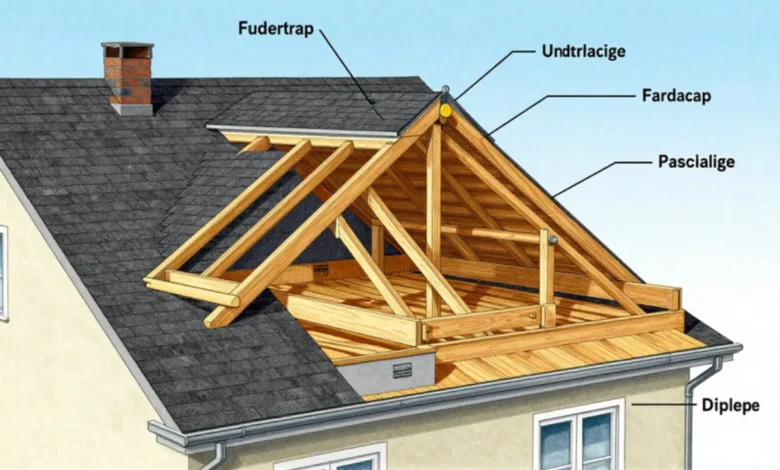
A roof consists of structural components (trusses, rafters, decking), drainage elements (underlayment, flashing, gutters), ventilation systems (intake and exhaust vents), and exterior features (shingles, ridge caps, fascia, soffit). Each part works together to protect your home from weather damage and extend the roof’s lifespan. Understanding these components helps you make informed decisions during repairs or replacement.
Your roof protects everything inside your home. Yet most homeowners can’t name more than one or two of its parts. This knowledge gap costs money. According to industry data, 33% of homeowners replace their roofs due to leaking, often because they didn’t catch warning signs early. When you understand how your roof works, you spot problems before they become expensive disasters.
This guide breaks down every major roof component. You’ll learn what each part does, why it matters, and how to identify issues before calling a contractor.
Why Understanding Your Roof Structure Matters
More than 22% of residential roofing replacements stem from storm damage in 2024. Many of these replacements could have been postponed with proper maintenance and early problem detection.
When you know your roof’s anatomy, you can:
- Communicate clearly with roofing contractors
- Spot maintenance needs before they escalate
- Make informed decisions about repairs versus replacement
- Understand estimate breakdowns and material choices
- Protect your home investment
The average roof replacement costs $9,526, with prices ranging from $5,868 to $13,217. Understanding what you’re paying for helps you evaluate bids and avoid unnecessary expenses.
Structural Parts of a Roof
These hidden components form the foundation of your roof system. They bear weight, provide stability, and determine your roof’s shape and slope.
Trusses and Rafters
Trusses are prefabricated frameworks that support your roof. They use a web-like design to distribute weight evenly across your home’s walls. Most modern homes use trusses because they’re strong, lightweight, and cost-effective.
Rafters serve the same purpose but are built onsite. They run from your roof’s peak to the edges. Older homes typically have rafters instead of trusses. Both create the slope that allows water to run off your roof.
The key difference is installation. Trusses arrive ready to install, speeding up construction. Rafters require more skilled labor and time to build properly.
Roof Deck (Sheathing)
Your roof deck is the flat surface attached to rafters or trusses. It’s usually made of plywood or oriented strand board (OSB). This layer creates the base where all other roofing materials attach.
Think of your deck as your roof’s skin. It needs to be solid, dry, and properly fastened. Water damage here compromises everything above it. During roof replacement, contractors check the deck condition carefully. Rotten or damaged sections must be replaced before new shingles go on.
Collar Beams
These horizontal beams connect opposite rafters near the roof’s peak. Not every roof has them, but they add stability in high-wind areas. Collar beams prevent rafters from spreading apart under heavy loads like snow.
Drainage Components That Protect Your Home
Water is your roof’s biggest enemy. These parts work together to move water away from your home quickly and efficiently.
Underlayment
Underlayment is a water-resistant barrier covering your entire roof deck. It’s your second line of defense if water gets past shingles. Modern synthetic underlayment has largely replaced old felt paper because it performs better and lasts longer.
This layer stops water from reaching your deck and getting inside your home. It also provides temporary weather protection during installation. Quality underlayment adds years to your roof’s life.
Ice and Water Shield
This self-adhering membrane goes down before the underlayment in vulnerable spots. It’s typically installed along eaves, valleys, and around roof penetrations like chimneys and vents.
In cold climates, ice dams form when melting snow refreezes at the roof edges. This ice forces water backward under shingles. The ice and water shield prevents this backward water from entering your home.
Flashing
Flashing is thin metal that seals joints and prevents water intrusion. You’ll find it around chimneys, vent pipes, skylights, and where roof planes meet walls. It channels water down and away from vulnerable seams.
Types of flashing include:
- Step flashing: Installed where walls meet sloped roofs
- Valley flashing: Protects V-shaped intersections where roof planes meet
- Chimney flashing: Seals the gap around chimney bases
- Drip edge: Metal strip along roof edges that guides water into gutters
Proper flashing installation requires skill. Most roof leaks occur at flashing points because water finds even tiny gaps.
Gutters and Downspouts
Gutters collect water running off your roof. Downspouts carry that water away from your foundation. Without them, water pools around your home’s base, causing foundation damage, basement flooding, and soil erosion.
Most gutters are aluminum, though copper and steel are also common. They need regular cleaning to work properly. Clogged gutters overflow, defeating their purpose and potentially damaging your fascia and soffit.
Ventilation Systems Keep Your Roof Healthy
Proper ventilation extends roof life by preventing heat and moisture buildup in your attic. Nearly 31% of homeowners pursued roof repair projects in the past three years, with poor ventilation contributing to many of these issues.
Intake Vents
Intake vents allow fresh outside air into your attic. They’re usually installed along soffits (the underside of roof overhangs). Cool air enters through these vents and rises as it warms.
Exhaust Vents
Exhaust vents let hot, humid air escape from your attic. They’re installed near or at the roof peak. Common types include:
- Ridge vents: Run along the roof’s peak, offering continuous ventilation
- Box vents: Square metal vents installed on the roof surfaces
- Turbine vents: Wind-powered vents that spin to pull air out
- Power vents: Electric fans that actively exhaust air
Balanced ventilation requires equal intake and exhaust capacity. Too much exhaust without enough intake (or vice versa) reduces effectiveness.
Exterior Roof Components You Can See
These visible parts define your roof’s appearance and provide the first defense against the weather.
Roof Covering (Shingles)
Shingles are the outermost layer protecting your home. Asphalt shingles are used in roughly 80% of residential roofing projects, making them America’s most popular choice.
Shingle types include:
- Three-tab shingles: Flat, uniform appearance with basic protection
- Architectural shingles: Thicker, dimensional look with better durability
- Designer shingles: Premium styles mimicking slate or wood
- Metal roofing: Long-lasting panels or shingles with 50+ year lifespans
The average roof lifespan is between 25 and 50 years, depending heavily on material choice and maintenance.
Ridge Cap
The ridge cap covers the horizontal line where two roof slopes meet. Special ridge cap shingles bend to fit this peak perfectly. They seal this vulnerable spot against wind-driven rain and snow.
Without proper ridge caps, wind can lift shingle edges, and water can infiltrate. Quality installation here prevents major problems.
Roof Valleys
Valleys form where two roof slopes meet at a downward angle, creating a V-shape. They channel heavy water flow, making them prone to leaks if not properly protected. Valley flashing and careful shingle installation are critical here.
Open valleys use metal flashing with shingles cut to expose the valley. Closed valleys weave or cut shingles over the valley for a seamless look. Both work well when installed correctly.
Hip
A hip is the opposite of a valley. It’s the outward angle where two roof slopes meet. Hip and ridge shingles cover these angles, providing weather protection and a finished appearance.
Eaves and Overhangs
Eaves are the lower edges of your roof that extend past exterior walls. This overhang protects siding and windows from rain and provides shade. The typical overhang extends 12 to 18 inches beyond walls.
Longer overhangs offer more protection but cost more and may require additional support. Shorter overhangs save money but provide less weather protection.
Fascia
The fascia is the vertical board attached to the rafter or truss ends along your roof edge. It supports the bottom edge of your roof and gutter system. Fascia also prevents moisture from entering your roof structure.
Wood, composite, and aluminum fascia are common materials. This component suffers from weather exposure constantly, so quality materials matter. Damaged fascia often indicates roof edge problems or gutter issues.
Soffit
Soffit is the horizontal surface beneath your roof overhang. It closes the gap between your fascia and exterior wall. Most soffits include ventilation holes that serve as intake vents for attic airflow.
Materials include vinyl, aluminum, wood, and fiber cement. Soffit protects your rafter ends from weather while providing necessary ventilation.
Drip Edge
Drip edge is metal flashing installed along the roof edges. It directs water away from fascia and into gutters, preventing wood rot and water damage. Many building codes now require a drip edge on all roofs.
This simple component prevents expensive repairs. Without it, water wicks back under shingles and damages the roof decking and fascia.
Common Roof Configurations
Understanding your roof type helps you identify which components you have and what maintenance they need.
Gable Roofs
Gable roofs have two sloping sides that meet at a ridge. They’re the most common roof style in America. Their simple design sheds water effectively and provides good attic ventilation.
Hip Roofs
Hip roofs slope on all four sides. They’re more wind-resistant than gable roofs but cost more due to complex construction. All four sides have eaves and require gutters.
Flat Roofs
Flat roofs have minimal slope, just enough for water drainage. They’re common on commercial buildings and modern homes. They use different materials than sloped roofs, like EPDM rubber or TPO membranes.
Dormer Windows
Dormers project vertically from sloped roofs. They add light, space, and character to upper floors. They also create multiple roof intersections that need careful flashing and waterproofing.
Warning Signs Your Roof Parts Need Attention
Knowing what to look for helps you catch problems early.
Exterior Warning Signs
- Missing, cracked, or curling shingles
- Granules collecting in gutters (indicates aging shingles)
- Sagging roof sections
- Damaged or missing flashing
- Moss or algae growth
- Visible daylight through the roof boards
Interior Warning Signs
- Water stains on ceilings or walls
- Peeling paint near the roof lines
- Moisture or mold in the attic
- Increased energy bills (suggests poor insulation or ventilation)
- Light visible through attic roof boards
Roof repair and replacement costs totaled nearly $31 billion in 2024. Early detection prevents minor issues from becoming major expenses.
Maintenance Tips for Every Roof Component
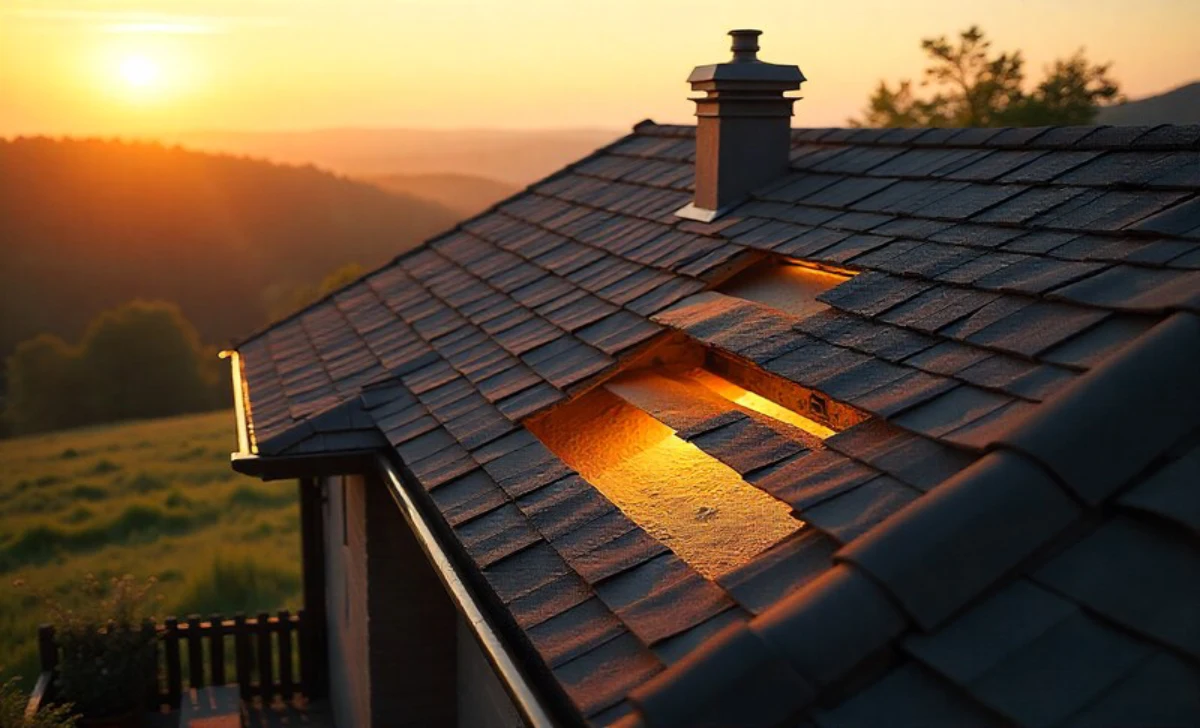
Regular maintenance extends roof life and saves money.
Annual Inspections
Inspect your roof twice yearly, in spring and fall. Look for damage, debris, and signs of wear. Pay special attention after severe weather.
Gutter Cleaning
Clean gutters at least twice per year, more often if you have many trees nearby. Clogged gutters cause water backup that damages fascia, soffit, and roof edges.
Trim Overhanging Branches
Keep tree branches at least six feet from your roof. Branches scrape shingles during wind, and falling limbs cause serious damage. Overhanging trees also drop leaves that clog gutters.
Check Attic Ventilation
Proper attic ventilation prevents heat and moisture buildup. In summer, excessive attic heat damages shingles from below. In winter, moisture causes mold and rot. Check that vents aren’t blocked by insulation or debris.
Address Small Issues Quickly
Minor repairs prevent major damage. Replace missing shingles immediately. Reseal small flashing gaps. Clear moss before it takes hold. Small fixes cost hundreds; delayed problems cost thousands.
When to Repair vs. Replace
One in four new homeowners replaces the roof within four years, often after discovering hidden damage. Understanding when replacement makes sense protects your investment.
Repair Makes Sense When
- Your roof is under 15 years old
- Damage is localized to one area
- The roof deck is sound
- Only surface materials need attention
Replacement Is Better When
- Your roof exceeds its expected lifespan
- More than 30% of shingles need replacement
- The roof deck has water damage or rot
- You’re experiencing frequent leaks
- Energy bills have increased significantly
Choosing Quality Materials and Contractors
73% of homeowners find roofing contractors through word of mouth or recommendations. Personal referrals matter, but verify credentials and compare multiple bids.
What to Ask Contractors
- Are you licensed and insured?
- What warranties do you offer on materials and labor?
- Can you provide recent customer references?
- What’s your timeline for completion?
- How do you handle unexpected issues like deck damage?
Material Selection Factors
Consider these factors when choosing roofing materials:
- Climate and weather patterns in your area
- Expected lifespan and warranty coverage
- Maintenance requirements
- Aesthetic preferences and home style
- Budget for initial installation and long-term upkeep
- Energy efficiency ratings
FAQs
How long should my roof last?
Roof lifespan depends on materials and maintenance. Asphalt shingles last 15 to 30 years, metal roofs 40 to 70 years, and slate up to 100 years. Proper installation and regular maintenance extend any roof’s life.
What causes most roof failures?
Poor installation, inadequate ventilation, and deferred maintenance cause most failures. Water infiltration from damaged flashing or missing shingles accelerates deterioration. Regular inspections catch these issues early.
Can I add a new roof over my old one?
Some building codes allow one layer of new shingles over old ones, but it’s rarely recommended. Overlaying hides existing problems and adds weight. Complete removal lets contractors inspect and repair the deck properly.
How often should I replace my roof?
Replace your roof when it reaches the end of its expected lifespan or shows significant damage. Regular inspections help you time replacement before leaks cause interior damage. Proactive replacement is cheaper than emergency repairs.
What’s the best time of year for roof work?
Late spring through early fall offers ideal conditions. Warm, dry weather allows proper shingle adhesion and comfortable working conditions. Schedule work early since contractors book up quickly during peak season.