Exclusive Nick Carraway House: $17M Dream Mansion in West Egg
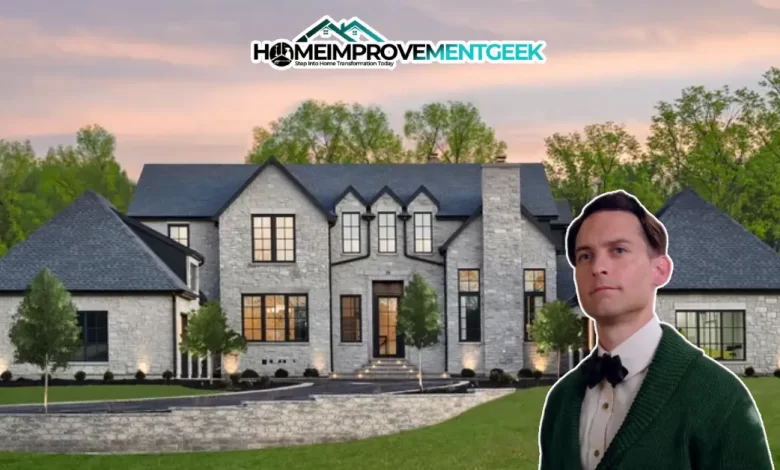
The Nick Carraway House stands as one of literature’s most fascinating symbols, tucked away in the fictional West Egg of Long Island. When readers first encounter this modest dwelling in F. Scott Fitzgerald’s masterpiece, they’re witnessing more than just a simple home – they’re seeing a powerful representation of middle-class values in the roaring twenties. Unlike the towering mansions that surround it, this weather-beaten bungalow tells a different story about the American Dream. The Nick Carraway House doesn’t scream for attention with gold-plated fixtures or marble columns. Instead, it whispers tales of authenticity and moral grounding in an era dominated by excess and superficiality. What makes this fictional property so compelling isn’t its grandeur, but rather its deliberate simplicity. Fitzgerald crafted this home as a perfect mirror for its owner’s character – honest, observant, and refreshingly unpretentious. Today, the Nick Carraway House continues to capture imaginations, making readers wonder what it would be like to live in such a place, surrounded by wealth yet maintaining one’s humble perspective.
Who is Nick Carraway?
Nick Carraway emerges as the narrator and moral compass of The Great Gatsby, bringing Midwestern sensibilities to the flashy world of 1920s Long Island. He’s not your typical Jazz Age character – while others chase after money and status, Nick maintains a grounded perspective that makes him the perfect storyteller for Gatsby’s tragic tale. Born and raised in the Midwest, he comes from a well-established family that instilled in him the values of hard work and honest living. After serving in World War I, Nick decides to try his luck in the bond business, which brings him to New York and eventually to his famous Nick Carraway House in West Egg. What sets Nick apart from his wealthy neighbors isn’t just his modest income, but his ability to observe without being consumed by the glittering lifestyle around him. He’s like that friend who can attend the wildest parties but still remember to be the designated driver – present but not lost in the chaos. His character represents the everyman caught between two worlds: the simple, honest life he knew back home and the seductive but hollow world of new money and endless parties.
Nick Carraway’s House & Location
The Nick Carraway House sits in West Egg, Long Island, like a modest bookmark between the pages of a very expensive novel. Fitzgerald chose this location carefully, placing Nick’s humble dwelling in the shadow of Gatsby’s magnificent mansion and other grand estates that line the waterfront. West Egg represents the “new money” side of Long Island society, where people who’ve recently struck it rich build their dream homes without the restraint of old-money traditions. But Nick’s house tells a different story – it’s not trying to prove anything or impress anyone. This fictional location draws inspiration from Great Neck, New York, where Fitzgerald himself lived for a time. The author experienced firsthand what it was like to be surrounded by wealth while maintaining more modest circumstances, and he drew on that experience to create Nick’s living situation. The Nick Carraway House benefits from its prime Long Island location – it’s close enough to Manhattan for Nick’s work in the bond business, yet far enough away to feel like a retreat from the city’s intensity. What makes the location even more interesting is how it positions Nick as both insider and outsider. He lives among the wealthy elite, attends their parties, and witnesses their dramas, but his modest Nick Carraway House keeps him grounded in reality.
Features of Nick Carraway’s House
The Nick Carraway House might not have the bells and whistles of a modern luxury home, but its features perfectly match its owner’s practical nature and modest lifestyle. Here’s what makes this literary dwelling special:
- Weather-beaten exterior that shows honest wear and tear, unlike the pristine facades of neighboring mansions
- Compact bungalow design that maximizes comfort without wasting space or resources
- Simple but functional layout with everything Nick needs for comfortable bachelor living
- Cozy living spaces that encourage reading and quiet reflection rather than flashy entertaining
- Basic but adequate furnishings that prioritize comfort and utility over impressive appearances
- Small but sufficient bedrooms are perfect for a single occupant who values rest over luxury
- Practical kitchen facilities are designed for simple meals rather than elaborate dinner parties
- Modest outdoor space that provides privacy without requiring an army of gardeners
These features work together to create a home that’s refreshingly honest in its simplicity. The Nick Carraway House doesn’t pretend to be something it’s not, which makes it a perfect reflection of its owner’s character.
House Design and Personal Touches
The design of the Nick Carraway House embraces a humble bungalow style that was popular among middle-class Americans in the early 20th century. This architectural choice wasn’t accidental – Fitzgerald wanted Nick’s home to represent solid, unpretentious American values in contrast to the flashy excess surrounding it. The house features clean, simple lines without unnecessary decorative elements that might seem pretentious or artificial. Its low-profile design keeps it from competing with the towering mansions nearby, instead offering a refreshing example of form following function. The bungalow style fits Nick’s personality perfectly because it prioritizes comfort and practicality over impressive appearances. The Nick Carraway House likely features classic bungalow elements: a welcoming front porch, dormer windows that add character without ostentation, and horizontal lines that create a sense of groundedness and stability.
Nick brings his Midwestern sensibilities and personal history to the Nick Carraway House, creating personal touches that include books and reading materials scattered throughout the living spaces, simple, quality furniture chosen for comfort rather than brand names, and mementos from his Midwest upbringing that keep him connected to his roots. Military memorabilia from his World War I service adds depth to his character, while practical items serve real purposes rather than existing purely for decoration. These touches make the Nick Carraway House feel lived-in and authentic rather than staged for visitors.
Interior Design & Outdoor Spaces
The interior of the Nick Carraway House prioritizes comfort and function over flashy design trends or expensive materials. Walking through Nick’s home would feel like visiting a trusted friend rather than touring a museum or showplace. The living spaces reflect his practical nature and Midwestern upbringing, with furniture chosen for its utility and comfort rather than its ability to impress guests. Simple wood furnishings, comfortable seating, and adequate lighting create an atmosphere that encourages relaxation and reflection. The highlight of the Nick Carraway House interior isn’t a grand staircase or elaborate chandelier, but rather the sense of peace and authenticity that permeates every room.
The outdoor spaces of the Nick Carraway House may be modest in size, but they’re rich in significance and practical value. Unlike the elaborate gardens and entertainment areas that surround neighboring mansions, Nick’s outdoor space prioritizes privacy and peaceful reflection over impressive landscaping or party venues. The small yard provides just enough room for Nick to step outside, breathe fresh air, and contemplate the dramatic events unfolding in his wealthy neighbors’ lives. From his outdoor spaces, Nick enjoys the same beautiful Long Island views that his millionaire neighbors treasure, proving that some of life’s greatest pleasures can’t be purchased exclusively by the wealthy.
Market Value and Other Properties
Understanding the market value of the Nick Carraway House requires looking at both its fictional context and real-world comparisons to similar properties in the Long Island area. While Nick’s modest bungalow exists only in Fitzgerald’s imagination, comparable homes in the Great Neck area that inspired West Egg provide insight into what such a property might be worth today.
| Property Type | Historical Value (1920s) | Current Market Value (2025) | Key Features |
|---|---|---|---|
| Nick Carraway House (Fictional) | $8,000 – $12,000 | $850,000 – $1.2 million | Modest bungalow, waterfront proximity |
| Gatsby-style Mansions | $200,000 – $500,000 | $17 million – $65 million | Grand estates, extensive grounds |
| Fitzgerald’s Former Home | $25,000 | Last sold $3 million (2016) | 6 Gateway Drive, Great Neck |
The Nick Carraway House would represent excellent value in today’s Long Island market, offering waterfront proximity and historical literary significance at a fraction of the cost of neighboring mansions. Current market analysis suggests the Nick Carraway House would attract buyers seeking authenticity and character over size and ostentation.
Nick Carraway’s real estate portfolio remains refreshingly simple compared to his wealthy neighbors, who collect properties like trophies. Throughout The Great Gatsby, Nick demonstrates his practical approach to housing by maintaining just one primary residence – the Nick Carraway House in West Egg, Long Island. His single-property approach reflects his values perfectly, focusing resources on one well-chosen home that meets his actual needs rather than his ego demands.
Conclusion
The Nick Carraway House stands as one of literature’s most powerful symbols, proving that a home’s true value extends far beyond its price tag or impressive features. This modest bungalow in West Egg accomplishes something that neighboring mansions worth millions cannot – it provides authentic comfort, moral grounding, and genuine peace of mind for its occupant. Through Fitzgerald’s masterful creation, the Nick Carraway House becomes more than just a fictional dwelling; it represents the enduring appeal of authenticity in a world obsessed with appearances and the quiet strength found in staying true to one’s values despite surrounding pressures. Today’s readers continue finding inspiration in Nick’s housing choice because it challenges common assumptions about success and happiness. The Nick Carraway House reminds us that the best homes aren’t necessarily the biggest, most expensive, or most impressive to visitors – they’re the ones that truly serve their occupants’ needs and reflect their genuine values. The Nick Carraway House proves that sometimes the most valuable real estate investment isn’t the property that impresses others, but the one that allows you to remain true to yourself.