Neatlanta: Your Complete Guide to Northeast Atlanta’s Neighborhoods and Real Estate in 2026
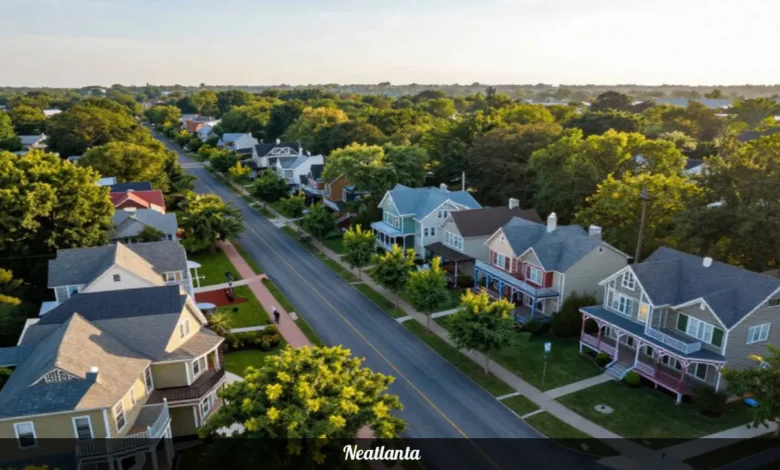
Neatlanta refers to Northeast Atlanta, a collection of distinct neighborhoods including Virginia Highland, Druid Hills, Morningside, and Lavista Park. With a median household income of $94,949 and homes averaging $380,300 to $551,694, the area attracts professionals working at Emory University and the CDC. The region combines historic bungalows, tree-lined streets, and walkable commercial districts. Real estate investors target Neatlanta for its stable appreciation and rental demand fueled by young professionals aged 25-34.
Over 33,000 people call Northeast Atlanta home. You might know this area by its local nickname: Neatlanta. This cluster of neighborhoods sits between Midtown and Decatur, anchored by Emory University and the Centers for Disease Control. The area pulses with young professionals, historic architecture, and a lifestyle that blends urban convenience with green space.
What makes Neatlanta different from other Atlanta submarkets? Location drives everything here. You can walk to coffee shops in Virginia Highland, bike the BeltLine, or commute to Buckhead in 15 minutes. Properties here hold value through economic shifts. While Atlanta’s median home price dropped 5.7% in late 2025, Neatlanta neighborhoods maintained premium pricing through scarcity and demand.
What Areas Make Up Neatlanta
Neatlanta isn’t an official designation. Locals use it to describe the northeast quadrant of intown Atlanta. Think of it as everything between I-85 and the DeKalb County line, from Ponce de Leon Avenue north to I-285.
Key neighborhoods include:
- Virginia Highland (often shortened to VaHi)
- Druid Hills
- Morningside
- Poncey-Highland
- Candler Park
- Lavista Park
- Woodland Hills
- Sagamore Hills
- Lindridge-Martin Manor
Each area has a distinct character. Virginia Highland draws couples and young families to its bungalows and Amsterdam Walk shopping. Druid Hills features rolling hills and estates designed by Frederick Law Olmsted. Morningside offers a tree canopy and proximity to Cheshire Bridge Road’s dining scene.
Neatlanta Demographics Tell the Story
Numbers reveal who lives here and why. Census data from 2025 shows Northeast Atlanta’s population at 33,774 residents with a median age of 33.3 years. This skews younger than metro Atlanta’s 38.5-year median.
The average individual income sits at $94,949. Compare that to Atlanta’s overall average of $78,000. You’re looking at educated professionals with disposable income. Population density reaches 3,767 people per square mile, making it one of Atlanta’s denser residential areas.
Household size averages 2.18 people across 15,337 households. Translation: lots of couples, small families, and young professionals share these neighborhoods. The male-to-female ratio runs 46.47% to 53.53%.
Education levels run high. Most residents hold bachelor’s degrees or higher, reflecting proximity to Emory University, Georgia Tech, and downtown corporate offices.
Real Estate Market Dynamics in Neatlanta
The 2026 housing market brings opportunities and challenges. Atlanta’s broader market shows median prices at $395,000 as of December 2025, down from $418,000 a year earlier. Neatlanta maintains premium pricing over these citywide averages.
Virginia Highland homes typically start at $550,000 for smaller bungalows. Renovated properties in the $700,000 to $1.2 million range attract buyers seeking turnkey options. Druid Hills estates can exceed $2 million, especially those on larger lots with original Olmsted landscaping.
Homes spend an average of 55-85 days on the market, depending on condition and pricing. Properties priced aggressively see multiple offers within days. Overpriced listings languish for months.
Current mortgage rates hover around 6.24% for 30-year fixed loans as of late January 2026. This represents a drop from 2024’s peaks above 7%. Real estate agents predict rates could dip to the high 5% range by mid-2026, potentially spurring more buyer activity.
Inventory levels increased 17% year-over-year across metro Atlanta. Neatlanta saw smaller inventory gains due to limited new construction and low turnover among current homeowners. When desirable properties hit the market, they move quickly.
Nearly 40% of Atlanta sellers reduced asking prices in late 2025. Neatlanta sellers show less willingness to cut prices, banking on location premium and buyer competition for limited inventory.
Investment Opportunities in Northeast Atlanta
Investors eye Neatlanta for rental income and appreciation. Rental demand stays strong year-round thanks to Emory University, the CDC, and corporate relocations to metro Atlanta.
Single-family homes generate $2,500 to $4,500 monthly rent, depending on size and condition. Three-bedroom bungalows in Virginia Highland rent for $3,200 to $3,800. Larger homes in Druid Hills command $4,500 to $6,000.
Rental yields typically run 4-6% after expenses. Not the highest in Atlanta, but stability compensates for modest yields. Tenant quality tends to be high with professional renters who pay on time and maintain properties.
Appreciation potential looks moderate but steady. Neatlanta neighborhoods appreciated 8-12% annually from 2020 to 2023 during the pandemic boom. Expect 3-5% annual appreciation through 2026-2028 as markets normalize.
Renovation opportunities exist. Unrenovated mid-century ranches in Sagamore Hills start around $400,000. Add $150,000 in updates, and you create $650,000 to $750,000 in value. The math works if you manage costs carefully.
Short-term rentals face restrictions. Atlanta’s regulations limit Airbnb operations in residential neighborhoods. Check zoning before buying for short-term rental purposes.
What It Costs to Live in Neatlanta
Property taxes average 1.2% of assessed value in Fulton County. A $600,000 home runs roughly $7,200 annually in property taxes. DeKalb County rates run slightly lower at around 1.0%.
Homeowners insurance costs $1,500 to $2,500 yearly for typical single-family homes. Higher coverage limits and older homes increase premiums.
Utilities average $200-350 monthly for electricity, gas, water, and sewer combined. Older homes with poor insulation push bills higher. Newer HVAC systems reduce energy costs.
HOA fees don’t exist in most Neatlanta neighborhoods. Some condo communities charge $200-400 monthly. This keeps ownership costs lower than newer suburban developments with extensive HOA amenities.
Walkability scores range from 55 to 75, depending on the specific location. Virginia Highland rates “very walkable” while outer areas require cars for daily errands. Transit scores sit around 32, reflecting MARTA’s limited reach into these neighborhoods.
Schools Serving Neatlanta Families
Public schools vary by neighborhood and county. Fulton County schools serve the western portions. DeKalb County covers eastern areas.
Garden Hills Elementary, Morningside Elementary, and Briarwood Elementary serve Neatlanta’s Fulton County sections. Sagamore Hills Elementary serves the northern areas. Ratings on GreatSchools range from 6/10 to 8/10.
Grady High School serves most intown neighborhoods. It draws students from across the area and maintains strong academics and athletics.
DeKalb County schools include Briar Vista Elementary and Druid Hills High School. These receive mixed ratings, prompting some families to seek private options.
Private schools abound nearby. The Paideia School, The Westminster Schools, and Marist School all sit within 15 minutes. Tuition runs $20,000 to $35,000 annually.
Proximity to Emory University brings educational resources. Families access university libraries, lectures, and cultural events. The Emory community creates an academic atmosphere throughout the area.
Lifestyle and Amenities Define the Experience

Neatlanta neighborhoods offer distinct lifestyle advantages. You walk to restaurants, coffee shops, and bars in Virginia Highland’s commercial district. Atkins Park, Murphy’s, and The Righteous Room anchor the nightlife.
Ponce City Market sits minutes away, offering retail, dining, and rooftop entertainment. The BeltLine Eastside Trail runs through Poncey-Highland and connects to Piedmont Park.
Outdoor recreation centers on parks and trails. Freedom Park connects multiple neighborhoods with running and cycling paths. Candler Park provides 55 acres of green space with a golf course and pool.
The area supports an active lifestyle. Runners and cyclists pack the BeltLine on weekends. Yoga studios, CrossFit boxes, and boutique fitness studios serve health-conscious residents.
Dining options span every budget and cuisine. You find everything from dive bars to upscale restaurants within minutes. Krog Street Market and Ponce City Market expanded dining options in recent years.
Cultural attractions include the Carter Presidential Library, Fernbank Museum of Natural History, and numerous galleries along the BeltLine. The Fox Theatre and High Museum sit nearby in Midtown.
Shopping mixes local boutiques with chain retailers. Amsterdam Avenue in Virginia Highland features independent shops. Nearby Ansley Mall and Morningside Village provide groceries and services.
Commute Patterns and Transportation
Most Neatlanta residents drive to work. The median commute runs 15-29 minutes. I-85 provides quick access to downtown and Buckhead. Ponce de Leon Avenue and North Druid Hills Road serve as major arteries.
MARTA rail access remains limited. The nearest stations sit in Midtown or Decatur, requiring 10-15 minute drives. Bus service exists, but most residents prefer cars.
Bike commuting works for some. The BeltLine connects to Midtown and downtown routes. Protected bike lanes remain sparse on major roads.
Parking matters here. Most homes include driveways or garages. Street parking fills quickly in commercial districts during peak hours.
Traffic congestion hits during rush hours. Morning backups plague Ponce de Leon and Moreland Avenue. Afternoon traffic slows on North Highland Avenue and Briarcliff Road.
Working from home grew post-pandemic. Many residents commute only 2-3 days weekly, reducing traffic exposure. Proximity to Emory and the CDC means short commutes for those employers.
Market Predictions Through 2026
Real estate professionals predict moderate growth for Neatlanta in 2026. Jim Getzinger of Compass Atlanta notes that “limited inventory, minimal new development, and sustained demand for architecturally significant homes are reinforcing premium values.”
Mortgage rates should trend toward the high 5% range by year-end, according to industry forecasts. This modest decline could activate fence-sitting buyers and increase transaction volume 10-15%.
New construction remains minimal in established Neatlanta neighborhoods. Zoning restrictions and lot scarcity limit development. Expect infill projects and teardown-rebuilds rather than large subdivisions.
First-time buyers face affordability challenges. The premium to own versus rent exceeds $1,000 monthly in many areas. This keeps rental demand strong and homeownership out of reach for some.
Investors should watch for rate-sensitive sellers. Homeowners locked into 3-4% mortgages from 2020-2021 resist selling. As rates normalize, more inventory could enter the market in 2027-2028.
Price appreciation of 3-4% appears realistic for 2026. This trails the 8-12% annual gains from 2020-2023 but represents healthy, sustainable growth. Overpriced homes will sit while fairly priced properties sell quickly.
Why Buyers Choose Neatlanta
Location drives most purchase decisions. Residents want walkability, green space, and reasonable commutes to Midtown and Buckhead. Neatlanta delivers all three.
Architecture attracts history buffs. Craftsman bungalows, Tudor revivals, and mid-century ranches create visual interest. Many buyers want character homes rather than cookie-cutter new construction.
Community ties run deep here. Neighborhood associations host events. Residents know their neighbors. The Tour of Homes and Summerfest bring thousands together annually.
Education access matters for families. Proximity to strong public and private schools, plus Emory University’s resources, appeals to parents.
Investment stability provides peace of mind. These neighborhoods weathered the 2008 recession better than the outer suburbs. Values are held or recovered quickly. Long-term holders see Neatlanta as a safe bet.
Final Thoughts
Neatlanta represents intown Atlanta’s sweet spot. You get walkability without downtown density. Historic character without suburban monotony. Professional neighbors without pretension.
The 2026 market favors prepared buyers with pre-approval and flexibility. Sellers who price realistically will find buyers. Investors seeking stability over spectacular returns can build wealth here steadily.
Population growth continues as millennials and Gen Z professionals choose urban lifestyles over suburban sprawl. Neatlanta’s limited inventory and development restrictions ensure scarcity drives value long-term.
Whether you’re buying your first home, relocating for work, or building a rental portfolio, Northeast Atlanta delivers what Atlanta homebuyers want: location, character, and community. The neighborhoods here aren’t perfect, but they work for people who value proximity, aesthetics, and long-term value over square footage and new construction.
Understanding Neatlanta means understanding intown Atlanta’s evolution. These neighborhoods shaped the city’s identity and will continue driving its future as the metro grows. Smart buyers recognize that getting into these areas now positions them for decades of stable appreciation and quality of life.
FAQs About Neatlanta
What does Neatlanta mean?
Neatlanta is a local nickname for Northeast Atlanta, referring to neighborhoods like Virginia Highland, Druid Hills, and Morningside. It’s not an official designation but is widely used by residents and real estate professionals.
Is Neatlanta safe?
Safety varies by specific location. Virginia Highland, Morningside, and Druid Hills maintain low crime rates compared to metro Atlanta averages. Property crime occurs opportunistically. Residents report feeling safe walking at night in commercial areas.
Can you walk to restaurants and shops?
Virginia Highland offers the most walkable shopping and dining. Other Neatlanta neighborhoods require short drives to commercial districts. The BeltLine improved pedestrian connectivity in recent years.
How much do homes cost in Neatlanta?
Median prices range from $380,000 to $551,694, depending on neighborhood and condition. Starter homes begin around $400,000. Renovated properties run $600,000 to $1.2 million. Estates exceed $2 million in Druid Hills.
Should you invest in rental property here?
Neatlanta works for buy-and-hold investors seeking stable tenants and moderate appreciation. Rental yields of 4-6% don’t compete with outer suburbs, but tenant quality and value retention compensate. Avoid if you need maximum cash flow.