Närkes Elektriska: How One Swedish Company Powers the Nation’s Energy Future
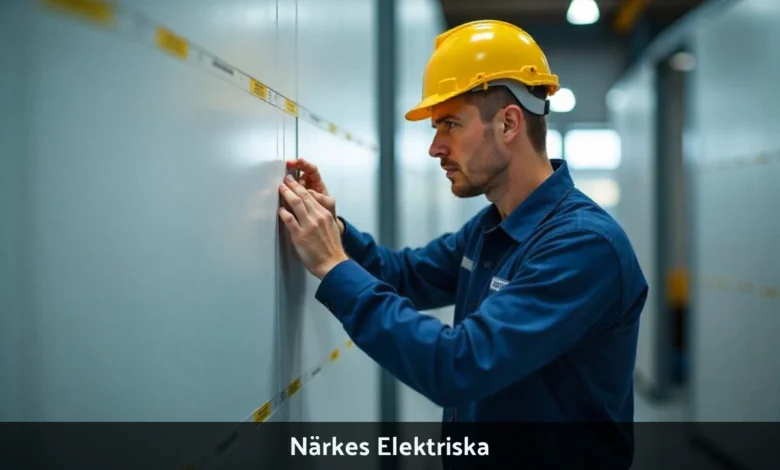
Närkes elektriska is a leading Swedish electrical services company founded in 1931, now part of the Assemblin Caverion Group. Operating from 60 locations with 2,500 employees, the company delivers residential, commercial, and industrial electrical solutions, focusing on renewable energy systems, smart home technology, and sustainable infrastructure.
How does a 94-year-old electrical company stay relevant in an era of smart grids and renewable energy? For Närkes elektriska, the answer lies in balancing tradition with a forward-thinking strategy. While Sweden races toward its 2045 fossil-free goal, this Örebro-based company quietly powers the infrastructure that makes that vision possible.
You’ll discover how Närkes elektriska evolved from a small ASEA division into Sweden’s trusted electrical contractor, what services drive its success today, and why its approach to sustainability matters for Sweden’s energy future.
From ASEA Division to National Powerhouse
Närkes elektriska started in 1931 as part of ASEA, one of Sweden’s major industrial firms. The company originally served ASEA’s internal operations, providing electricity for manufacturing facilities across the Närke region.
In 1949, the company gained independence. This shift came at the perfect moment. Sweden’s post-war industrial boom created massive demand for electrical infrastructure. While competitors focused on residential wiring, Närkes elektriska already had expertise in complex industrial systems.
By 1982, growth led to a Stockholm Stock Exchange listing. The company had transformed from a regional contractor into a publicly traded entity.
The next major shift came in 2006 when Segulah Alpha AB acquired the company. This began a period of strategic repositioning. In 2010, Royal Imtech purchased Närkes elektriska, bringing it into a larger European network.
The most significant change arrived in April 2024. Triton completed the merger of Assemblin and Caverion, creating Assemblin Caverion Group with annual revenue of €3.8 billion and approximately 21,500 employees across ten countries.
Today, Närkes elektriska operates as part of this larger structure while maintaining local autonomy and its regional identity.
What Närkes Elektriska Offers Swedish Customers
The company provides comprehensive electrical services across three main sectors.
Residential Services
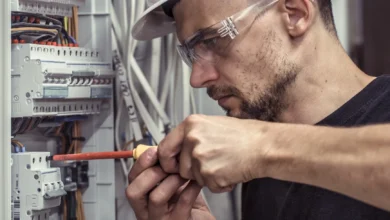
Homeowners receive complete electrical installations for new builds and renovations. The company handles everything from basic wiring to complex smart home systems. Services include lighting design, security system integration, and energy monitoring solutions.
Smart home installations connect lighting, heating, and appliances to central control systems. These installations reduce energy consumption by 15-22%, according to client project data.
Commercial Solutions
Businesses get tailored electrical systems for offices, retail spaces, and service facilities. The company manages office lighting systems, compliance audits, and safety inspections.
Schools, libraries, and municipal buildings form a significant client base. These projects often include energy-efficient LED systems and backup power solutions.
Industrial Electrical Systems
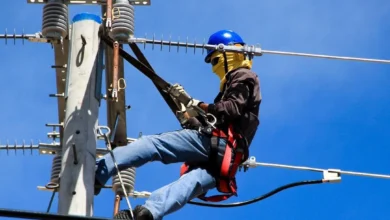
Factories and logistics centers require specialized high-voltage systems. Närkes elektriska handles automation upgrades, safety compliance, and predictive maintenance programs.
The company works with agricultural clients on automated feeding systems, climate control, and renewable energy integration for farm operations.
Emergency Services
Around-the-clock emergency response covers power outages, electrical faults, and safety hazards. Technicians arrive within hours, not days.
Närkes Elektriska’s Renewable Energy Focus
Sweden aims to eliminate fossil fuels by 2045. Närkes elektriska supports this goal through multiple initiatives.
The company has reduced operational carbon emissions by 42% since 2018. This achievement came through electric service vans, material recycling programs, and energy-efficient office operations.
Solar and Battery Systems
The company installs photovoltaic panel systems for homes and businesses. These installations include battery storage that captures excess energy for later use.
One senior care facility project added solar panels, providing 38% of total energy needs. Smart temperature controls reduced heating costs by 22%.
EV Charging Infrastructure
Electric vehicle adoption grows rapidly in Sweden. Närkes elektriska installs charging stations for homes, businesses, and public spaces.
The company explores partnerships for smart charging networks that adjust power delivery based on grid demand and electricity prices.
Smart Grid Technology
Real-time monitoring systems track energy flow and identify inefficiencies. These smart grids reduce energy loss during distribution and balance supply with demand.
Sweden averaged €36 per megawatt-hour in 2024, less than half the European average, partly due to efficient grid infrastructure.
How Sweden’s Electrical Market Shapes Operations
The Swedish electrical services sector faces unique conditions that influence how companies operate.
Price Variations by Region
Sweden is divided into four bidding zones. Northern regions (SE1 and SE2) typically see lower electricity prices due to abundant hydropower. Southern zones (SE3 and SE4) face higher costs from European market integration.
This geographic split affects installation decisions. Solar panels provide better returns in southern Sweden, where electricity costs more.
Renewable Energy Growth
Sweden recorded 652 hours of negative electricity prices in 2024, indicating surplus renewable generation. This trend creates opportunities for battery storage installations.
Dynamic Pricing Adoption
More Swedish households choose hourly electricity contracts that fluctuate with market prices. This shift drives demand for smart home systems that automatically adjust energy usage during peak price periods.
The Assemblin Caverion Group Advantage
Operating within a larger organization provides Närkes elektriska with distinct benefits.
The parent company employs approximately 21,500 people across ten countries. This scale enables resource sharing, knowledge transfer, and access to specialized expertise.
Local offices maintain decision-making authority. Regional managers understand community needs and can respond quickly to customer requests.
Cross-border projects benefit from the group’s international presence. When Swedish clients expand to Norway or Finland, Närkes elektriska connects them with sister companies in those markets.
Technology Integration Drives Efficiency
Modern electrical services require sophisticated digital tools.
IoT Monitoring Systems
Internet of Things sensors track equipment performance in real time. These systems detect potential failures before they cause downtime.
For industrial clients, predictive maintenance reduces unexpected outages and extends equipment lifespan.
Customer Management Platforms
Digital systems manage work orders, inventory, and customer communications. Clients track project progress through online portals.
Training and Development
Technology changes rapidly. The company invests in ongoing training for all technicians. Annual programs cover new safety standards, emerging technologies, and customer service skills.
Building Sweden’s Electrical Workforce
Sweden faces skilled labor shortages across technical trades. Närkes elektriska addresses this challenge directly.
The company offers paid internships and apprenticeships. These programs partner with local high schools to introduce young people to electrical trades.
Special outreach targets underrepresented groups, including women and immigrants. Diversity initiatives aim to build a workforce that reflects Swedish society.
Training programs last 12-24 months. Apprentices work alongside experienced technicians while completing classroom instruction.
Why Local Presence Matters for Service Quality
Närkes elektriska maintains 60 locations across Sweden rather than centralizing operations. This distributed model serves customers better.
Technicians live in the communities they serve. This creates a genuine understanding of local needs, building codes, and regional infrastructure challenges.
Response times stay short. When problems arise, nearby teams arrive quickly.
Community relationships build trust. Customers work with familiar faces rather than anonymous corporate representatives.
Competition in Swedish Electrical Services
The electrical services market includes international firms and local contractors.
Multinational corporations like Schneider Electric bring global expertise and purchasing power. They often win large commercial and industrial contracts.
Regional contractors compete on personalized service and local knowledge. Many focus on residential work or specific technical niches.
The Swedish electric utilities industry includes 2,576 businesses and grew at 5.5% annually between 2019 and 2024.
Närkes elektriska occupies a middle position. The company offers scale through Assemblin Caverion Group membership while maintaining local service quality.
Sustainability Beyond Carbon Reduction
Environmental responsibility extends past emissions tracking.
The company sources materials from suppliers with verified sustainability practices. Recycled copper and aluminum reduce extraction impacts.
Waste reduction programs divert materials from landfills. Old wiring, equipment housings, and packaging get recycled or repurposed.
Customer education helps clients make informed energy choices. Technicians explain options for renewable systems, energy-efficient appliances, and consumption monitoring.
Challenges Facing Electrical Service Providers
Several factors complicate operations in 2024 and beyond.
Supply Chain Disruptions
Global electronics shortages affect project timelines. Lead times for specialized components can stretch from weeks to months.
The company maintains larger inventories of critical items to buffer against delays.
Technological Complexity
New technologies require constant learning. Smart home systems, battery storage, and EV chargers demand up-to-date knowledge.
Training costs rise as technical requirements increase.
Regulatory Compliance
Swedish electrical codes evolve regularly. Safety standards tighten as technologies advance.
Compliance requires documentation, inspections, and ongoing staff education.
Pricing Pressure
Customers expect competitive rates. Material costs fluctuate with global commodity markets.
Balancing quality service with affordable pricing requires careful cost management.
Expansion Plans for the Coming Years
Närkes elektriska targets growth in specific areas.
Geographic expansion focuses on Västmanland and Södermanland counties. These regions neighbor current service areas and share similar infrastructure needs.
EV charging infrastructure represents a major opportunity. Sweden’s electricity demand could double from 140 TWh to over 250 TWh annually by 2044 due to industrial electrification.
Battery storage installations will increase as estimates suggest a 1 MW/2MWh battery system can generate approximately €100,000 per megawatt annually.
Smart building technology integration expands across commercial and residential sectors. These systems reduce energy costs while improving comfort and security.
Real Customer Impact Stories
Projects demonstrate the company’s practical approach to energy solutions.
A manufacturing facility in Örebro needed high-voltage system upgrades. Närkes elektriska completed the work during scheduled maintenance windows, avoiding production disruptions.
A residential development in Kumla received complete electrical installations with solar panels and EV charging stations. Homeowners now generate 40% of their electricity needs.
A rural farm implemented automated climate control and renewable energy systems. The upgrades reduced electricity costs by 35% in the first year.
Final Thoughts
Närkes Elektriska has built its reputation through 94 years of reliable service and strategic adaptation. From the ASEA division to the Assemblin Caverion Group member, the company evolved while maintaining core values.
Sweden’s energy transition creates both challenges and opportunities. Companies that combine technical expertise with sustainable practices will lead the sector forward.
For homeowners, businesses, and industrial facilities, choosing an electrical contractor means more than finding someone to run wires. It means partnering with professionals who understand local needs, embrace new technologies, and commit to environmental responsibility.
Närkes elektriska demonstrates that size and local service quality can coexist when companies prioritize customer relationships over pure efficiency metrics.
FAQs
What areas does Närkes elektriska serve?
The company operates across Sweden through 60 locations, with a primary focus on the Närke region, including Örebro, Kumla, and Hallsberg. Service extends to neighboring counties in central Sweden.
Does Närkes elektriska handle both residential and commercial work?
Yes. Services cover homes, businesses, industrial facilities, and public institutions. The company assigns specialized teams based on project complexity and technical requirements.
How long do solar panel installations take?
Residential installations are typically complete within 2-4 weeks from initial consultation to final connection. Commercial projects vary based on system size and site conditions.
Are technicians available for emergency calls?
24-hour emergency service responds to power outages, electrical faults, and safety hazards. Call volume determines response times, but urgent situations receive priority treatment.
What qualifications do Närkes elektriska technicians hold?
All technicians carry Swedish electrical certifications and complete annual training on new technologies and safety standards. Senior staff supervise complex installations and mentor apprentices.
Can the company help reduce energy costs?
Energy audits identify consumption patterns and recommend improvements. Solutions include LED lighting upgrades, smart thermostats, solar installations, and appliance optimization.