Complete Mudroom Design Guide: Ideas, Layouts & Storage Solutions
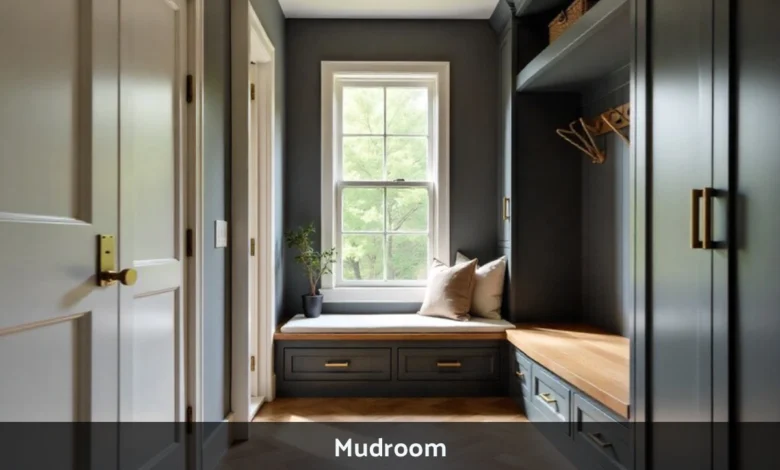
A mudroom is an entryway space designed to contain outdoor mess before it enters your home. This transition zone typically includes storage for coats, shoes, bags, and outdoor gear, plus seating for easy on and off. Smart mudroom design combines closed cabinets, open hooks, bench seating, and durable flooring to create an organized drop zone that keeps your home clean and clutter-free.
You walk through the door. Shoes land wherever there’s space. Coats pile on chairs. Backpacks crowd the kitchen counter.
This daily chaos has a solution. A well-designed mudroom stops mess at the door. It gives every item a home and makes mornings easier for your whole family.
Your mudroom doesn’t need to be a separate room. Even a small wall of built-ins can transform your entryway into a hardworking space that actually keeps things organized.
Why Your Home Needs a Mudroom
Custom cabinetry, open shelving, and built-in storage benches for shoes, bags, and sports gear have become must-have features in 2025, according to recent design reports. Mudrooms aren’t just trending because they look good. They work.
A functional mudroom creates a buffer between outside dirt and your living space. You contain mud, snow, pet hair, and rain before it spreads through your house. This single space saves you hours of cleaning each week.
Families with kids especially benefit. School bags, sports equipment, and daily essentials all have designated spots. No more searching for missing shoes when you’re already late.
Essential Mudroom Features That Actually Work
Not all mudroom storage is created equal. Here’s what you need to make your space functional.
Closed Storage Cabinets
Closed storage keeps visual clutter to a minimum and makes the space feel more like part of the rest of your home. When your mudroom opens directly into living areas, closed cabinets prevent the chaotic look of visible coats and bags.
Full-height lockers with doors work better than open cubbies for most families. You can hide the mess quickly before guests arrive.
Built-In Bench Seating
A bench makes putting on shoes easier for everyone. Kids can sit while tying their laces. Adults appreciate having a spot to remove boots without hopping around.
Add drawers underneath for hidden storage. This space works perfectly for off-season items, pet supplies, or cleaning products.
Multiple Hook Heights
Install hooks at different levels. Adults need higher hooks for long coats. Kids need lower hooks they can actually reach. This simple detail means everyone can hang up their own items.
Double hooks maximize space. You can hang a coat plus a bag on the same hook when needed.
Electrical Outlets for Charging
Outlets inside each locker allow family members to charge their devices outside of bedrooms. This keeps phones and tablets in a central location instead of scattered throughout the house.
Plan for at least one outlet per family member if building custom cabinetry.
Durable Flooring
Mudrooms take more abuse than any other space in your home. Choose materials that handle water, dirt, and constant foot traffic.
Tile, brick, or luxury vinyl work well. These surfaces clean easily and last for years. Skip materials like carpet or untreated wood that stain and wear quickly.
Mudroom Storage Solutions by Space Size
You don’t need a huge room to create effective mudroom storage. The key is maximizing every inch you have.
Small Spaces (Under 30 Square Feet)
A narrow wall can still provide serious storage. Install a single row of floor-to-ceiling cabinets, about 18 to 24 inches deep.
Include one tall cabinet for brooms and vacuums. Add open hooks for daily items. Finish with a narrow bench, even if it’s just 12 inches deep.
Vertical storage matters most in tight spaces. Use the full height of your walls, adding shelves all the way to the ceiling for rarely used items.
Medium Spaces (30 to 60 Square Feet)
This size allows for individual lockers. Give each family member their own cabinet, approximately 15 to 18 inches wide.
Add a central bench with storage underneath. Include both closed cabinets and open shelving to balance hidden and visible storage.
A bench with hooks and cubbies below makes it easy to keep the space tidy, allowing access to daily used items, while closed cabinetry handles overflow.
Large Spaces (Over 60 Square Feet)
Bigger mudrooms can include specialty features. Consider adding a sink for muddy cleanup or pet washing. Some homeowners add a small desk area for mail sorting and paperwork.
Dog wash stations are now being added to mudrooms, moving the mess of washing your dog from a bathroom into a dedicated area. These can also serve as foot wash stations after garden work.
Create zones within your larger space. One area for coats and bags. Another for shoes. A third for sports equipment or seasonal items.
Mudroom Design Styles and Color Trends
Your mudroom should feel like part of your home, not a separate utility closet.
Moody, Dark Colors
Dark, moody colors like deep blue, deep green, and dark brown can turn a mudroom from a functional space into a design-forward room. These rich hues hide dirt better than light colors while making a bold statement.
Popular paint choices include Sherwin-Williams Iron Ore, Benjamin Moore Chelsea Grey, and Farrow & Ball Downpipe. Pair dark cabinets with brass or gold hardware for warmth.
Natural Wood Tones
Combining painted cabinets with wood elements adds warmth and texture. Stain your bench seat while painting the surrounding cabinetry. Use wood shelving against painted walls.
This two-tone approach creates visual interest without overwhelming the space.
Bright, Bold Accents
Some designers recommend using your mudroom for personality and color. Yellow walls, plum cabinets, or vibrant wallpaper can transform this practical space into something special.
If you’re hesitant about bold colors elsewhere, your mudroom offers a low-risk place to experiment.
Textured Materials
Incorporate different textures to add depth. Cane cabinet fronts allow ventilation for electronics while adding a decorative element. Woven baskets on open shelves provide texture and hide smaller items.
Brick or patterned tile floors add visual interest underfoot. Herringbone patterns work especially well for creating movement in small spaces.
DIY Mudroom vs. Custom Built-Ins
You have options when creating mudroom storage. Each approach has trade-offs.
DIY Mudroom Projects
Building your own mudroom can save money. DIY options include using IKEA frames or repurposing kitchen cabinets.
Expect to spend 40 to 60 hours on a complete DIY built-in project. You’ll need basic carpentry skills and tools, including a saw, drill, level, and nail gun.
Start by taping out your design on the wall. This helps you visualize the finished project and make adjustments before cutting wood.
The most time-consuming part is sanding and caulking. Budget several hours for this step to ensure professional-looking results.
Hiring a Carpenter
Custom work costs more but delivers precise results. Carpenters can maximize every inch of your space and create solutions for tricky areas like outlets or vents.
Custom cabinets typically run between $500 and $1,200 per linear foot, depending on materials and complexity. Installation adds another $200 to $400 per linear foot.
The benefit is speed and quality. Professional installation often takes just a few days instead of several weekends of DIY work.
Smart Mudroom Layout Planning
Good layout makes the difference between a mudroom that works and one that frustrates.
Create Zones for Different Items
Separate your mudroom into distinct areas. Coats and bags go in one section. Shoes stay in another. This separation helps maintain organization over time.
If multiple people use the space, assign each person their own zone. Label cubbies with names or photos for kids who can’t read yet.
Plan for Air Circulation
Wet coats and muddy boots need airflow to dry. Leave some open space in your design. Don’t pack every inch with closed storage.
Vented cabinet doors help electronics stay cool if you’re storing internet equipment in your mudroom.
Consider Traffic Flow
Your mudroom layout should support how people actually move through the space. Don’t place a bench where it blocks the main path to your kitchen.
Allow at least 36 inches of clearance in front of benches and cabinets. This gives people room to move comfortably while putting on shoes.
Add Landing Spots
Everyone needs a place to drop items immediately upon entering. A small shelf, bowl, or tray catches keys, sunglasses, and phones before they end up lost somewhere in the house.
This designated landing spot prevents clutter in your kitchen.
Mudroom Materials and Hardware Choices
The right materials make maintenance easier and keep your mudroom looking good longer.
Cabinet Materials
Plywood works well for DIY projects. It’s stable, affordable, and takes paint nicely. For custom work, hardwood provides durability that lasts decades.
MDF costs less but handles moisture poorly. Skip this material if your mudroom gets wet frequently.
Hardware Finishes
Brass and gold finishes remain popular. They add warmth to dark cabinets and hide fingerprints better than chrome or stainless steel.
For a vintage look, unlacquered brass develops a patina over time. If you prefer consistent color, choose lacquered or plated finishes.
Paint Selections
Use semi-gloss or satin finish paint in mudrooms. These sheens clean easily and resist moisture better than flat paint.
Choose colors that tie your mudroom to adjacent rooms. Matching your kitchen island color or hallway walls creates visual flow.
Bench Cushions
Upholstered cushions make benches more comfortable. Choose indoor/outdoor fabric that resists moisture and cleans easily.
Linen provides a casual, lived-in look. Vinyl wipes clean quickly but feels less inviting.
Organizing Your Mudroom for Daily Use
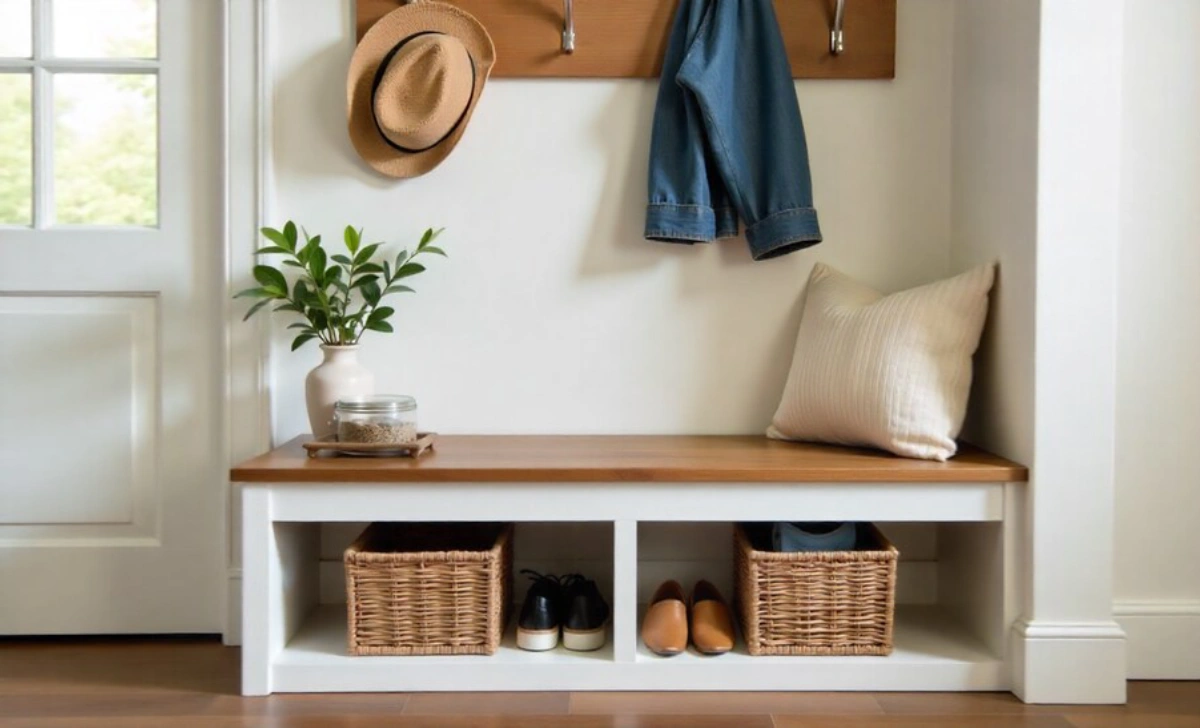
Building the space is just the first step. The organization keeps it functional long-term.
Assign Each Family Member a Spot
Give everyone their own designated area. Kids are more likely to hang up coats when they have a specific hook that’s theirs.
Use nameplates or labels to reinforce ownership of each space.
Rotate Seasonal Items
Store off-season gear in upper cabinets or basement storage. Your mudroom should only hold items you’re currently using.
Switch out winter boots for rain boots in spring. Move heavy coats to storage in summer, making room for lighter jackets.
Maintain with Daily Habits
Spend two minutes each evening resetting your mudroom. Hang up items that landed on the bench. Put shoes in their designated spots.
This small daily habit prevents the space from becoming overwhelmed with clutter.
Use Baskets for Small Items
Gloves, hats, and scarves disappear easily. Group these small items in labeled baskets on the upper shelves.
Woven baskets add texture while keeping accessories contained and easy to find.
Common Mudroom Mistakes to Avoid
Learn from others’ experiences to create a mudroom that truly works.
Insufficient Lighting
Dark mudrooms feel unwelcoming and make finding items difficult. Add overhead lighting plus task lighting near mirrors or benches.
Natural light helps too. If possible, position your mudroom near a window or add a glass door.
Wrong Bench Height
Standard bench height is 18 inches. Lower benches work for young children but feel awkward for adults. Higher benches make putting on shoes difficult.
Test different heights with temporary boxes before building permanent furniture.
Ignoring Air Flow
Closed, damp mudrooms smell musty. Ensure adequate ventilation, especially if storing wet items regularly.
A small exhaust fan helps in windowless mudrooms.
Too Much Open Storage
While open hooks provide quick access, too much open storage creates visual chaos. Balance open and closed storage for both function and appearance.
Forgetting About Pets
If you have dogs or cats, plan for their gear too. Leashes, toys, and food bowls need homes. Some families dedicate an entire lower cabinet to pet supplies.
Final Thoughts
A mudroom solves your daily entry chaos. It keeps outdoor mess contained, gives everything a place, and makes transitions smoother for your whole family.
Start with the essentials: closed storage, a bench, and hooks at multiple heights. Add features like electrical outlets and specialized storage as your budget allows.
Your mudroom doesn’t need to be perfect from day one. Start with basic built-ins or even freestanding furniture. Improve and customize as you learn what your family actually needs.
The key is creating a system that works for your household. When everyone can easily grab what they need and put things away, your mudroom will stop being a dumping ground and start being the hardworking space your home deserves.
Frequently Asked Questions
What is the ideal mudroom size?
A functional mudroom can range from a narrow 3-foot-wide wall up to a dedicated 10×10-foot room. Most families find that 40 to 60 square feet provides enough space for four people’s daily items. Even small spaces work if you maximize vertical storage with floor-to-ceiling cabinets.
How much does a custom mudroom cost?
Custom mudroom built-ins typically cost $3,000 to $8,000 for a basic 8-foot wall of cabinets, including installation. Expect to pay $500 to $1,200 per linear foot for custom cabinetry, plus $200 to $400 per linear foot for professional installation. DIY projects using IKEA cabinets or basic plywood can reduce costs to $1,000 to $2,500.
Should mudroom storage be open or closed?
Most designers recommend a mix of both. Closed cabinets hide clutter and create a cleaner look, especially in mudrooms visible from living areas. Add open hooks for items used daily, as they’re easier for kids to use and provide quick access. The ratio depends on your household, but many families prefer 70% closed and 30% open storage.
What flooring works best in a mudroom?
Durable, water-resistant materials perform best. Tile (ceramic or porcelain), brick, luxury vinyl planks, and stone all handle moisture and dirt well. These materials clean easily and last for decades. Avoid carpet, hardwood, or laminate in mudrooms, as these materials are easily from water and heavy use.
How deep should mudroom cabinets be?
Standard mudroom cabinets measure 18 to 24 inches deep. This depth accommodates winter coats and bags without protruding too far into your space. Benches should be 15 to 18 inches deep to provide comfortable seating without blocking walkways. Upper cabinets can be shallower at 12 to 15 inches if needed to save space.