Milestonearea.com Home Renovation: Your Complete Planning Guide
Milestonearea.com home renovation provides practical guidance for transforming your living space through strategic planning and smart investments. The platform helps homeowners navigate budgeting, contractor selection, and project execution with clear, actionable advice that balances functionality with design. Whether you’re updating a kitchen, bathroom, or entire home, Milestonearea.com focuses on lasting value and realistic timelines rather than fleeting trends.
Americans spent a median of $24,000 on home renovations in 2023, representing a 60% increase from 2020. With renovation spending projected to reach $477 billion by late 2025, homeowners need reliable information to make informed decisions. Milestonearea.com home renovation offers that guidance without the sales pressure or overwhelming complexity that often accompanies major projects.
Why Milestonearea.com Home Renovation Stands Out
Most renovation resources push expensive upgrades or trending designs that may not suit your needs. Milestonearea.com takes a different approach.
The platform prioritizes practical advice over flashy recommendations. You get information about which projects actually increase home value and which drain your budget without meaningful returns. For instance, while a major kitchen remodel might seem appealing, the site explains that minor kitchen updates often deliver better ROI at 96% compared to just 49% for major overhauls in 2024.
This focus on value matters because nearly 40% of homeowners exceeded their renovation budgets in 2023. When you understand where your money goes and what returns you can expect, you make better choices from the start.
The site also addresses real concerns. Labor costs continue rising, supply chain issues persist, and finding qualified contractors remains challenging for 33% of homeowners. Milestonearea.com acknowledges these hurdles and provides strategies to work around them.
Setting Your Renovation Budget the Right Way
Your budget determines everything else about your project. Get this wrong, and you’ll face stress, delays, and compromises you never planned for.
Start by assessing your total financial resources. This includes savings, available credit, and home equity you can access. Don’t forget to factor in your monthly income and existing obligations. A renovation shouldn’t push you into financial strain.
Research costs thoroughly before committing. Material prices vary by region and season. Labor rates depend on contractor experience and local demand. Permit fees add up quickly in some areas. Get multiple quotes for every major expense.
The 10-20% contingency rule exists for good reason. Unexpected problems appear in nearly every renovation. You might discover water damage behind old tiles, outdated wiring that needs replacing, or structural issues that weren’t visible during initial inspections. That extra buffer keeps your project moving when surprises arise.
Track every expense as work progresses. Use a simple spreadsheet or budgeting app. Record material purchases, contractor payments, permit fees, and those small miscellaneous items that add up faster than expected. This visibility helps you catch budget creep before it becomes a serious problem.
Consider your financing options carefully. Home equity loans offer lower rates than personal loans, but you use your home as collateral. HELOCs provide flexibility for projects with multiple phases. Personal loans cost more, but don’t put your home at risk. Credit cards work only for small, short-term needs. Choose based on your project timeline and financial situation.
Choosing Contractors Who Deliver Results
Your contractor choice makes or breaks your renovation experience. A skilled professional saves you time, money, and frustration. The wrong hire creates problems that follow you for years.
Look for contractors with specific experience in your project type. Someone who excels at kitchen remodels might struggle with bathroom renovations. Ask about similar projects they’ve completed in the past 18 months.
Check licenses and credentials thoroughly. Licensed contractors have passed tests proving their skills. They follow building codes and safety regulations. Insurance protects you if accidents happen during work. Never skip these verifications.
Request references from recent clients. Call at least three. Ask about communication, timeline adherence, budget accuracy, and problem-solving. Good contractors leave satisfied customers who gladly share their experiences.
Review their project management approach. How do they handle scheduling? What happens when materials arrive late? How often will they update you on progress? Clear systems indicate professionalism and reliability.
Get detailed written quotes from multiple contractors. Compare not just final numbers but what’s included. Some quotes cover permits and cleanup, while others don’t. Understanding these differences helps you make fair comparisons.
Trust your instincts during interviews. You’ll work closely with this person for weeks or months. If something feels off during initial meetings, it won’t improve once work begins.
High-ROI Renovation Projects for 2025
Smart renovations increase your home’s value while improving your daily life. Current data shows which projects deliver the best returns.
Garage door replacement leads with 268% ROI in 2025, up dramatically from 194% in 2024. This exterior upgrade costs relatively little, typically $2,400 to $4,500, while adding significant curb appeal. Modern insulated doors also improve energy efficiency.
Entry door replacement follows closely at 188% ROI. A new steel entry door costs around $2,355 and creates powerful first impressions. It enhances security while updating your home’s appearance.
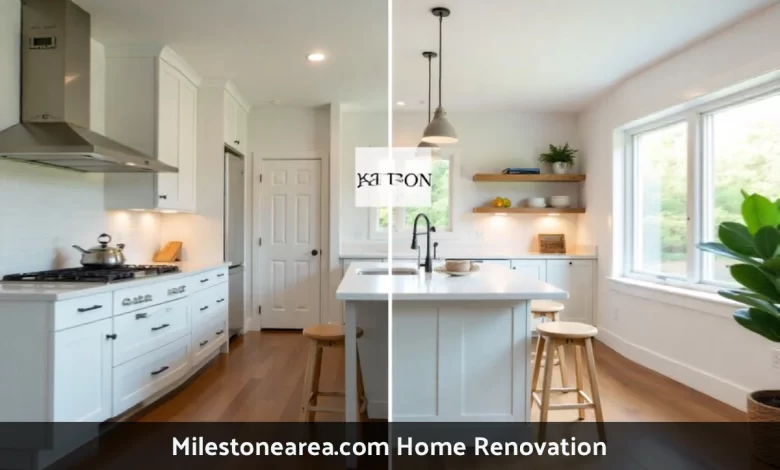
Minor kitchen remodels return 113% ROI in 2025. Focus on cabinet refacing, new countertops, updated appliances, and fresh backsplash tiles. Avoid moving walls or changing the kitchen footprint. These smaller updates deliver better returns than major overhauls.
Bathroom remodels offer 80% ROI for midrange projects. Update fixtures, replace old tiles, improve lighting, and add modern storage. Spa-like features appeal to buyers, with 73% of experts identifying this as the top bathroom trend for 2025.
Manufactured stone veneer provides 153% ROI. This exterior update adds architectural interest and a premium appearance without massive expense. Like other curb appeal projects, it influences buyer perceptions immediately.
Interior projects that focus on functionality outperform purely aesthetic changes. Thoughtfully designed storage spaces rank as the number one priority for 94% of home buyers in 2025. Adding practical storage solutions in kitchens, bathrooms, and closets delivers value that buyers notice and appreciate.
Managing Your Renovation Timeline
Renovations take longer than most homeowners expect. Kitchen projects require over nine months of planning for just five months of construction. Understanding this reality helps you set reasonable expectations.
Create a detailed schedule before work begins. Break your project into phases with specific completion dates for each. Include buffer time for delays. Weather, material shortages, and unexpected problems will happen.
Communicate clearly with everyone involved. Weekly check-ins with your contractor keep you informed. Address concerns immediately rather than letting them build up. Document conversations about changes or issues in writing.
Prepare your home and family for disruption. Renovations are messy, noisy, and inconvenient. Set up temporary spaces for daily activities. If you’re remodeling a bathroom, plan alternative arrangements. Kitchen renovations might require setting up a temporary cooking area.
Stay flexible when problems arise. Discovering outdated plumbing or electrical systems during demolition means adjusting your timeline and possibly your budget. Working with your contractor to find solutions keeps progress moving.
Monitor quality throughout the project. Don’t wait until completion to inspect work. Catching issues early makes corrections easier and less expensive. Take photos documenting each phase for your records.
Essential Renovation Areas to Consider
Certain home areas deliver more impact than others when renovated. Focus your efforts where they matter most.
Kitchens remain the most renovated rooms at 29% of all projects. They serve as gathering spaces and heavily influence home value. Even modest updates like new hardware, fresh paint on cabinets, and improved lighting make significant differences. Full remodels work best when your kitchen layout already functions well.
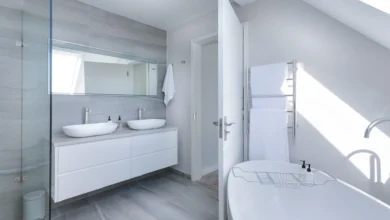
Bathrooms rank second, with guest bathrooms at 27% and primary bathrooms at 25% of renovation projects. Water-saving fixtures reduce utility costs while supporting environmental goals. Modern vanities provide needed storage. Good lighting transforms the space. Walk-in showers with quality fixtures create daily luxury.
Living rooms and bedrooms benefit from updates that improve comfort and function. New flooring materials offer durability and style. Smart lighting systems adjust to different activities and times of day. Built-in storage maximizes space without adding clutter.
Outdoor living spaces grew in priority, with 56% of experts noting increased homeowner interest in backyard upgrades for 2025. Creating comfortable exterior entertaining areas extends your usable space. Options range from simple patio improvements to full outdoor kitchens.
HVAC and energy efficiency upgrades reduce ongoing costs. While HVAC conversion ROI dropped in 2024, long-term energy savings still matter. Better insulation, efficient windows, and smart thermostats lower utility bills while improving comfort.
DIY vs. Professional Renovation Work

Deciding which tasks you can handle yourself affects your budget and timeline significantly.
DIY projects work well for cosmetic updates. Painting walls, installing new fixtures, updating cabinet hardware, and basic landscaping require more time than specialized skills. If you’re confident and have time to learn, these tasks save money without sacrificing quality.
Certain work requires professionals. Electrical, plumbing, and structural changes need licensed contractors. Permits often mandate professional work for safety and code compliance. Attempting complex tasks without proper knowledge creates expensive problems and safety hazards.
Consider your realistic time availability. DIY projects take longer than expected, especially for first-timers. If your job demands long hours or you have limited weekends free, hiring professionals might cost less than extended project timelines.
Assess your tool access and skill level honestly. Some projects need specialized equipment that costs more to buy than the labor would. Others require techniques that take years to master. Knowing your limits prevents costly mistakes.
Hybrid approaches often work best. Hire professionals for technical work while handling finishing touches yourself. You get safety and quality where it matters while keeping some control and reducing costs.
Common Renovation Mistakes to Avoid
Learning from others’ errors saves you time, money, and frustration.
Skipping permits creates serious problems. Unpermitted work decreases home value, causes issues during sales, and creates liability if problems occur. Always check local requirements and pull necessary permits.
Choosing the cheapest quote usually backfires. Low bids often mean cut corners, inexperienced workers, or hidden costs that appear later. Quality work costs fair prices. Focus on value rather than just the lowest price.
Ignoring your home’s style creates disconnected results. An ultramodern kitchen in a traditional Victorian home confuses buyers. Match renovations to your home’s character for better aesthetics and resale value.
Overspending on luxury items in modest neighborhoods wastes money. The 30% rule suggests not spending more than 30% of your home’s value on renovations. You risk over-improving for your area without recovering costs at resale.
Forgetting about resale, even if you’re not selling soon, limits your options later. Extremely personal choices might please you now, ow but deter future buyers. Balance personal preferences with broad appeal.
Rushing decisions lead to regrets. Live with paint samples for several days. Visit showrooms multiple times. Take time choosing permanent fixtures and finishes. These choices stay with you for years.
Final Thoughts
Home renovation transforms your living space when approached strategically. Milestonearea.com home renovation provides the practical guidance needed to navigate this complex process successfully.
Start with clear goals and realistic budgets. Choose experienced contractors carefully. Focus on projects that deliver value both now and at resale. Manage timelines with flexibility and patience. Balance DIY enthusiasm with professional expertise where needed.
The renovation journey challenges you with decisions, unexpected problems, and disruptions to daily life. Having reliable information and a solid plan makes these challenges manageable. Your efforts result in a home that better serves your needs while maintaining or increasing its value.
FAQs
How much should I budget for a home renovation in 2025?
The median renovation budget remains around $15,000 for most households in 2025. Kitchen projects average $24,000, primary bathrooms run about $15,000, and smaller updates cost $5,000 to $12,000. Always add 10-20% contingency for unexpected expenses. Your specific costs depend on project scope, materials chosen, and local labor rates.
What renovation projects offer the best return on investment?
Garage door replacement leads at 268% ROI, followed by entry door replacement at 188%. Minor kitchen remodels return 113%, while midrange bathroom remodels offer 80% ROI. Exterior improvements consistently outperform interior projects for immediate value recovery. Focus on functional updates rather than purely cosmetic changes.
Should I renovate before selling or leave it to buyers?
Minor updates like fresh paint, new fixtures, and deep cleaning offer 3,000% to 4,000% ROI and help your home sell faster. Strategic improvements to kitchens and bathrooms boost value if done right. Major renovations rarely pay off if you’re selling within a year. Let buyers customize expensive changes to their preferences.
How long does a typical home renovation take?
Kitchen renovations average nine months of planning plus five months of construction. Bathroom remodels take three to six months total. Whole-home projects can extend 12 to 18 months depending on the scope. Always build extra time into estimates, as 92% of homeowners face unexpected delays during renovation projects.
Do I need permits for my renovation project?
Most structural, electrical, plumbing, and HVAC work requires permits. Requirements vary by location and project scope. Professional contractors typically handle permit applications as part of their service. Never skip permits, as unpermitted work decreases home value, causes sale complications, and creates serious liability issues.