Mazatlán Real Estate Guide: Prices, Areas & Buying Tips 2025
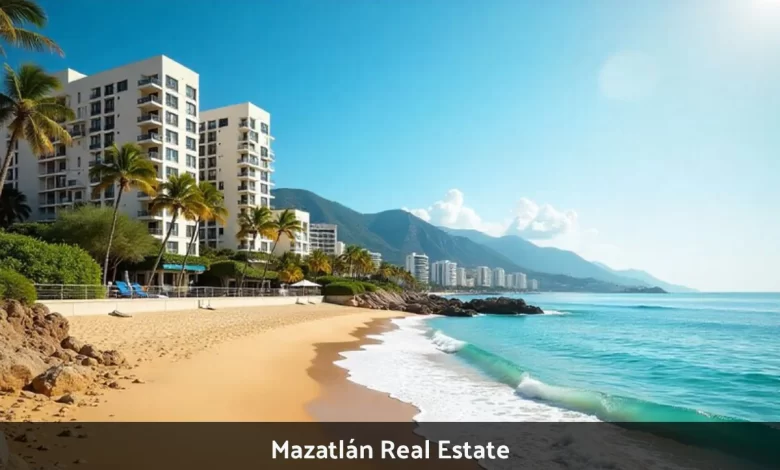
Mazatlán’s real estate market offers foreigners a chance to own beachfront property at half the cost of other Mexican coastal cities. The catch? You can’t directly own land within 50 kilometers of the coast. Instead, you’ll purchase through a fideicomiso—a bank trust that gives you full property rights for 50 years, renewable indefinitely.
Property prices range from $100,000 USD for a Centro Histórico condo to over $500,000 for beachfront Marina homes. But the sticker price tells only part of the story. Closing costs add 5-8% to your total, fideicomiso setup runs $3,000-$5,000, and annual property taxes average 0.1-0.2% of assessed value. Understanding these costs upfront helps you budget accurately and avoid surprises at closing.
Understanding the Mazatlán Real Estate Market in 2025
Mazatlán sits at a turning point. The city has seen steady price increases since 2020, driven by remote workers seeking affordable coastal living and retirees drawn to modern healthcare at Mexican prices. Unlike Cancún or Puerto Vallarta, Mazatlán hasn’t hit peak saturation yet.
The market breaks into distinct zones. Centro Histórico attracts culture seekers with colonial charm, while Zona Dorada serves tourists and short-term rental investors. Marina Mazatlán and Cerritos cater to luxury buyers wanting resort amenities. Each zone operates almost independently, with different price points and buyer demographics.
New construction has ramped up along the northern beaches. Developers are targeting mid-range buyers with $200,000-$350,000 condos that include pools, gyms, and security. These developments compete directly with resale properties in established neighborhoods.
One critical factor: Mazatlán lacks a unified MLS system. Properties get listed across multiple platforms, agent websites, and even Facebook groups. This fragmentation means working with a local agent isn’t optional—it’s essential for seeing what’s actually available.
How Much Does Property Cost in Mazatlán?
Price Ranges by Neighborhood
Centro Histórico delivers the lowest entry point. One-bedroom condos in renovated colonial buildings start around $100,000-$150,000. Two-bedroom units with rooftop terraces run $180,000-$250,000. You’re buying character and walkability, not beach access.
Zona Dorada condos range from $150,000 for older units to $400,000 for newer beachfront towers. Expect to pay $2,000-$3,000 per square meter here. The trade-off: you’re in the tourist center with restaurants, shops, and nightlife at your doorstep.
Marina Mazatlán represents the upper tier. Homes in gated communities start at $350,000 and climb past $800,000 for waterfront estates. Condos here run $250,000-$500,000, with golf course views adding a premium. Monthly HOA fees of $200-$400 maintain the resort feel.
Cerritos offers a middle ground. Beachfront condos sell for $200,000-$400,000, while houses a few blocks inland start at $180,000. This area attracts buyers who want beach access without Zona Dorada’s crowds.
Nuevo Mazatlán shows the newest development. Off-plan condos start at $150,000, with developers offering payment plans. Finished units run $200,000-$350,000. You’re betting on the area’s growth, with infrastructure still catching up.
Additional Costs Beyond Purchase Price
Closing costs in Mexico differ from US or Canadian transactions. Budget 5-8% of the purchase price for these expenses. The breakdown: notary fees (1-2%), acquisition tax (2-3%), appraisal ($500-$1,000), title search ($300-$500), and bank trust setup if buying through fideicomiso.
Fideicomiso costs matter for coastal properties. Initial setup runs $3,000-$5,000 depending on property value. Annual renewal fees cost $500-$800. These aren’t negotiable—every foreign buyer in the restricted zone pays them.
Property taxes (predial) stay remarkably low. Annual bills average 0.1-0.2% of assessed value. A $250,000 condo might generate a $250-$500 annual tax bill. Sinaloa state assesses properties conservatively, keeping these costs minimal.
HOA fees vary dramatically. Centro condos with minimal amenities charge $50-$100 monthly. Marina communities with pools, gyms, and 24/7 security run $200-$400. New developments sometimes subsidize fees initially, then raise them after sellout.
Utilities cost less than you’d expect. Electricity runs $30-$80 monthly with air conditioning. Water bills average $15-$30. Internet with decent speeds costs $30-$50. Total monthly utilities typically stay under $150.
Where to Buy: Mazatlán’s Top Neighborhoods
Centro Histórico suits culture enthusiasts willing to trade beach proximity for colonial architecture. The neighborhood has transformed over the past decade, with restored buildings becoming boutique hotels, galleries, and restaurants. You’ll walk everywhere, rarely need a car, and pay the lowest property prices in Mazatlán.
Infrastructure has improved. Streets have been repaved, lighting upgraded, and plazas restored. But it’s still a working Mexican neighborhood—not a sanitized tourist zone. You’ll hear street noise, deal with occasional power outages, and navigate narrower streets. Property appreciation potential remains strong as gentrification continues.
Zona Dorada delivers instant beach access and tourist infrastructure. This 3-mile stretch holds most of Mazatlán’s hotels, restaurants, and nightlife. If you’re buying for short-term rentals, this zone generates the highest occupancy rates.
The downside: seasonal noise, higher crime reports than other zones, and aging building stock. Many condos date from the 1980s to the 1990s and need updating. Newer towers offer modern amenities but command premium prices. The rental market here stays competitive, with dozens of units chasing the same tourists.
Marina Mazatlán targets buyers seeking resort-style living. Golf courses, marinas, and gated communities dominate. Properties come with amenities: clubhouses, tennis courts, beach clubs, and security gates. HOA fees support this infrastructure.
This area attracts retirees and vacation home buyers, not investors seeking rental income. Rental restrictions in many developments limit short-term stays. You’re buying lifestyle, not cash flow. The trade-off works if you plan to spend months here annually.
Cerritos and Playa Brujas offer beach access with fewer tourists. These northern neighborhoods feel more residential, with a mix of Mexican families and expats. New condo towers keep rising, but the area retains more authentic character than Zona Dorada.
Infrastructure lags slightly—fewer restaurants, less walkability, limited public transit. You’ll want a car here. But property values have climbed steadily, and the neighborhood’s growth trajectory looks strong.
Legal Requirements for Foreign Buyers
Mexico’s Constitution restricts foreign ownership within 50 kilometers of any coast. Since Mazatlán sits on the Pacific, you can’t own property directly. The fideicomiso system solves this.
A Mexican bank holds legal title to the property in trust. You’re the beneficiary, with full rights to use, rent, sell, or pass the property to heirs. The trust lasts 50 years and renews indefinitely. You control everything except the title paperwork.
Setting up a fideicomiso requires a notario público—not just a notary, but a government-appointed lawyer who handles property transfers. The notario verifies a clear title, calculates taxes, and files paperwork with the Public Registry of Property. Their fees run 1-2% of the purchase price.
You’ll need an RFC (Registro Federal de Contribuyentes)—Mexico’s tax ID number. Getting one takes a few days with your passport and proof of address. The RFC appears on all property documents and tax filings.
Title insurance exists in Mexico, but it isn’t standard. Stewart Title and First American operate here, offering policies that protect against title defects. Costs run 0.5-1% of the purchase price. Many buyers skip it, relying instead on the notario’s title search.
One critical point: not all properties have a clean title. Ejido land (formerly communal agricultural property) sometimes gets sold before full privatization is completed. The notario should flag these issues, but verifying land status yourself adds protection.
The Buying Process: Step by Step
Finding properties without an MLS system requires patience. Start by contacting bilingual agents who understand foreign buyer needs. Expect to tour 10-15 properties before finding the right fit. Photos often oversell condition, so in-person visits matter.
Once you’ve found a property, you’ll submit an offer through your agent. Negotiations happen differently here—sellers often list high and expect 10-15% reductions. Cash buyers get better deals than those seeking financing.
After accepting your offer, the seller provides property documents. Your notario reviews these: escritura (deed), property tax receipts, HOA payment history if applicable, and survey. This due diligence period typically lasts 15-30 days.
During this window, you’ll open a fideicomiso if buying coastal property. The bank reviews your application, verifies documents, and establishes trust. Plan for 4-6 weeks from application to trust approval.
The closing happens at the notary’s office. You’ll sign final documents, transfer funds, and receive temporary possession papers. The notario then files everything with the Public Registry of Property. Your permanent escritura arrives 3-6 months later.
Money transfers require planning. Banks limit wire amounts and charge 1-2% in fees. Some buyers use foreign exchange services like Wise or OFX to reduce costs. Verify your bank allows large international transfers before committing to a purchase.
The entire process typically takes 60-90 days from offer to closing. Add another 3-6 months for final paperwork. Mexican real estate moves more slowly than US or Canadian transactions—build buffer time into your plans.
Financing Options and Payment Methods
Cash dominates Mazatlán real estate. Roughly 70% of foreign buyers pay outright, avoiding financing complications. Sellers prefer cash buyers, often accepting lower offers from them over financed deals that might fall through.
Mexican banks offer mortgages to foreigners, but the requirements are strict. You’ll need a 30-50% down payment, proof of income from a Mexican source or substantial foreign earnings, and Mexican credit history. Interest rates run 9-12%—much higher than US or Canadian rates.
HSBC and Scotiabank handle most foreign buyer mortgages. The application process takes 60-90 days, and approval isn’t guaranteed. Many buyers start this process before house hunting to understand their budget.
Developer financing offers an alternative for new construction. Some builders finance 50-70% of the purchase price over 5-10 years at 6-8% interest. Down payments typically run 30-40%. This option works best for off-plan purchases where you’re buying before construction completes.
Developer financing carries risk. If the builder fails to complete the project, you’ve tied up substantial money with limited recourse. Check the developer’s track record and consider putting funds in escrow that are released as construction milestones are completed.
US or Canadian buyers sometimes take home equity loans or mortgages on existing properties to fund Mexican purchases. This approach locks in lower interest rates and simpler lending terms. The downside: you’re leveraging assets in one country to buy property in another.
Common Mistakes and How to Avoid Them
Skipping an independent property inspection tops the mistake list. Many buyers rely on the notario’s review without hiring a structural engineer or home inspector. Spend $300-$500 on a thorough inspection—it catches problems the notario won’t flag.
Paying before the fideicomiso completes creates risk. Some sellers pressure buyers to deposit funds early. Never transfer money until the bank trust is established and the notario has verified a clear title. The few weeks’ delay protects your investment.
Buying through Facebook or Craigslist without agent representation invites trouble. Scams exist—properties listed at below-market prices by “owners” who don’t actually own them. Legitimate agents cost you nothing as a buyer (sellers pay commissions), so use one.
Underestimating ongoing costs catches buyers off guard. HOA fees, property taxes, insurance, and utilities add up. Budget at least $400-$600 monthly for a typical condo, more for houses with pools or in premium communities.
Ignoring rental restrictions when buying for investment purposes kills returns. Many Marina developments prohibit short-term rentals. Cerritos has fewer restrictions, but the rental market there stays smaller. Verify rules before assuming you’ll generate rental income.
Failing to visit during hurricane season paints an incomplete picture. Mazatlán sees storms from June through October. Check how buildings weathered recent hurricanes, inspect drainage systems, and understand insurance requirements. Some areas flood annually.
Should You Buy or Rent in Mazatlán?
The buy vs. rent calculation depends on your usage pattern. If you’re spending six months or more annually in Mazatlán, buying makes financial sense. A $250,000 condo costs about $1,500 monthly when you factor in opportunity cost, taxes, HOA fees, and maintenance. Renting similar properties runs $1,200-$2,000 monthly.
Short-term visitors should rent. If you’re coming for a few weeks annually, renting avoids tying up capital, dealing with maintenance, and managing property from abroad. The flexibility to explore different neighborhoods before committing also adds value.
Investment buyers need to run realistic numbers. Gross rental yields in Zona Dorada run 6-8% for short-term rentals, but that’s before expenses. Property management takes 20-30% of gross rent. Maintenance, utilities, taxes, and occasional vacancy can consume another 20-25%. Net yields typically land at 3-5%—decent but not exceptional.
Long-term rental yields stay lower, around 4-6% gross. But you’ll face less turnover, lower management costs, and more stable income. The trade-off: you can’t use the property yourself as easily.
Appreciation potential varies by neighborhood. Centro Histórico has shown 5-7% annual gains as gentrification continues. Marina properties appreciate more slowly at 2-4% annually—they started from a higher base. Cerritos sits between these, with 4-6% gains as infrastructure improves.