Matarecycler: A Simple, Thoughtful Way to Make Sustainable Living Feel Doable Every Day
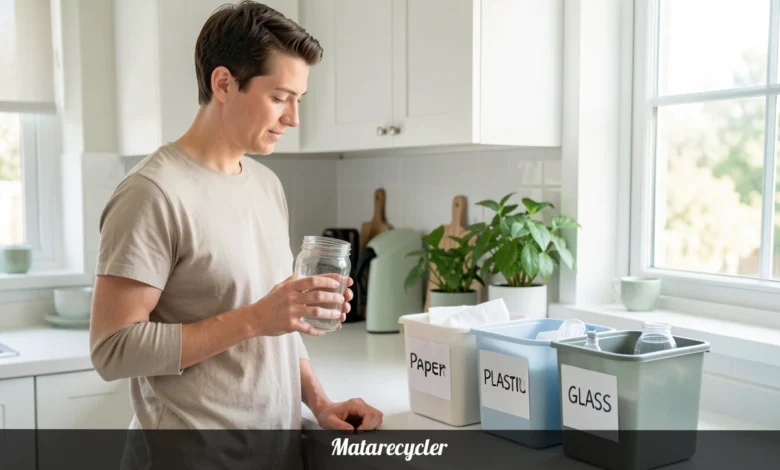
Matarecycler is a practical approach to responsible recycling and conscious waste management that combines smart tools, daily habits, and a more honest understanding of how waste actually moves through the system. It sits somewhere between a mindset and a method. At its core, it asks one simple question: what if we paid just a little more attention to what we throw away, and why? That question sounds small, but the answer reshapes how you think about everything from your kitchen bin to your shopping cart.
What makes Matarecycler genuinely useful is that it does not ask you to do everything at once. It works because it meets people where they are, replacing guilt and confusion with clarity and small, consistent actions that build over time. Whether you live in a city with advanced sorting infrastructure or a suburb with a single recycling bin, the idea translates. You do not need special equipment to start. You need a clearer picture of what actually happens to your waste, and a willingness to close the gap between good intentions and real results.
What Matarecycler Actually Is (And What It Is Not)
A lot of people search for this term expecting a product page. That confusion is understandable. Matarecycler sits at the intersection of technology, behavior, and community. Some implementations involve smart bins with sensors that track fill levels and flag contamination. Others use mobile apps that let you scan packaging, get sorting guidance, and track your impact over time. Some cities are piloting AI-assisted sorting systems that work behind the scenes so residents do not have to change much at all.
But the version that matters most for everyday life is simpler. It is a thoughtful, sustainable living approach built around one core idea: recycling fails not because people do not care, but because the system makes it too easy to get wrong. Matarecycler tries to fix that at the point where your decision happens, right before something goes into a bin.
In my experience, the moment someone understands why contamination matters, everything else clicks. One greasy container mixed in with clean paper recyclables can ruin an entire load. That is not a small mistake; it is a batch of material that could have become new packaging or product going straight to landfill. Matarecycler makes that invisible cost visible.
How It Differs from Regular Recycling
Standard recycling guidance tells you what can go in the bin. Matarecycler goes a step further by telling you why it matters and what happens if you get it wrong. That distinction changes how seriously people take it.
Most recycling programs put the burden entirely on the consumer with minimal feedback. You sort your items, wheel out your bin, and hope for the best. There is no signal telling you whether what you did helped or created more work downstream. A smart recycling approach like Matarecycler closes that loop. You see the outcome of your choices, even if it is just a prompt on an app confirming that your rinsed yogurt container was sorted correctly.
This feedback loop is what builds the habit. It is the same reason fitness apps work better than generic advice to “exercise more.” Specificity and confirmation change behavior.
Where the Real Impact Shows Up
Contamination Is the Quiet Problem
Contamination rates in residential recycling bins run as high as 25% in some urban areas. That number does not make headlines, but it quietly undermines a huge portion of the recycling effort people make every day. Matarecycler-style conscious waste management targets contamination at the source by giving people real-time clarity on what belongs where.
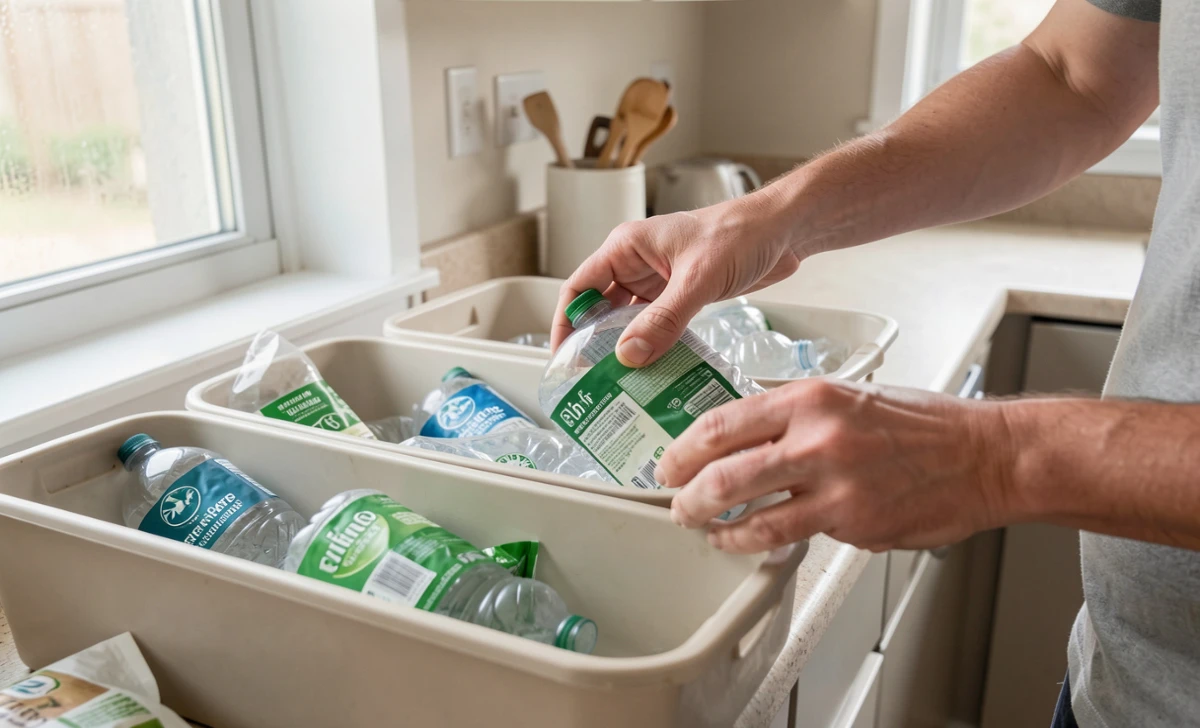
The items that trip people up most often are soft plastics (like bread bags and cling film), takeout containers with food residue, and anything “compostable” that is not accepted in standard recycling. These look recyclable. They are not. A reliable guide that addresses those edge cases directly reduces the guesswork and keeps loads clean.
Energy Savings That Compound Over Time
The math here is worth knowing. Recycling aluminum uses roughly 95% less energy than producing it from raw ore. Recycled plastic requires around 70% less energy than virgin plastic. Every correctly sorted item contributes to a system that keeps materials in circulation longer and reduces the need to extract new resources.
In 3 to 5 years, households and communities that build better, everyday sustainable habits now will be feeding a stronger market for recycled content. That market signals to manufacturers that there is a reliable supply of quality recycled material, which in turn pushes more companies to use it. The chain runs in both directions.
It Shifts What People Expect From Each Other
When one person in a household starts sorting more carefully, others tend to follow. This is not about pressure or lectures. It is about visibility. If a partner or housemate sees you checking an item before tossing it, they absorb that as a normal thing to do. Over time, the community expectation around waste shifts quietly. That is how norms change: not through campaigns, but through repeated, visible, ordinary behavior.
Practical Ways to Start Using This Approach Today
You do not need to overhaul your home or buy anything. Start with what you already have and adjust one habit at a time.
- Check your local recycling guidelines this week. Most councils and cities update their accepted materials regularly, and what was rejected two years ago may be accepted now (or vice versa).
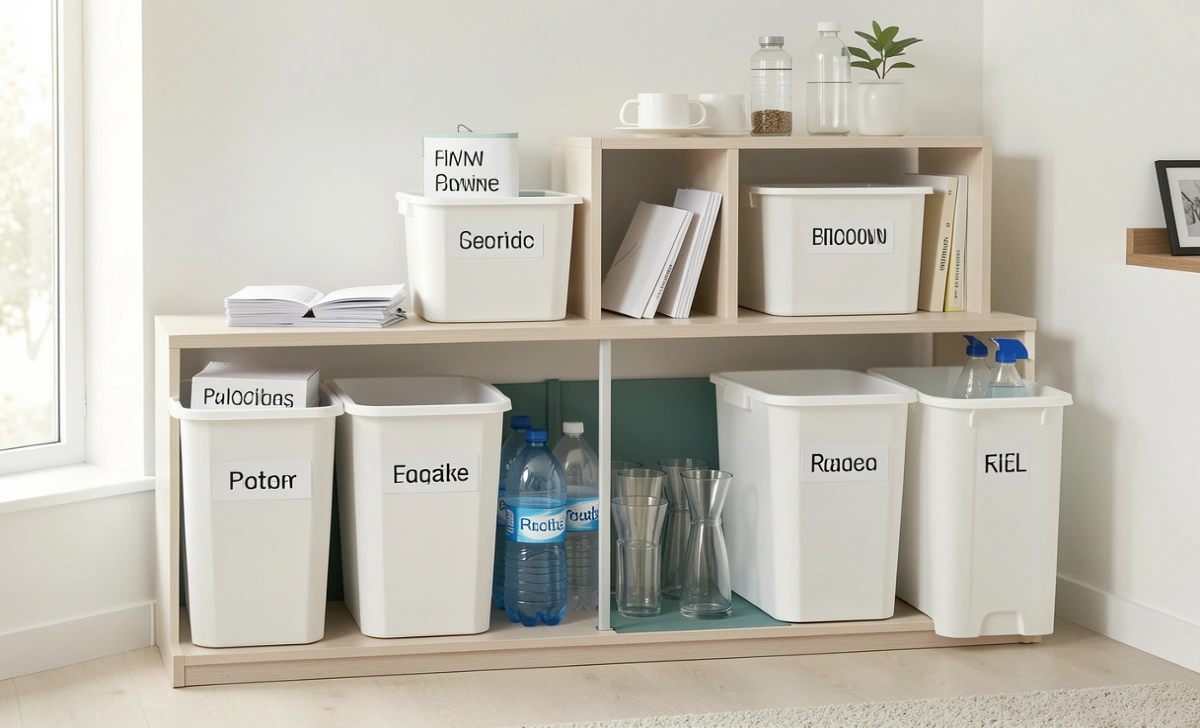
- Set up a simple sorting station near your main bin. Two small containers, one for clean recyclables and one for items you are unsure about, reduce the “I’ll just throw it in and hope” reflex.
- Rinse containers that held food. You do not need to scrub them spotless; a quick rinse removes enough residue to keep paper and cardboard nearby from becoming contaminated.
- Look up your nearest drop-off for batteries, electronics, and soft plastics. These rarely go in a standard bin, but most areas have designated collection points.
- If your area has a Matarecycler-compatible app or smart bin system, use it for a month and track what you learn. The specificity tends to be eye-opening.
Small changes stick better than big ones. Pick one of the above and run with it for four weeks before adding another.
Frequently Asked Questions
What exactly is Matarecycler? Is it a system, an app, or a way of thinking?
It can be all three, depending on your situation. In some cities, it refers to a tech-enabled platform with smart bins and sorting software. For most people, it functions as a responsible recycling mindset backed by practical tools like apps or guides that make sorting easier and more accurate. The technology and the mindset reinforce each other.
How is Matarecycler different from regular recycling?
Regular recycling guidance tells you what to sort. Matarecycler tells you why it matters and gives you feedback on whether you are getting it right. That feedback loop is what changes long-term behavior, not just one-off sorting decisions.
Can normal people actually use it in daily life, or is it only for big cities?
The everyday sustainable habits at the core of this approach work anywhere. The tech-heavy version (smart bins, AI sorting, integrated apps) is more common in larger urban areas. But the underlying logic, check before you toss, rinse what needs rinsing, know where edge-case items go, applies regardless of where you live.
Does Matarecycler really make a difference, or is it just another trend?
The difference shows up in contamination rates and material recovery. When people sort accurately, more material gets recovered and reused. That reduces energy use, cuts landfill pressure, and supports a stronger market for recycled content. It is not a complete solution to waste, but it is a real, measurable contribution that scales with adoption.