Masterbuilt Electric Smoker Manual OOP1: Complete Setup Guide
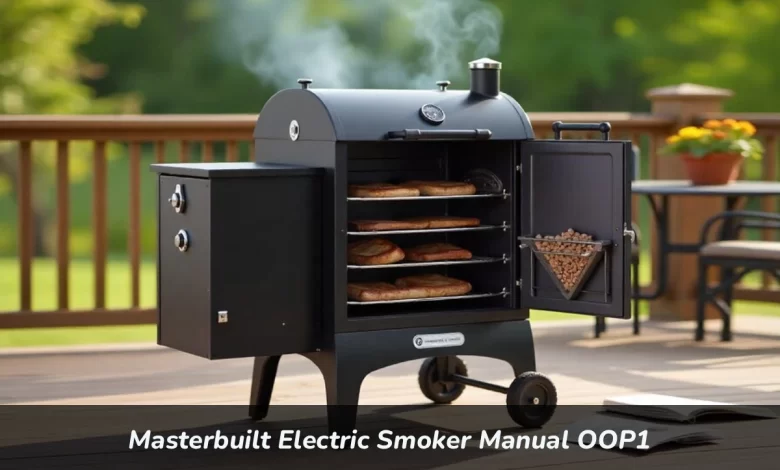
The Masterbuilt Electric Smoker Manual OOP1 provides detailed instructions for assembling, operating, and maintaining your Model 20071011 electric smoker. It covers everything from the 15-minute assembly process to temperature control (100°F to 275°F range), wood chip loading techniques, and essential safety guidelines for outdoor smoking.
You just unboxed your Masterbuilt electric smoker, and the parts are scattered across your garage. The control panel looks simple enough, but you need to know where everything goes before you can smoke that first brisket. Without the right manual, you could waste hours figuring out basic assembly or, worse, damage your new smoker.
The OOP1 manual is your roadmap to smoking success. It walks you through each step, from attaching the legs to loading wood chips correctly. This guide breaks down the manual’s key sections so you can get your smoker running quickly and safely.
What the OOP1 Model Manual Covers
The Masterbuilt Electric Smoker Manual OOP1 is designed specifically for Model 20071011. This manual includes 22 detailed parts diagrams, assembly instructions, and operating guidelines. You get information on 22 individual components, from the smoker body to the wireless remote control.
The manual comes in an 18-page PDF format. You can download it from the Masterbuilt website by searching for your model number. Most retailers also include a printed copy in your smoker box. Keep it accessible because you’ll reference it during setup and troubleshooting.
The OOP1 model features a digital control panel, four smoking racks, a side wood chip loader, and an adjustable temperature range. Your manual explains how each component works together to maintain consistent smoking temperatures between 100°F and 275°F.
Assembly Takes Just 15 Minutes
The manual breaks assembly into 10 clear steps. You only need a Phillips head screwdriver. Start on a flat surface with all parts laid out in front of you.
Step 1: Attach the wheels and adjustable screw legs to the bottom of the smoker body using the provided M5x14 Phillips screws. The tension nuts on the legs let you level the smoker once assembled.
Steps 2-3: Connect the digital control panel to the wire connector on top of the smoker body. Align the tabs carefully, then secure the panel with Phillips screws. The manual warns against over-tightening, which can damage the connection.
Step 4: Mount the rear handle to the back of the unit. The manual specifically states this handle is not for lifting the entire smoker.
Steps 5-10: Install the cooking racks, water bowl, wood chip tray, drip pan, grease tray, and wood chip loader. Each component has a specific position. The drip pan hole must align with the drain hole in the smoker’s bottom.
Common assembly mistakes include skipping the preseasoning process, over-tightening screws, and failing to check that all 22 parts are present before starting.
Operating Your Smoker Safely
Safety sits at the center of the OOP1 manual. The front cover displays a bold carbon monoxide warning. Burning wood chips produces carbon monoxide, which has no odor and can cause death. You must use your smoker outdoors in well-ventilated areas only.
The manual lists critical safety rules:
- Place the smoker on level ground away from flammable materials
- Use only grounded electrical outlets rated for outdoor use
- Keep children and pets away during the operation
- Never move the smoker while hot
- Do not use the smoker during electrical storms
- Keep a fire extinguisher accessible
The USDA recommends maintaining smoker temperatures between 225°F and 300°F for food safety. Your OOP1 model can reach 275°F maximum. According to recent USDA guidelines, all poultry must reach an internal temperature of 165°F, while beef, pork, and lamb require 145°F minimum.
Temperature Control and Digital Panel

The digital control panel is the heart of your smoker. The manual explains each function in detail.
Setting Temperature: Press the ON button, then press SET TEMP once. The LED display blinks. Use the plus and minus buttons to select your temperature in 5°F increments. Press SET TEMP again to lock it in.
Setting the Timer: Press SET TIME. The hours display blink. Adjust with the plus/minus buttons, then press SET TIME again. The minutes display blink next. Set your minutes and press SET TIME to start the cooking cycle.
The manual notes that temperature readings fluctuate 10 to 15 degrees as the heating element cycles on and off. This is normal operation, not a malfunction.
Direct sunlight can interfere with the LED display. Block the light if you have trouble reading temperatures. The manual suggests using the wireless remote (included) to monitor from up to 100 feet away.
Wood Chip Loading Made Simple
The side wood chip loader is a key feature. The manual dedicates an entire section to proper loading technique.
Before starting your smoker, place one cup of wood chips in the loader. Never use more than one cup at a time, and never use wood chunks. The manual emphasizes that these limits prevent dangerous flare-ups.
Loading Process:
- Fill the wood chip loader with chips to the top rim
- Insert the loader into the side compartment
- Turn the handle to the “Unload” position
- Chips drop onto the wood chip tray inside
- Turn the handle back to the “Load” position
During smoking, the wood chip loader and tray will be extremely hot. Keep the door closed when adding chips. Temperature may spike briefly after adding wood, but it stabilizes quickly.
The manual includes a wood smoking guide showing which woods pair best with different meats:
- Hickory: Pungent, bacon-like flavor for red meats
- Mesquite: Sweet, delicate flavor for beef and pork
- Apple: Sweet, mild flavor for poultry and fish
- Cherry: Delicate taste for most meats
Research from food science experts suggests soaking wood chips for 30 minutes before use. This slows the burning process and produces longer-lasting smoke.
Water Pan Function and Maintenance
The water bowl must always stay in place during smoking, even if you don’t fill it with water. The manual explains that this bowl prevents food drippings from hitting the wood chip lid below.
Fill the water pan with warm water before smoking. This maintains humidity inside the smoker, which keeps meat tender and prevents drying. During long smoking sessions (over 4 hours), check the water level and refill as needed.
The water pan sits on the lower bracket inside the smoker. Position it correctly during assembly so it doesn’t interfere with heat circulation.
Cooking Times and Temperatures
The manual provides smoking time guidelines based on meat type:
- Beef Brisket: 225°F for 1 to 1.5 hours per pound
- Pork Ribs: 250°F for 5 to 6 hours
- Whole Chicken: 250°F for 4 to 5 hours
- Pork Butt: 225°F for 5 hours, then wrapped in foil for 1 to 1.5 hours
The manual warns against overloading the smoker. Extra food restricts airflow and extends cooking time. Leave space between items on racks and between food and smoker walls.
Outside temperature affects performance. When ambient temperature drops below 65°F or altitude exceeds 3,500 feet, add extra cooking time. Always use a meat thermometer to verify internal temperatures.
Cleaning After Every Use
The manual stresses that cleaning after every use extends your smoker’s life and prevents mold. Once the smoker cools completely, follow these steps:
Remove the water pan, grease tray, drip pan, and smoking racks. Wash these with mild dish detergent, rinse, and dry thoroughly. Clean the wood chip tray frequently to remove ash buildup and residue.
For the interior, glass door, light cover, meat probe, and exterior, wipe with a damp cloth only. Do not use cleaning agents. Dry everything thoroughly before storing.
The door seal and the inside seam it attaches to must be cleaned with a damp cloth after each use. This keeps the seal working properly and prevents heat loss.
Dispose of cold ashes by placing them in aluminum foil, soaking with water, and discarding them in a non-combustible container. According to fire safety experts, never empty ash into common trash containers where embers could ignite other materials.
Troubleshooting Common Issues
The manual includes a detailed troubleshooting guide covering 12 common problems:
Power light won’t turn on: Check your wall connection and house fuses. Make sure other appliances aren’t overloading the same circuit. Verify the wire connector on the controller is properly attached to the smoker.
No smoke production: Add wood chips to the chip loader. Check that the wood chip tray and loader are in place. Use dry chips, not wet ones.
Temperature drops or fluctuates: Close the door and fasten the latch securely. Check that the door seal isn’t damaged. Ensure the drip pan is positioned correctly and the drain tube at the back isn’t clogged.
Interior light doesn’t work: Replace the bulb with a 15W to 25W oven-rated bulb. Check that the light switch is in the ON position.
If the controller displays an error message, the manual recommends turning the smoker off, unplugging it, waiting ten seconds, then plugging it back in. This resets the control panel.
For problems you can’t solve, contact Masterbuilt Customer Service at 1-800-489-1581. The manual lists this number throughout for assembly assistance, missing parts, or technical support.
Remote Control Setup and Range
The wireless remote control runs on two AAA alkaline batteries (not included). The manual shows you how to install them correctly by sliding off the belt clip and pressing down the battery cover tab.
The remote has a frequency range of up to 100 feet. Test this range before and during use by turning the interior light on and off as you move away from the smoker. When the light stops responding, you’ve reached the maximum distance.
If the remote stops working, check the batteries first. The manual explains how to link the remote to the controller:
- Turn both the controller and the remote ON
- Press and hold SET TEMP on the controller for 3 seconds
- On the remote, press MEAT PROBE, LIGHT, MEAT PROBE, LIGHT within 5 seconds
- A short beep confirms each button press
Do not leave the remote in direct sunlight for extended periods. This can damage the electronics and reduce battery life.
Preseasoning Before First Use
The manual requires preheating before smoking any food. This process removes manufacturing residues and prepares the interior surfaces.
Place the water pan inside with no water. Set the temperature to 275°F and run the smoker for 3 hours. Some smoke may appear during this time, which is normal. During the last 45 minutes, add one cup of wood chips to the chip loader.
After preseasoning, turn off the smoker and let it cool completely. Clean the interior with a damp cloth. Your smoker is now ready for cooking.
Warranty Coverage and Limitations
Masterbuilt provides a 90-day limited warranty from the date of retail purchase. The warranty covers defects in materials and workmanship under proper assembly, normal use, and recommended care.
The warranty does not cover paint finish (which may burn off during normal use) or rust. Property damage from misuse, abuse, accidents, transportation damage, or commercial use is excluded.
If repairs are needed during the warranty period, Masterbuilt will repair or replace defective components free of charge. You pay shipping to Masterbuilt; they pay return shipping for requested items.
Register your warranty online at www.masterbuilt.com or mail the registration card to Masterbuilt Manufacturing, Inc., 1 Masterbuilt Court, Columbus, GA 31907.
Where to Find Replacement Parts
The manual lists all 22 parts with specific item numbers for ordering replacements:
- Body Kit: 9907100002
- Door with Window: 9907090028
- Digital Control Kit: 9907100001
- Element Kit: 9907090033
- Wood Chip Loader: 9007090093
- Smoking Rack: 9100500029
Contact Masterbuilt Customer Service at 1-800-489-1581 for replacement parts. You can also find authorized dealers through the Masterbuilt website.
Key Takeaways for Success
The Masterbuilt Electric Smoker Manual OOP1 provides everything you need for safe, successful smoking. Follow the assembly instructions carefully, preheat for 30 to 45 minutes before adding food, and never open the door unnecessarily during cooking.
Use a meat thermometer to verify doneness rather than relying only on cooking times. Store your smoker in a dry area after use and clean it after every session to prevent buildup and extend its life.
Keep the manual in your outdoor cooking area for quick reference. The troubleshooting section alone will save you frustration when minor issues arise. With proper care and attention to the manual’s guidelines, your OOP1 smoker will deliver perfectly smoked meals for years.
FAQs
Where can I download the OOP1 manual if I lost mine?
Visit www.masterbuilt.com and search for Model 20071011 or “OOP1” in their support section. You can download the PDF for free. The manual is also available through some retailer websites that sell the smoker.
How often should I clean my electric smoker?
Clean your smoker after every use according to the manual. This includes washing removable parts with mild dish detergent and wiping the interior with a damp cloth. Clean the door seal after each session to maintain proper heat retention.
Can I use the smoker in temperatures below freezing?
Yes, but expect longer cooking times. The manual notes that temperatures below 65°F extend cooking time. Always use a meat thermometer to verify internal temperatures rather than relying on time estimates in cold weather.
What happens if I overload the wood chip loader?
Using more than one cup of wood chips increases flare-up risk. The manual specifically limits chips to one cup at a time. Overloading can cause dangerous fires inside the smoker and damage the heating element.
Is the 90-day warranty long enough for an outdoor smoker?
The warranty covers manufacturing defects for 90 days from purchase. It excludes rust and paint finish degradation, which are normal wear items. Proper maintenance and storage in a dry area extend the smoker’s life beyond the warranty period.