Lyposingrass: The Sustainable Grass Transforming Modern Gardens
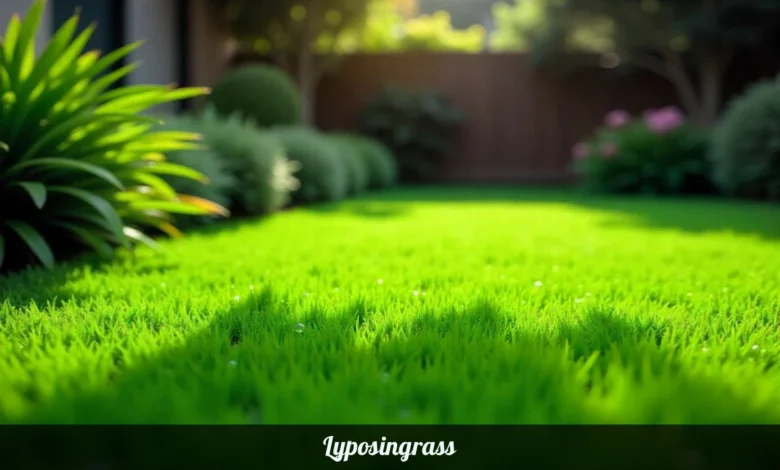
Lyposingrass is a drought-resistant grass variety designed for sustainable landscaping. It requires 50-70% less water than traditional lawns, features deep root systems that prevent erosion, and thrives in various climates with minimal maintenance. This eco-friendly option reduces chemical use while providing lush, year-round greenery for residential and commercial landscapes.
Why Traditional Lawns Are Failing Modern Gardens
Traditional lawns consume enormous amounts of water, time, and money. The average American lawn requires 1-2 inches of water weekly during growing seasons. Multiply that by millions of households, and you’re looking at billions of gallons wasted annually.
Chemical fertilizers and pesticides harm local ecosystems. They seep into groundwater, damage beneficial insects, and contribute to soil degradation. Plus, weekly mowing burns fossil fuels and adds noise pollution to neighborhoods.
Climate change has made this worse. Droughts last longer. Water restrictions tighten. Homeowners face brown, patchy lawns despite their best efforts.
Enter Lyposingrass—a grass variety that addresses these problems head-on while delivering the lush, green lawn you want.
What Makes Lyposingrass Different
Lyposingrass represents a shift in how we approach lawn care. This specially developed grass variety combines resilience with low maintenance needs.
The root system goes three times deeper than conventional grass. These extensive roots access water and nutrients that surface-rooting grasses miss. The result? Your lawn stays green even during dry spells.
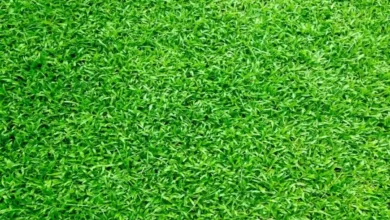
The blades are slightly thicker and more substantial than standard grass varieties. This creates a dense, carpet-like appearance that looks professionally maintained without constant care.
Growth patterns differ, too. Lyposingrass grows more slowly, meaning less frequent mowing. Some homeowners report cutting their mowing schedule in half after switching.
The grass adapts to various soil types—clay, loam, sandy—without requiring extensive amendments. It tolerates both full sun and partial shade conditions, making it versatile for different yard layouts.
Water Conservation Benefits
Water savings stand out as lyposingrass’s most significant advantage. This grass uses 50-70% less water compared to Kentucky Bluegrass and Bermuda varieties.
The deep root structure makes this possible. Roots reaching 12-18 inches below the surface tap into moisture reserves that shallow-rooted grasses never access. During drought periods, this becomes critical.
Cities experiencing water shortages see lyposingrass as a practical solution. Some municipalities offer rebates for homeowners who replace water-hungry lawns with drought-tolerant alternatives.
A 2,500 square foot lawn typically needs 15,600 gallons of water per month. With lyposingrass, that drops to 4,500-7,800 gallons—a reduction that impacts both your water bill and local water supplies.
The grass also helps with water management. Its dense root network improves soil structure, increasing water infiltration and reducing runoff. This means less water flows into storm drains carrying pollutants.
Soil Health and Erosion Control
Healthy soil creates healthy lawns, and lyposingrass contributes significantly to soil improvement. The extensive root system binds soil particles together, preventing erosion on slopes and embankments.
These roots also create channels in the soil. As roots grow and decompose, they form pathways that improve aeration and water movement through the soil profile. Better soil structure means better nutrient availability for all plants in your landscape.
Lyposingrass acts as a natural carbon sink. The grass absorbs carbon dioxide from the atmosphere, and the deep roots store carbon in the soil. This carbon sequestration helps offset your household’s environmental impact.
The grass supports beneficial soil microorganisms, too. A healthy population of bacteria and fungi in your soil breaks down organic matter, cycles nutrients, and protects plants from diseases.
For properties with challenging terrain—steep hillsides, exposed slopes, areas prone to washouts—lyposingrass provides stabilization without expensive retaining walls or erosion control blankets.
Low Maintenance Means More Free Time
Maintenance requirements drop dramatically with lyposingrass. The slow growth rate means mowing less often. Many homeowners switch from weekly to bi-weekly or even monthly mowing schedules.
Fertilizer needs decrease as well. The grass thrives with minimal feeding because those deep roots access nutrients deep in the soil. One light application of organic fertilizer in spring often suffices for the entire season.
Pest resistance comes built into the grass’s DNA. Natural compounds in the plant deter common lawn pests, reducing or eliminating the need for chemical treatments. This saves money and protects beneficial insects like bees and butterflies.
Disease resistance runs high, too. The grass recovers quickly from fungal issues and resists common lawn diseases that plague traditional varieties. No more brown patches requiring repeated fungicide applications.
Weed competition? Lyposingrass’s dense growth crowds out most weeds naturally. The thick mat of grass leaves little room for dandelions, crabgrass, or other unwanted plants to establish themselves.
Ideal Climates and Growing Conditions
Lyposingrass performs well across USDA hardiness zones 5-10, covering most of the United States. This wide adaptability makes it accessible to gardeners in diverse regions.
In hot, arid climates like Texas and Arizona, the drought tolerance shines. The grass stays green through summer heat waves that turn traditional lawns crispy brown.
Humid southeastern states benefit from the disease resistance. High humidity often triggers fungal problems in conventional lawns, but lyposingrass handles moisture without succumbing to common lawn diseases.
Northern gardeners appreciate the extended growing season. The grass begins greening up earlier in spring and maintains color later into fall compared to cool-season grasses like Kentucky Bluegrass.
Coastal areas find lyposingrass valuable for salt tolerance. Properties near oceans deal with salt spray and soil salinity that damage most grass types. Lyposingrass handles moderate salt exposure without burning or dying back.
The grass even works at high elevations. Mountain properties with shorter growing seasons and temperature extremes can successfully establish lyposingrass lawns.
How to Plant Lyposingrass Successfully
Timing matters for establishment success. Late spring or early fall provides ideal conditions. Soil temperatures between 60-75°F encourage quick root development.
Start with soil testing. A pH between 6.0 and 7.0 works best. If your soil falls outside this range, add lime to raise pH or sulfur to lower it several weeks before planting.
Prepare the site by removing existing grass and weeds. Till the soil to 4-6 inches, breaking up compacted areas. Rake smooth, removing rocks and debris.
Add organic compost before planting. A 2-inch layer worked into the top soil improves texture and provides nutrients for young plants. This step pays dividends in establishment speed.
Planting methods vary. Seed offers the most economical option for large areas. Broadcast seed at the recommended rate, then lightly rake to ensure soil contact. A thin layer of straw mulch helps retain moisture.
Plugs or sod provide quicker results. Space plugs 6-12 inches apart in a grid pattern. They’ll fill in within one growing season. Sod creates an instant lawn but costs more per square foot.
Water consistently during establishment. Keep the top 2 inches of soil moist for the first 2-3 weeks. As roots develop, gradually reduce watering frequency while increasing depth.
Maintenance Through the Seasons
Spring maintenance starts with light raking to remove winter debris. Check for any bare spots that need overseeding. Apply a balanced organic fertilizer if soil tests indicate nutrient deficiencies.
Mowing begins when the grass reaches 3-4 inches. Set your mower blade to cut at 2.5-3 inches. Never remove more than one-third of the blade height in a single mowing.
Summer care emphasizes deep, infrequent watering. One inch of water per week during hot months keeps the grass healthy. Water early in the morning to reduce evaporation and disease risk.
Monitor for signs of stress. If the grass shows a bluish-gray tint or footprints remain visible after walking across the lawn, it needs water. These early warning signs prevent serious drought damage.
Cost Comparison with Traditional Lawns
Initial installation costs for lyposingrass run slightly higher than conventional grass seed. Expect to pay 10-20% more upfront. Seed costs range from $3-5 per pound compared to $2-3 for standard grass mixes.
The long-term savings offset this initial investment quickly. Water bills drop by 50-70% during growing seasons. For a typical household, this means $300-600 annual savings on irrigation costs.
Fertilizer expenses decrease dramatically. Traditional lawns require 3-5 applications yearly at $50-100 each. Lyposingrass needs one application, saving $150-400 annually.
Mowing costs fall too. Professional lawn services charge per visit. Reducing mowing frequency from weekly to bi-weekly cuts this expense in half. DIY mowers save on fuel and maintenance costs.
Chemical treatments for pests and diseases often run $200-400 annually for conventional lawns. Lyposingrass’s natural resistance eliminates most of these expenses.
Over five years, homeowners typically save $3,000-6,000 compared to traditional lawn maintenance. The grass pays for itself within 2-3 seasons.
Environmental Impact Beyond Your Yard
Choosing lyposingrass creates ripple effects beyond property boundaries. Reduced chemical use means fewer toxins entering local waterways. This protects fish, amphibians, and other aquatic life.
Lower water consumption preserves community water resources. During drought periods, this becomes critical for municipal water supplies. Every gallon saved at home remains available for essential uses.
Carbon sequestration in lyposingrass lawns helps combat climate change. A 1,000 square foot lawn stores approximately 50-75 pounds of carbon annually in the soil. Multiply this across neighborhoods, and the impact grows substantially.
Biodiversity benefits emerge as chemical use declines. Beneficial insects return to yards free from pesticides. Bees, butterflies, and other pollinators thrive, supporting local food production.
Reduced mowing means fewer emissions. Gas-powered mowers emit significant pollutants. A single hour of mowing produces emissions equivalent to driving a car 100 miles. Less mowing directly improves air quality.
Getting Started Today
Assess your current lawn situation. Note problem areas—dry spots, excessive weeds, thin sections. These locations make ideal starting points for lyposingrass.
Research suppliers in your area. Check with local garden centers first. If they don’t carry it, ask about special ordering. Online suppliers offer another option with home delivery.
Test your soil before ordering. Many county extension offices provide soil testing services for minimal fees. Results guide any amendments needed for successful establishment.
Calculate the square footage you plan to plant. This determines how much seed, plugs, or sod to order. Most suppliers provide coverage rates on product labels.
Gather necessary tools. You’ll need basic equipment—rake, shovel, and spreader for seed. Consider renting a tiller for larger areas with compacted soil.
Plan the project timeline. Account for soil preparation, ordering delays, and weather windows. Spring and fall offer the best planting conditions in most regions.
Start small if you’re uncertain. Convert one section of your yard first. This allows you to see results before committing to a complete lawn renovation.
Final Thoughts
Lyposingrass represents more than a new grass variety. It’s a shift toward smarter, more sustainable landscaping that benefits homeowners, communities, and the environment.
The combination of water conservation, low maintenance, and ecological benefits makes it an intelligent choice for modern gardens. As water resources become scarcer and environmental concerns grow, solutions like lyposingrass move from optional to essential.
Your lawn doesn’t need to be a constant drain on time, money, and resources. Lyposingrass proves that beautiful, functional outdoor spaces can coexist with environmental responsibility.
The initial investment pays dividends season after season. Reduced water bills, fewer maintenance hours, and a healthier yard ecosystem reward forward-thinking homeowners.
Consider how your landscaping choices impact not just your property, but your community and planet. Lyposingrass offers a practical way to align your outdoor space with sustainability values without sacrificing appearance or functionality.
FAQs
How long does Lyposingrass take to establish?
Full establishment typically takes one growing season. You’ll see initial growth within 2-3 weeks, but the deep root system needs 6-8 months to fully develop.
Can I mix Lyposingrass with other grass types?
While possible, mixing isn’t recommended. Different watering and fertilizing needs make maintenance complicated. Lyposingrass performs best as a standalone lawn.
Does lyposingrass work in heavy shade?
Partial shade is fine, but dense shade areas may struggle. The grass needs at least 4-6 hours of sunlight daily for optimal growth.
How do I transition from my current lawn?
Remove existing grass using a sod cutter or herbicide treatment. Prepare soil, then plant lyposingrass. Complete renovation gives better results than overseeding.
Is Lyposingrass safe for pets and children?
Yes. The grass contains no harmful chemicals and requires minimal pesticide use. The thick, soft blades create comfortable play surfaces.