Landscaping in the USA Costs Ideas Contractors: Complete 2025 Guide
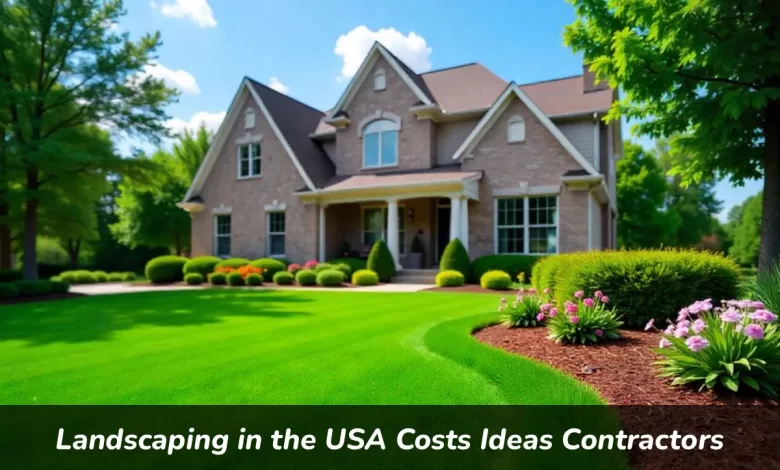
Landscaping in the USA costs ideas contractors vary by region and project scope. Average costs range from $1,400 to $1,660, with professional rates of $4.50 to $14.50 per square foot. Labor runs $50 to $100 hourly. Projects span from basic lawn care ($300-$800) to luxury installations ($20,000+), depending on yard size and materials.
Your yard says a lot about your home. A well-maintained outdoor space boosts curb appeal, increases property value, and creates a place you actually want to spend time in. But before you start planning patios or planting trees, you need to understand Landscaping in the USA Costs Ideas Contractors can provide.
This guide breaks down real pricing data from across the United States. You’ll learn what professional landscapers charge, which creative ideas work best for your climate, and how to find qualified contractors who won’t disappear halfway through your job.
What Drives Landscaping Costs Across America
Several factors determine how much you’ll pay for landscaping work. Understanding these variables helps you budget accurately and avoid surprise expenses.
Homeowners pay an average of $1,400 to $1,660 for professional landscaping services, but your final bill depends on more than just square footage.
Yard Size and Complexity
Larger properties naturally cost more. Professional landscaping typically costs $4.50 to $14.50 per square foot. A 500-square-foot area might run $2,250 to $7,250, while a 2,000-square-foot project could hit $9,000 to $29,000.
Complexity matters as much as size. A flat, open lawn with few obstacles takes less time than a sloped yard with mature trees, garden beds, and tight access points. Your crew slows down when they’re working around obstacles or hauling equipment through narrow gates.
Regional Price Differences
Where you live significantly affects labor rates and material costs. In New York, landscaping costs average $1,779 to $2,102, while in Dothan, Alabama, homeowners pay $1,186 to $1,405. Metropolitan areas charge more due to higher living costs, stricter regulations, and increased demand.
Seattle monthly maintenance falls between $110 and $450, while Boston clients often pay $500 or more per month. Dallas tends to run lower, especially in suburban areas with high competition.
Labor Costs
The national average hourly rate for landscaping ranges from $50 to $65. However, this varies by project complexity and regional wage differences. Simple lawn mowing costs less per hour than installing irrigation systems or building retaining walls.
The U.S. landscaping market was valued at $153 billion in 2024, reflecting strong demand for professional services. This demand drives competitive pricing in most markets.
Landscaping in the USA Costs Ideas Contractors Should Know
Different landscaping projects come with vastly different price tags. Here’s what you can expect to pay for common services.
Basic Lawn Services
Basic lawn care costs $300 to $800 for routine maintenance. This includes mowing, edging, and blowing clippings. Smaller yards cost $50 to $150 per visit, while larger properties run $200 to $800.
Weekly mowing keeps grass healthy and prevents disease. Bermuda and zoysia grasses grow quickly in warmer climates and need weekly mowing, while fescue and ryegrass in cooler zones often only need biweekly service.
Softscaping and Planting
Plant installations add color and texture to your yard. Planting flower beds costs $865 to $3,000, depending on bed size and plant selection. Rare or specialty plants increase costs.
Trees cost $565 to $680 each to install, while shrubs run $25 to $230 per plant. Larger specimens cost more because they require heavy equipment and more labor to position correctly.
Mulching costs $77 to $94 per cubic yard. Organic options like bark chips break down faster but improve soil. Rubber mulch lasts longer and provides a consistent color.
Hardscaping Projects
Hardscaping features create functional outdoor spaces. These projects typically carry higher price tags but deliver long-term value.
Patios cost $8 to $24 per square foot, while walkways run $9 to $20 per square foot. Material choice affects price significantly. Poured concrete costs less than natural stone or high-end pavers.
Retaining walls range from $3,500 to $9,400. Cinder blocks offer affordability, while poured concrete provides durability. Boulders and stone veneer create premium looks at premium prices.
Outdoor kitchens cost $5,057 to $17,276. Simple setups with a grill and a small covering stay toward the lower end. Full kitchens with sinks, stoves, and plumbing hookups can exceed $20,000.
Specialty Features
Water features and fire elements add ambiance and function. Ponds cost $3,680 to $14,500, including excavation, liner, and ornamental materials. Adding fish or aquatic plants increases the total.
Fire pits range from $200 for simple portable units to $5,000 for built-in stone structures. Size and material drive the price difference.
Pergolas cost $2,100 to $6,000. Cedar offers affordability and natural beauty. Fiberglass provides durability and requires minimal maintenance, but costs more upfront.
New Installation vs. Ongoing Maintenance
Understanding the difference between installation and maintenance costs helps you budget for both the short and long term.
Full Landscape Installation
New landscaping installations cost $3,000 to $16,000 for most residential properties. This covers design, grading, planting, and basic hardscaping. Luxury landscaping projects run $20,000 to $50,000 or more, including premium materials and custom features.
Landscape design services cost $1,390 to $6,850. Professional designers create detailed plans that prevent costly mistakes during installation. The design fee depends on property size, design complexity, and how many revisions you request.
Land grading costs $1,175 to $3,645. Reshaping your property improves drainage, creates level building areas, and can make your yard more usable.
Regular Maintenance Services
After installation, your landscape needs ongoing care. Lawn mowing costs $49 to $147 per visit. Signing up for weekly or biweekly service plans often reduces the per-visit price.
Lawn fertilization runs $67 to $405. Single applications cost less than multi-step programs. Combining fertilization with weed control or aeration increases the price but improves results.
Aeration costs $107 to $202. This service relieves soil compaction and helps roots access water and nutrients. Overseeding costs $440 to $1,750 and fills in patchy spots while reducing weed growth.
Tree trimming averages $430 to $640 per tree. Accessibility affects price. Trees near power lines or buildings require more careful work and specialized equipment.
Monthly lawn care costs vary by yard size: ⅛ acre runs $100 to $200, ¼ acre costs $200 to $400, ½ acre runs $400 to $800, and 1-acre properties cost $800 to $1,600.
How to Find Reliable Contractors Near You
Hiring the right contractor makes or breaks your landscaping project. Use these strategies to find qualified professionals.
Check Credentials and Reviews
Start with licensed, insured contractors. Licensing requirements vary by state, but insurance protects you if someone gets hurt on your property. Ask for proof of both before signing any contracts.
Read online reviews on multiple platforms. Look for patterns in feedback. One bad review might be an outlier, but repeated complaints about missed deadlines or poor communication indicate bigger problems.
Request references from recent projects similar to yours. Good contractors gladly provide contact information for satisfied clients. Call these references and ask about the contractor’s work quality, punctuality, and how they handled unexpected issues.
Get Multiple Detailed Quotes
Request at least three written estimates. Each quote should break down labor, materials, and timeline. Avoid contractors who only provide verbal estimates or lump everything into one total.
Compare quotes carefully. The cheapest bid isn’t always the best value. Look at what each contractor includes and whether they’re using comparable materials.
Watch for red flags. Massive discrepancies between quotes suggest someone misunderstood the scope or plans to cut corners. Contractors who pressure you to decide immediately or demand large upfront payments often cause problems later.
Verify Warranty and Maintenance Plans
Ask about warranties on materials and labor. Quality contractors stand behind their work. Plant warranties typically cover one growing season. Hardscaping warranties vary but should cover at least one year for structural issues.
Discuss maintenance requirements before installation. Some features need more care than others. Understand what you’re committing to maintain yourself versus what requires professional service.
Consider contractors who offer maintenance plans. Having the same company install and maintain your landscape creates accountability and ensures they understand your specific setup.
Smart Ideas for USA Climates and Budgets
Different regions require different landscaping approaches. Choose plants and features that thrive in your local climate.
Water-Wise Landscaping for Dry Climates
Western and southwestern states face water restrictions and drought conditions. Native plants adapted to low rainfall reduce water use and maintenance.
Xeriscaping uses drought-tolerant plants, mulch, and efficient irrigation. This approach cuts water bills while creating attractive landscapes. Succulents, ornamental grasses, and regional wildflowers provide color without constant watering.
Drip irrigation delivers water directly to plant roots. This method wastes less water than traditional sprinklers and promotes healthier root growth.
Cold-Hardy Designs for Northern States
Freeze-thaw cycles damage some materials and kill tender plants. Choose cold-hardy perennials that return each spring. Coneflowers, hostas, and daylilies tolerate harsh winters and require minimal care.
Use permeable pavers instead of solid concrete. These allow water to drain through, preventing ice buildup and reducing cracking.
Consider snow storage areas in your design. Large piles of snow from driveways and walkways need somewhere to go without smothering plants or blocking pathways.
Hurricane-Resistant Landscaping for Coastal Areas

Coastal properties need landscapes that withstand high winds and salt spray. Florida has specific hurricane-resistant landscaping codes.
Plant wind-resistant species with flexible branches. Palms, crape myrtles, and live oaks bend rather than break. Avoid shallow-rooted trees that topple easily.
Secure loose materials. Gravel, mulch, and decorative stones become projectiles in high winds. Use larger stones or secure mulch with landscape fabric underneath.
Install proper drainage. Heavy rainfall from tropical storms floods yards quickly. French drains, swales, and proper grading direct water away from your home’s foundation.
Maximizing Your Landscaping Investment
Smart planning helps you get more value from every dollar spent on landscaping.
Focus on High-Impact Areas First
Front yard improvements deliver the strongest return on investment. Curb appeal matters when selling, but it also makes coming home more enjoyable.
Start with the entrance. A clear walkway, well-maintained lawn, and plants framing your front door create immediate positive impressions. These improvements cost less than elaborate backyard features but provide outsized benefits.
Phase Large Projects
You don’t need to complete everything at once. Break major renovations into phases. Install basic landscaping first, then add features like patios or outdoor kitchens when your budget allows.
Phasing prevents rushed decisions and gives you time to see how you actually use your outdoor space. You might discover you want a fire pit in a different location after living with your initial layout for a season.
Invest in Quality Materials
Cheap materials cost more long term. Thin pavers crack quickly. Poor-quality plants die and need replacement. Budget materials often look fine initially but fail within a few years.
Quality materials last longer and require less maintenance. Premium pavers handle freeze-thaw cycles without cracking. Healthy plants from reputable nurseries establish faster and resist disease better.
ROI Considerations
Homes with professional landscaping tend to have a 5% to 12% cost advantage over similar properties with no landscaping. The exact return depends on your local market and how well you maintain the improvements.
Features that add the most value include healthy trees and shrubs, functional outdoor lighting, automatic sprinkler systems, and usable outdoor living spaces. These appeal to buyers and serve you well while you own the home.
FAQs
What’s the most affordable way to improve my landscape?
Start with basic maintenance. Mowing regularly, edging cleanly, and removing weeds costs little but dramatically improves appearance. Add fresh mulch to plant beds for an instant refresh. These simple updates make the biggest visual difference for the smallest investment.
How much should I budget for DIY projects?
DIY flower bed installation costs around $187 for materials, including mulch, plants, plastic edging, and landscape fabric, plus about $160 for tools if you don’t own basic equipment. Simple projects like mulching or planting small beds suit DIY approaches. Complex projects like retaining walls or irrigation systems often cost more when done incorrectly than hiring professionals from the start.
Do I need permits for landscaping work?
Permits range from $50 to $3,000, depending on local regulations and project type. Construction projects like building fences, resloping land, or installing retaining walls typically require permits. Your contractor usually obtains necessary permits, but you pay the fees. Check local building departments before starting major work.
When’s the best time to schedule landscaping work?
Spring and fall offer ideal planting conditions in most regions. Contractors often have more availability during these seasons. Summer heat stresses new plants and makes outdoor work harder. Winter works for hardscaping in mild climates but limits plant installations in cold areas. Book early for spring work since that’s the busiest season for most contractors.
How do I know if a landscaping quote is fair?
Compare three quotes for the same scope of work. Research average costs in your area using reliable sources. Ask what materials the contractor plans to use and whether those match industry standards. Verify the contractor includes all necessary prep work, like site clearing or grading. Extremely low bids often mean cutting corners or using inferior materials.
Final Thoughts
Understanding Landscaping in the USA Costs Ideas Contractors offer transforms your outdoor space from basic to exceptional. Knowing costs upfront prevents budget surprises and helps you make informed decisions about which features deliver the most value.
Start with a clear plan. Decide which areas matter most and what you want to accomplish. Get detailed quotes from multiple licensed, insured contractors. Don’t rush the process or compromise on quality to save a few hundred dollars.
The right landscaping increases your home’s value, reduces maintenance over time, and creates an outdoor space you’ll use and enjoy for years. Whether you’re installing a simple flower bed or building a complete outdoor living area, smart planning and quality work make all the difference.