How to Keep Your Roof in Top Condition
Your roof stands between your family and the elements every single day. Yet most homeowners ignore this critical barrier until disaster strikes.
A damaged roof can cost you $15,000 to $30,000 to replace. Regular maintenance extends your roof’s lifespan by decades and prevents expensive emergency repairs. Smart homeowners invest a few hours twice yearly to protect this major investment.
When and How to Inspect Your Roof
Schedule your roof inspections for spring and fall. These seasons reveal winter damage and prepare your home for harsh weather ahead.
You need basic tools: binoculars, flashlight, ladder (if you’re comfortable using one), and a notebook. Start your inspection from the ground using binoculars to examine your roof surface.
Check your attic first. Look for water stains on rafters, insulation, or ceiling boards. Dark spots indicate active leaks that need immediate attention.
Examine shingles for damage. Curling edges, missing granules, or cracked surfaces signal aging materials. Note any missing or loose shingles that expose underlayment.
Inspect flashing around chimneys, vents, and skylights. Cracked caulk or bent metal allows water penetration. These vulnerable areas cause most roof leaks.
Document everything with photos. Create a maintenance log to track changes over time.
Cleaning and Debris Removal
Debris traps moisture and accelerates roof decay. Remove leaves, branches, and accumulated dirt at least twice yearly.
- Start with gutters and downspouts. Clogged gutters overflow and damage your roof edge, fascia, and foundation. Scoop out debris by hand, then flush with water.
- Clear your roof surface safely. Use a soft-bristled brush or leaf blower to remove debris. Never use pressure washers – they force water under shingles and cause leaks.
- Install gutter guards if trees surround your home. These systems reduce cleaning frequency and prevent most clogs.
Work only in dry conditions. Wet roofs become dangerously slippery. If your roof is steep or high, hire professionals for safety.
Shingles and Flashing Care
Damaged shingles create entry points for water, wind, and pests. Address problems immediately to prevent structural damage.
Replace cracked or missing shingles promptly. Match your existing material and color. Lift surrounding shingles carefully to slide new ones underneath. Secure with roofing nails.
Repair flashing before it fails. Remove old caulk and apply fresh sealant around all penetrations. Replace bent or rusted flashing sections immediately.
Check soffit and fascia boards for rot or damage. These components support your gutter system and roof edges. Paint or replace damaged sections to prevent further deterioration.
Small repairs save thousands compared to major reconstruction. Don’t delay maintenance when you spot problems.
Moss, Algae, and Tree Maintenance
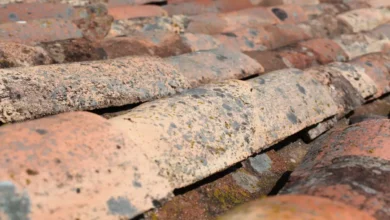
Moss and algae damage shingles by trapping moisture and growing root systems under surface materials. Dark streaks indicate algae growth that feeds on limestone in shingles.
Remove moss with specialized cleaning solutions. Apply moss remover according to manufacturer instructions. Scrub gently with a soft brush – aggressive scraping damages shingles.
Install zinc or copper strips near your roof ridge. Rain washes metal particles down your roof, preventing moss and algae regrowth naturally.
Trim tree branches at least 10 feet from your roof. Overhanging branches drop debris, create shade that encourages moss, and can puncture your roof during storms.
Professional tree trimming costs less than roof repairs. Schedule this service every few years to maintain proper clearance.
Ventilation and Winter Preparation
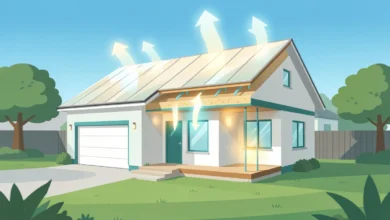
Proper attic ventilation prevents ice dams, reduces cooling costs, and extends shingle life. Heat buildup in your attic can warp decking and damage materials.
Check ridge vents and soffit vents for blockages. Clear any debris that restricts airflow. Balanced ventilation systems draw cool air through soffits and exhaust warm air through ridge vents.
Inspect attic insulation levels. Proper insulation prevents heat loss that creates ice dams. Add insulation if you can see floor joists through existing materials.
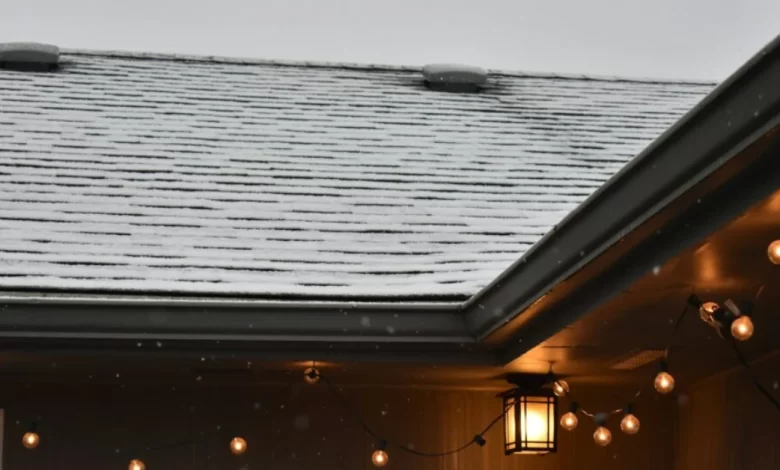
Prepare for winter weather by clearing gutters completely. Use a roof rake to remove heavy snow – but never chip ice dams. Professional ice dam removal prevents roof damage.
Install heating cables along roof edges if ice dams occur regularly. These systems prevent ice formation in vulnerable areas.
Protective Coatings and Sealants
Roof coatings and sealants create waterproof barriers that extend your roof’s lifespan. Reapply these protective layers every five years.
Choose the right coating for your roof type. Acrylic coatings work well on most surfaces. Silicone sealants provide excellent flexibility around penetrations.
Time applications carefully. Apply coatings during mild, dry weather when temperatures stay above 50°F for 24 hours. This ensures proper curing.
Focus on vulnerable areas first: flashing, vent penetrations, and roof edges. These spots experience the most weather stress and benefit from extra protection.
Quality sealants cost $200-500 but prevent thousands in water damage. This investment pays for itself by preventing leaks and extending roof life.
Professional Inspections
Schedule professional roof inspections annually, even if you perform your maintenance. Trained roofers spot structural issues and subtle problems you might miss.
Professional inspectors check:
- Structural integrity of decking and support systems
- Hidden damage in hard-to-reach areas
- Proper installation of flashing and ventilation
- Early signs of material failure
Call professionals immediately if you notice sagging areas, multiple leaks, or extensive shingle damage. These conditions indicate serious structural problems.
Professional inspections cost $200-500 but identify problems before they become expensive disasters. Many roofing companies offer free inspections if you’re considering repairs.
Take Action Today
Regular roofing maintenance protects your home’s value and prevents costly emergency repairs. Your roof maintenance schedule should include:
- Twice yearly: Clean gutters, remove debris, inspect shingles and flashing
- Annually: Professional inspection, trim nearby trees, check ventilation
- Every 5 years: Reapply protective coatings, replace weatherstripping around penetrations
Start your inspection this weekend. Take photos of your current roof condition to establish a baseline for future comparisons.
Schedule a professional inspection if you haven’t had one in the past year. Protect your investment with consistent care – your roof and your wallet will thank you.