KDArchitects Landscape Ideas by Roger Morph: Modern Outdoor Design That Works
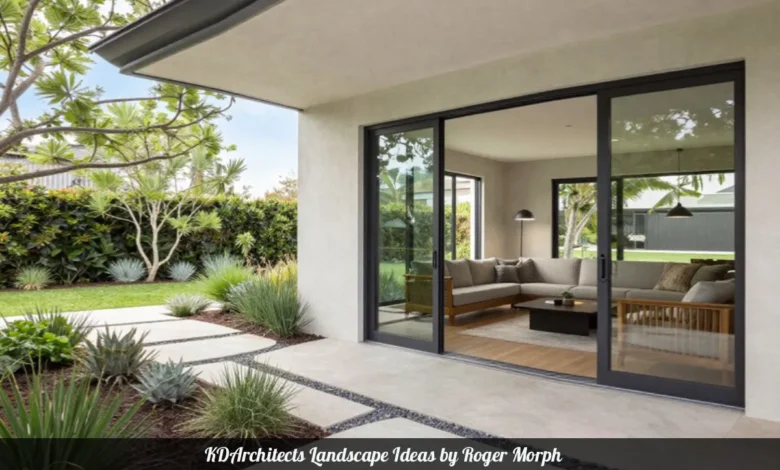
Roger Morph transforms ordinary yards into purposeful outdoor spaces through KDArchitects’ design philosophy. His approach combines native plantings, clean geometry, and multi-functional areas that extend your home’s living space. You get landscapes built to thrive in your local climate while reducing water consumption and maintenance demands. Morph’s designs prioritize sustainability without sacrificing visual appeal, creating outdoor environments that support both daily living and long-term property value.
Who Is Roger Morph and Why His Designs Matter
Roger Morph built his reputation at KDArchitects by rejecting cookie-cutter landscape solutions. He studies each site’s existing conditions—sunlight patterns, soil composition, natural topography—before proposing any changes. This site-specific approach produces designs that work with your property rather than against it.
His projects span urban rooftops to suburban backyards across the United States. A Seattle residence might feature stone pathways bordered by native firs, connecting the home to the surrounding hillsides. An Arizona property uses sand-toned concrete and drought-resistant succulents that echo the desert landscape. Each design responds to local climate and regional character.
The core principle stays consistent: your house and land should feel integrated. Morph carries interior materials into outdoor spaces—a brick accent wall continues as a garden border, wide glass doors erase boundaries between living room and patio. This continuity makes your property feel cohesive instead of compartmentalized.
Native Plants Form the Foundation
KDArchitects’ landscape ideas by Roger Morph start with plant selection matched to your region. Native species require 50% less water than conventional landscaping once established. They’ve adapted to local rainfall patterns, temperature swings, and soil conditions over thousands of years.
These plants support local ecosystems. Pollinators need specific native flowers for food sources. Birds depend on native berries and insects for survival. When you plant regionally appropriate species, you create habitat that sustains wildlife populations.
Maintenance drops significantly. You skip the constant fertilizing, pest treatments, and disease management required by non-native ornamentals. Native grasses stay green through summer droughts. Shrubs maintain their shape without frequent pruning. Perennials return each spring stronger than before.
Morph pairs native plants in layered groupings. Tall grasses create privacy screens. Mid-height shrubs add seasonal color. Ground covers suppress weeds while filling gaps. This layering builds visual depth and texture that changes throughout the year.
Outdoor Living Spaces That Extend Your Home
Morph designs outdoor rooms with specific functions. A cooking area includes built-in grills, prep counters, and weather-resistant storage. Dining zones feature pergolas for shade and comfortable seating for extended gatherings. Fire pits anchor conversation areas with circular seating arrangements.
These spaces work year-round. Covered structures protect you from rain. Fire features extend usability into cooler months. String lights and integrated LED systems make areas functional after dark. You gain square footage without adding to your home’s footprint.
Materials matter. Morph selects permeable pavers for patios—rainwater filters through rather than creating runoff. Natural stone weathers gracefully. Composite decking resists rot and warping while requiring minimal upkeep. Each material choice supports durability and long-term performance.
Circulation patterns receive careful attention. Pathways connect different zones smoothly. Wide openings allow easy movement between the kitchen and dining areas. Steps and grade changes get marked clearly for safety. The layout encourages natural flow during use.
Water Features Add Function Beyond Aesthetics
Roger Morph incorporates water elements strategically. Small fountains provide ambient sound that masks traffic noise. Shallow streams guide stormwater away from foundations while creating visual interest. Rain gardens collect runoff and filter it naturally through planted areas.
These features serve practical purposes. Ponds support dragonflies and frogs that control mosquito populations. Birdbaths attract species that eat garden pests. Moving water aerates naturally, preventing stagnation without pumps or chemicals.
Scale matches the property. Compact urban lots might include a wall-mounted fountain or a small recirculating basin. Larger properties can accommodate naturalized ponds with marginal plantings. Each installation fits the available space and maintenance capacity.
Water conservation guides the designs. Rain chains direct roof runoff into collection barrels. Drip irrigation delivers moisture directly to plant roots. Moisture sensors prevent watering during rainfall. These systems reduce water consumption by 30-40% compared to traditional sprinklers.
Vertical Gardens Maximize Limited Space
Urban properties benefit from Morph’s vertical solutions. Living walls transform blank exterior surfaces into growing space. Trellises support climbing vegetables and flowering vines. Tiered planters create multiple growing levels within a small footprint.
These vertical elements serve multiple functions. Green walls insulate buildings, reducing heating and cooling costs. Climbing plants shade patios during summer. Vertical herb gardens place fresh ingredients within arm’s reach of outdoor kitchens.
Maintenance stays manageable. Self-watering planters reduce daily attention. Modular systems allow you to swap out plants seasonally. Sturdy mounting hardware ensures safety without constant adjustments.
The visual impact transforms tight spaces. A narrow side yard becomes a productive garden corridor. A balcony railing supports a flowering privacy screen. Vertical design adds dimension where horizontal expansion isn’t possible.
Sustainable Materials Reduce Environmental Impact
Morph specifies reclaimed and recycled materials whenever possible. Salvaged bricks create pathways with character. Composite lumber made from recycled plastic reduces demand for virgin timber. Permeable concrete alternatives prevent water runoff while supporting vehicle traffic.
Local sourcing cuts transportation emissions and costs. Regional stone varieties tie projects to their geographic context. Locally milled wood supports small-scale suppliers. These choices reduce the carbon footprint of each installation.
Durability drives material selection. Natural stone lasts decades without replacement. Properly installed pavers withstand freeze-thaw cycles. Weather-resistant metals age gracefully rather than degrading. Upfront investment in quality materials eliminates repeated replacements.
Morph avoids synthetic treatments when possible. Natural wood finishes protect against moisture without toxic chemicals. Stone needs no sealants or coatings. Plants selected for site conditions resist pests without chemical interventions.
Clean Lines Create Modern Structure
KDArchitects’ landscape ideas by Roger Morph favor geometric clarity. Rectangular planters define spaces. Straight paths create visual order. Circular gathering areas provide focal points. These shapes establish a structure that holds the design together.
The geometry doesn’t feel rigid. Curved planting beds soften hard edges. Ornamental grasses add movement. Strategic plant placement breaks up long sight lines. The balance between structure and softness creates comfortable outdoor rooms.
Color palettes stay restrained. Morph uses warm woods, gray stone, and earthy terracotta as base tones. These neutrals let plantings stand out. Seasonal flowers provide color pops without overwhelming the space. The palette feels cohesive across seasons.
Scale and proportion receive constant attention. Furniture fits the space without crowding. Plantings stay appropriate to their setting—no oversized trees dwarfing small yards. Hardscape elements relate to building dimensions. Everything feels right-sized for its location.
Smart Technology Supports Efficient Management
Modern irrigation controllers adjust watering based on weather data and soil moisture readings. You avoid watering during rain. Systems deliver precise amounts when plants actually need moisture. Water waste drops by 40% compared to timer-based systems.
Lighting controls let you adjust intensity and timing from your phone. Motion sensors activate path lights for safety. Programmed scenes create different moods for dining versus entertaining. LED fixtures consume 75% less energy than traditional landscape lighting.
Automated covers protect outdoor furniture and cooking areas from the weather. Retractable awnings extend or retract based on sun position and temperature. These systems protect your investment while reducing manual tasks.
The technology stays unobtrusive. Controls mount inside your home. Wiring runs underground. Sensors blend into plantings. You gain functionality without cluttering your outdoor space with visible equipment.
Seasonal Interest Keeps Landscapes Dynamic
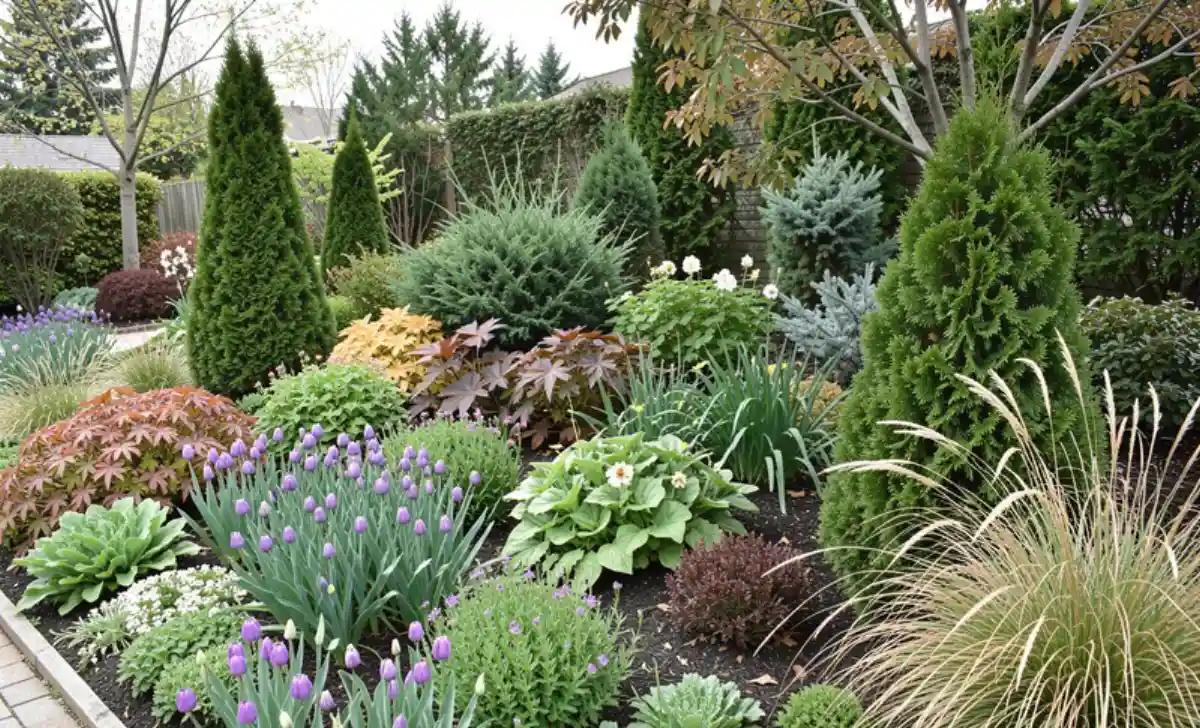
Morph designs for year-round visual appeal. Spring bulbs provide early color. Summer perennials peak during warm months. Fall foliage creates dramatic displays. Winter structure comes from evergreens and ornamental grasses.
Staggered bloom times ensure continuous color. As one plant finishes flowering, another begins. The landscape never looks empty or dormant. Each season brings something new to appreciate.
Texture variety maintains interest when flowers aren’t blooming. Feathery grass plumes contrast with broad-leaved shrubs. Smooth bark plays against rough stone. These textural differences create visual complexity that doesn’t depend on color alone.
Deciduous trees mark seasonal changes. Spring leaf emergence signals renewal. Summer canopy provides cooling shade. Fall color creates drama before winter reveals branch structure. The cycle connects you to natural rhythms.
Case Study: Transforming a Standard Suburban Lot
A typical half-acre property in Colorado started with builder-grade sod and foundation shrubs. Morph’s redesign replaced half the lawn with native grasses and wildflowers. Water consumption dropped 60%. Maintenance time decreased from weekly mowing to occasional trimming.
A new patio connected to the kitchen through expanded glass doors. Built-in seating surrounded a gas fire pit. A pergola provided afternoon shade. The family gained 400 square feet of usable outdoor space.
Rain gardens at downspout locations captured roof runoff. Native sedges and rushes filtered the water naturally. Standing water disappeared within hours of storms. The basement flooding problem stopped.
A small vegetable garden used raised beds filled with amended soil. Drip irrigation delivers water directly to plant roots. The family grew tomatoes, peppers, and herbs throughout the summer. Fresh produce eliminated trips to the store.
Budget-Conscious Implementation Strategies
Morph recommends phased installation for larger projects. Start with hardscape elements—patios, pathways, retaining walls. These establish the framework. Add plantings gradually as budget allows. This approach spreads costs over multiple seasons.
DIY-friendly elements reduce labor expenses. You can install ground covers and perennials yourself. Mulching and seasonal cleanup make good weekend projects. Save professional installation for specialized tasks like irrigation systems and electrical work.
Choose plants wisely. Smaller container sizes cost less and establish faster than large specimens. Native species often sell for less than exotic imports. Dividing perennials from friends’ gardens eliminates purchase costs.
Prioritize high-impact areas. Focus initial efforts on spaces you see and use most. The view from your kitchen window deserves attention before distant yard corners. Front entries create strong first impressions. These areas deliver maximum value from your investment.
Maintenance Requirements and Long-Term Care
Native plantings require minimal intervention once established. First-year watering supports root development. After that, most species thrive on rainfall alone. Annual mulching suppresses weeds and conserves moisture. Occasional pruning maintains shape.
Hardscape maintenance stays simple. Sweep pavers periodically. Refill joints with sand as needed. Stone requires no treatment. Composite materials need occasional washing. Properly installed elements last for decades with minimal care.
Irrigation systems need yearly checks before spring activation. Inspect for winter damage. Adjust heads for proper coverage. Replace worn components promptly. This prevents small problems from becoming expensive failures.
Fall cleanup prepares spaces for winter. Cut back perennials after frost. Remove annuals. Check drainage systems for debris. Cover sensitive plants if needed. Spring arrives with less work ahead.
Final Thoughts
KDArchitects’ landscape ideas by Roger Morph prove that outdoor spaces can be beautiful, functional, and sustainable simultaneously. His designs respond to local conditions rather than imposing generic solutions. Native plants reduce resource consumption while supporting wildlife. Multi-functional outdoor rooms extend your living space throughout the year.
The approach works for any budget through phased implementation. You don’t need a complete overhaul to see improvements. Start with one area and expand over time. Each addition builds on the foundation established earlier.
Professional design expertise saves money long-term by avoiding mistakes. Proper grading prevents drainage problems. Appropriate plant selection eliminates replacement costs. Quality materials outlast cheap alternatives. The upfront investment pays dividends through reduced maintenance and increased property value.
Your outdoor space can become a true extension of your home. Roger Morph’s design philosophy offers a proven framework for making that happen. The result: landscapes that work harder, require less maintenance, and provide more enjoyment year after year.
Frequently Asked Questions
What makes Roger Morph’s landscape designs different from traditional approaches?
Morph prioritizes site-specific solutions over template designs. He analyzes your property’s existing conditions—soil, sunlight, drainage patterns—before proposing changes. This ensures plants and materials match your location’s climate and topography. The result: landscapes that thrive with less intervention rather than struggling against natural conditions.
Can native plantings look as attractive as traditional landscape plants?
Native species offer diverse colors, textures, and forms that create stunning visual displays. You get spring wildflowers, summer grasses with dramatic seed heads, fall foliage in rich tones, and winter structure from evergreens. The palette expands beyond typical nursery offerings while requiring significantly less maintenance.
How much can sustainable landscaping reduce water consumption?
Projects using native plants and efficient irrigation typically reduce water use by 40-60% compared to conventional landscaping. Rain gardens and permeable surfaces capture runoff for natural filtering. Smart controllers adjust watering based on actual conditions rather than fixed schedules. These strategies compound for substantial savings.
What’s the typical timeline for implementing a complete landscape redesign?
Phased projects spread over 2-3 years allow budget flexibility while ensuring quality installation. Hardscape elements come first to establish structure. Major plantings follow in appropriate seasons. Finishing touches and adjustments continue as plants mature. Rushing installation creates problems that cost more to fix later.
Do outdoor living spaces add value to your property?
Well-designed outdoor areas can increase property value by 5-12% according to real estate studies. Buyers view functional outdoor spaces as essential rather than optional. Covered patios, outdoor kitchens, and thoughtful landscaping create strong selling points. The investment typically returns during sale while providing enjoyment during ownership.