Inventive LWMFcrafts: Simple Creative Ideas for Every Home
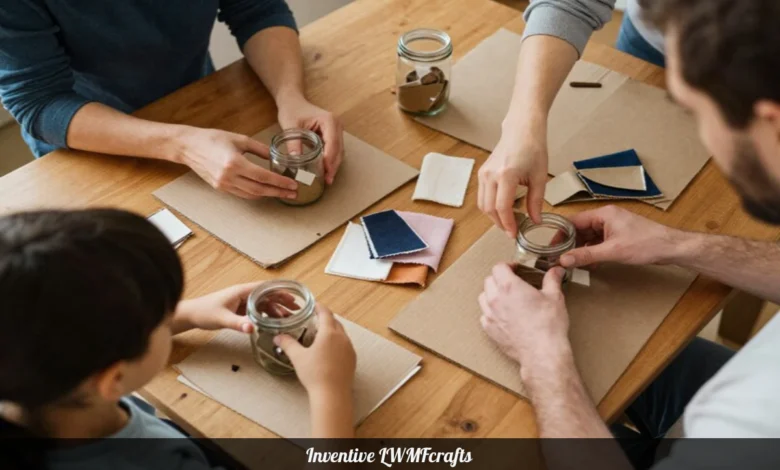
Inventive LWMFcrafts transforms everyday materials into creative projects that strengthen family bonds, reduce screen time, and promote sustainable living. These simple DIY activities help children develop motor skills while parents and kids create meaningful memories together using recycled materials and basic supplies.
You stare at empty cardboard boxes, old jars, and fabric scraps. Most people see trash. You could see tomorrow’s art project.
Inventive LWMFcrafts offers families a way to turn ordinary household items into creative adventures. This approach combines fun with learning, bringing parents and children together without expensive supplies or complicated instructions. You get more than finished projects. You build confidence, skills, and memories that last.
What Makes Inventive LWMFcrafts Different
Traditional crafts follow strict patterns. You buy specific materials, follow exact steps, and create identical results. Inventive LWMFcrafts works differently.
This method celebrates experimentation. You use what’s available at home. Old newspapers become paper flowers. Glass jars transform into lanterns. Cardboard boxes turn into castles or storage organizers.
The focus stays on creativity, not perfection. Children learn that mistakes lead to new ideas. Parents discover they don’t need art degrees to guide meaningful projects. Every family creates unique pieces that reflect their personality.
According to recent data, families who engage in regular crafting reduce their household waste by approximately 15% annually. These activities also cut screen time significantly, replacing passive entertainment with active creation.
Benefits Your Family Gains
Stronger Parent-Child Connections
When you sit together cutting paper or painting wood, conversations flow naturally. Children share thoughts they might not express during rushed dinners. You listen without distractions.
These shared moments build trust. Your child sees you as someone who values their ideas. This emotional foundation proves essential for healthy development.
Improved Motor Skills and Coordination
Watch a child use scissors for the first time. Their hands shake. Fingers fumble. Within weeks of regular practice, movements become smooth and confident.
Crafting activities strengthen hand-eye coordination through repetitive, purposeful actions. Gluing small pieces improves precision. Folding paper teaches spatial awareness. These physical skills translate to better handwriting and athletic ability.
Enhanced Problem-Solving Abilities
Your child plans to build a bird feeder, but the cardboard won’t stan upd. They must think creatively. Should they add support sticks? Use different materials? Try a new design?
Each crafting challenge becomes a thinking exercise. Children learn to approach problems from multiple angles, test solutions, and adapt when plans fail.
Reduced Stress for All Ages
Research shows that creative activities lower anxiety levels in both children and adults. When you focus on shaping clay or arranging colors, your mind releases stress.
The repetitive motions calm racing thoughts. Finished projects provide satisfaction and accomplishment. These mental health benefits make crafting valuable therapy for busy families.
Simple Projects to Start Today
Recycled Paper Flower Bouquet
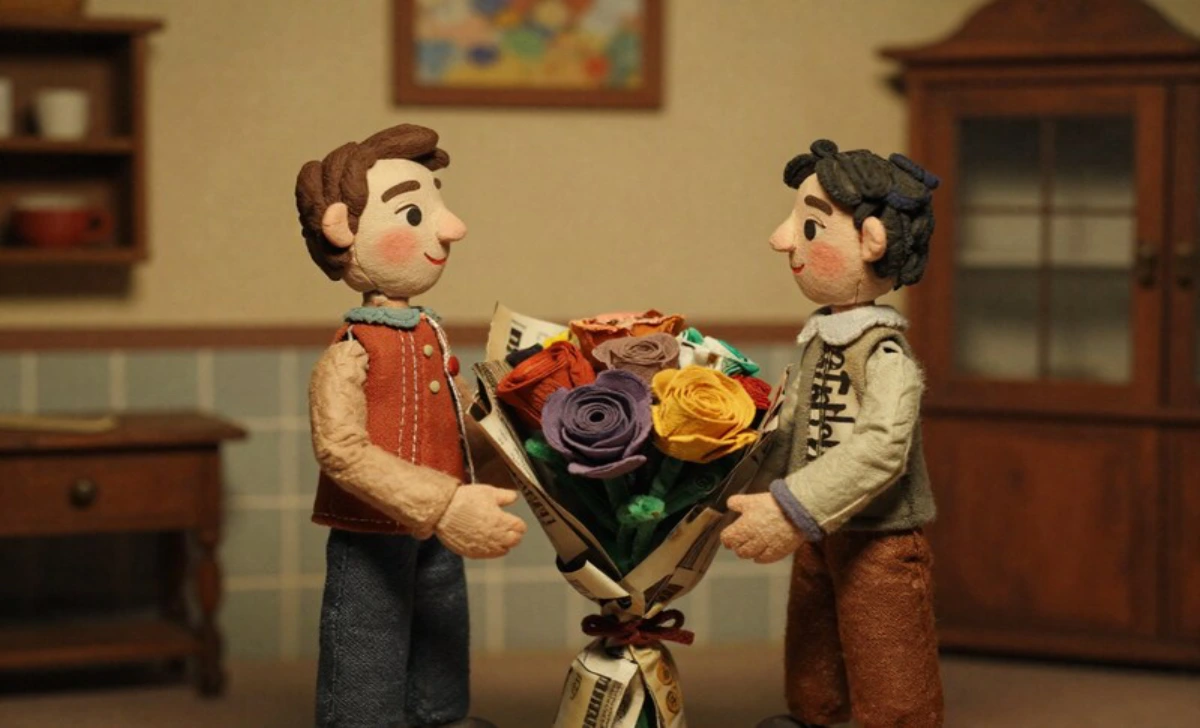
You need old magazines, scissors, glue, and pipe cleaners. Nothing expensive.
Cut circles from colorful magazine pages. Fold each circle twice to create triangular shapes. Cut gentle curves along edges to form petals. Stack several petals together, rotating slightly between layers. Secure centers with glue. Attach pipe cleaners as stems.
Your children create beautiful bouquets without flowers dying or wilting. Display them proudly or gift them to grandparents.
Mason Jar Fairy Lights
Clean glass jars become magical decorations. Paint jars with translucent colors or leave them clear. Add battery-powered LED lights inside. Decorate exteriors with ribbons, lace, or natural twine.
These lights brighten bedrooms safely. Children feel proud seeing their creations glow each night.
Cardboard Storage Organizers
Empty cereal boxes and shoe boxes pile up quickly. Cut them to the desired heights. Cover with fabric scraps, decorative paper, or paint. Create desk organizers, toy bins, or craft supply holders.
You solve storage problems while teaching children about upcycling and organization.
Painted Rock Garden Markers
Collect smooth stones during walks. Wash and dry them. Paint vegetable or herb names on each rock. Seal with clear coating.
Place these markers in gardens or potted plants. Children learn plant names while creating functional art.
Fabric Scrap Bookmarks
Old clothes provide endless crafting material. Cut fabric into bookmark-sized strips. Sew or glue edges to prevent fraying. Add ribbons, buttons, or hand-stitched designs.
Every family member gets personalized bookmarks that encourage reading.
Getting Started Without Overwhelm
Gather Basic Supplies
You don’t need specialty stores. Check your home first:
- Scissors and craft knives
- Glue sticks and liquid glue
- Old newspapers and magazines
- Cardboard boxes and tubes
- Fabric scraps from old clothes
- Glass jars and plastic containers
- Markers, crayons, and paint
- Buttons, ribbons, and string
- Natural items like stones and sticks
Keep supplies in one designated box. This organization makes starting projects quick and easy.
Create a Craft Space
Dedicate one corner or table for crafting. Cover surfaces with old newspapers or plastic sheets. Keep wet wipes nearby for quick cleanup.
This space signals it’s okay to get messy. Your children feel free to experiment without worrying about ruining furniture.
Start Small and Build Confidence
Don’t attempt complex projects first. Begin with simple activities that take 15-20 minutes. Success builds enthusiasm for longer projects later.
Let children choose projects that interest them. Forced crafting feels like homework. Chosen activities spark genuine excitement.
Focus on Process Over Product
Your child’s painted rock might not look perfect. The colors might blend into mud. That’s completely fine.
Praise effort and creativity, not just results. Ask about their choices. “Why did you pick blue for the flower?” This questioning encourages thoughtful creation rather than perfectionism.
Advanced Ideas for Growing Skills
Upcycled Furniture Projects
Old wooden crates become rustic shelves. Paint them or leave the wood natural. Stack and secure them for bookshelf units.
Broken chairs get new life with fresh paint and reupholstered seats using fabric scraps. These projects teach woodworking basics safely.
Seasonal Decorations
Create holiday decorations throughout the year. Paper snowflakes for winter. Painted eggshells for spring. Leaf prints for autumn.
These traditions give children something to anticipate. Each season brings new creative opportunities.
Educational Craft Projects
Science concepts become clearer through hands-on creation. Build model solar systems with painted balls. Create ecosystem dioramas in shoeboxes. Construct simple machines using cardboard and string.
Your children understand lessons better when they physically build representations.
Gift-Making Projects
Teach thoughtfulness through handmade gifts. Children create photo frames for grandparents. Paint mugs for teachers. Sew small pouches for friends.
These gifts carry more meaning than store-bought items. Recipients treasure them because they represent time and care.
Turning Crafts Into Learning Opportunities
Math Through Measuring
Crafting naturally involves measurement. How long should this paper strip be? How many beads fit on this string? You teach fractions, addition, and spatial reasoning without textbooks.
Children apply math to real situations, making abstract concepts concrete.
Reading Through Instructions
Following the project steps improves reading comprehension. Children must read carefully, sequence actions, and interpret directions.
This practical reading feels purposeful rather than forced.
Science Through Experimentation
Which glue works best on fabric? Why does paint dry faster in sunshine? Crafting creates endless science questions.
You encourage scientific thinking by asking “what if” questions and testing theories together.
Building a Crafting Community
Share Projects Online
Photograph your finished crafts. Share them on social media or crafting forums. Connect with families worldwide who share similar interests.
This exposure builds your child’s confidence. They see their work valued beyond their home.
Organize Craft Swaps
Host neighborhood crafting sessions. Each family brings supplies to share. Children collaborate on group projects or work individually while socializing.
These gatherings build community connections and expose children to new techniques.
Start Small Business Ideas
Older children can sell handmade items at local markets or online platforms. They learn business basics while monetizing creativity.
This experience teaches money management, customer service, and entrepreneurship.
Overcoming Common Challenges
Managing Mess
Crafting gets messy. Accept this reality. Use washable materials when possible. Dress children in old clothes designated for art time.
The mess washes away. The memories and skills don’t.
Dealing with Frustration
Projects don’t always work as planned. Glue doesn’t stick. Colors turn muddy. Structures collapse.
Teach resilience by modeling it. When your project fails, laugh and try again. Show children that creativity involves trial and error.
Finding Time
Busy schedules squeeze out crafting time. Set specific weekly sessions. Even 30 minutes on Sunday mornings creates consistency.
This regular time becomes a tradition your family anticipates.
Budget Concerns
Quality crafting costs little when you primarily use recycled materials. Save money by collecting supplies throughout the week.
Ask relatives to save jars, boxes, and fabric scraps for you. Many people happily donate items destined for the trash.
Environmental Impact of Creative Reuse
Every item you transform keeps waste from landfills. Glass jars last indefinitely when repurposed. Cardboard gets second, third, and fourth lives.
Children who learn young to see potential in discarded items carry this mindset into adulthood. They become conscious consumers who value repair and reuse over constant purchasing.
Research from 2024 indicates that households practicing regular upcycling crafts reduce waste disposal needs significantly. This environmental benefit extends beyond individual homes, contributing to broader sustainability efforts.
Final Thoughts
Inventive LWMFcrafts offers more than rainy day activities. These projects build foundation skills that your children carry throughout life. Creativity, problem-solving, resilience, and environmental awareness all grow through simple crafting sessions.
You don’t need expensive supplies or artistic talent. You need willingness to explore, permission to make mistakes, and commitment to spending unhurried time together.
Start today with one simple project. Cut paper flowers or paint a rock. Watch how quickly these small activities become cherished family traditions.
The cardboard boxes in your recycling bin hold tomorrow’s masterpiece. Your child’s imagination provides the only tool truly required.
Frequently Asked Questions
At what age should children start crafting activities?
Children as young as two can participate with supervision. Choose age-appropriate tasks like tearing paper or sticking large stickers. Older children handle scissors, needles, and more complex projects safely.
How much should basic craft supplies cost?
Most inventive LWMFcrafts cost under $15 to complete when using household items. Initial investment in basic tools like scissors and glue runs approximately $20-30, but these supplies last months or years.
Where can I find project inspiration?
Search online platforms like Pinterest or dedicated crafting blogs. Join social media groups focused on family activities. Local libraries often offer free crafting program ideas and community connections.
Can crafting really reduce screen time effectively?
Yes. Data shows families who establish regular crafting routines see measurable decreases in daily screen usage. Children naturally prefer interactive creation over passive viewing when given engaging alternatives.
What if I’m not creative or artistic?
Creativity develops through practice, not innate talent. Start with simple projects that follow basic steps. Your enthusiasm matters more than artistic skill. Children value your time and attention above perfect results.